- Cross seven countries by train, boat and road instead of flying
- Cruise the Mekong through remote villages between Thailand and Luang Prabang
- Ride the international railway from Laos across the border into China
- Walk through Sapa’s rice terraces to meet the Red Dao community
- Journey through the Mekong Delta before entering Cambodia by speedboat

Across Asia by Rail, Road & River
What if, instead of flying over Asia, you travelled through it? This 36-day journey crosses seven countries, taking you from Singapore to Cambodia largely by train, road and river, with the changing landscapes, border crossings and journeys between cities becoming as much a part of the experience as the places themselves. Travel north through Malaysia by rail, cross into Thailand for overnight sleeper journeys, follow the Mekong into Laos and board the international railway from Luang Prabang into China. Another train takes you towards the Vietnamese border, before you continue south through Vietnam and eventually cross the Mekong into Cambodia by speedboat. It has all the appeal of a proper overland adventure, including railway stations, immigration checkpoints, sleeper trains and long journeys watching Asia change outside the window, but with the complicated logistics taken care of for you.
What sets this trip apart even more is how much you experience along the way. You are not simply connecting the biggest cities. Walk through Kuala Lumpur using its public transport, explore George Town's multicultural heritage and travel into northern Thailand to the Golden Triangle, where Thailand, Laos and Myanmar meet. Spend two days cruising the Mekong through northern Laos, stopping at remote villages and little-visited Pakbeng, before exploring Luang Prabang by tuk-tuk and visiting artisans at Ock Pop Tok.
In China's Yunnan province, walk the cliffside Dragon Gate above Dianchi Lake, browse a local wet market and explore the extraordinary limestone formations of the Stone Forest. Vietnam brings another change of pace, with Red Dao villages and rice terraces around Sapa, a late-afternoon boat journey through Ninh Binh, time in Hoi An and a stop in a traditional fishing village en route to Quy Nhon. Further south, travel through the quieter waterways, homes and villages of the Mekong Delta, visit Tra Su's flooded cajeput forest and meet a Cham community near the Cambodian border. Phnom Penh adds important context to Cambodia's recent history before the journey finishes among the temples of Angkor. There is a lot packed into 35 days overland, but free days and longer stays are built in along the way, and the itinerary can be tailored to suit how you want to travel.
Tour Itinerary
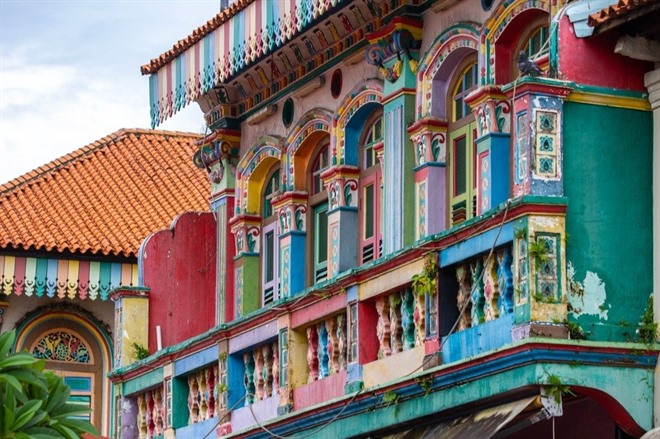
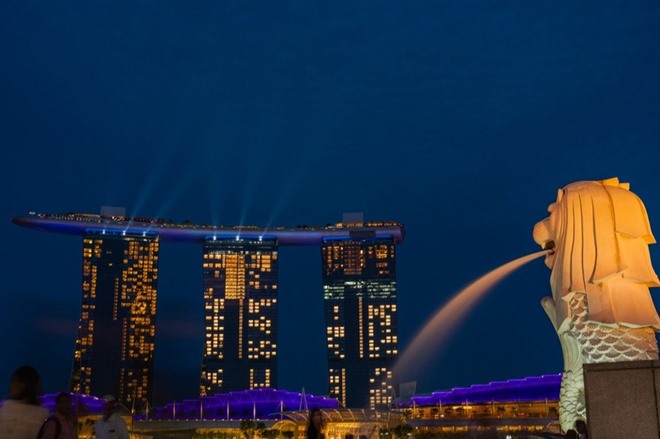
Arrive in Singapore in the morning and transfer to your hotel before an afternoon guided city tour. Begin your journey with a guided introduction to Singapore, where historic trading communities sit alongside the towers of a modern city. Visit the National Orchid Garden within the UNESCO-listed Botanic Gardens, then explore Little India’s spice shops, colourful façades and Hindu temples. At Merlion Park, look across Marina Bay towards the city skyline before continuing to Chinatown. Here, traditional shophouses, temples and local eateries reveal another part of Singapore’s multicultural history. Your guide puts these neighbourhoods into context, explaining how a trading port developed into the city you see today. The rest of the day is free. Overnight at Paradox Hotel or similar.
Transfer to Johor Bahru, then board the train at JB Sentral to Kuala Lumpur. Beyond the urban outskirts, plantations, smaller towns, and stretches of countryside give you your first look at Malaysia outside its major cities. It is a chance to settle into the rhythm of travelling overland, with the landscape connecting one stop to the next. Meet your driver at KL Sentral and transfer to your city-centre hotel. The remainder of the day is free to rest or begin exploring independently. Overnight at Hotel Stripes or similar. (B)
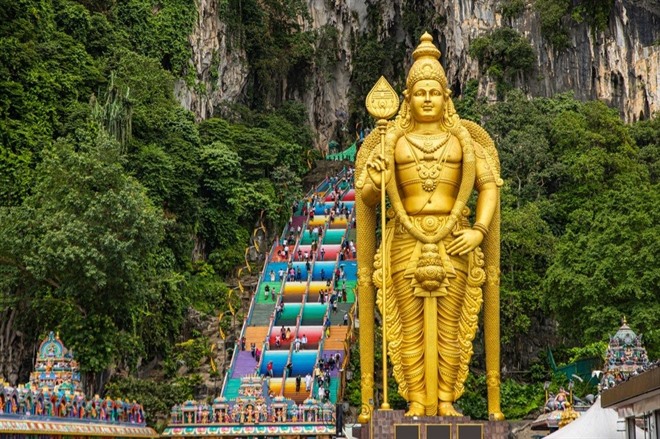
Explore Kuala Lumpur with your guide, using public transport and walking between its historic districts. Begin at Batu Caves, an important Hindu pilgrimage site, where a golden statue of Lord Murugan stands beneath the limestone cliffs. Climb the 272 steps to the main cave temple before returning to the city by train.
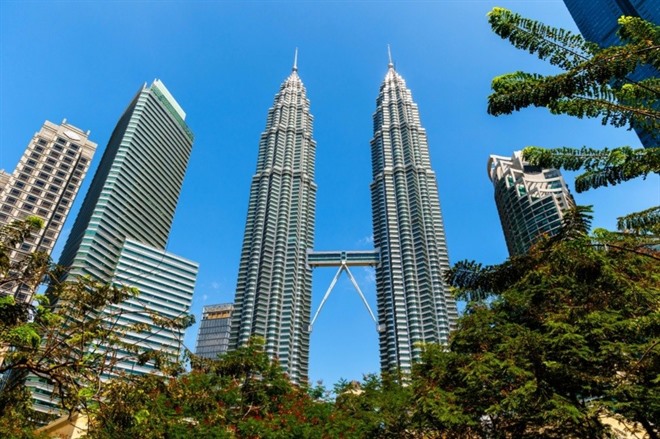
Browse Malaysian crafts at Central Market, then continue to the River of Life and Masjid Jamek, set where the Klang and Gombak rivers meet. The nearby Sultan Abdul Samad Building introduces the city’s colonial history and the story of Malaysian independence. Finish at the Petronas Twin Towers, with a visit to the Skybridge and Observation Deck, subject to ticket availability. If this day falls on a Monday, the towers visit moves to the following day. Overnight at Hotel Stripes or similar. (B,L)
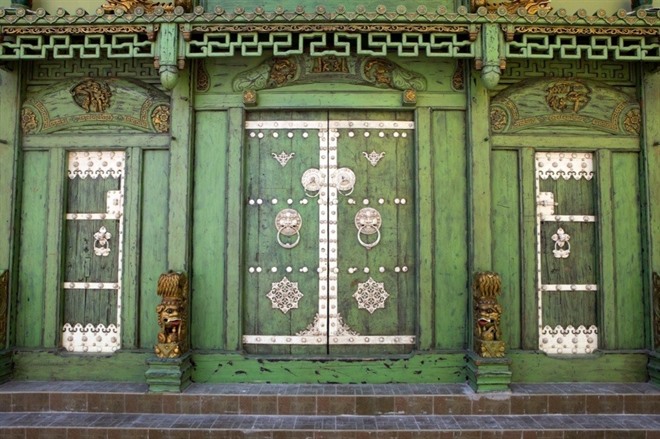
Travel north by train to Butterworth, watching Kuala Lumpur’s skyline give way to plantations and smaller towns. Your driver meets you for the onward journey to George Town on Penang Island. This UNESCO-listed city grew through trade, and its streets reflect the Malay, Chinese, Indian and European communities that shaped it. Begin exploring among colonial buildings, Chinese shophouses and temples, with street art appearing alongside traditional businesses and newer cafés. After settling into your hotel, the rest of the day is yours. Continue wandering through the heritage district or find somewhere to try the food for which Penang is known. Overnight at Citadines Connect Betam Georgetown or similar. (B)
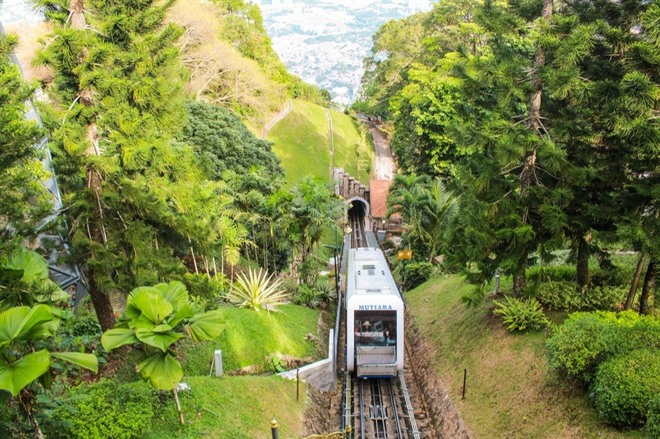
Take the funicular railway up Penang Hill, climbing through forest towards a former colonial hill retreat. A guided heritage walk introduces landmarks including Bel Retiro and Sri Aruloli Thirumurugan Temple before you continue to The Habitat. Explore its rainforest setting and reach the Curtis Crest viewing platform, where clear weather brings wide views across the island and towards the mainland. Descend by funicular for lunch at a local restaurant, followed by time to relax. In the evening, walk to Kebaya Restaurant for a dinner exploring Peranakan cuisine. Its contemporary approach to Nyonya flavours offers another perspective on Penang’s food traditions before you leave Malaysia. Overnight at Citadines Connect Betam Georgetown or similar. (B,L,D)
Return to the mainland and board the train at Butterworth for Padang Besar on the Thai border. The journey runs through northern Malaysia’s agricultural countryside and small towns, bringing you to the next international crossing without a flight. Complete Malaysian departure and Thai entry formalities at the station, then continue aboard the overnight train to Bangkok. Settle in as the railway carries you north through Thailand, with your bed on board for the night. Overnight on the train. (B)
Arrive in Bangkok and meet your local guide for the transfer to your hotel. The day is free to recover from the overnight journey or begin exploring Thailand’s capital independently.
For an optional introduction to Thai design and craftsmanship, visit the Jim Thompson House and Museum. This collection of traditional teak houses beside the Saen Saep Canal holds Asian art, ceramics and antiques gathered by the American entrepreneur who helped revive Thailand’s silk industry. The preserved rooms offer a personal view of his life in Bangkok before his disappearance in Malaysia in 1967. Please contact one of our travel specialists should you wish to include this activity. Overnight at Mode Sathom or similar. (B)
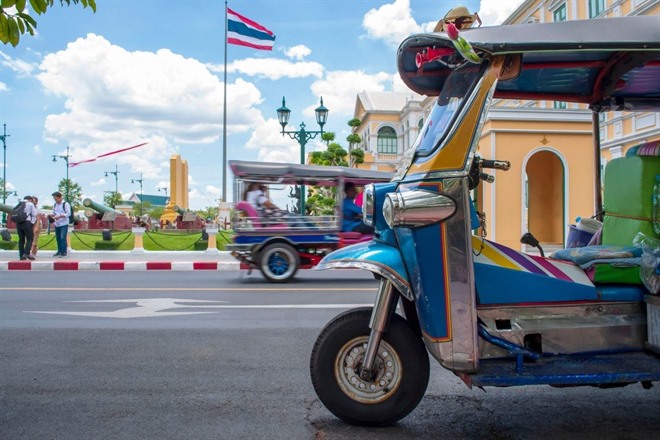
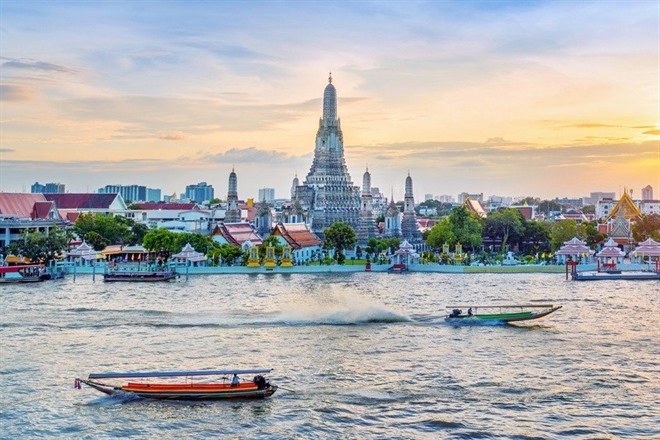
Explore Bangkok using tuk-tuks and public ferries, following the streets and river crossings that connect its historic neighbourhoods. Begin at Pak Khlong Talad, where stalls display flowers delivered from growing areas across Thailand. Continue by tuk-tuk to Wat Pho to see its 46-metre reclining Buddha. Cross the Chao Phraya River by ferry to Wat Arun, whose towers are decorated with fragments of porcelain, ceramic and glass. Looking closely at their surfaces reveals details easily missed from the opposite bank. Return across the river and continue by tuk-tuk for lunch at a local restaurant before heading back to your hotel. Overnight at Mode Sathom or similar. (B)
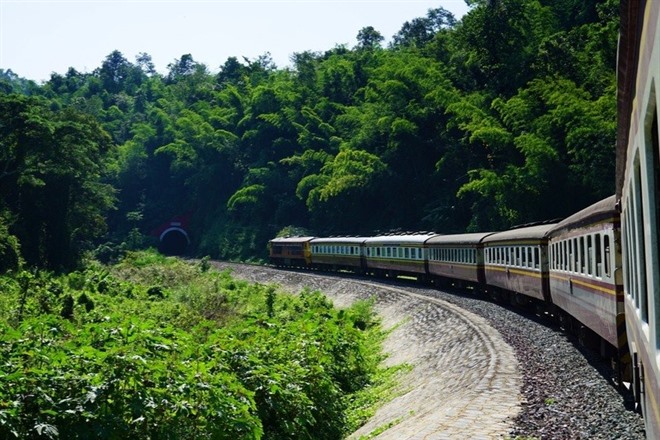
Spend the day at leisure before boarding your overnight train to Chiang Mai. An optional excursion explores Thonburi’s canals by longtail boat, passing riverside homes and seeing how waterways remain part of everyday life. The tour includes Wat Arun, followed by a ferry crossing to the Grand Palace and Wat Phra Kaew, home to the revered Emerald Buddha. Alternatively, keep the day free to explore independently or rest before the next leg of your journey. Your guide accompanies you to the railway station, where you board an air-conditioned sleeper train with a second-class sleeping berth. Overnight on the train. (B)
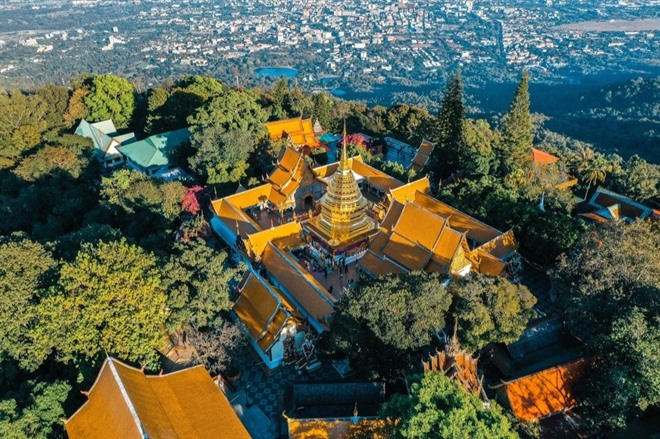
Arrive in Chiang Mai and meet your guide for the transfer to your hotel. Explore Warorot Market near the Ping River, where stalls selling produce, northern Thai snacks, textiles and household goods give you a sense of the city’s everyday life. Continue to Wat Umong, a forest temple known for brick tunnels leading to small Buddha shrines. Its shaded grounds offer a quieter setting before the journey up Doi Suthep mountain. At Wat Phra That Doi Suthep, climb the naga-guarded staircase or take the tram to reach the golden chedi and decorated shrines. Your guide explains the temple’s significance in northern Thai Buddhism, with views over Chiang Mai when the weather is clear. Overnight at Banthai Village or similar.
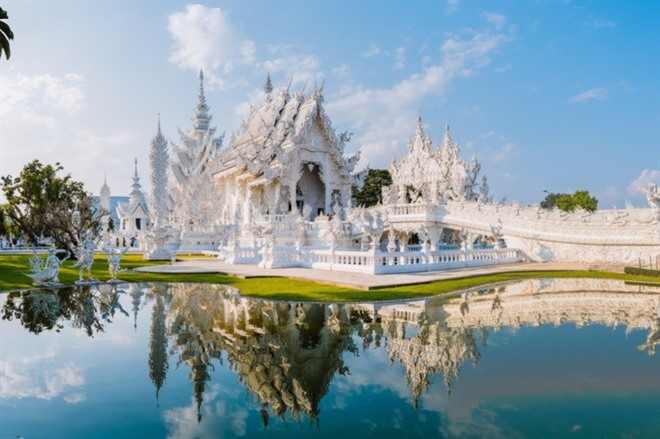
Travel from Chiang Mai towards Chiang Rai to visit two contemporary interpretations of Buddhist temple architecture. At Wat Rong Khun, the White Temple, mirrored glass catches the light across sculptures and elaborate white façades. Created by artist Chalermchai Kositpipat, it combines Buddhist ideas with modern artistic imagery. Continue to the Blue Temple, Wat Rong Suea Ten, where gold decoration and a white Buddha stand against deep blue walls. Then travel to the Golden Triangle, where Thailand, Laos and Myanmar meet around the Mekong and Ruak rivers. Your guide introduces the region’s history of trade, migration and opium production, giving context to the borderlands you will travel through next. Overnight at Sann Hotel Chiang Rai or similar. (B,L)
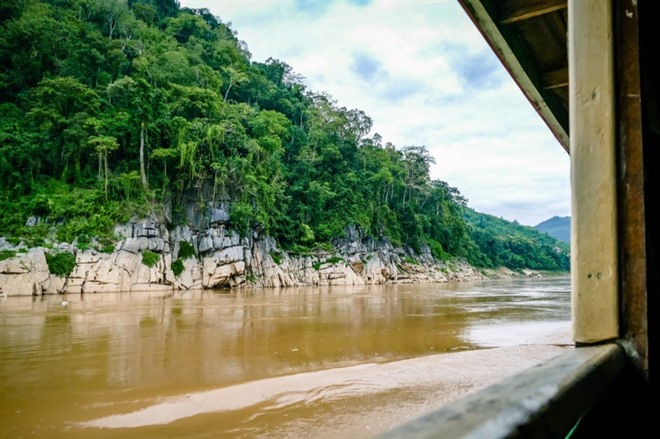
Travel to Chiang Khong and cross the border into Laos, where you join the Shompoo cruise at Houay Xay. Follow the Mekong towards Pakbeng, with lunch served on board as the river carries you through northern Laos. A short cooking session introduces a local dessert made with banana, coconut milk and sticky rice wrapped in a banana leaf. Before reaching Pakbeng, stop at Ban Pak Sith, a small riverside village, to learn about rural life and the production of local rice alcohol. Arrive in Pakbeng and transfer to your lodge. Overnight in Pakbeng. (B,L)
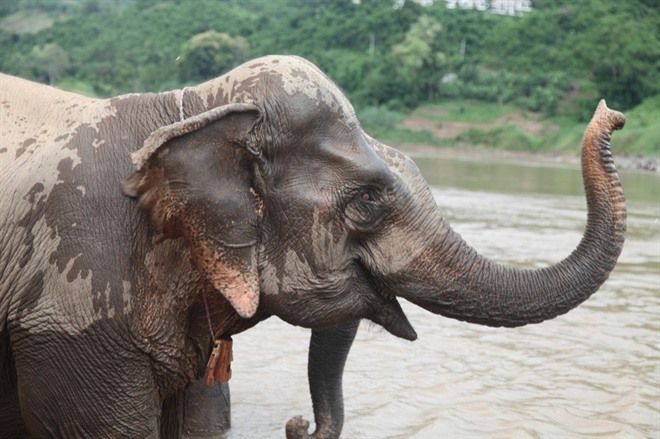
Cross the Mekong by boat to visit an elephant sanctuary on the opposite bank. Learn about the animals, their habitat and their care, with a planned forest walk alongside them offering the chance to observe their routine. Riding is not part of the visit, and activities may change according to the elephants’ needs and weather conditions. After lunch at the sanctuary, cross the river again and walk to a Khmu village. Your guide introduces the culture of one of northern Laos’s major ethnic communities, with opportunities to speak with residents and learn about village life. Visit a historic local temple before returning to your lodge. (B,L)
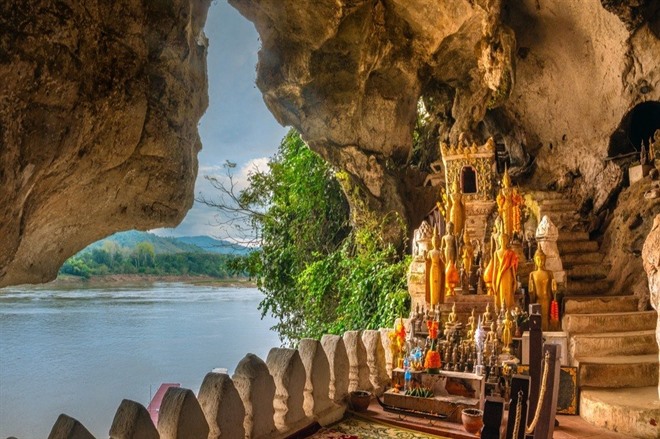
Rejoin the Shompoo cruise and continue along the Mekong towards Luang Prabang, passing forested riverbanks on another day travelling by water. On board, watch a demonstration of a homemade drink using butterfly pea flowers and lemon, followed by a Lao lunch. Stop at the Pak Ou Caves, where thousands of Buddha images fill chambers above the river. These statues make the caves an important pilgrimage site, giving this riverside stop a significance beyond the setting alone. Continue to Luang Prabang and transfer to your hotel, with the remaining time free to explore or relax. (B,L)
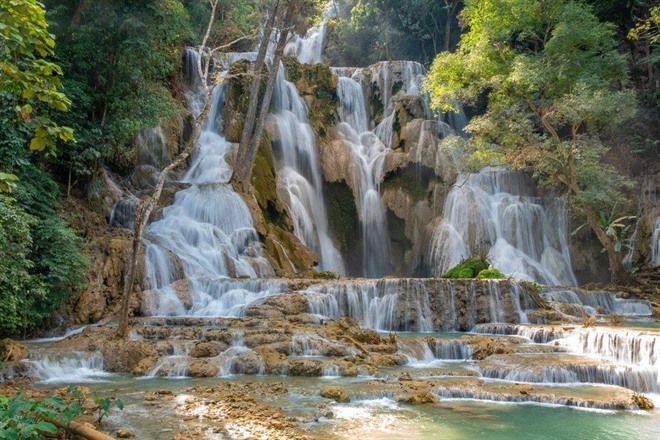
Explore Luang Prabang by tuk-tuk, beginning at the morning market for an introduction to local ingredients and food habits. Visit the former Royal Palace, now the National Museum, and Wat Xieng Thong before continuing to Ock Pop Tok beside the Mekong. Meet artisans and watch their textile work, then have lunch at the centre’s Silk Road Café overlooking the river. Travel through rice fields and villages towards Kuang Si Falls, stopping at a Hmong village to learn about another of Laos’s ethnic communities. At the falls, follow paths through the wooded surroundings, swim in the clear pools where permitted and visit the bear rescue centre. An optional zipline experience is available at an additional cost. Return to Luang Prabang for the night. (B,L)
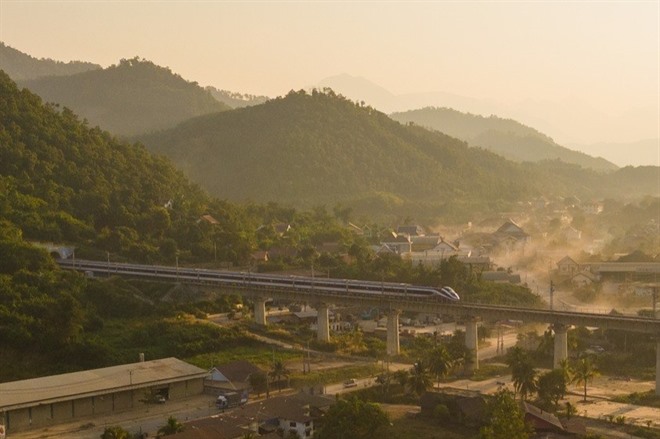
Board the international train from Luang Prabang to Kunming, exchanging Mekong travel for the railway linking Laos with China’s Yunnan province. This is a full day on the move, with a packed lunch provided. At Boten, leave the train with your belongings for Lao departure formalities, then reboard before completing Chinese entry checks at Mohan. Continue to Kunming, where your local guide meets you for the transfer to your hotel. The rest of the day is free to relax or find a nearby restaurant for your first taste of Yunnan cuisine. Overnight at Crowne Plaza Kunming City Centre or similar. (B,L)
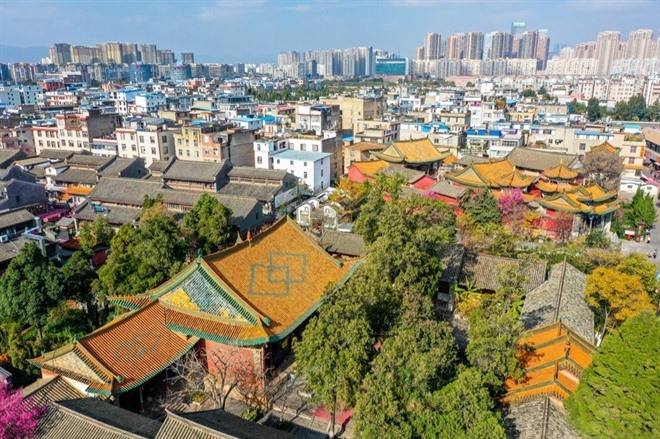
Head to Kunming’s Western Hills and follow the Dragon Gate walkway, carved into the cliff above Dianchi Lake. The narrow paths and views over the water offer a very different perspective from the city streets below. Continue to Cuánxīn Wet Market, browsing stalls of mushrooms, fruit and prepared food. Sample local snacks such as sweet fermented rice and rice noodles with fermented bean curd, giving you a practical introduction to Yunnan flavours. Later, explore the Old Quarter around Jingxing Street, where antique shops and traditional crafts sit among historic lanes and Qing Dynasty courtyard houses. Overnight at Crowne Plaza Kunming City Centre or similar. (B)
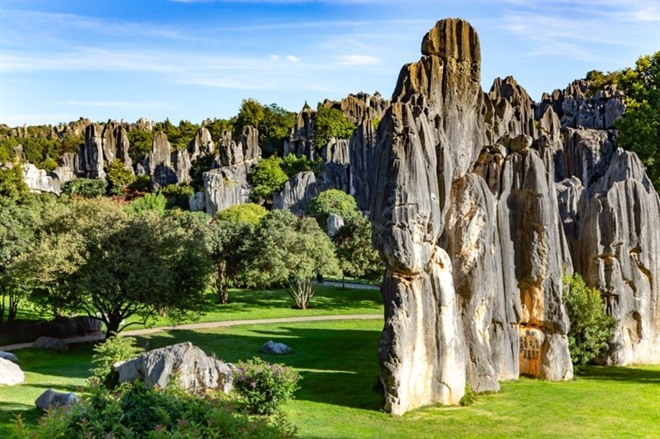
Travel outside Kunming to the Stone Forest at Shilin, where limestone pillars rise above winding paths and narrow passages. Explore the Major and Minor Stone Forests with your guide, crossing natural bridges and stopping at viewpoints among the formations. Local stories add another way to understand the landscape, including the legend associated with the Ashima pillar. Return to Kunming after lunch and visit Yuantong Temple, whose courtyard and lotus pond provide a quieter setting. Its combination of Buddhist traditions reflects the cultural connections of this part of China. Finish at Nanqiang Street Night Market, where the evening brings a different rhythm to the old commercial district. Overnight at Crowne Plaza Kunming City Centre or similar. (B)
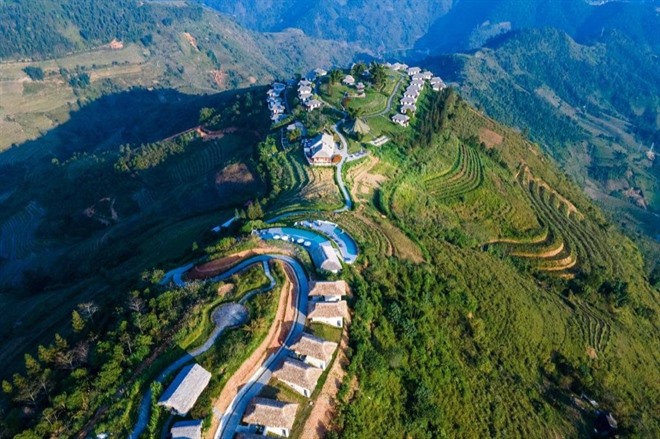
Take the train from Kunming to Hekou, on China’s border with Vietnam. A driver meets you at the station for the transfer to the crossing, where you complete formalities and continue into Lao Cai. Meet your Vietnamese guide and travel into the mountains towards Sapa. Your destination is Topas Ecolodge, set on a hillside away from the town, with the surrounding mountain scenery marking a clear change from Kunming. Once settled in, the rest of the day is free to enjoy the setting and rest after the journey. (B)
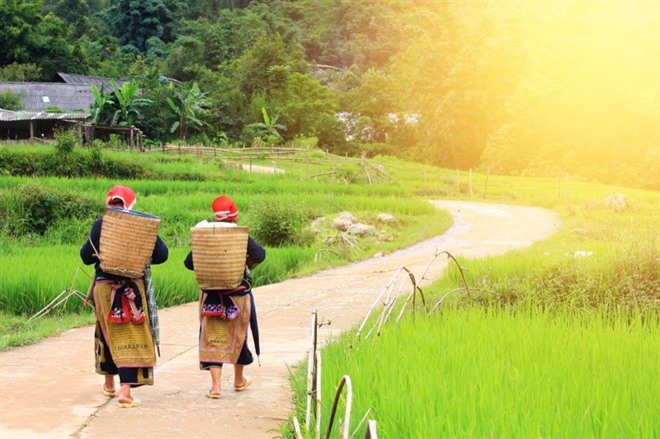
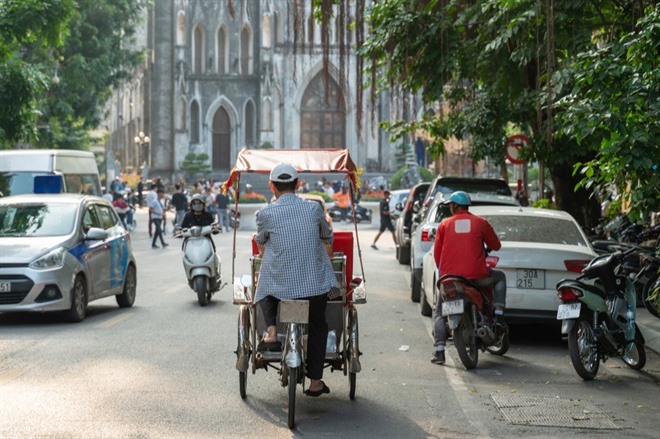
Walk from the lodge into a valley of rice terraces, crossing a stream and seeing the farmland that supports local communities. The route climbs to Lech village, home to members of the Red Dao community. Learn about everyday life and the embroidery and traditional clothing for which the community is known, with your guide helping to explain what you see. Return along trails through further terraces and across a suspension bridge. This walk gives you time on foot in the landscape before the longer road journey south. Later, join the lodge’s shuttle transfer to Hanoi, Vietnam’s capital, and settle into your hotel. Overnight in Hanoi. (B)
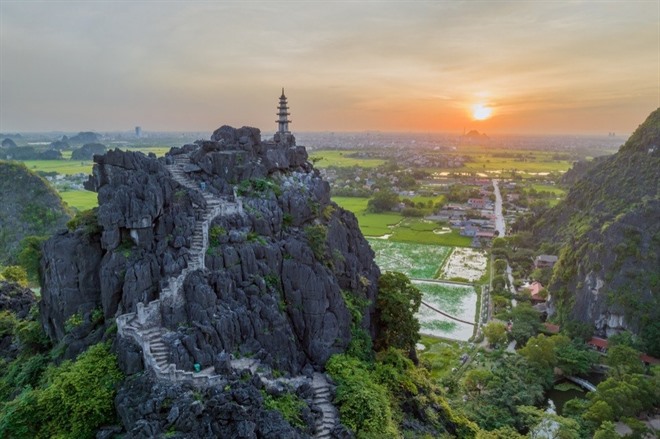
Leave Hanoi for Tam Coc in Ninh Binh, where limestone outcrops rise from rice fields and waterways. At Hang Mua, climb around 500 steps for views across the valley. If you prefer to remain below, seasonal lotus ponds offer an alternative during spring and summer. Have lunch beside the water before visiting Bich Dong Pagoda, a series of small temples connected by stone steps among the limestone hills. Later, take a small boat along Tam Coc’s waterway, with the visit planned towards the end of the day to avoid the busiest period.
A day-use hotel room gives you somewhere to refresh before transferring to Ninh Binh station. Board the overnight train to Da Nang in a private soft-sleeper compartment for your party, with up to four berths. Overnight on the train. (B,L)
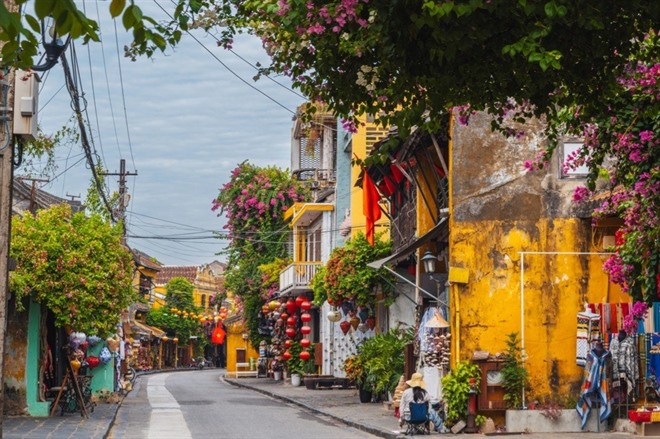
Arrive at Da Nang railway station and transfer to Hoi An, where the rest of the day is free. Once a prosperous trading port, Hoi An developed through contact with merchants from across Asia. Its historic buildings reflect Vietnamese, Chinese and Japanese influences, giving you a different perspective on the connections between the countries you have been travelling through. Settle into your hotel, then explore the ancient town independently if you wish. An optional half-day guided city tour can also be arranged for a closer introduction to its history and architecture. (B)
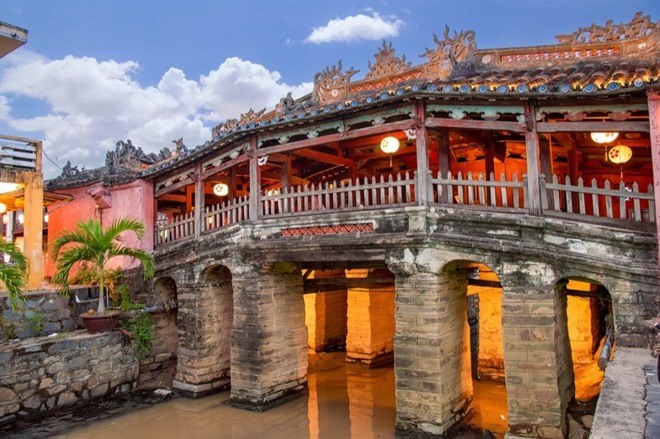
Spend a full day in Hoi An without a scheduled programme. There is time to return to the ancient town, look more closely at its old merchant buildings or pause over a meal rather than fitting sightseeing around a departure. After several border crossings and railway journeys, this longer stay gives you the freedom to decide how much you want to do. Explore independently or enjoy a restful day at your hotel. (B)
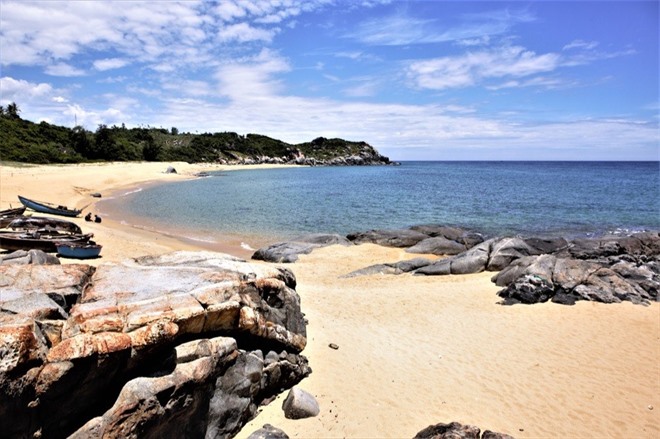
Travel south by road through central Vietnam’s coastal landscapes towards Quy Nhon. Break the journey at Go Co, a traditional fishing village where stone paths lead through the settlement towards views of the coast. A walk introduces the village and the area’s links with prehistoric cultures, while a home-style lunch features fresh local ingredients and seafood. It is a chance to spend time in a smaller coastal community before continuing south. Follow the coastal roads to your hotel in the Quy Nhon area, where you settle in for a stay by the sea. Overnight in Quy Nhon. (B,L)
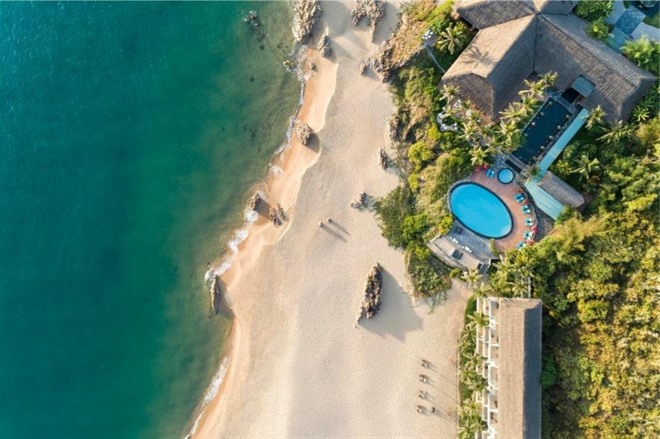
Enjoy a full day at leisure on the coast around Quy Nhon. With no planned sightseeing or onward travel, you can spend time on the beach and make use of your resort’s facilities. This pause comes between the busier sections of the journey, giving you space to enjoy staying in one place before the next overnight train. (B)
Keep the day free to enjoy the beach or your resort’s facilities before leaving the Quy Nhon coast. Later, transfer to Dieu Tri railway station and board the overnight train to Ho Chi Minh City, still widely known as Saigon. Travel in a private soft-sleeper compartment for your party, with up to four berths. The journey continues your progress down Vietnam by rail, taking you towards the country’s largest city while you spend the night on board. Overnight on the train.
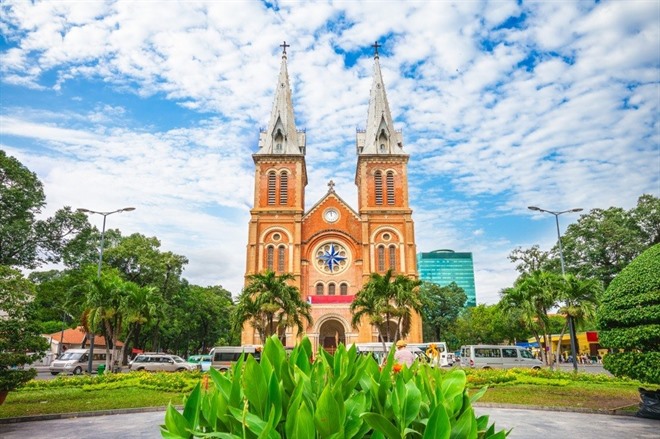
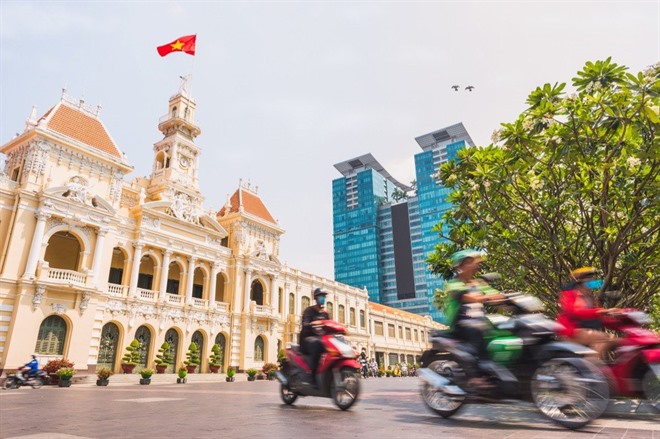
Arrive in Ho Chi Minh City and transfer to your hotel, where early access to your room and breakfast are included. After time to rest, visit the War Remnants Museum with an audio guide. Its exhibits examine the Vietnam War and its consequences, providing important context for understanding the country today. Continue on foot to Book Street, where cafés and book displays offer a quieter place for a break. Your guided walk then introduces colonial-era landmarks including the Central Post Office, Continental Hotel, Opera House and City Hall. Together, the museum and city streets show different periods of a place that has changed considerably within living memory. (B)
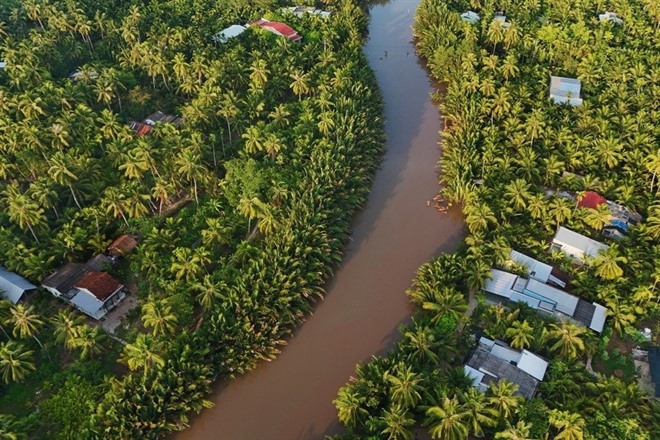
Leave Ho Chi Minh City for a less-travelled part of the Mekong Delta, where boats connect riverside homes, orchards and villages. Visit a local household to see rice paper being made, with the option to explore the surrounding countryside by bicycle. At another home, try making traditional cakes and share them over tea. Continue by boat, then visit a garden house to taste tropical fruit and learn about local crafts and sweets. Along the waterways, brick kilns, floating homes and fish farms show how livelihoods are tied to the river. Cross the Mekong to Vinh Long before continuing by road to Can Tho. (B,L)
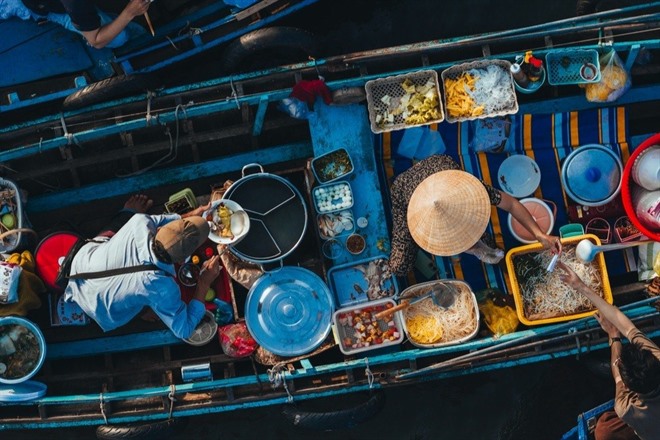
Take a boat through small canals to Cai Rang Floating Market, where traders display samples of their goods on tall poles above their boats. Road transport has reduced the scale of river trading, but the market remains a useful glimpse of the Delta’s changing way of life. Continue towards Chau Doc, stopping at Tra Su Forest to travel by boat among cajeput trees and floating carpets of duckweed, followed by lunch nearby. In Chau Doc, another boat journey introduces floating fish-farming villages before you go ashore to visit a Cham community. These encounters reveal different livelihoods and cultural traditions within the same river region. (B,L)
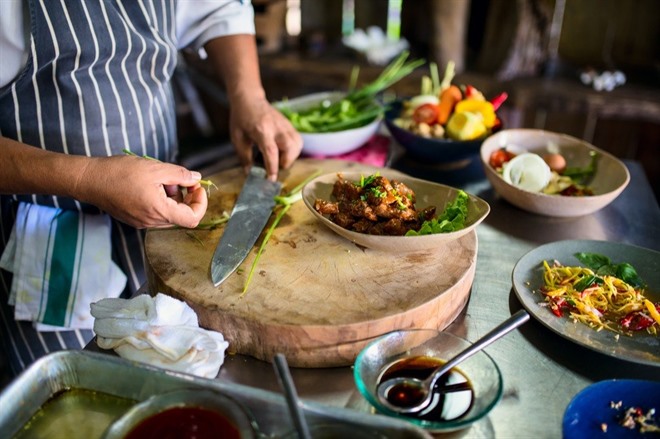
Board a shared speedboat from Chau Doc to Phnom Penh, crossing the international border on the river. Arriving by water gives you a direct connection between the Vietnamese Delta and Cambodia’s capital. Meet your local team at the pier and transfer to your hotel before joining a Khmer cooking class. With a Cambodian chef, visit a local market to learn about the fruit, vegetables and herbs used in the dishes you will prepare. Back in the kitchen, follow the chef’s guidance and cook your own meal, which you enjoy for dinner. Take the recipes home as a practical reminder of your first day in Cambodia. (B,D)
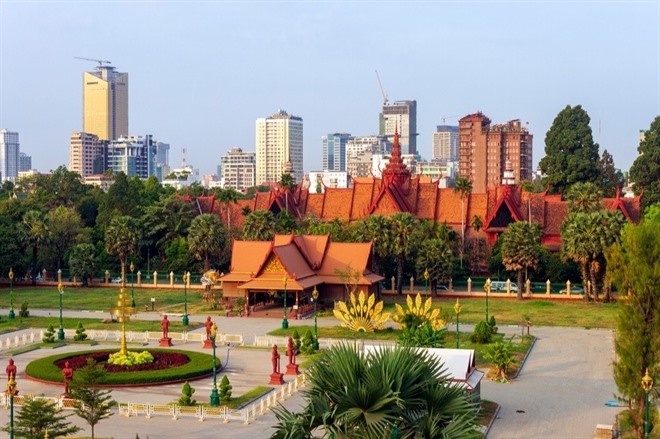
Explore the Royal Palace and Silver Pagoda, then visit the National Museum for an introduction to Khmer art and sculpture, including works from before and after the Angkor period. Continue to Wat Phnom, the hilltop temple associated with the founding of Phnom Penh. After lunch, visit the Tuol Sleng Genocide Museum, housed in a former school used by the Khmer Rouge as a prison and interrogation centre. Continue to the Killing Fields to learn about the people killed under the regime. These are difficult visits, with graphic exhibits, but they provide essential context for Cambodia’s recent history and the lives of its people today. (B,L)
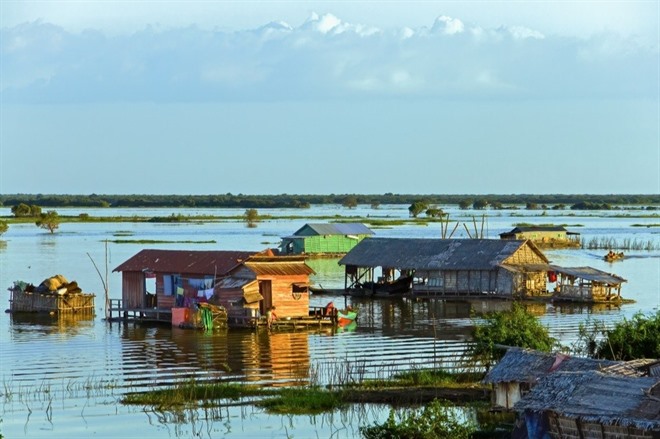
Travel by road from Phnom Penh to Siem Reap, your final base on this journey. Later, visit Tonle Sap and take a boat to a floating village to see how households live on the water. The lake expands dramatically during the monsoon, when water from the Mekong flows into it and floods surrounding fields and forests. This seasonal cycle supports fish populations and shapes the livelihoods of the communities you visit. After weeks following railways, roads and rivers, the excursion offers another example of how water influences life across the region. Have dinner at a local restaurant before returning to your hotel. (B,D)
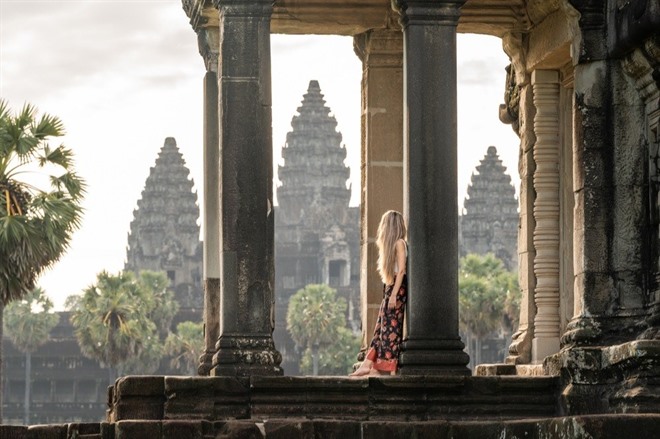
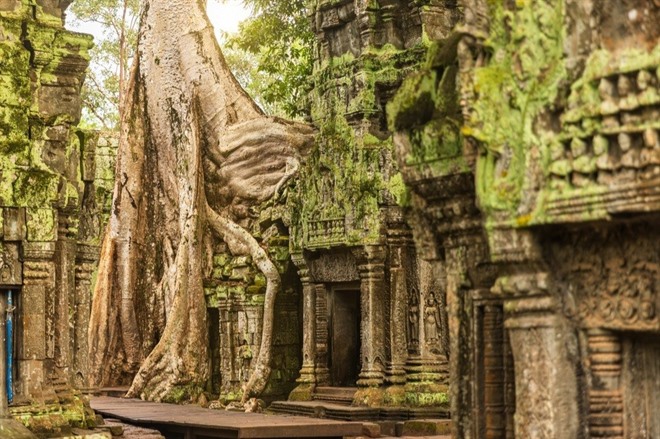
Spend the day exploring Angkor, beginning at Angkor Thom, the former capital of the Khmer Empire. Enter through the South Gate and visit Bayon, known for its carved stone faces, before continuing to Baphuon and the Terraces of the Elephants and Leper King. At Ta Prohm, tree roots wrap around walls and spread across stonework, making the relationship between the buildings and surrounding forest especially visible. After lunch, explore Angkor Wat, whose five towers, galleries and moat form one of the region’s most recognisable temple complexes. Your guide explains the religious ideas behind its layout and the history of the Khmer civilisation that built it. Return to Siem Reap after a final day of sightseeing. (B,L)
Enjoy any remaining free time in Siem Reap before your transfer to the airport for your onward flight. Your journey ends here after travelling through seven countries, following the railways, roads and waterways that connect them. (B)
Pricing Information
Price Includes
- Return international flights via Dubai on Emirates Airline
- All taxes & charges
- Accommodation and meals as specified
- Transfers as specified
- Activities and excursions as specified
- All entrance fees on sightseeing tours as specified
Price Excludes
- Malaysia Tourism Tax: MYR 10 (approx GBP2.00) per room per night, payable at the hotel
- Penang Heritage Tax: MYR 3 (approx GBP0.55) per room per night, payable at the hotel
- Travel Insurance
- Any meals not specified in the itinerary
- Tips and gratuities
- Optional excursions
Price Includes
Price Excludes
Price Notes
- Price is per person, based on 2 adults travelling together, with a 1 May 2027 departure
- All flight rates are correct at the time of publication but remain subject to change by the airlines. The exact airfare and any applicable taxes or surcharges will be reconfirmed at the time of booking.
- Holiday and peak season surcharges are not included in the above prices. Additional charges may apply during peak travel periods, including 15 December to 10 January, and will be confirmed at the time of booking.
- This holiday includes long journeys by train, road and river, several international border crossings and four nights on sleeper trains. Travellers should be comfortable boarding different forms of transport, walking through stations and handling their own luggage. We recommend travelling with one manageable main bag and a small day bag.
- This is a suggested itinerary that can be customised to suit your preferences. We can remove certain excursions or add other destinations as needed. This provides an overview of what you can experience in the area, but it is by no means exhaustive. Please reach out to one of our travel specialists who can assist you in creating your ideal holiday.
Tour Route Map
- Laos, Pakbeng
- Laos, Luang Prabang
- Vietnam, Sapa
- Vietnam, Hanoi
- Vietnam, Hoi An
- Vietnam, Quy Nhon
- Vietnam, Ho Chi Minh City
- Vietnam, Can Tho
- Vietnam, Chau Doc
- Cambodia, Phnom Penh
- Cambodia, Siem Reap
Tour Accommodation
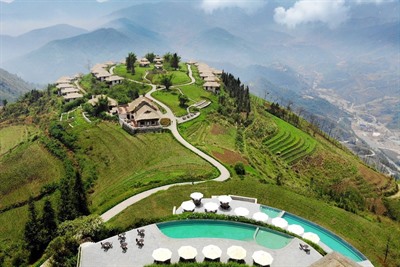
Image Gallery