- Stay in a traditional hanok in the UNESCO-listed Hahoe Village
- Learn more about the Korean Demilitarized Zone with a specialist guide
- Master bibimbap during a hands-on cooking class with local instructors
- Meet Jeju's legendary haenyeo and learn about their centuries-old diving tradition
- Explore royal palaces, ancient temples, bustling markets and volcanic landscapes

Best of South Korea
South Korea is often associated with Seoul, K-pop and Korean barbecue, but there's far more to the country than its capital. This two-week itinerary is designed for travellers who want to see beyond the headlines, combining the country's best-known sights with places that reveal its history, traditions and everyday culture. Travel by high-speed train, private vehicle and a short domestic flight as you make your way from Seoul to the traditional villages of Andong, the former royal capital of Gyeongju, the coastal city of Busan and the volcanic landscapes of Jeju Island. The pace is well balanced, giving you enough time to explore each destination properly without feeling rushed.
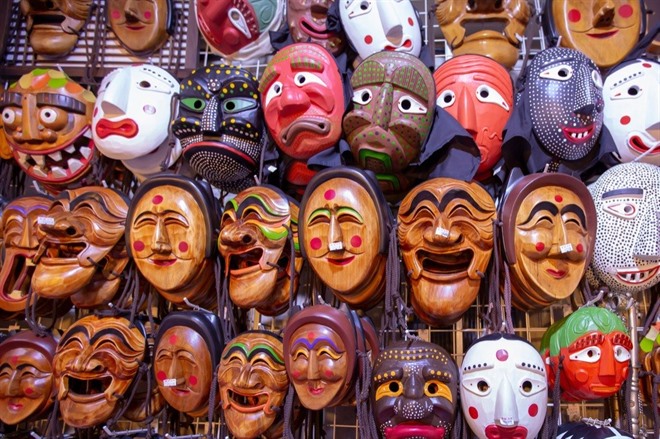
Each stop adds a different perspective on the country. In Seoul, explore grand palaces, traditional markets and the fascinating history of the Korean Demilitarized Zone (DMZ), which still separates North and South Korea. In Andong, spend the night in a traditional hanok, watch the Hahoe Mask Dance and meet the performers to learn more about one of Korea's oldest cultural traditions. Gyeongju, once the capital of the Silla Kingdom, is packed with ancient temples, royal tombs and UNESCO World Heritage Sites, while Busan brings a change of pace with fresh seafood, colourful hillside neighbourhoods, a bibimbap cooking class and spectacular coastal scenery. The journey ends on Jeju Island, where volcanic craters, waterfalls, tea fields and the remarkable haenyeo women divers showcase a side of Korea that feels completely different from the mainland. With all transport, accommodation and touring arranged for you, it's an easy way to experience several regions in one seamless trip, with plenty of opportunities to tailor the itinerary to suit your interests.
Tour Itinerary
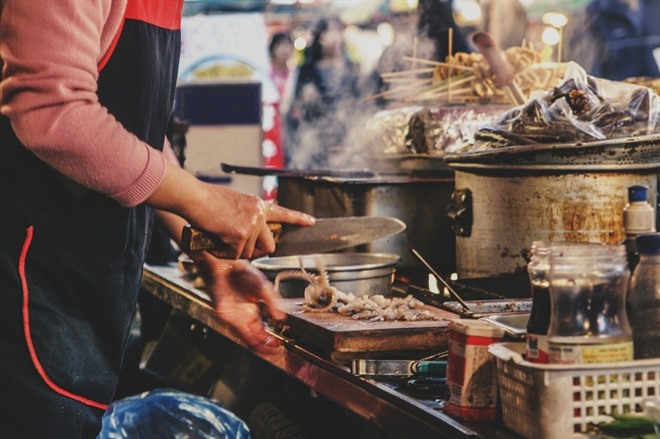
Arrive in Seoul and transfer to your hotel, where the rest of the day is yours to settle in or begin exploring at your own pace. South Korea's capital is a fascinating introduction to the country, where royal palaces stand alongside sleek skyscrapers, quiet temples sit just streets away from busy shopping districts, and centuries-old traditions continue to shape modern life.
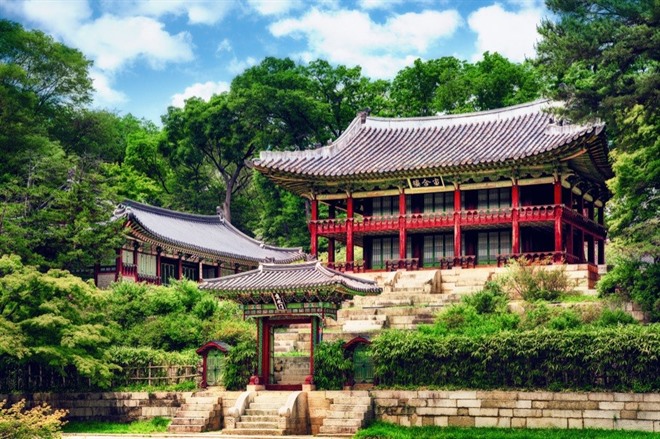
Today is dedicated to discovering Seoul's cultural heart. Begin at Gwanghwamun Plaza before passing through the imposing gate of Gyeongbokgung Palace, the largest of the city's five royal palaces and once home to the kings of the Joseon Dynasty. Watch the colourful Changing of the Guard ceremony before exploring the palace grounds and the nearby National Folk Museum. Later, wander through Insadong, where traditional craft shops, galleries and tea houses line the streets, then pause for a quieter moment at Jogyesa Temple, the centre of Korean Buddhism. End the day at Gwangjang Market, one of Seoul's oldest food markets, where locals gather for favourites such as tteokbokki, mayak gimbap and crispy bindaetteok pancakes. (B,L)
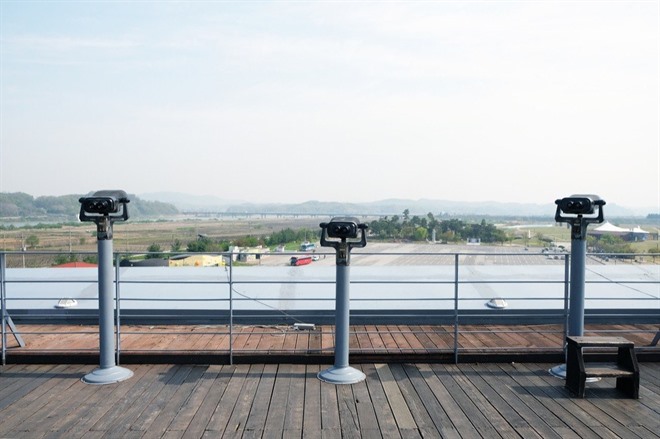
Leave the city behind for a visit to the Korean Demilitarized Zone (DMZ), one of the most heavily fortified borders in the world and a powerful reminder that the Korean War never officially ended. Accompanied by a specialist guide, explore sites including Freedom Bridge, Imjingak Park, the Third Infiltration Tunnel and Dora Observatory, where views stretch across the border into North Korea. The experience offers valuable insight into the peninsula's recent history and the continuing division between North and South Korea. Return to Seoul in the afternoon, with the remainder of the day free to explore independently or choose from a range of optional experiences, including a Taekwondo lesson, a food-focused evening market tour or a relaxing spa treatment. (B)
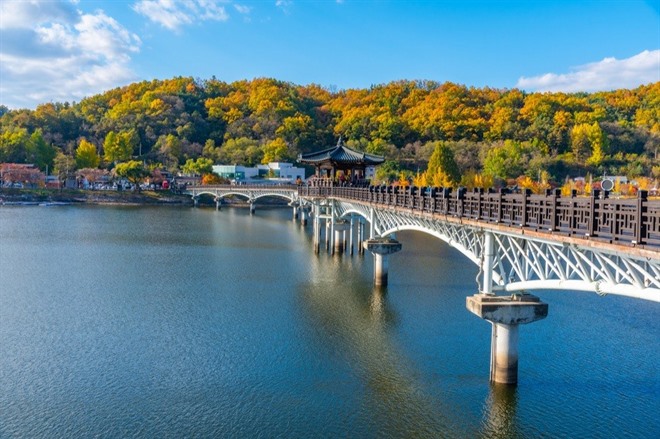
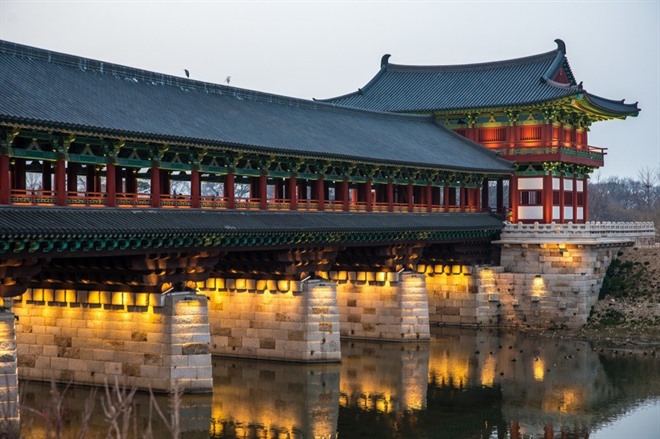
Leave Andong behind and travel to Gyeongju, the ancient capital of the Silla Kingdom for almost 1,000 years. Often described as an open-air museum, the city is filled with royal tombs, temples and archaeological treasures that tell the story of one of Korea's most influential dynasties. After lunch, visit the Gyeongju National Museum, home to an outstanding collection of artefacts from the Silla period, before crossing the restored Woljeong Bridge and exploring Gyochon Traditional Village, where hanok houses and craft workshops preserve centuries-old traditions. End the day on Hwangnidan-gil, a lively street lined with cafés, boutiques and restored traditional buildings that show how Gyeongju effortlessly blends its historic character with modern life. (B,L)
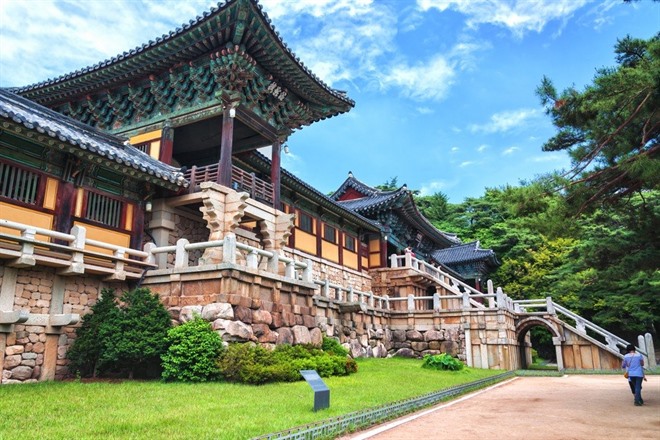
Spend the day discovering some of Gyeongju's most important historic sites. Begin at Bulguksa Temple and Seokguram Grotto, two UNESCO World Heritage Sites that showcase the artistic and architectural achievements of the Silla Kingdom. The serene granite Buddha inside Seokguram has watched over the surrounding mountains for more than 1,200 years, while Bulguksa remains one of Korea's finest Buddhist temples. This afternoon, continue to Daereungwon Tomb Complex, where the grass-covered burial mounds of Silla royalty dominate the landscape, before stepping inside Cheonmachong Tomb to learn how these remarkable structures were built. Visit Cheomseongdae, the oldest surviving astronomical observatory in Asia, and end the day at Donggung Palace and Wolji Pond, where illuminated pavilions and reflections on the water create one of Gyeongju's most memorable evening scenes. (B,L)
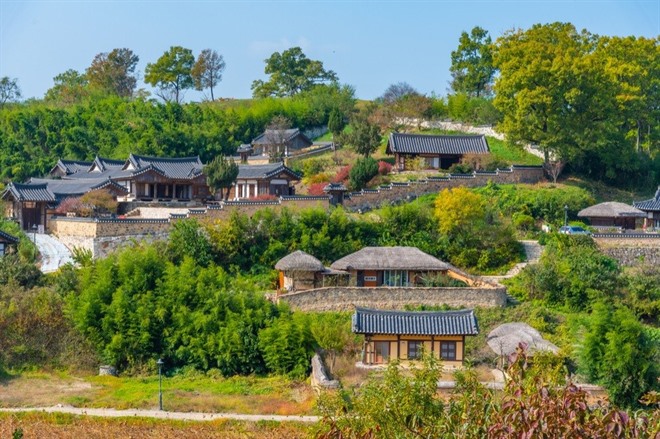
This morning offers the chance to hike on Namsan Mountain, often referred to as Korea's largest open-air museum. The well-maintained trail passes temples, stone Buddhas and ancient pagodas hidden among the forest, revealing just how deeply history is woven into the landscape. After lunch, continue to Yangdong Folk Village, a UNESCO World Heritage Site that has preserved the traditions of Korea's aristocratic families since the Joseon Dynasty. Wander through its peaceful lanes before visiting Manho Gotaek, a beautifully preserved 500-year-old hanok. Here, join a traditional Cheongju brewing workshop, learning how Korea's clear rice wine is made before sampling it alongside artisanal soju and seasonal local snacks, an experience that offers a fascinating insight into the country's long-standing food and drink traditions. (B,L)
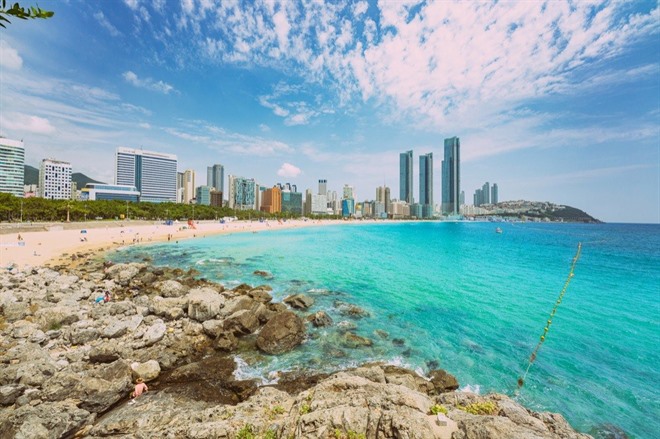
Travel south to Busan, South Korea's vibrant second city, where mountains meet the sea. En route, stop at Haedong Yonggungsa, one of the country's few Buddhist temples built beside the ocean, its dramatic clifftop setting making it one of Korea's most photographed temples. Continue to Daritdol Skywalk, where a glass-bottomed walkway extends over the coastline, before boarding the Haeundae Sky Capsule for a leisurely ride above the shoreline with uninterrupted sea views. Later, head to X the Sky, Busan's highest observation deck, for sweeping views across the city and coastline before finishing the day with a stroll along Haeundae Beach, one of Korea's best-known stretches of sand. (B,L)
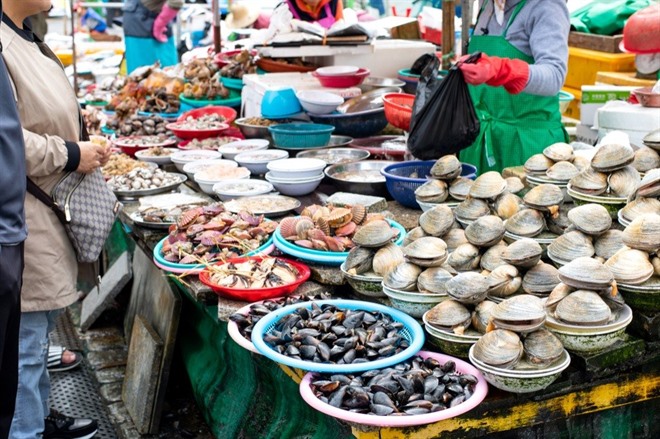
Begin the day with a hands-on bibimbap cooking class, learning how to prepare one of Korea's best-loved dishes before enjoying your freshly made lunch. Continue to Jagalchi Market, the country's largest seafood market, where stalls overflow with the day's catch and local life unfolds around you. This afternoon, explore the colourful streets of Gamcheon Culture Village, originally settled by refugees during the Korean War and now transformed into one of Busan's most creative neighbourhoods, filled with murals, galleries and cafés. End the day with a cable car ride across the bay to Songdo Sky Harbor Observatory before walking across the Songdo Yonggung Suspension Bridge, where wide coastal views provide a fitting finale to your time in Busan. (B,L)
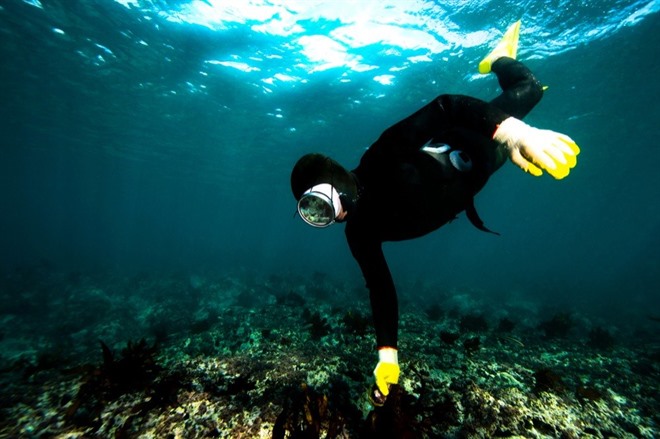
Fly to Jeju Island, South Korea's largest island and a UNESCO-listed volcanic landscape unlike anywhere else in the country. After lunch, visit Seongsan Ilchulbong, or Sunrise Peak, a volcanic crater that rises dramatically above the sea and rewards those who make the climb with panoramic views across Jeju's eastern coastline. Continue to the Jeju Haenyeo Museum to learn about the island's remarkable haenyeo, the women divers who have harvested seafood by free-diving for generations without the use of breathing equipment. Their traditions have been recognised by UNESCO as part of the world's intangible cultural heritage and remain one of Jeju's defining cultural identities. (B,L)
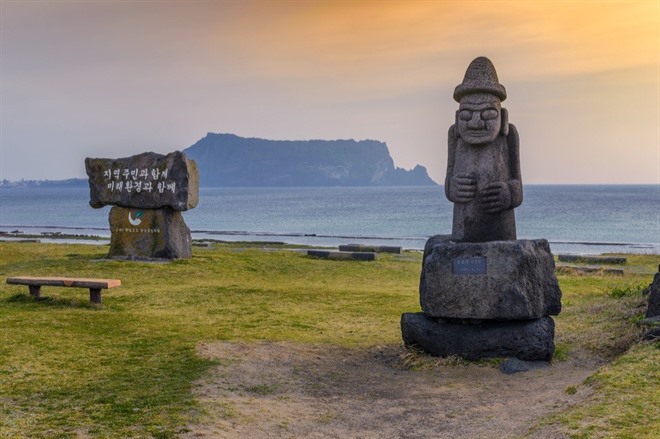
Explore another side of Jeju as you discover the island's volcanic origins and more recent history. Begin with a visit to the Jeju World Natural Heritage Center before hiking on Geomun Oreum, one of the island's many volcanic cones, where forest trails and crater viewpoints reveal the landscapes created by thousands of years of volcanic activity. Continue to the 4.3 Peace Memorial Hall, which commemorates the victims of the Jeju Uprising and offers an important insight into a chapter of Korean history that remained little discussed for decades. Later, visit Samseonghyeol, believed to be the birthplace of Jeju's legendary founders, before ending the day at Dongmun Market, where stalls selling fresh seafood, local produce and street food provide a lively introduction to the island's everyday flavours. (B)
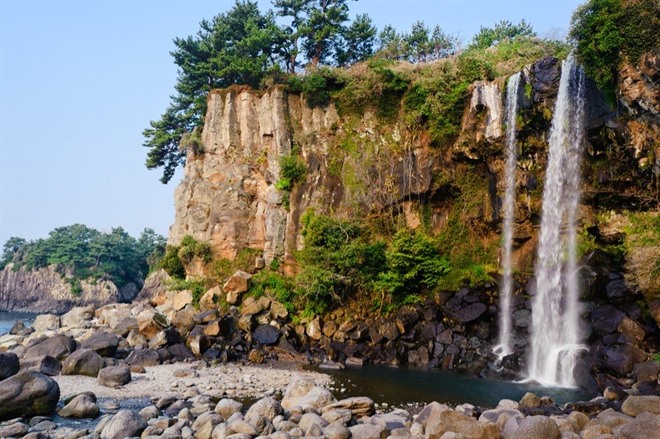
Your final full day showcases more of Jeju's spectacular coastline and natural landmarks. Begin at Jeongbang Waterfall, one of the few waterfalls in Asia that flows directly into the sea, before visiting Yakcheonsa Temple, one of the largest Buddhist temples in the country, known for its impressive prayer hall and towering Buddha statue. Continue to the striking Jusangjeolli Cliffs, where towering hexagonal lava columns meet the crashing waves, creating one of Jeju's most distinctive coastal landscapes. End the day at the O'sulloc Tea Museum, where you'll learn about Jeju's tea-growing heritage, stroll through the surrounding green tea fields and sample locally produced teas before returning to your hotel. (B)
Pricing Information
Price Includes
- Return international flights as per the itinerary
- All taxes and charges
- Accommodation and meals as specified
- Transfers as specified
- Activities and excursions as specified
- All entrance fees on sightseeing tours as specified
Price Includes
Price Excludes
- Travel Insurance
- Any meals not specified in the itinerary
- Tips and gratuities
- Optional excursions
Price Notes
- Price is based on 2 adults travelling together with a 1 June 2027 departure
- All flight rates are correct at the time of publication but remain subject to change by the airlines. The exact airfare and any applicable taxes or surcharges will be reconfirmed at the time of booking.
- Holiday and peak season surcharges are not included in the above prices. Additional charges may apply during peak travel periods, including 15 December to 10 January, and will be confirmed at the time of booking.
- This is a suggested itinerary that can be customised to suit your preferences. We can remove certain excursions or add other destinations as needed. This provides an overview of what you can experience in the area, but it is by no means exhaustive. Please reach out to one of our travel specialists who can assist you in creating your ideal holiday.
Tour Route Map
- South Korea, Seoul
- South Korea, Andong
- South Korea, Gyeongju
- South Korea, Busan
- South Korea, Jeju Island
Tour Accommodation
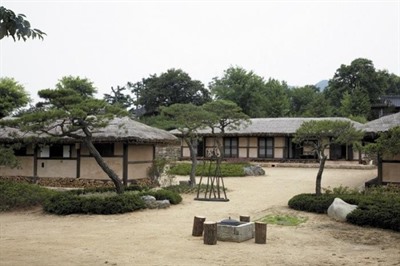
Image Gallery