- Spend a night in a working Buddhist temple and experience ancient Korean spiritual life
- Witness 80,000 hand-carved scripture blocks that have survived eight centuries at Haeinsa
- Peer into North Korea from the world's most heavily fortified border at the DMZ
- Hike through Mt. Seorak's dramatic peaks, a UNESCO Biosphere Reserve of rare natural beauty
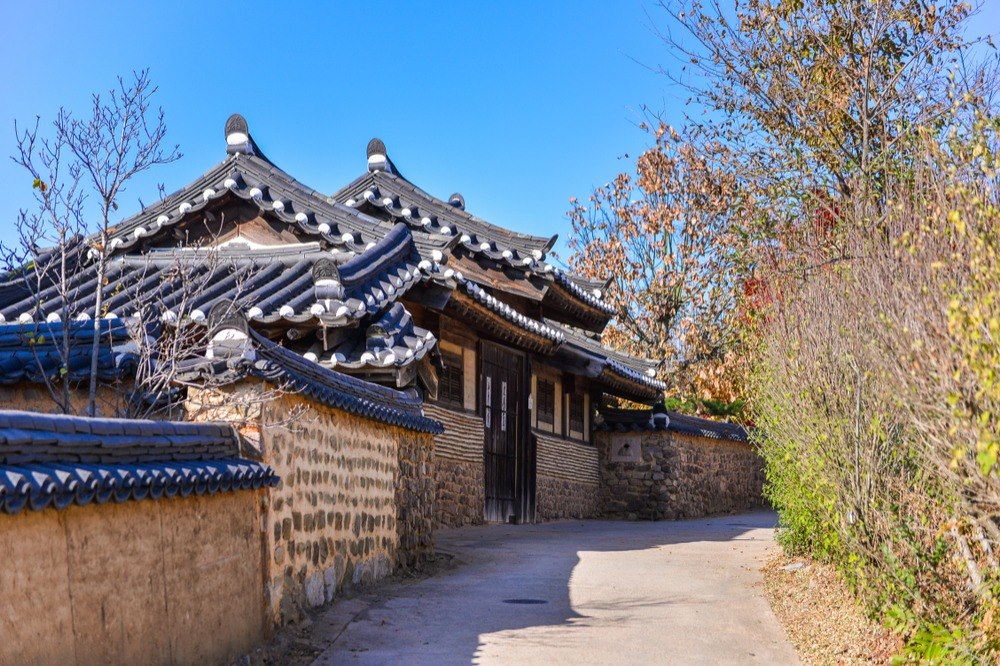
- Uncover Korea's traditional villages, where centuries-old customs are still proudly practised

Classic South Korea Group Tour 2027
| 2027 |
|---|
| 03 Jan - 14 Jan 17 Jan - 28 Jan 07 Feb - 18 Feb 21 Feb - 04 Mar 07 Mar - 18 Mar 21 Mar - 01 Apr 04 Apr - 15 Apr 18 Apr - 29 Apr 09 May - 20 May 23 May - 03 Jun 06 Jun - 17 Jun 20 Jun - 01 Jul 04 Jul - 15 Jul 18 Jul - 29 Jul 15 Aug - 26 Aug 29 Aug - 09 Sep 19 Sep - 30 Sep 26 Sep - 07 Oct 10 Oct - 21 Oct 24 Oct - 04 Nov 07 Nov - 18 Nov 21 Nov - 02 Dec 05 Dec - 16 Dec 12 Dec - 23 Dec |
Eleven days is the right amount of time to understand a country properly, and Korea rewards the extra effort in ways that a shorter trip simply cannot. This group tour covers the full breadth of South Korea, from the capital Seoul in the north all the way down to the coastal city of Busan, then back up through landscapes and communities that most visitors to Korea never reach. It is the kind of itinerary that suits travellers who want more than a highlights reel.
Seoul's palaces, markets and city views set the tone before the route heads south to Gyeongju, the ancient royal capital packed with a remarkable concentration of UNESCO World Heritage Sites, and Busan, with its colourful hillside neighbourhoods and legendary seafood markets. But what truly sets this itinerary apart is what comes after. You'll visit Haeinsa Temple in Mt. Gayasan National Park, home to over 80,000 intricately carved wooden Buddhist scripture blocks dating back to the 13th century, then spend a night actually staying inside a working Buddhist temple, eating vegetarian food and participating in ceremonies. From there, the route heads to the DMZ, the heavily fortified border with North Korea, offering a sobering but fascinating insight into the divided history of the peninsula, before finishing at Mt. Seorak National Park, one of Korea's most dramatic natural landscapes. Transport and breakfast throughout are taken care of, leaving you free to focus on one of Asia's most rewarding travel experiences.
Tour Itinerary
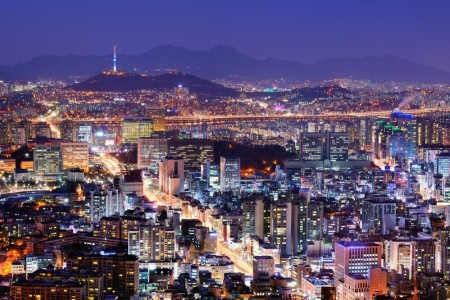
Upon arrival at Incheon International Airport, you will be greeted by our driver and transferred to your hotel. The rest of the day is yours to enjoy at your leisure or to rest.
Seoul is a city that takes a little time to read, and today gives you the space to start doing that. The view from N Seoul Tower on Mt. Namsan stretches across the entire city, giving you a useful sense of its scale before you dive in. The National Museum of Korea, one of the largest in the world, provides essential context for everything you'll see on this trip, covering Korean history from its earliest civilisations through to the modern era.
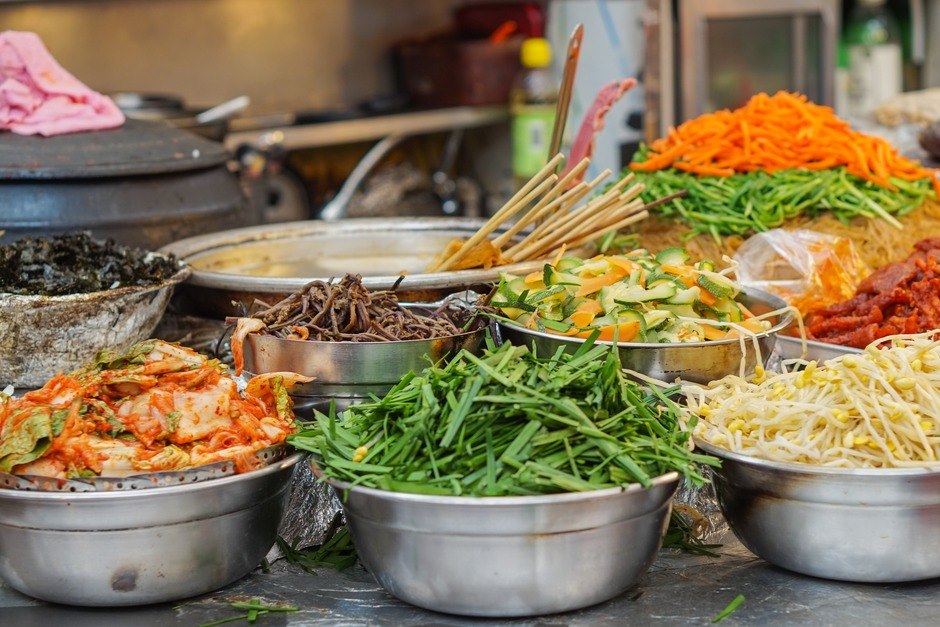
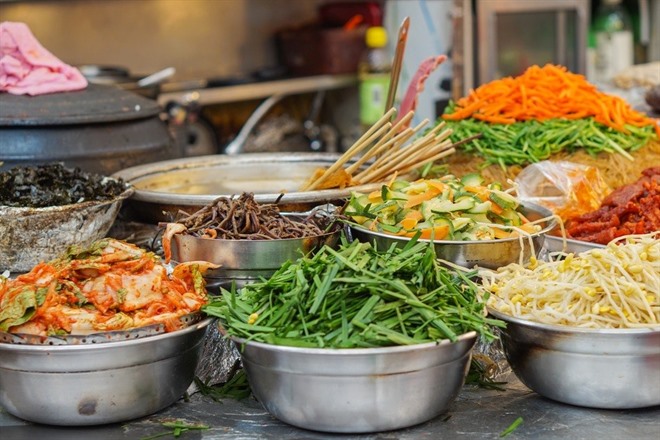
The afternoon moves through COEX Mall's extraordinary Byeolmadang Library, a vast open space lined floor to ceiling with over 70,000 books, then on to Gwangjang Market, Seoul's oldest traditional market, and Myeongdong, the city's most energetic district for street food and local culture. (B)
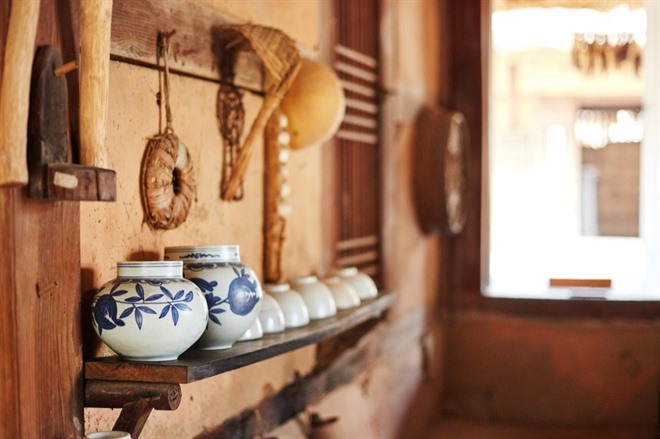
This day starts with a visit to Changdeokgung Palace, a UNESCO World Heritage Site that dates back to 1405 and remains one of the most graceful examples of Joseon Dynasty architecture in the country. Its surrounding secret garden, largely untouched for centuries, is one of Seoul's genuine hidden rewards.
From the city, the route heads to the Korean Folk Village, where traditional Korean life from the 18th and 19th centuries is preserved and actively demonstrated. Craftspeople, farmers and performers bring the history to life in ways a museum cannot. The day ends in Gyeongju, a city that served as the royal capital of the Silla Kingdom for nearly a thousand years and holds more historical landmarks per square kilometre than almost anywhere else in Korea. (B)
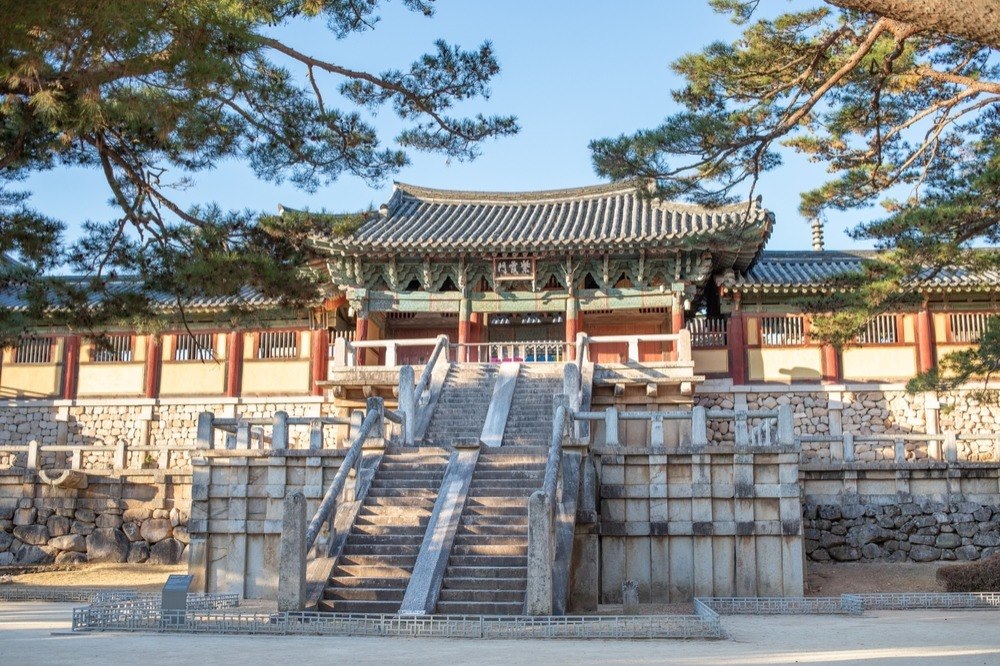
Few places in Korea carry as much historical weight as Gyeongju, and a full day here is well spent. Bulguksa Temple, a UNESCO World Heritage Site built in 528 AD, is widely regarded as one of the greatest surviving examples of Buddhist architecture in Asia. Nearby, Seokguram Grotto, also UNESCO-listed, shelters a serene stone Buddha carved in the 8th century, positioned to face the rising sun over the East Sea. The craftsmanship involved is extraordinary, and its setting on the slopes of Mt. Toham makes the visit all the more striking.
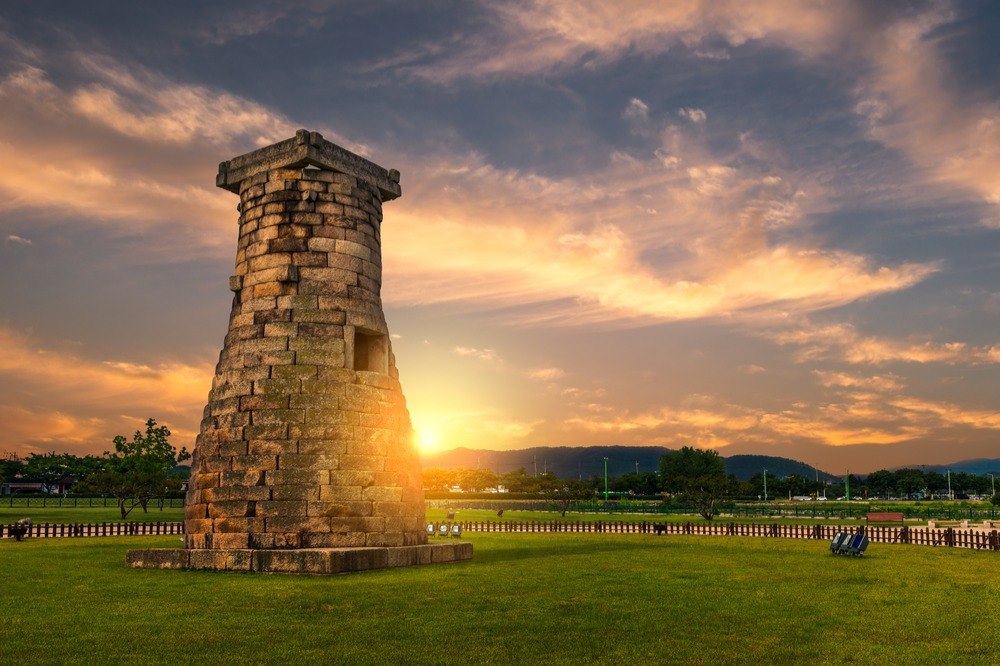
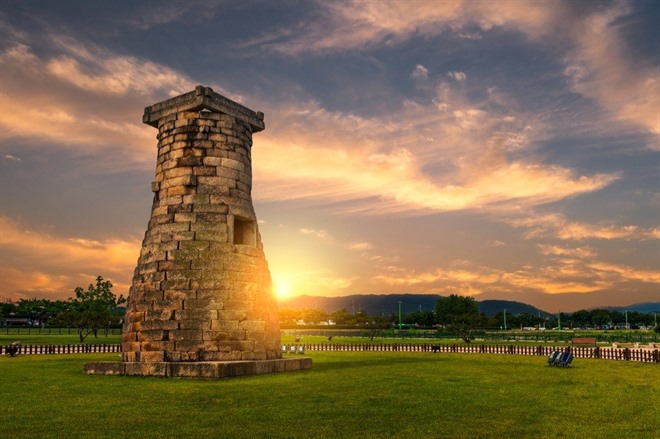
The afternoon visits Cheomseongdae Observatory, built in the 7th century and one of the oldest surviving astronomical structures in Asia, followed by Royal Tumuli Park, where you can walk inside an excavated royal tomb and see first-hand how the Silla kings were buried. (B)
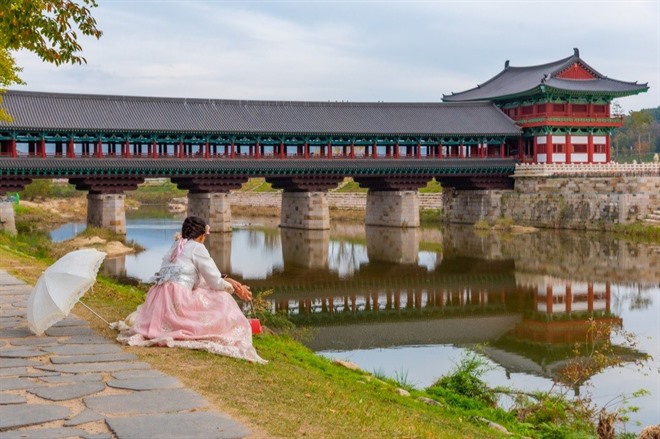
The morning is spent at Gyochon Traditional Village, where you can dress in hanbok, the elegant traditional Korean attire that dates back over a thousand years, and walk through the surrounding historic neighbourhood to the restored Woljeonggyo Bridge. It is a gentle and memorable way to spend a morning before the pace shifts.
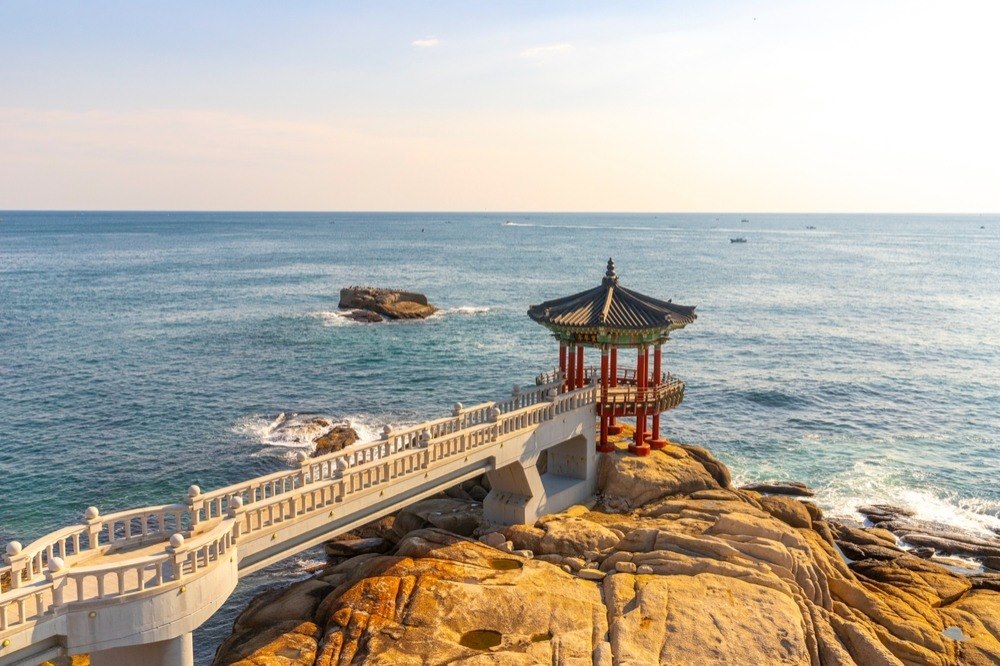
Busan, Korea's second largest city and a working port with real character, is a stark and welcome contrast to the ancient sites of Gyeongju. The afternoon introduces you to Haedong Yonggungsa, a Buddhist temple built directly on the rocky coastline with open sea views, unlike the vast majority of Korean temples, which sit deep in mountain forests. The day closes at Haeundae Beach and the Oryukdo Skywalk, a glass-floored platform suspended over the cliffs above the water. (B)
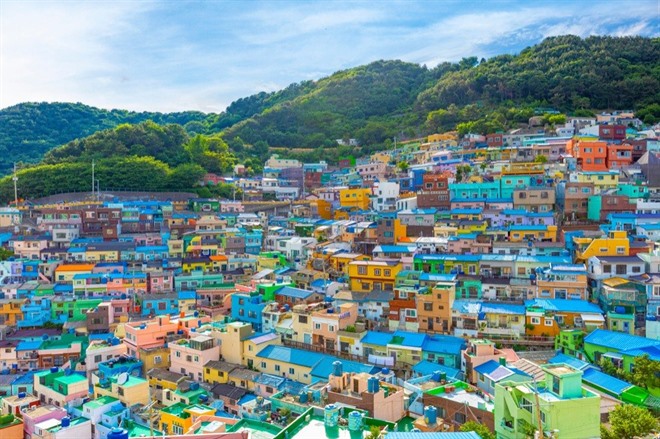
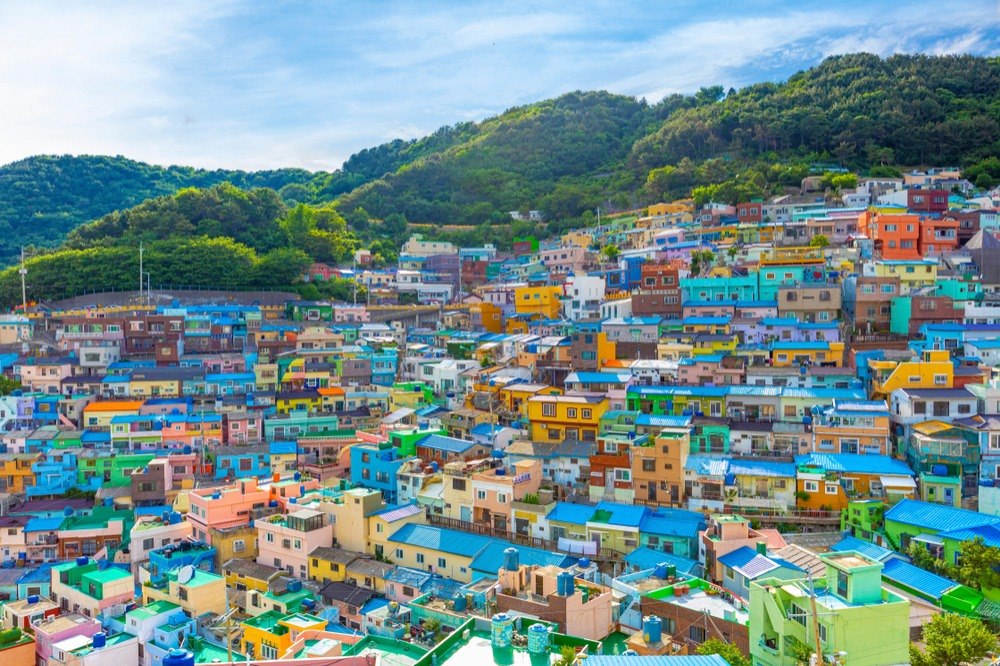
Busan has a distinct identity that sets it apart from anywhere else on this itinerary. Gamcheon Culture Village tumbles down a steep hillside in a dense patchwork of colourful houses, murals and narrow alleyways, with independent cafes and art installations tucked around every corner. The Songdo Marine Cable Car carries you out over the sea, offering views of the coastline and cliffs that are difficult to match from the ground. Jagalchi Market, Korea's most famous seafood market, is a vivid and bustling place where the daily catch is laid out in extraordinary variety.
The afternoon moves through BIFF Square and Nampodong Shopping Street before finishing at Arte Museum Busan, where large-scale digital art installations fill entire rooms with light, sound and colour in a way that stays with you long after you leave. (B)
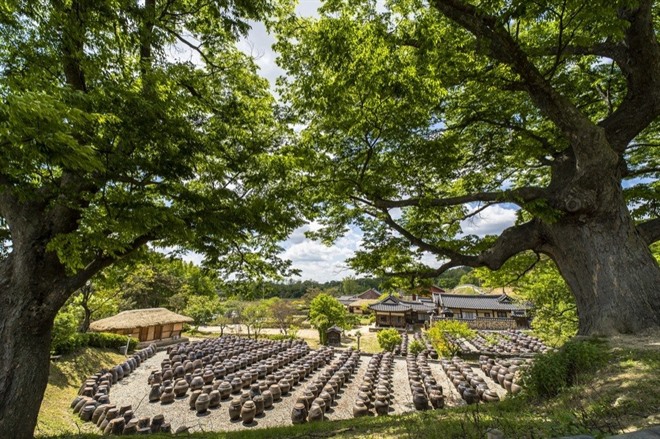
Today covers significant ground and rewards every kilometre. The first stop is Haeinsa Temple, set within Mt. Gayasan National Park, one of Korea's most revered natural landscapes. The temple is home to the Tripitaka Koreana, a collection of over 80,000 wooden printing blocks hand-carved with Buddhist scriptures during the 13th century Goryeo Dynasty. Created as a spiritual act of protection against Mongol invasion, the collection is a UNESCO World Cultural Heritage site and one of the most remarkable human achievements you are likely to encounter on any trip.
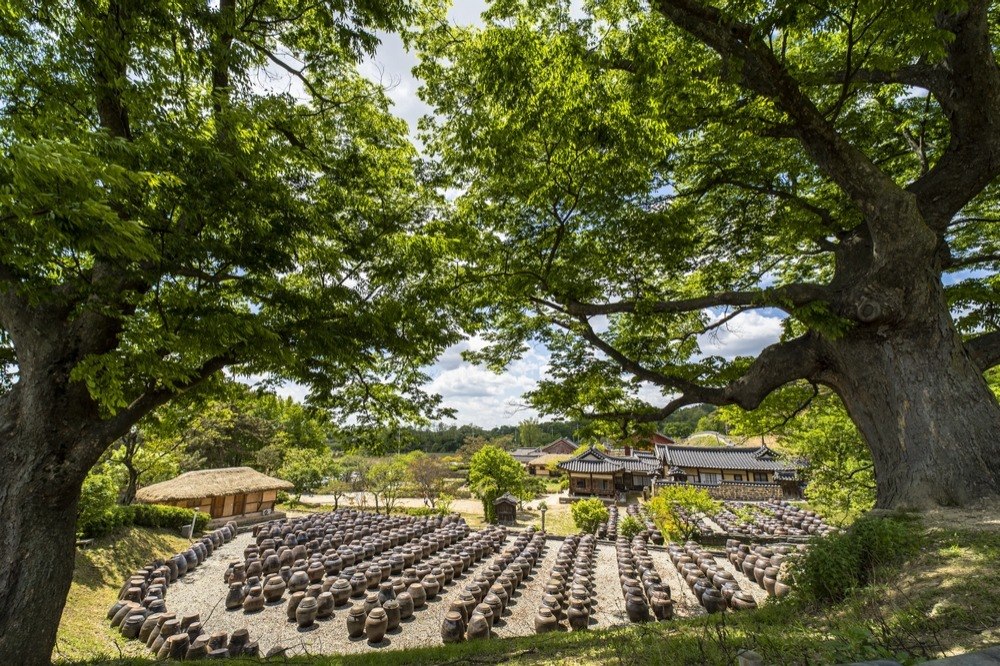
From there, the route continues to Andong, a city that has preserved traditional Korean noble culture more carefully than almost anywhere else in the country. Hahoe Folk Village, another UNESCO World Heritage Site, is famous for its centuries-old mask dance tradition, still performed today. The day ends in Chungju. (B)
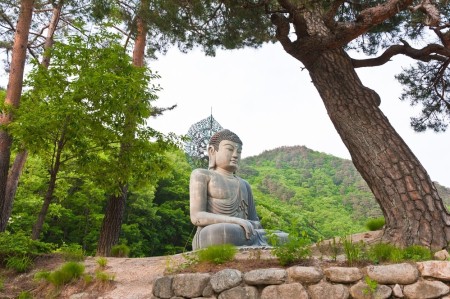
After a morning boat ride across Chungju Lake, where the surrounding mountains reflect across still water in one of Korea's most quietly beautiful landscapes, the group transfers to one of three carefully selected Buddhist temples for an overnight temple stay. This is one of the most distinctive experiences on the entire itinerary. You will change into temple uniform, receive an orientation into daily monastic life, share a simple vegetarian dinner, join the evening Buddhist ceremony and sleep in a traditional Korean-style room on the floor. It is an immersive and grounding experience that offers a perspective on Korean culture that no museum or guidebook can provide. Guests who prefer hotel accommodation can arrange this at the time of booking. (B,D)
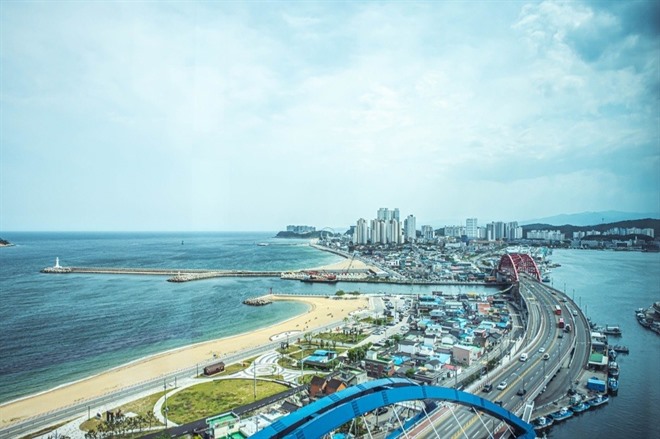
Leaving the temple, the route heads north to Goseong and the DMZ Unification Observatory, the closest publicly accessible point from which you can see into North Korea. The Korean peninsula has been divided since 1953 and the weight of that history is tangible here. The on-site DMZ Museum provides clear and considered context for one of the most consequential geopolitical situations of the modern world.
From there, the group continues to Sokcho Tourist and Fishery Market, a lively coastal market known for its fresh seafood straight from the East Sea, including squid, crab and fish caught the same morning. The day ends at the foot of Mt. Seorak, one of Korea's most celebrated mountain ranges, where the overnight stay is based. (B)
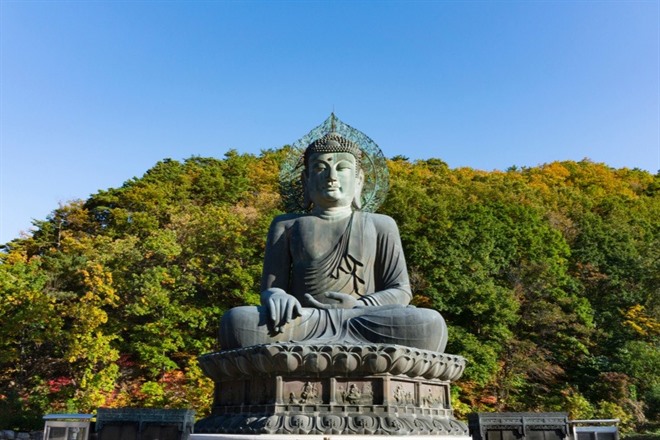
Mt. Seorak is the kind of landscape that reminds you why travelling slowly through a country matters. Rugged granite peaks rise sharply above dense forest, and the park changes character dramatically with the seasons, from deep greens in summer to vivid reds and golds in autumn. A cable car ride up to Gwongeumseong Fortress delivers views across the range that are genuinely hard to forget, while a visit to Shinheungsa Temple, nestled among the rocks at the base of the mountains, adds another layer of contemplative calm. The park holds UNESCO Biosphere Reserve status, recognising both its ecological importance and its exceptional natural beauty.
The afternoon brings the group back to Seoul for a final night, with the rest of the evening free to spend as you choose. (B)
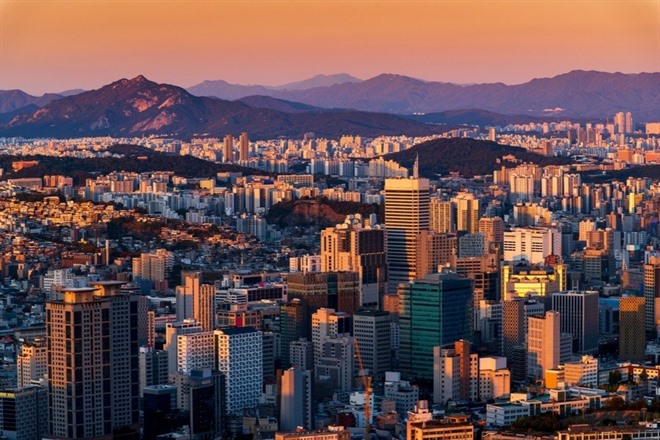
A final breakfast in Seoul before checking out. Guests make their own way to Incheon International Airport. Airport transfers are not included in the package but can be arranged on request. (B)
Pricing Information
Price Includes
- Return International flights as per the itinerary
- All taxes & charges
- Accommodation and meals as specified
- Transfers as specified
- Activities and excursions as specified
- All entrance fees on sightseeing tours as specified
Price Includes
Price Excludes
Price Notes
- This group tour is operated in conjunction with our local partners and is not exclusive to Regent Holidays’ clients.
- Minimum 1, Maximum 30 people
- Upgraded hotel options are available.
- Each guest may bring one carry-on and one checked suitcase; any extra luggage must be stored at the Seoul hotel on Day 4 before the tour departs.
- For the Templestay programme, accommodation is in shared, gender-separated Korean-style temple rooms (2–6 people, no beds); private rooms aren’t available, but guests can choose a 3-star hotel on Day 9 with breakfast included and rejoin the group on Day 10 (no guide assistance during the hotel stay).
- Flight costs are subject to change and will be confirmed based on the fare available at the time of quotation and booking.
| Itinerary Dates | From Price | Single Room Supp. | |
|---|---|---|---|
|
03 Jan 2027
-
14 Jan 2027
|
£3200 | £795 | |
|
17 Jan 2027
-
28 Jan 2027
|
£3200 | £795 | |
|
07 Feb 2027
-
18 Feb 2027
|
£3200 | £795 | |
|
21 Feb 2027
-
04 Mar 2027
|
£3200 | £795 | |
|
07 Mar 2027
-
18 Mar 2027
|
£3200 | £795 | |
|
21 Mar 2027
-
01 Apr 2027
|
£3200 | £795 | |
|
04 Apr 2027
-
15 Apr 2027
|
£3200 | £795 | |
|
18 Apr 2027
-
29 Apr 2027
|
£3200 | £795 | |
|
09 May 2027
-
20 May 2027
|
£3200 | £795 | |
|
23 May 2027
-
03 Jun 2027
|
£3200 | £795 | |
|
06 Jun 2027
-
17 Jun 2027
|
£3200 | £795 | |
|
20 Jun 2027
-
01 Jul 2027
|
£3200 | £795 | |
|
04 Jul 2027
-
15 Jul 2027
|
£3200 | £795 | |
|
18 Jul 2027
-
29 Jul 2027
|
£3200 | £795 | |
|
15 Aug 2027
-
26 Aug 2027
|
£3200 | £795 | |
|
29 Aug 2027
-
09 Sep 2027
|
£3200 | £795 | |
|
19 Sep 2027
-
30 Sep 2027
|
£3200 | £795 | |
|
26 Sep 2027
-
07 Oct 2027
|
£3200 | £795 | |
|
10 Oct 2027
-
21 Oct 2027
|
£3200 | £795 | |
|
24 Oct 2027
-
04 Nov 2027
|
£3200 | £795 | |
|
07 Nov 2027
-
18 Nov 2027
|
£3200 | £795 | |
|
21 Nov 2027
-
02 Dec 2027
|
£3200 | £795 | |
|
05 Dec 2027
-
16 Dec 2027
|
£3200 | £795 | |
|
12 Dec 2027
-
23 Dec 2027
|
£3200 | £795 |
Tour Route Map
- South Korea, Seoul
- South Korea, Gyeongju
- South Korea, Busan
- South Korea, Chungju
- South Korea, Mt Seorak
- South Korea, Seoul
Tour Accommodation
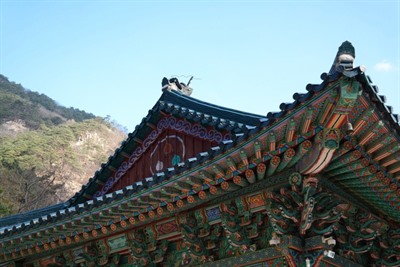
Image Gallery