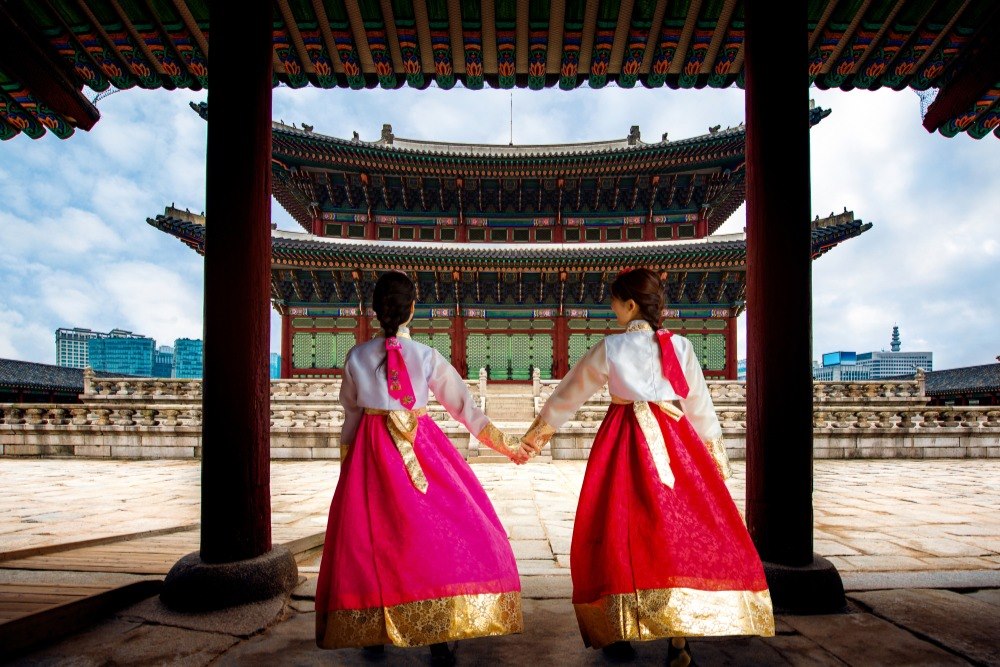
- Uncover Seoul's layered history, from royal palaces to living heritage villages
- Stand at the North Korean border and feel the weight of a divided nation
- Explore Gyeongju, an open-air museum of Silla Kingdom tombs and temples
- Hike through Namsan Mountain's hillside temples, tombs and stone Buddhas
- Taste, cook and explore your way through Busan's legendary food scene

South Korea At A Glance
South Korea sits at the crossroads of two worlds: a country where ancient kingdoms left behind palaces and UNESCO-listed tombs, and a modern powerhouse that's reshaped global culture, food, and technology. This itinerary takes you through the best of both, travelling from the capital Seoul down to the historic city of Gyeongju and then on to the coastal city of Busan.
You'll spend four days in Seoul, starting at the Gyeongbokgung Palace complex, built in the 14th century and the seat of the Joseon Dynasty, and the neighbouring Bukchon Hanok Village where people still live in traditional wooden houses that date back centuries. A day trip to the Demilitarised Zone, the heavily fortified border with North Korea, is one of the more unusual and thought-provoking experiences you can have anywhere in Asia. From Seoul, a KTX high-speed train takes you south to Gyeongju, once the capital of the Silla Kingdom and now an open-air museum of royal tombs and Buddhist temples, including the carved stone grotto of Seokguram. The trip ends in Busan, a port city wedged between mountains and sea, where a cooking class, a colourful hillside neighbourhood, and a sprawling seafood market round things out on a distinctly local note.
Tour Itinerary
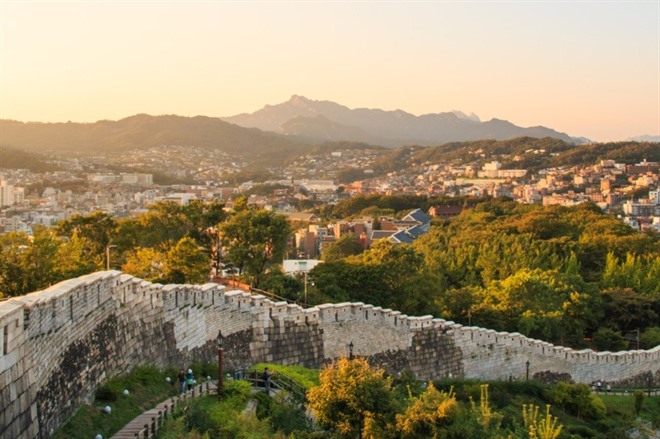
Touch down at Incheon International Airport and transfer to your hotel in Seoul. The rest of the day is yours to settle in and get your bearings in one of Asia's most dynamic cities.
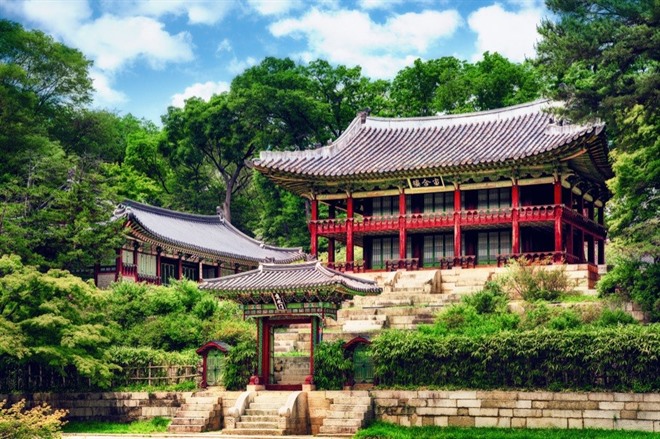
Today you'll explore central Seoul on foot and by public transport, getting under the skin of the city in a way a private transfer never could. Start at Gwanghwamun Square, where statues of King Sejong, creator of the Korean alphabet, and Admiral Yi Sun-Sin, the naval hero who repelled Japanese invasions, set the tone for the day. Move on to Gyeongbokgung Palace, the grand 14th-century seat of the Joseon Dynasty, where the Changing of the Guard ceremony is still performed at the main gate. The afternoon takes you to Insadong's craft shops and tea houses, then to the quiet lanes of Bukchon Hanok Village, a neighbourhood of traditional wooden houses that people still call home. (B,L)
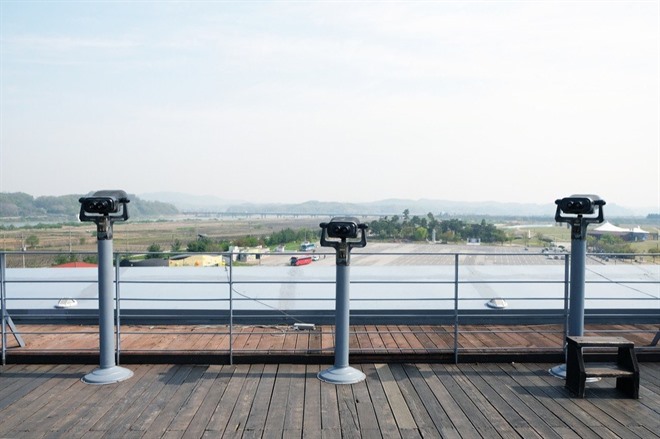
A guided day trip to the Demilitarised Zone, the 160-mile buffer that has divided the Korean peninsula since 1953. You'll visit the 3rd Infiltration Tunnel, dug secretly by North Korea, stand at the Dora Observatory for views across the border, and walk through Imjingak Park, a place of deep significance for the millions of Korean families still separated by the divide. It's sobering and unlike anywhere else on earth. The evening is free to explore Seoul independently. (B)
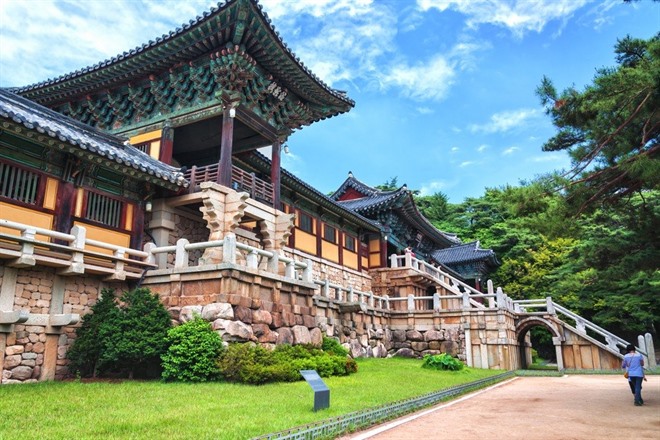
Board the KTX high-speed train south to Gyeongju, once the capital of the Silla Kingdom for nearly a thousand years and now a UNESCO World Heritage Site. Arrive to find a city that wears its history openly: grass-covered royal tombs rise from the ground like hills, and Buddhist temples cling to mountain slopes. This afternoon visits the Seokguram Grotto, an 8th-century stone Buddha carved into a granite cave, and Bulguksa Temple, a masterpiece of Silla-era architecture. End the day at the vast Daereungwon Tomb Complex, where 23 royal burial mounds from the Silla period cluster together in a single park. (B)
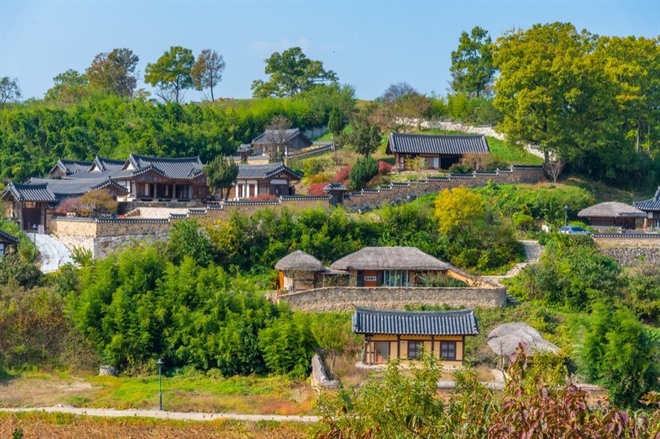
This morning, lace up your boots for a hike through Namsan Mountain, a sacred site scattered with over 100 temple sites, 80 stone Buddha statues and 60 stone pagodas along its trails. It's one of the most rewarding ways to experience Gyeongju beyond the main sights. After lunch, head to Yangdong Folk Village, a UNESCO-listed Joseon-era settlement of tiled and thatched houses set against terraced hillsides, still inhabited by descendants of the original aristocratic families. The day ends at a 500-year-old hanok house for a traditional rice wine brewing workshop, learning the ancient art of Cheongju-making before tasting the results. (B,L)
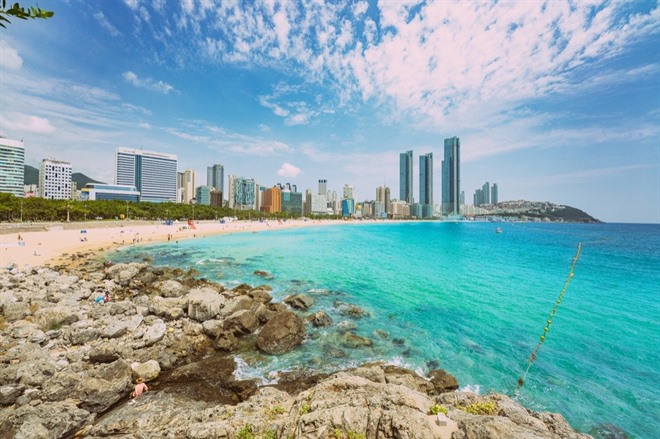
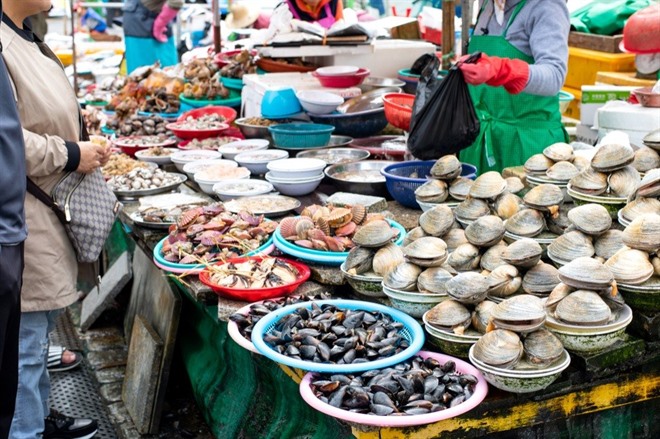
Drive south to Busan, South Korea's second city and a place with a very different energy to what's come before. Set between mountains and the sea, it's a city of beaches, markets and big views. Today takes in the Modern History Museum for context on Busan's turbulent wartime past, then Gukje Market, which began as a refugee market during the Korean War and has been trading ever since. After lunch, explore BIFF Street, the lively heart of the city's film culture, and Jagalchi Market, the country's largest seafood market. The afternoon ends at Gamcheon Culture Village, a steep hillside of brightly painted houses and art installations that began as a refugee settlement and has since become one of the city's most photographed neighbourhoods. (B,L)
Start the morning with a hands-on Korean cooking class, learning to make bibimbap, one of Korea's most beloved dishes, a colourful bowl of rice, vegetables, egg and gochujang chilli paste. After eating what you've made, the afternoon visits Beomeosa Temple, a serene Buddhist complex on the forested slopes of Geumjeongsan Mountain, followed by a walk through Ahopsan Bamboo Forest, a 400-year-old grove of towering bamboo that feels a world away from the city below. (B,L)
Pricing Information
Price Includes
- Return international flights as per the itinerary
- All taxes and charges
- Accommodation and meals as specified
- Transfers as specified
- Activities and excursions as specified
- All entrance fees on sightseeing tours as specified
Price Includes
Price Excludes
- Travel Insurance
- Any meals not specified in the itinerary
- Tips and gratuities
- Optional excursions
Price Notes
- Price is based on 2 adults travelling together with a 1 February 2027 departure
- All flight rates are correct at the time of publication but remain subject to change by the airlines. The exact airfare and any applicable taxes or surcharges will be reconfirmed at the time of booking.
- Holiday and peak season surcharges are not included in the above prices. Additional charges may apply during peak travel periods, including 15 December to 10 January, and will be confirmed at the time of booking.
- This is a suggested itinerary that can be customised to suit your preferences. We can remove certain excursions or add other destinations as needed. This provides an overview of what you can experience in the area, but it is by no means exhaustive. Please reach out to one of our travel specialists who can assist you in creating your ideal holiday.
Tour Route Map
- South Korea, Seoul
- South Korea, Gyeongju
- South Korea, Busan
- South Korea, Seoul
Tour Accommodation
Image Gallery