- Travel effortlessly across Laos, China and Vietnam on Asia's modern rail network
- Explore UNESCO-listed Luang Prabang by tuk tuk, river cruise and waterfall hike
- Discover Yunnan's dramatic landscapes, ancient grottoes and remarkable Stone Forest
- Meet local communities through Khmu cooking and Red Dao village experiences
- Sail through Halong Bay before discovering Hanoi's hidden streets and local flavours

The Great Train Journey: Laos, China & Vietnam Rail Holiday
Forget rushing between airports on this immersive rail journey through Laos, China and Vietnam. Ideal for adventurous travellers looking to explore beyond the usual routes, this carefully planned holiday combines modern rail travel with time to properly experience each destination. Travel from UNESCO-listed Luang Prabang and the forests of northern Laos to Yunnan’s dramatic landscapes, before crossing into Vietnam’s rice-terraced mountains and lively capital.
Along the way, cruise the Mekong to the sacred Pak Ou Caves, swim beneath Kuang Si Waterfalls, discover Khmu food and culture, and explore Kunming’s remarkable Stone Forest. Stay among the mountains and Red Dao villages near Sapa before experiencing Hanoi’s vibrant streets and cruising through the limestone islands of Halong Bay. With all trains, border crossings, transfers and guided experiences arranged for you, this is a seamless way to discover a fascinating corner of Asia.
Tour Itinerary
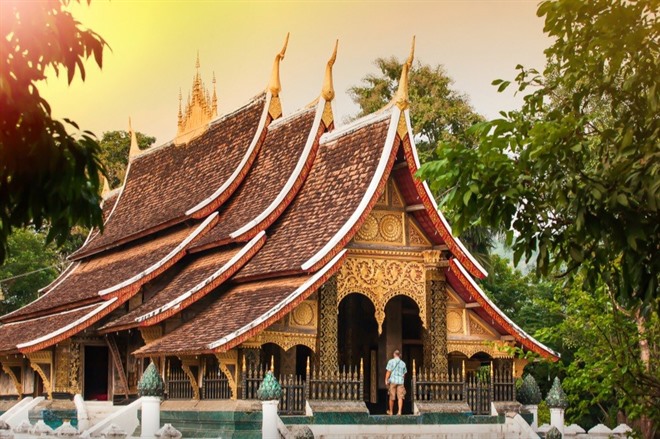
Arrive in Luang Prabang, the former royal capital of Laos, where your guide will meet you and transfer you to your hotel. The city sits between the Mekong and Nam Khan rivers and is known for its low-rise streets, Buddhist temples and well-preserved traditional architecture. The rest of the day is free, giving you time to recover from the journey or begin exploring independently.
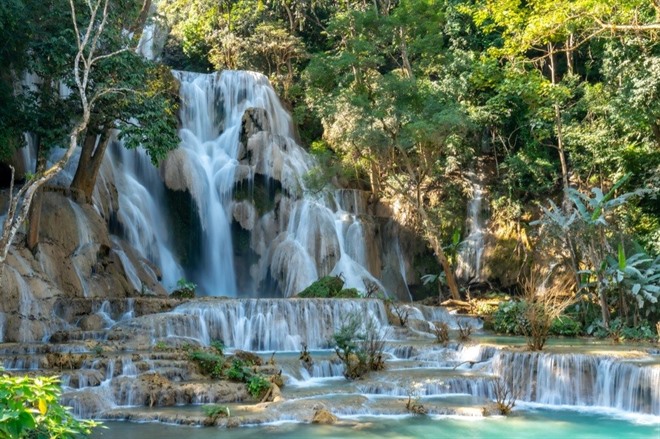
Explore Luang Prabang by tuk tuk, beginning at the morning market before climbing Phou Si Hill for views across the town and surrounding hills. Continue to Heuan Chan Heritage House to learn more about the city’s architecture and history, then visit Wat Xieng Thong, one of Luang Prabang’s most important temples, and nearby Wat Khili. Later, travel into the countryside and stop at a Hmong ethnic village to learn more about their local ways of life, then proceed to Kuang Si Waterfalls. The falls descend through a series of pale turquoise pools surrounded by dense greenery, creating one of northern Laos’s most recognisable landscapes. There is time to swim in its different pools before returning to Luang Prabang. (B)
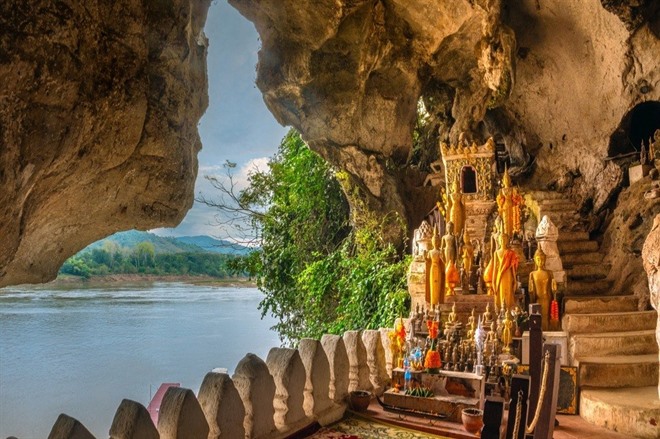
Travel by tuk tuk to the river and board a shared cruise heading upstream along the Mekong. The river remains central to life in Laos, connecting settlements, farms and temples throughout the north. Stop at Ban Xang Hai, a village associated with the traditional production of rice alcohol, before continuing to the Pak Ou Caves. Set into limestone cliffs above the river, the caves contain thousands of Buddha images that have been placed there over generations by pilgrims and local worshippers. Enjoy lunch on board as you travel through the quiet river landscape, then return to Luang Prabang. The remainder of the day is free to explore the city independently or relax at your hotel. (B,L)
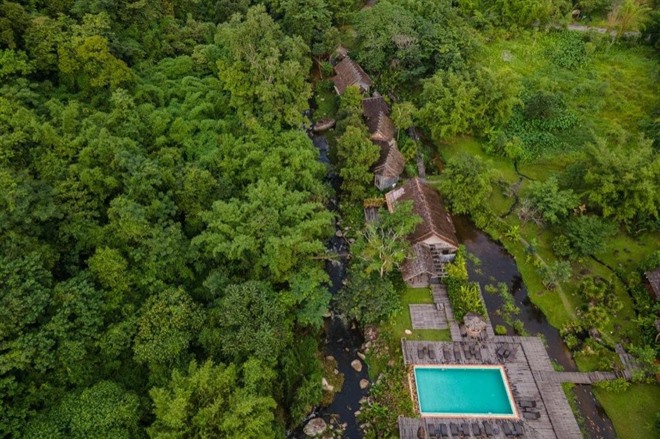
Spend the morning at leisure in Luang Prabang, perhaps walking through the narrow streets or stopping for coffee beside the Mekong or Nam Khan River. Later, transfer to the station and travel by modern train to Oudomxay in northern Laos. On arrival, continue by road to Namkat Yorla Pa, a nature resort set beside the Nam Kat River within a protected forest area. The surrounding region is known for its mountains, woodland and small rural communities, offering a marked contrast to Luang Prabang. After checking in, the rest of the day is free to settle into the resort, enjoy the pool and take in the peaceful forest setting. (B)
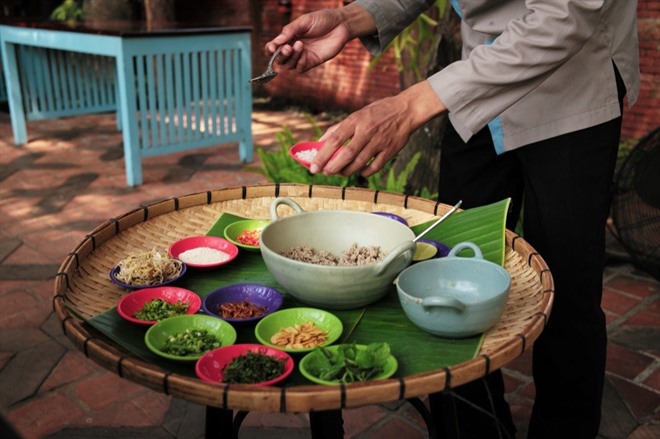
Enjoy a relaxed morning at Namkat Yorla Pa, with time to make use of the resort facilities or simply enjoy the surrounding forest. Later, travel with a chef to a nearby Khmu village. The Khmu are one of the largest ethnic groups in Laos, particularly across the mountainous north. Spend time learning about daily village life before joining a hands-on cooking class using local ingredients and traditional techniques passed down through generations. Prepare a selection of Khmu dishes with guidance from the chef, then sit down to enjoy the meal you have made. The experience offers a practical introduction to local food culture while supporting a more personal understanding of the communities living in this remote part of Laos. (B,D)
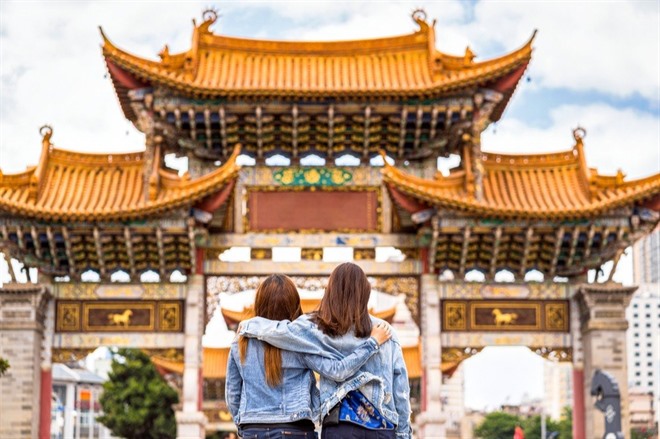
Leave Namkat and transfer to Oudomxay station for the international train journey into China. The modern rail service provides a straightforward connection between northern Laos and Yunnan, avoiding the need to backtrack through airports or undertake long road journeys. During the trip, you will complete immigration formalities at Boten on the Lao side of the border and again at Mohan after entering China. Continue north to Kunming, the capital of Yunnan Province, where your guide will meet you on arrival and transfer you to your hotel - Grand Park Kunming.
Kunming is a major regional city and an important gateway to southwest China, surrounded by lakes, mountains and areas inhabited by several ethnic minority communities. The evening is free to relax or explore the restaurants near your hotel. (B)
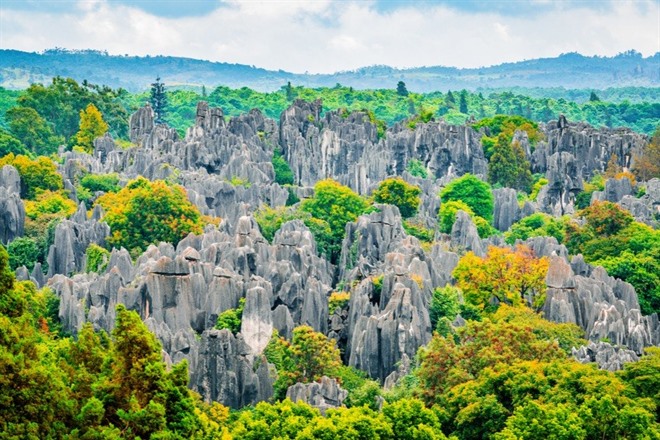
Travel outside Kunming to the Stone Forest, one of Yunnan’s most distinctive natural sites. The landscape is formed from tall limestone pillars, narrow passages and jagged rock formations that resemble a dense forest made from stone. Follow the network of paths through the formations, where viewpoints reveal different sections of the limestone landscape, along with ponds and open areas between the rocks. The region is also associated with the Sani people, a branch of the Yi ethnic group, whose traditions form an important part of local culture. Your visit offers an introduction not only to Yunnan’s geology but also to the communities that have lived around the Stone Forest for generations. Return to Kunming after exploring the site. (B)
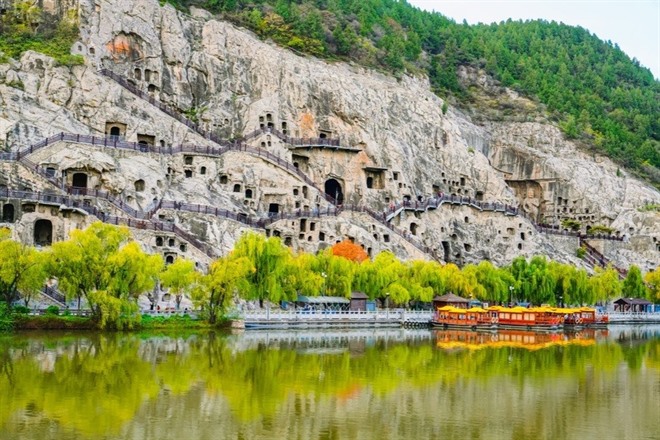
Explore the natural and cultural landscapes surrounding Kunming, beginning with the Western Hills. The hills rise beside Dian Lake and are crossed by wooded paths, temples and viewpoints overlooking the city and water below. Continue to the Longmen Grottoes, where statues, chambers and religious carvings have been cut directly into the cliffs. The site reflects the importance of Buddhist and Taoist traditions in the region and rewards visitors with impressive views across the lake. You will also spend time beside Dian Lake, the largest freshwater lake in Yunnan. Surrounded by hills and parkland, the lake provides a quieter perspective on Kunming and the scale of the landscape around the provincial capital. (B)
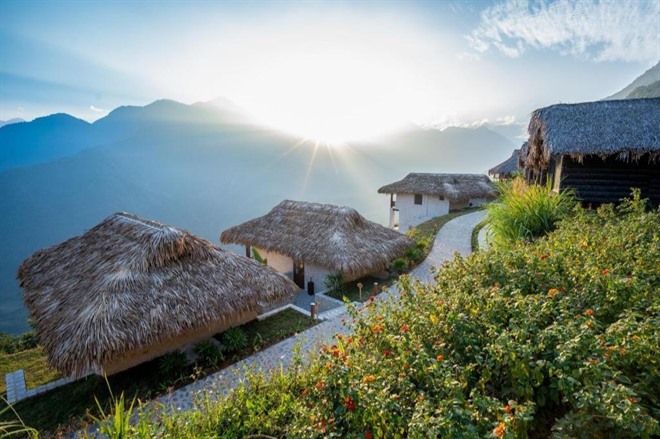
Travel by train from Kunming to Hekou, close to China’s border with Vietnam. After completing the border formalities, cross into Lao Cai, where your Vietnamese guide will meet you. Continue by road into the Hoang Lien Mountains to Topas Ecolodge, set on a hillside outside Sapa. The drive introduces the steep valleys and terraced slopes that define this part of northern Vietnam. Built using materials and design details influenced by local stilt houses, the lodge looks across rice terraces, mountains and small rural settlements. Its remote position provides a peaceful base for exploring the surrounding villages while avoiding the busier centre of Sapa. Settle into your bungalow and enjoy the mountain setting for the remainder of the day. (B)
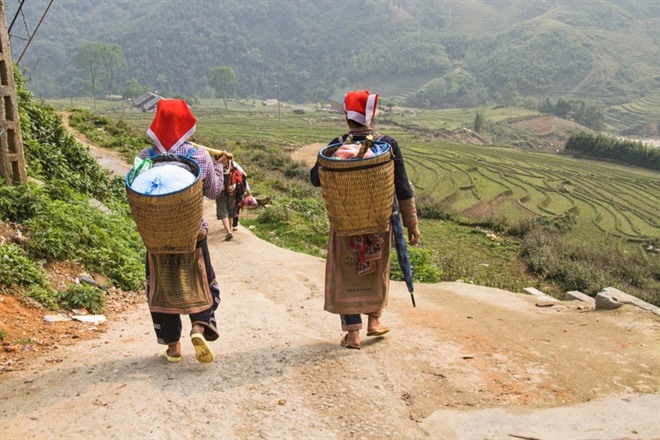
Set out on foot from Topas Ecolodge and descend into a valley shaped by rice terraces and small-scale farming. Cross a stream and continue uphill towards Lech village, home to members of the Red Dao community. During the walk, your guide will explain how local families farm the steep slopes and how village life is adapted to the mountain environment. In Lech, learn about Red Dao customs, traditional dress and embroidery, which remains an important skill within the community. The return route passes through further terraces and crosses a suspension bridge before leading back towards the lodge. The walk covers around seven kilometres and provides a close-up view of both the landscape and everyday life in the Hoang Lien Mountains. (B)
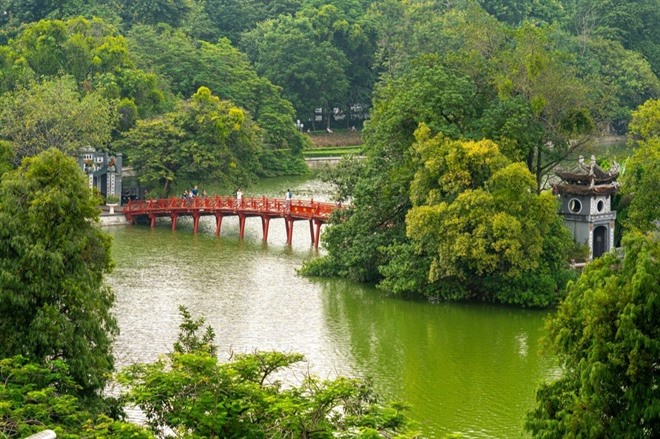
Leave the mountains and travel by road to Hanoi, Vietnam’s capital. After arriving and settling into your hotel, begin exploring the city on foot. Walk past the Ho Chi Minh Mausoleum and the historic citadel before continuing along Phan Dinh Phung, one of Hanoi’s most attractive tree-lined streets. Pause at a local pavement café for traditional lemon tea, Vietnamese coffee or a Hanoi beer, then continue towards Dong Xuan Market. From here, board an electric buggy for a tour through the narrow streets of the Old Quarter and around Hoan Kiem Lake. The route provides a useful first introduction to Hanoi’s layered character, where historic buildings, markets, cafés and busy neighbourhood streets sit side by side. (B)
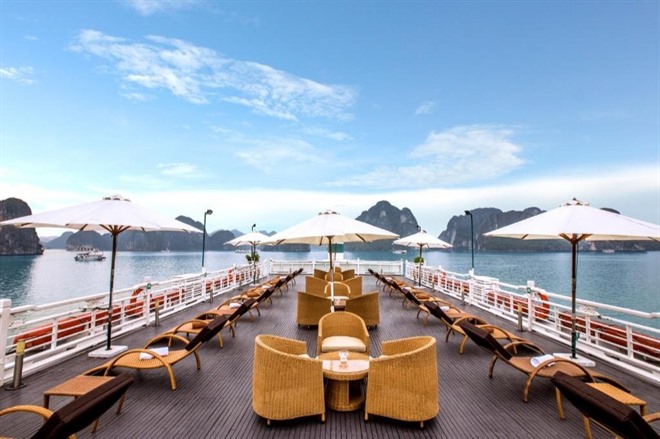
Travel from Hanoi to Halong Bay and board a traditional-style junk boat for an overnight cruise through Halong and Lan Ha bays. After lunch on board, begin sailing among the limestone islands and steep rock formations that rise from the water. The exact route depends on weather and local conditions, allowing the crew to choose quieter areas for exploration and relaxation. Spend the afternoon enjoying the scenery from the deck, taking part in the planned activities or simply watching the changing landscape as the boat moves deeper into the bay. Later, you may join a cooking demonstration or enjoy a drink on the sundeck before dinner. Overnight in a private en-suite cabin on board. (B,L,D)
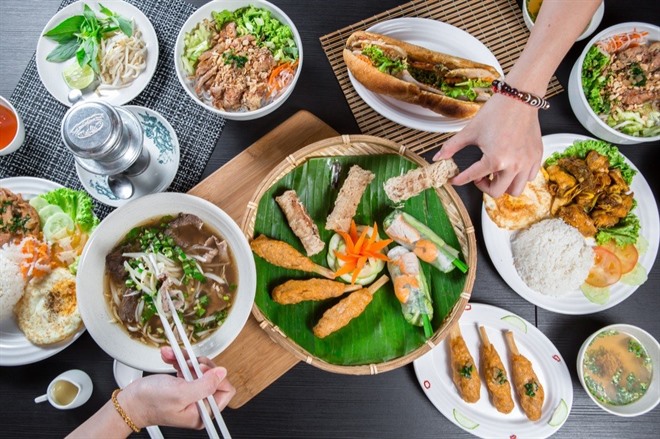
Begin the day with an optional tai chi session on deck as the boat continues through Halong Bay. After a light breakfast, spend more time exploring the bay before enjoying brunch during the return journey to the marina. Travel back to Hanoi and visit the Temple of Literature, founded as Vietnam’s first national university and still one of the city’s most important historic sites. Walk through its courtyards while your guide explains the influence of Confucian education on Vietnamese society. Continue to a nearby tea house to taste lotus tea, then explore narrow lanes, a local market and streets beside the railway. Finish with an early dinner at a relaxed venue bringing together several Hanoi street-food specialities, allowing you to sample a variety of local dishes in one place. (B,D)
Pricing Information
Price Includes
- Return International flights as per the itinerary
- All taxes & charges
- Accommodation and meals as specified
- Transfers as specified
- Activities and excursions as specified
- All entrance fees on sightseeing tours as specified
Price Excludes
- Travel Insurance
- Any meals not specified in the itinerary
- Tips and gratuities
- Optional excursions
Price Includes
Price Excludes
Price Notes
- Price is per person based on 2 adults travelling together with a 3 May 2027 departure
- All flight rates are correct at the time of publication but remain subject to change by the airlines. The exact airfare and any applicable taxes or surcharges will be reconfirmed at the time of booking.
- Holiday and peak season surcharges are not included in the above prices. Additional charges may apply during peak travel periods, including 15 December to 10 January, and will be confirmed at the time of booking.
- This is a suggested itinerary that can be customised to suit your preferences. We can remove certain excursions or add other destinations as needed. This provides an overview of what you can experience in the area, but it is by no means exhaustive. Please reach out to one of our travel specialists who can assist you in creating your ideal holiday.
Tour Route Map
- Laos, Luang Prabang
- Laos, Oudomxay
- Vietnam, Sapa
- Vietnam, Hanoi
- Vietnam, Halong Bay
Tour Accommodation
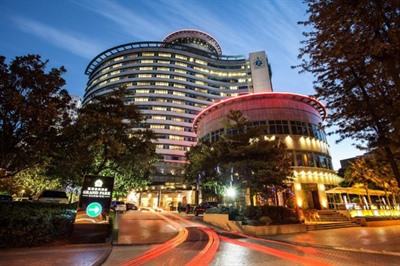
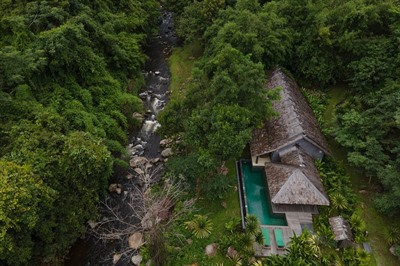
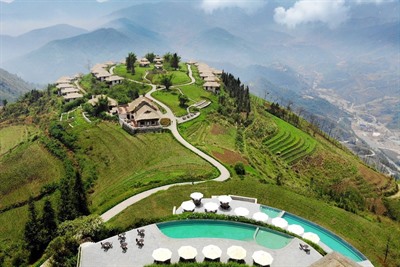
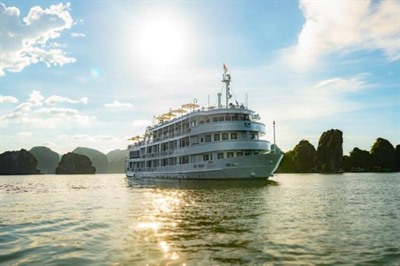
Image Gallery