- Taste the origins of chocolate at a working Bohol cacao farm
- Cook, eat and learn at a forest ecolodge deep in Loboc
- Watch a dying salt-making craft that survives only in Bohol
- See where the UK's favourite purple yam is actually grown
- Sail to Pamilacan Island as wild dolphins lead the way

Bohol in Depth: Chocolate Hills, Tarsiers & Hidden Island Life
Most visitors to the Philippines spend a few days on the beach before flying home. If you're looking for a deeper introduction to the country, this thoughtfully designed journey offers a slower, more immersive experience. Begin in Manila with a guided exploration of the capital, taking in the Pasig River, lively food markets, colonial landmarks and a traditional rum distillery before flying to Bohol to discover a very different side of the Philippines.
Alongside iconic sights such as the Chocolate Hills, Loboc River and the island's famous tarsiers, you'll experience places that many visitors miss, from a cacao farm and forest cooking class to the Cadapdapan Rice Terraces, Can-Umatad Falls, Lamanok Island and ancient cave sites.
You'll also discover the rare art of Asin Tibuok salt-making, explore Jagna's bustling market and, when in season, visit a working ube farm before ending with a dolphin-spotting cruise to Pamilacan Island. With flights, guides, transfers and excursions all arranged, you can simply enjoy the experience.
Tour Itinerary
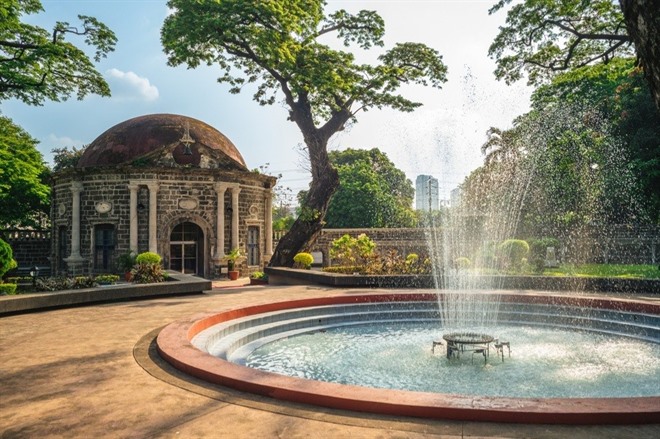
A private transfer takes you straight to your hotel on arrival, leaving the rest of the evening free to settle in and recover from the journey.
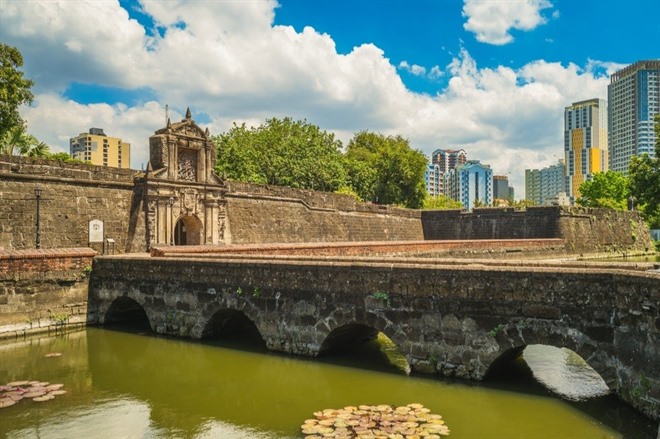
Take a ferry along the Pasig River before heading into the atmospheric streets of Quiapo and Binondo, the world's oldest Chinatown, where the food markets alone are worth the trip. The afternoon moves to Intramuros, the walled city built by Spanish colonisers in the 16th century, where Fort Santiago, Manila Cathedral and San Agustin Church all sit within easy walking distance of each other. End the day with a tasting at Destileria Limtuaco, the Philippines' oldest distillery. (B,L)
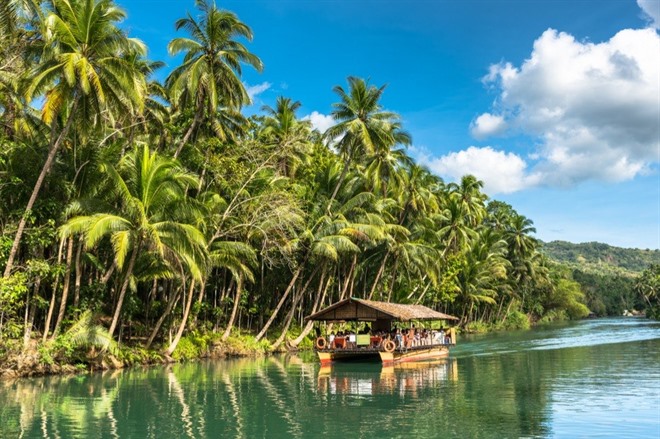
A morning flight brings you to Bohol. Before checking in, visit the National Museum in Tagbilaran, housed in a beautifully restored colonial building and a genuinely good introduction to the island's history and culture. Lunch is aboard the Loboc River Cruise, a slow drift along a jungle-lined waterway that gives you your first proper feel for the island. (B,L)
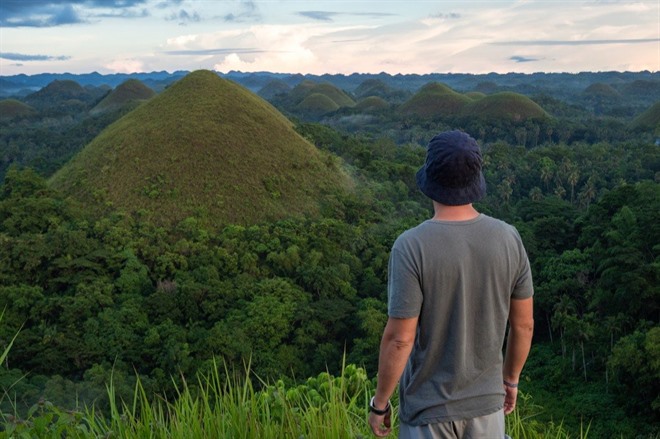
Start the morning at the Tarsier Sanctuary in Corella, home to one of the world's smallest primates, a creature so tiny it can fit in the palm of your hand. Head to Lasang Cacao Farm for lunch, where the food is prepared using ingredients grown on site and the whole visit gives real context to where chocolate actually starts. The day ends at the Chocolate Hills in Carmen, a landscape of over a thousand perfectly symmetrical mounds that genuinely looks like nowhere else on earth. (B,L)
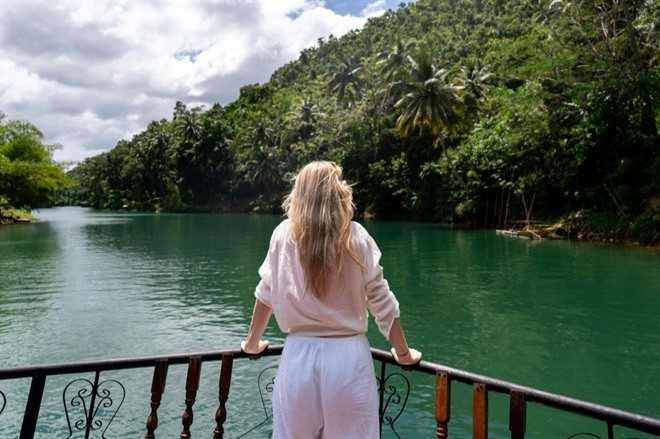
A slower day, and a welcome one. The morning is spent on a walking tour through the village of Loboc, calling in on local weavers and craft makers, learning how to weave a roof using traditional materials, tasting homemade coconut wine and walking the rice paddies. It's an immersive morning that gives you a genuine feel for how people actually live here, well away from anything that resembles a tourist trail. Lunch follows at Water to Forest Ecolodge, a beautiful property set within the forest on the riverbank, where the food is seasonal, locally sourced and cooked with care. The afternoon is free. (B,L)
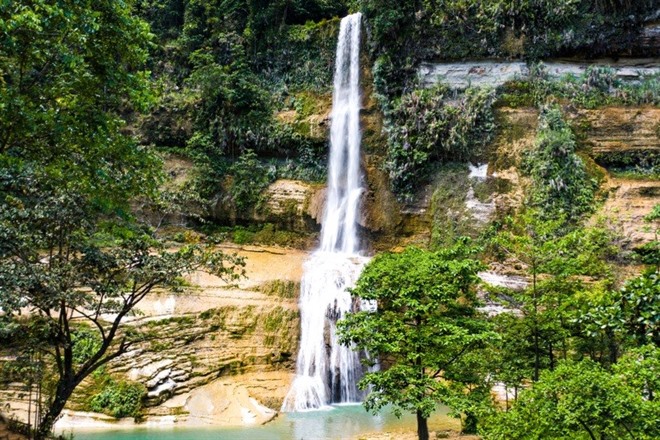
Leave Loboc and head east towards Anda, one of the quieter corners of the island that most visitors never reach. Stop at Can-Umatad Falls, a tiered waterfall tucked into the forest, and walk the Cadapdapan Rice Terraces, a patchwork of working paddies carved into the hillside over generations. Neither see much tourist traffic, which is a large part of what makes them worth the detour. (B,L)
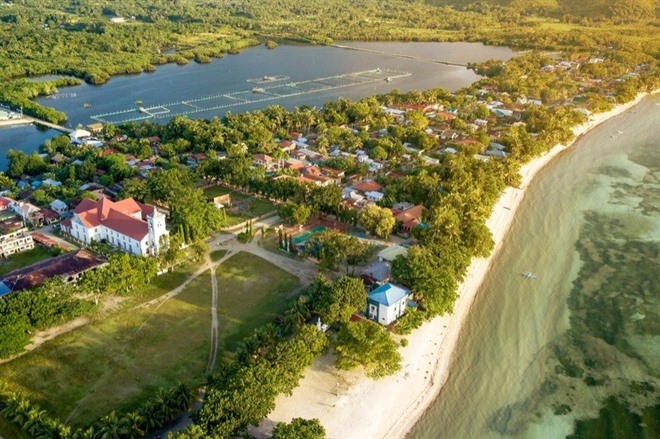
Take a boat to Lamanok Island, a site of real historical and spiritual significance to the Boholano people, with ancient cave markings and burial jars dating back thousands of years. Lunch is in the coastal village of Quinale, where the public beach gives you a chance to watch locals going about their day at low tide. Round off the afternoon with a swim inside Cabagnow Cave, a natural saltwater pool hidden within a limestone cavern.
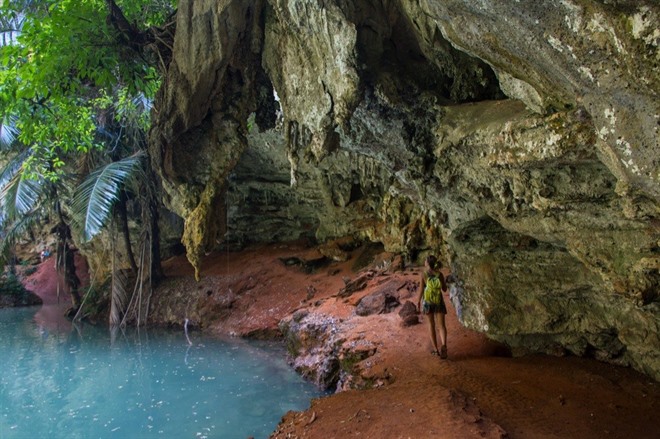
The drive west to Panglao is a day in itself. Browse Jagna's public market, a proper working market where locals shop for fresh catch and native produce, and one of the best places on the island to get a feel for everyday Filipino life. In Albuquerque, watch a demonstration of Asin Tibuok, an ancient salt-making tradition unique to this part of the Philippines and recognised as an endangered cultural practice. If you're travelling between April and June or November and December, a visit to a local ube farm is added to the itinerary, where you can meet the farmers and see first-hand how the purple yam that's taken over menus and bakeries across the UK is actually planted, grown and harvested. Finish the day at Hinagdanan Cave in Panglao, a cathedral-like cavern with a natural lagoon inside. (B,L)
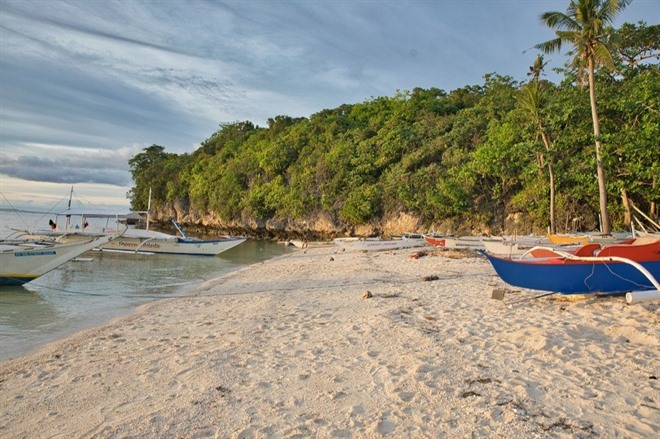
An early start, and worth every minute. The boat crossing to Pamilacan Island passes through open water where dolphins are a regular sighting alongside the vessel. The island has a remarkable backstory: for centuries its community survived by hunting whales and dolphins, and when the practice was banned in the 1990s, the islanders rebuilt their entire livelihood around conservation and community-based ecotourism. The guides who take you out on the water are descendants of those same hunting families, which gives the whole experience a depth that's hard to find elsewhere. The island itself is small and unhurried, with good snorkelling over the surrounding reef and lunch taken on the beach before returning to Panglao. (B,L)
Pricing Information
Price Includes
- Return international flights as per the itinerary
- All taxes and charges
- Accommodation and meals as specified
- Transfers as specified
- Activities and excursions as specified
- All entrance fees on sightseeing tours as specified
Price Includes
Price Excludes
- Travel Insurance
- Any meals not specified in the itinerary
- Tips and gratuities
- Optional excursions
Price Notes
- Price is per person based on 2 adults travelling together with a 1 March 2027 departure
- All flight rates are correct at the time of publication but remain subject to change by the airlines. The exact airfare and any applicable taxes or surcharges will be reconfirmed at the time of booking.
- Holiday and peak season surcharges are not included in the above prices. Additional charges may apply during peak travel periods, including 15 December to 10 January, and will be confirmed at the time of booking.
- This is a suggested itinerary that can be customised to suit your preferences. We can remove certain excursions or add other destinations as needed. This provides an overview of what you can experience in the area, but it is by no means exhaustive. Please reach out to one of our travel specialists who can assist you in creating your ideal holiday.
Tour Route Map
- Philippines, Bohol
- Philippines, Loboc
- Philippines, Anda
- Philippines, Panglao
Tour Accommodation
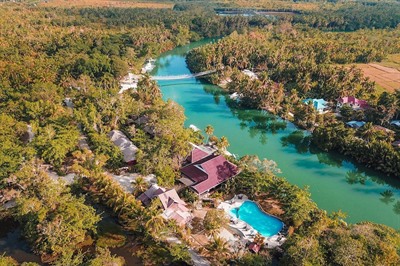
Image Gallery