The Many Faces of the Philippines
The Many Faces of the Philippines
From bustling island markets to hidden mountain farms, the Philippines reveals itself in layers far beyond its postcard beaches.
On a journey curated by our Specialists at Regent, award-winning travel journalist Sarah Gillespie draws on her half-Filipina heritage to explore the country’s rich and varied cultural landscape, from colonial echoes to Indigenous traditions still thriving today.
Journey with Sarah as she uncovers the many faces of the Philippines, and the stories that lie far beyond the shoreline.
(1).jpg)
"As a half-Filipina, I am often asked for Philippines travel advice by prospective visitors, who are surprised when I tell them that the beaches are the least interesting thing about the country. That’s not a criticism of said beaches – they are indeed among the world’s best – but a compliment to Filipino culture, which is far richer than many realise."
Sarah Gillespie
Culture & Cuisine of the Philippines
A land forged by many histories
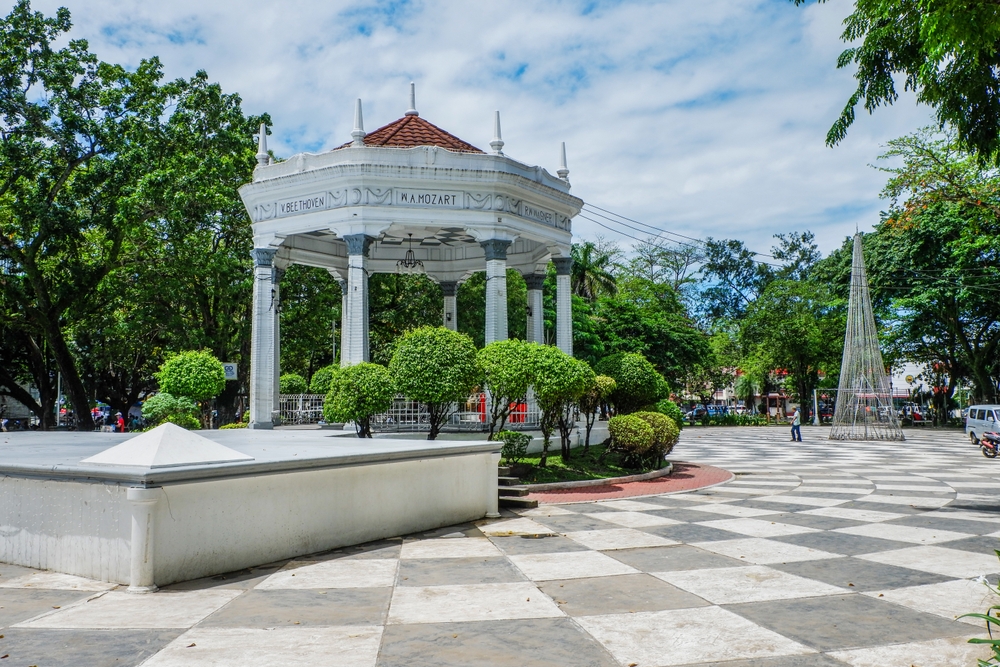 Bacolod
"Before Ferdinand Magellan “discovered” these islands in 1521, they were diverse fiefdoms and sultanates: some led by datus (tribal chiefs), some following animist religions, others influenced by Islam. Excavated Song Dynasty ceramics suggest that there was also, as today, a significant Chinese population.
377 years of Spanish rule left an indelible mark on the Philippines, as did the 48 years of US occupation that followed. But as in precolonial times, the islands retain significant differences in language, culture, and cuisine – something not often grasped by those who visit only for sand and sea."
Bacolod: a city of pride and tradition
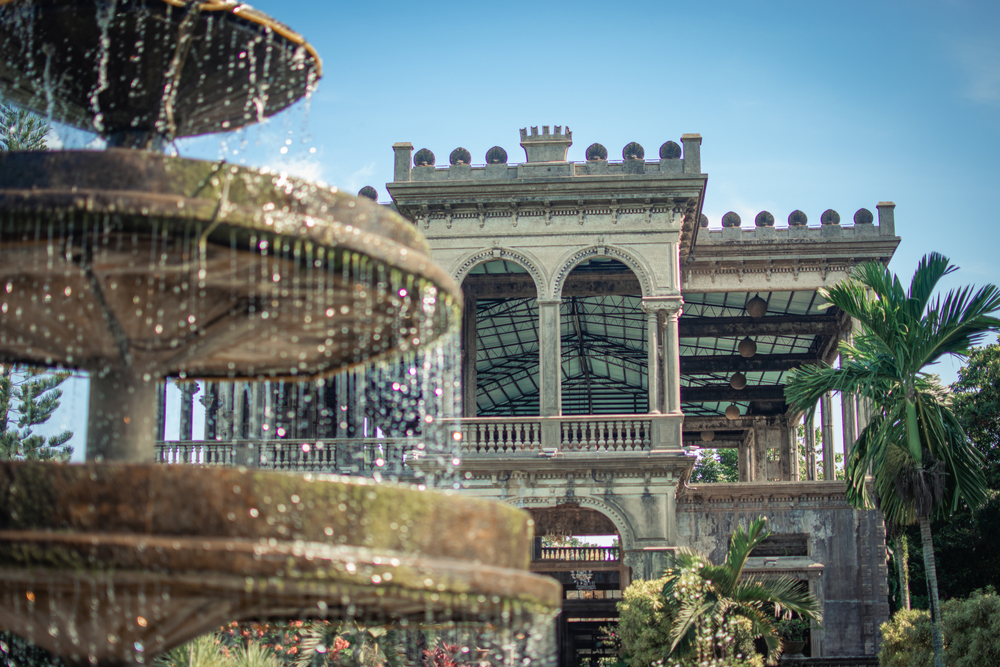 Bacolod
"Bacolod, a city on the island of Negros in the central Philippines, has long topped my list of places to visit. Negrenses, as they are known, are said to be proud - a pride that finds expression in the careful preservation of their architecture and traditions.
At the centre of Bacolod is the market, a vast expanse of stalls under a corrugated iron roof. Accompanied by local guides Jason and Virna Tan, I wander past barrels of rice and buckets of oysters, through narrow aisles at turns fragrant with ripe mangoes and pungent with dried squid and fish."
Healing traditions and everyday life
 Bacolod
"As well as food, Negrenses visit the market for hilot, a pre-colonial healing practice. These days it’s associated with fancy hotel spas, but in Bacolod, its practitioners, manughilot, maintain ancestral ways. I find them at the roadside: their “treatment room” is a row of plastic chairs, their “spa music” the roar of motorcycle engines. According to tradition, Bacolod’s manughilot may only gather their herbs from two local mountains – Mount Kanlaon or Balaan Bukid on the island of Guimaras – and only during Lent.
84-year-old Apolonia Lorenton invites me to take a seat. She has practised hilot here since she was 28, learning it from her aunt. She kneads my shoulders using coconut oil infused with chamomile, her touch more proficient than any I’ve felt at a five-star resort."
Flavours of Bacolod
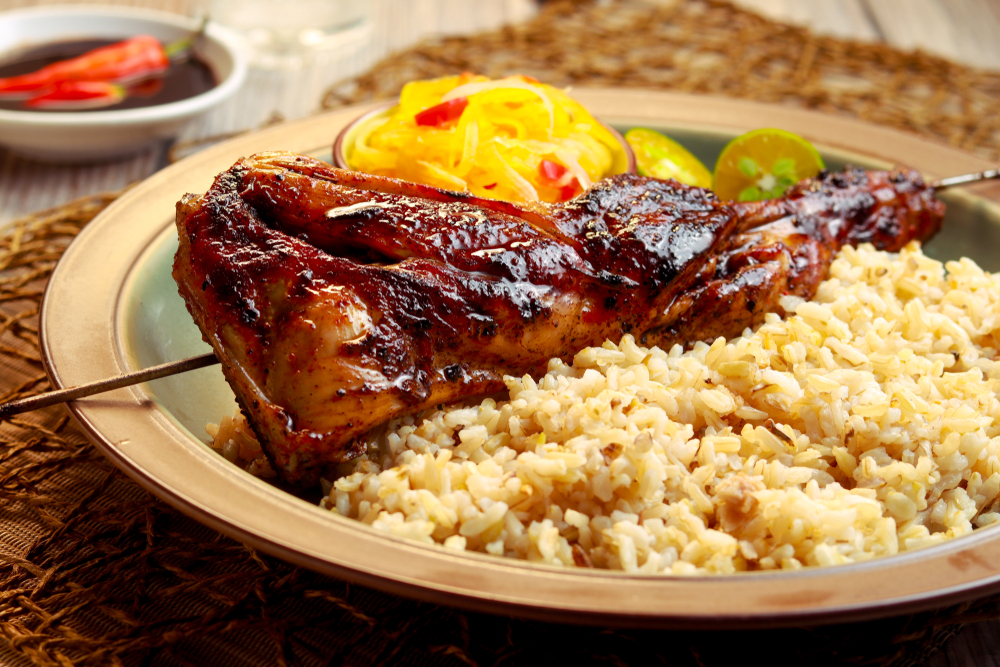 Chicken Inasal
"For lunch, we head to Aida’s to try chicken inasal: Bacolod’s most famous dish. The smell of charred, caramelised chicken skin hits me the moment I open the door; there are garrulous teenagers and gossiping aunties, their conversations punctuated by the clatter of Aida’s famous green melamine plates.
This is already Bacolod’s best-loved chicken inasal restaurant, but its star has risen further since the Manila branch of Aida’s was added to the Michelin Guide last year (which currently covers only Manila and Cebu). I grab a thigh and bite into it, my lips puckering at the tangy marinade of coconut vinegar, calamansi citrus, lemongrass and brown sugar.
Creativity from recycled beauty
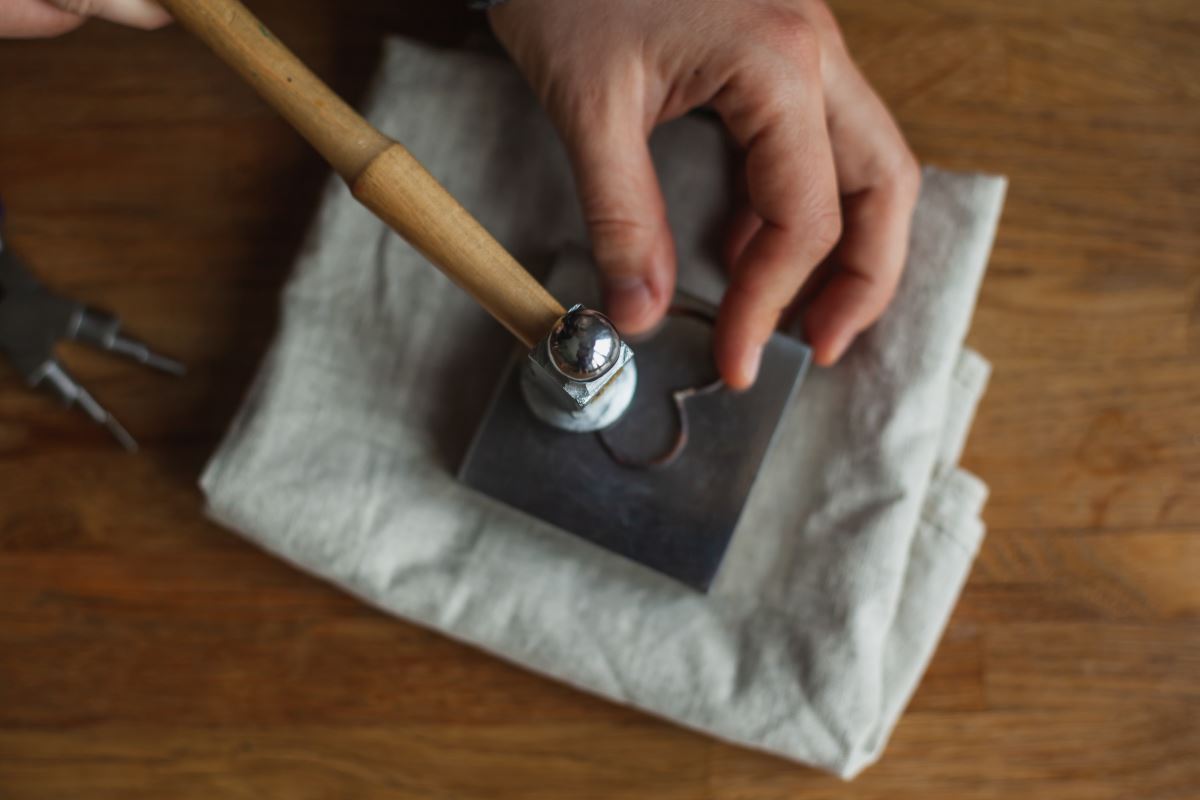 Recycled crafts
"Instead of post-lunch drinks, we head to the Artisans of Hope showroom for a different sort of coffee experience. Entering through a bloom-filled garden, I browse art made from thousands of recycled Nespresso capsules: they’re pressed into beaded jewellery, flattened onto crucifixes and layered over huge murals. The showroom is run by the NVC Foundation, a non-profit that lifts Negrenses out of poverty by training them in craft skills. NVC’s representative, Dynne Cervales, takes me upstairs to see the artisans cutting and hammering the capsules into shape.
Artisans for Hope is just one of many unique craft workshops on Negros. This artisanal legacy goes back to the 19th century, when the island was the centre of the Philippines’ sugar industry; wealthy, Spanish-Filipino “sugar barons” built grand mansions displaying the finest craftsmanship and native materials."
Inside Negros' sugar-era grandeur
.jpg) Balay Ni Tana Dicang
Balay Ni Tana Dicang
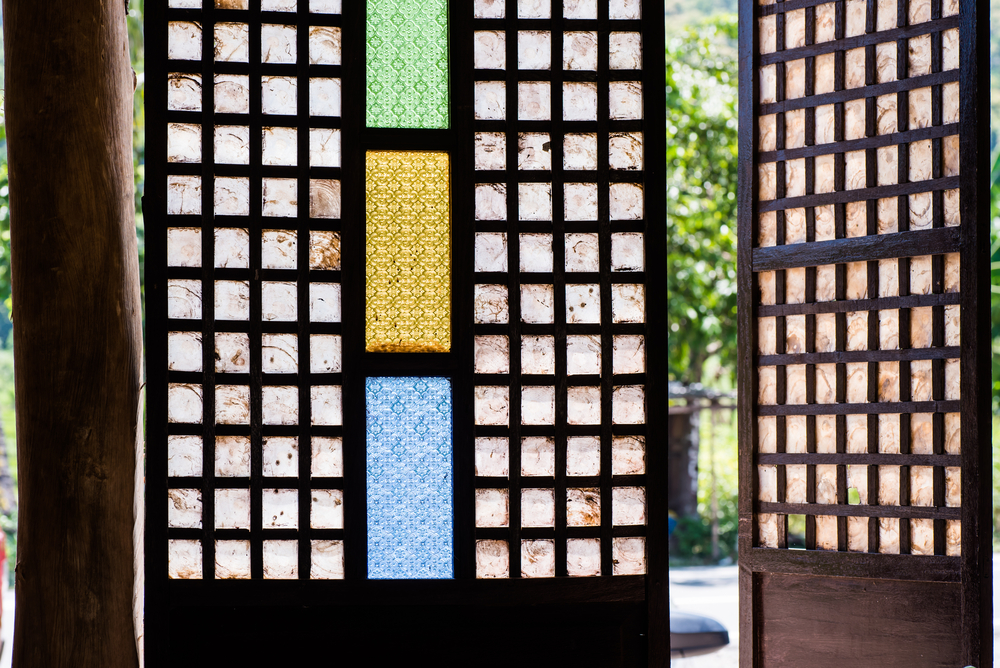
One of the finest examples of this is Balay Ni Tana Dicang, north of Bacolod in Talisay City. Originally built in 1872, it’s named for Doña Enrica “Tana Dicang” Alunan Lizares, the wife of a barrio captain. She was known to be a fearsome figure – “tana” is short for “kapitana” or “female captain.” Her stamp is all over the house: she undertook a full renovation from 1889 to 1904, installing the Capiz-shell windows, ventanillas (small windows for ventilation) and narra-wood bannisters carved with thorny rose vines. The outer wall is coated with rare, quarried coral, which glitters white in the sunlight.
Most of the interior items belonged to Tana Dicang: furniture from prestigious Chinese maker Ah-Tay, Kutani tableware from Japan. The Philippines’ second president Manual L Quezon and Vice President Sergio Osmeña were frequent visitors. A photo of the three of them hangs in the sala; Tana Dicang sits in the centre with pursed lips, dressed in a wide-sleeved Maria Clara gown and black sunglasses. “Look at their body language: they’re leaning away from her,” says Jason.
Into the highlands: coffee and indigenous life
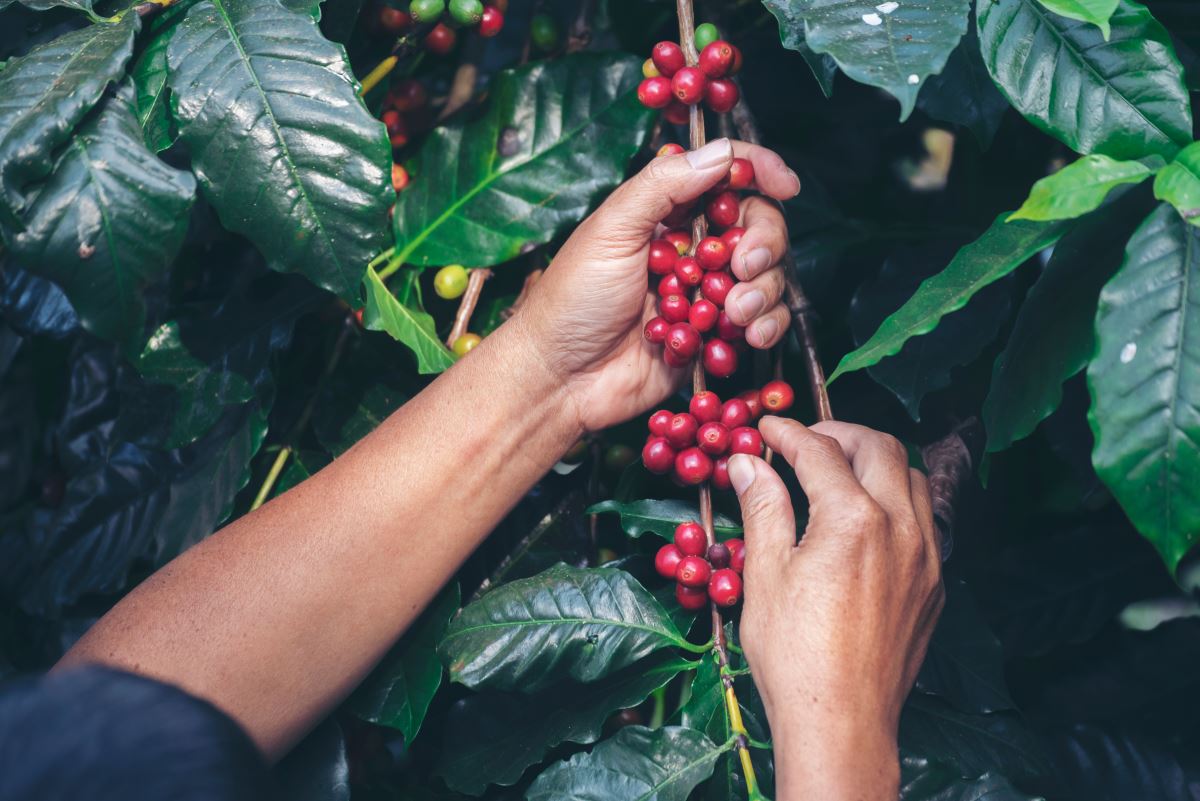 Coffee bean picking
"The next morning, we wake before dawn and drive into the island’s mountainous interior, where we meet Teddy Cañete: a third-generation farmer of the Indigenous Bukidnon people, and owner of Sugar Valley Coffee Farm.
We hike past the cafe and through his estate, brushing past African tulip trees and red coffee cherries glistening with humidity. On reaching the sunrise viewing spot, we perch on a scattering of rocks, among sprays of white aster flowers that tremble in the breeze. With a fingertip, I brush huya-huya – 'bashful' mimosas – causing their leaves to fold.
Teddy’s business has been a beneficiary of Slow Food: a movement that preserves and promotes traditional foods and their production processes. It originated in Italy, but has a passionate community of adherents on Negros. 'Because of Slow Food, we had the opportunity to meet with other coffee experts like processors, graders and roasters,' he says. 'We work together as the Slow Food coffee coalition.'
Coffee is a nascent industry on Negros but is growing fast, thanks to astute farmers like Teddy who saw a gap in the market – and the chance to bring coffee home. 'I saw data that said on Negros, we import 95% of our coffee,' he says. 'But our soil here is really fertile.'
The sun has finally rolled over the crest of the hill, bathing the valley in gold light. Heat is beginning to rise from the earth, as are jewel-bright dragonflies. As I watch swallows and sunbirds loop across the sun’s face, my mouth watering in anticipation of the coffee and sticky rice cakes to come, I think: I would not trade all the world’s beaches for this."
Inspired by Sarah's journey through the Philippines?
We offer a range of tailor-made holidays that reveal the country's rich cultural heritage and lesser-known corners, from the mystical island of Siquijor and the colonial streets of Vigan to the mountain communities of Banaue and Sagada, and the laid-back charm of Dumaguete. Whether you're drawn to Indigenous traditions, historic towns, local cuisine or off-the-beaten-track adventures, we can create the perfect Philippine journey just for you.