- Hike Yangmingshan’s volcanic trails, discovering steaming fumaroles and spectacular mountain views
- Cycle Taiwan’s northeast coast through historic railway tunnels and coastal scenery
- Experience rural Yilan through tea picking and traditional spring onion pancake making
- Ride Alishan’s historic forest railway and explore trails among ancient trees
- Discover Tainan’s fascinating history through centuries-old temples, forts and traditional streets

Taiwan: Beyond the Ordinary
Forget the usual sightseeing circuit. This 16-day journey takes you beyond Taiwan’s best-known attractions to discover an island of volcanic mountains, ancient forests, historic towns and remarkably varied landscapes. There’s plenty to see, but the real appeal is how you experience it. Explore Taipei’s temples and night markets before heading into Yangmingshan National Park, where steaming volcanic vents and mountain trails sit surprisingly close to the capital. Cycle through a former railway tunnel along the northeast coast, pick tea leaves and make traditional spring onion pancakes in Yilan, and travel aboard the historic Bong-Bong Train through the forests of Taipingshan. It’s an active, experience-led itinerary that balances time outdoors with opportunities to understand Taiwan’s traditions, food and everyday life.
The journey continues to Sun Moon Lake, where you’ll cycle along the lakeshore before heading into the mountains for a hike around Hehuanshan, more than 3,000 metres above sea level. In Alishan, historic forest railways, towering trees and trails through bamboo groves reveal another side of Taiwan’s mountainous interior. There’s plenty of cultural discovery too, from the traditional streets of Lukang to Tainan, Taiwan’s former capital, where centuries-old temples and historic neighbourhoods tell the story of the island’s past. With time in the southern port city of Kaohsiung, the itinerary covers an impressive range of landscapes and experiences without constantly changing hotels. Transport, accommodation and excursions are arranged throughout, and the journey can be tailored to suit your interests and preferred pace.
Tour Itinerary
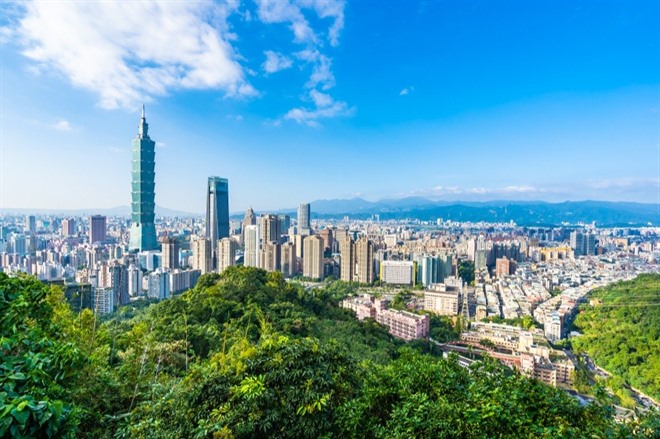
Arrive in Taiwan, where you’ll be met by your local representative and transferred to your hotel in Taipei. The island’s capital is a fascinating mix of traditional temples, busy shopping streets and modern architecture, with mountains forming a backdrop to the city.
The rest of the day is free to settle in, relax after your journey or begin exploring Taipei at your own pace.
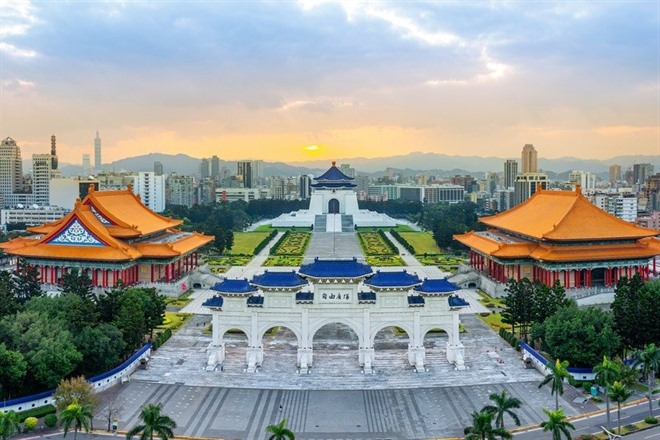
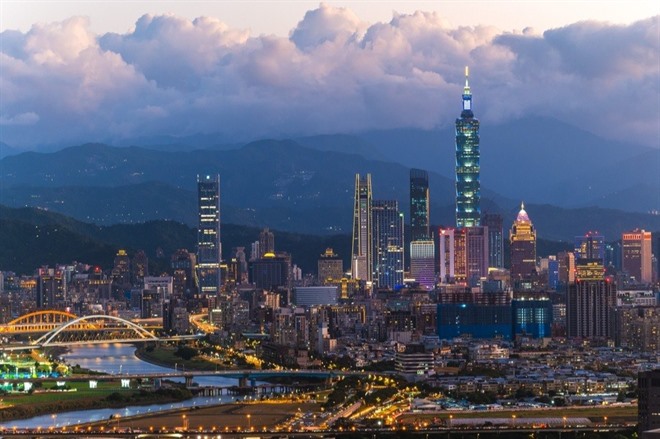
Explore Taiwan’s capital using its efficient public transport network, beginning with Longshan Temple, one of Taipei’s most important places of worship. Watch locals offering incense and using traditional divination blocks before continuing to Chiang Kai-shek Memorial Hall, an imposing landmark dedicated to Taiwan’s former president. Wander along Dihua Street, where historic buildings house traditional medicine shops, dried food merchants and newer independent businesses. You’ll also see Taipei 101, the skyscraper that dominates the city’s skyline. Finish at Ningxia Night Market, where stalls serve Taiwanese favourites such as oyster omelettes, braised pork rice and taro desserts. It’s a great introduction to the food culture that plays such an important role in everyday Taiwanese life. (B)
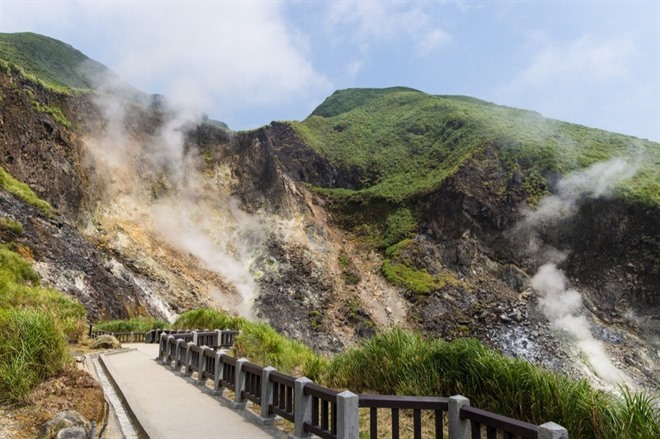
Leave Taipei’s busy streets behind and explore Yangmingshan National Park, a volcanic landscape of rolling mountains, grasslands and steaming fumaroles just north of the capital. Visit Xiaoyoukeng, also known as Small Oil Pit, where sulphurous gases rise from vents in the mountainside, revealing the volcanic activity beneath the surface. Continue along the Mount Qixing Trail, which leads towards Taipei’s highest mountain and offers extensive views across the city and northern coastline. The park is also known for its seasonal flowers, including cherry blossoms in spring and silver grass in autumn. At Lengshuikeng, discover an unusual geothermal area whose mineral-rich spring waters are cooler than those found elsewhere in the park. (B)
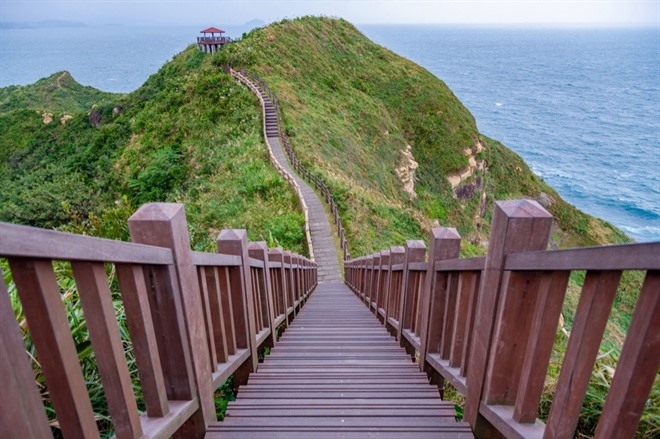
Discover Taiwan’s rugged northeast coastline, where dramatic rock formations, coastal walking trails and a former railway tunnel make for an active day outdoors. Begin with a walk along the Bitou Cape Trail, following paths through coastal vegetation with views across the Pacific Ocean. The area is particularly interesting for its geological formations, shaped by years of exposure to the sea. Continue to the Old Caoling Tunnel, a former railway tunnel now converted into a cycling route. Ride through this historic passage, which once connected communities along Taiwan’s northeast coast. Later, visit Heping Island Geopark, known for its unusual coastal rock formations sculpted by erosion. There’s also an opportunity to swim in a protected seawater pool surrounded by the island’s rocky shoreline. (B)
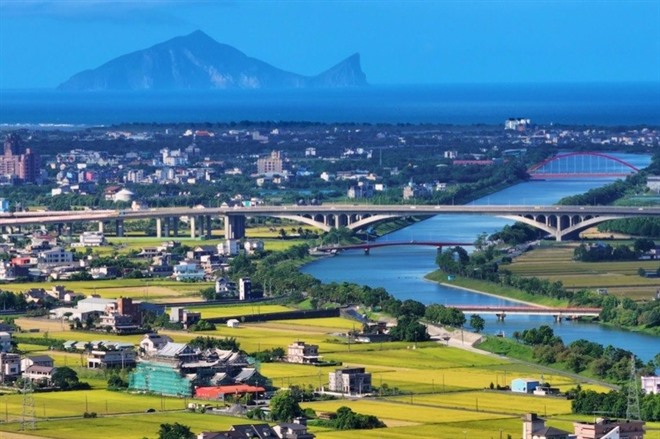
Travel to Yilan, a predominantly rural region in northeastern Taiwan known for its fertile farmland, tea plantations and hot springs. Visit a tea plantation to learn about one of Taiwan’s most important agricultural products. Try picking tea leaves yourself and discover how different varieties are processed. Continue to Kavalan Whisky Distillery, established in 2005 and internationally recognised for its Taiwanese single malt whisky. Learn about the production process and enjoy a tasting. Later, visit a spring onion farm in Sanxing, an area particularly famous for its green onions. Head into the fields to harvest the onions before learning how to prepare traditional Taiwanese spring onion pancakes. Continue to Jiaoxi, Yilan’s well-known hot spring town, where you’ll stay for the next two nights. (B)
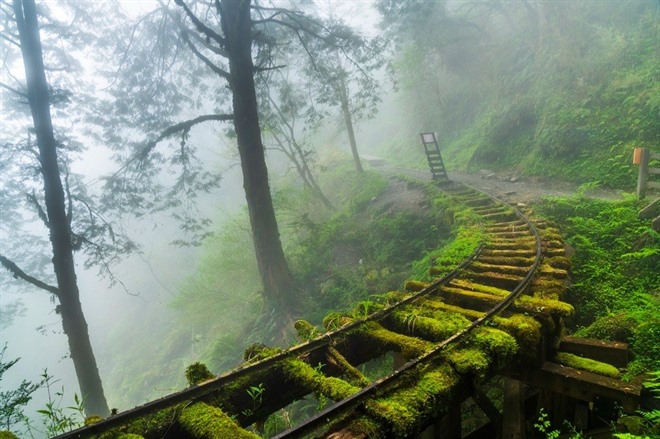
Spend the day exploring Taipingshan National Forest Recreation Area, a mountainous region of dense forests, historic logging routes and scenic walking trails. Follow the Jancing Historic Trail, which traces part of an old forest railway once used to transport timber. Sections of railway track, wooden carts and other remnants of the logging industry remain along the route, offering an insight into the area's industrial past. You'll also experience the Taipingshan Bong-Bong Train, a small open-sided train that originally carried logs through the mountains. Today, it takes passengers through the forest and across railway bridges, offering a different perspective on the landscape. With its towering trees, misty mountain scenery and fascinating railway heritage, Taipingshan offers one of the itinerary's most distinctive outdoor experiences. (B)
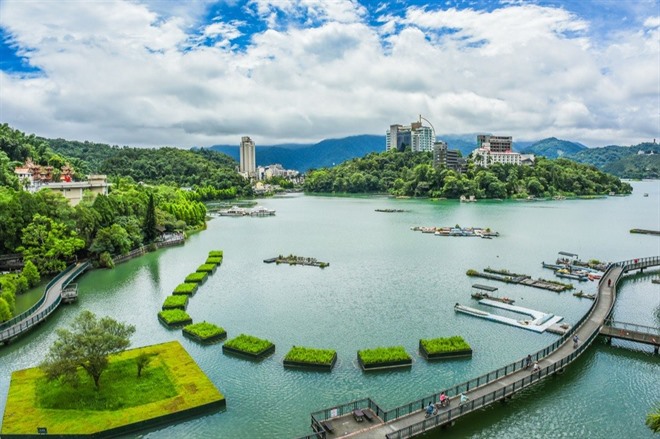
Travel to Sun Moon Lake in central Taiwan, the island’s largest natural lake and one of its most recognisable landscapes. Surrounded by forested mountains, the lake takes its name from the shapes of its northern and southern sections, traditionally compared to the sun and a crescent moon. Explore the lakeshore by bicycle, following a scenic cycling route with views across the water and surrounding hills. Cycling is a particularly enjoyable way to appreciate the landscape, with opportunities to experience the lake at a more relaxed pace. Visit Ita Thao, a lakeside settlement known for its local food and connections to the indigenous Thao community. Explore the food stalls and discover regional specialities such as wild boar sausage, bamboo rice and roasted millet mochi. (B)
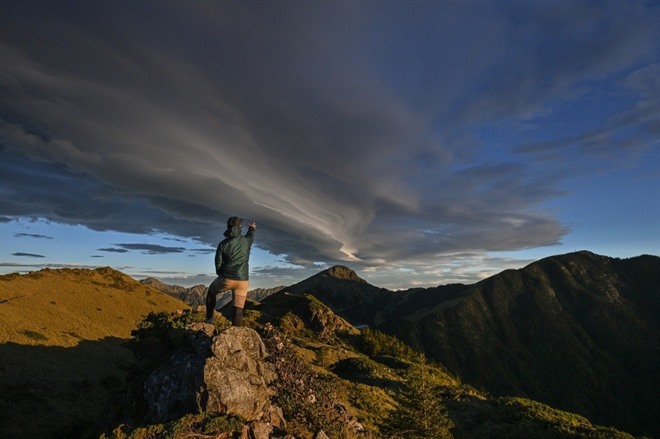
Head into Taiwan’s Central Mountain Range to explore Hehuanshan, a mountainous region known for its high-altitude scenery and accessible hiking trails. The journey takes you along one of Taiwan’s highest mountain roads, reaching Wuling at approximately 3,275 metres above sea level. The surrounding landscape is noticeably different from the subtropical lowlands, with open mountain slopes, dramatic ridgelines and extensive views across the neighbouring peaks. Enjoy a hike along one of Hehuanshan’s mountain trails, where the elevated terrain provides opportunities to admire the surrounding valleys and mountains. In suitable conditions, clouds gather below the peaks, creating the remarkable sea of clouds for which Taiwan’s high mountains are known. Return to your accommodation near Sun Moon Lake. (B)
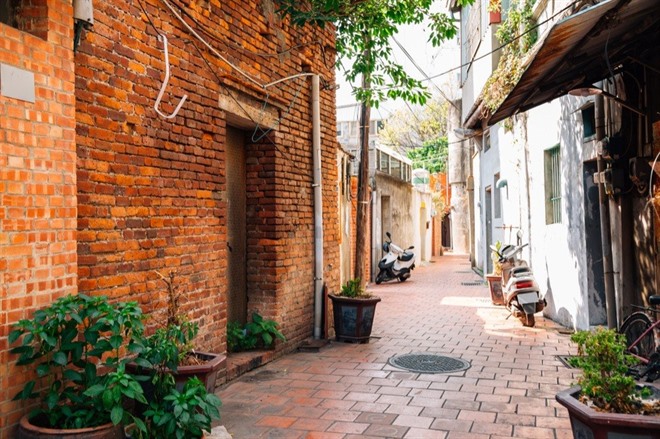
Explore Lukang, one of Taiwan’s oldest towns and an important centre of traditional architecture and religious heritage. Wander through streets lined with historic buildings, colourful markets and temples that reflect the town’s long history. Lukang has retained much of its traditional character, making it an interesting place to discover everyday Taiwanese culture beyond the larger cities. Continue to the coastal wetlands of Changhua, an area known for its oyster farming and fishing communities. Travel by tractor into the intertidal zone, where you’ll learn about local aquaculture and the marine life that thrives in the shallow coastal waters. Try your hand at collecting clams and gain an insight into the traditional livelihoods that continue to shape this part of Taiwan’s coastline. (B)
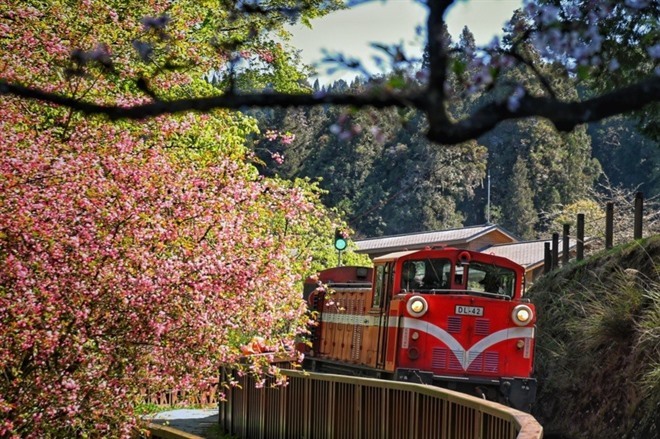
Travel to Alishan, one of Taiwan’s most celebrated mountain regions, known for its ancient forests, historic railway and spectacular high-altitude scenery. Experience a journey on a branch of the Alishan Forest Railway, originally developed to transport timber from the mountains. The railway now offers visitors a fascinating way to explore the forest, passing through landscapes shaped by Taiwan’s logging history. Continue into the Alishan National Forest Recreation Area, where walking trails lead through dense woodland and past enormous old-growth trees. Follow the Sacred Tree Trail to discover some of the forest’s most impressive trees, many of which have stood for centuries. Alishan is also famous for its sea of clouds, particularly when mist settles in the valleys beneath the surrounding mountains. (B)
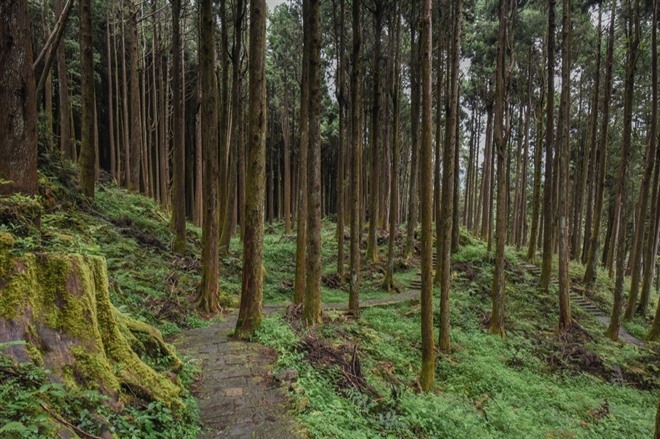
Spend another day exploring Alishan’s forests and mountain communities, beginning with the Shuishan Giant Tree Trail. This quieter walking route follows part of the old forest railway through woodland containing ancient trees. Remnants of the railway provide a reminder of the region’s logging history, while the surrounding forest offers a peaceful setting for a walk. Continue to Fenqihu, a historic settlement along the Alishan Forest Railway, known for its traditional railway lunchboxes. Explore the old streets and sample local specialities, including the town’s well-known boxed meals and refreshing aiyu jelly. Later, walk along the Eryanping Trail, which passes through bamboo groves, tea plantations and unusual rock formations. On clear days, the surrounding mountains provide impressive views, while cloud formations sometimes fill the valleys below. (B)
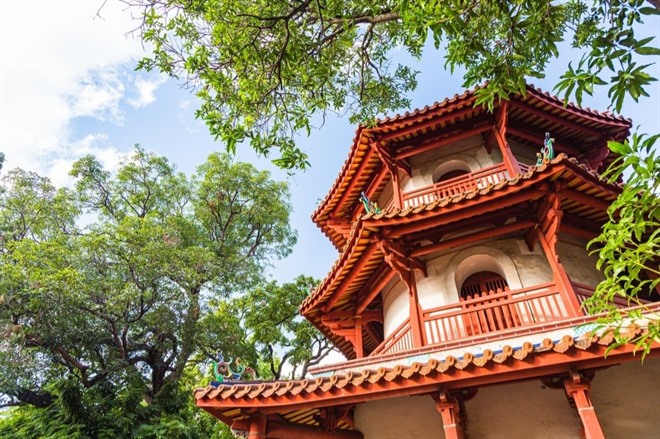
Travel to Tainan, Taiwan’s former capital and one of the island’s most historically significant cities. Known for its temples, traditional streets and distinctive local culture, Tainan offers a fascinating introduction to Taiwan’s past. Visit the Tainan Confucius Temple, an important centre of Confucian learning, before continuing to Chihkan Tower, a historic site surrounded by landscaped gardens. Explore Hayashi Department Store, an unusual example of Japanese-era architecture that has been restored and transformed into a cultural and shopping destination. Finish with a walk along Shennong Street, where traditional buildings now house small shops and independent businesses. The narrow street is one of Tainan’s most atmospheric historic neighbourhoods, offering a glimpse of the city’s architectural heritage alongside its contemporary creative culture. (B)
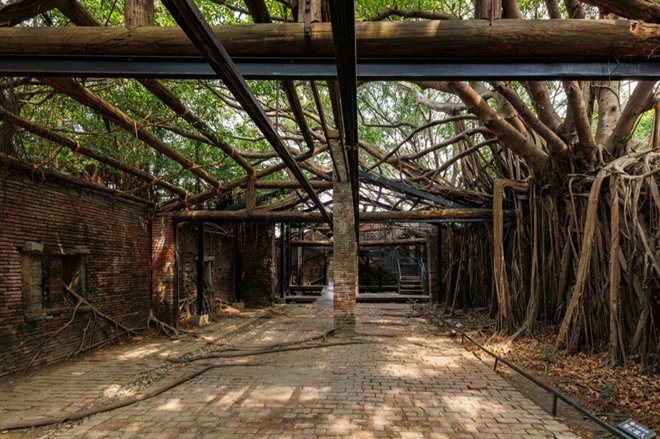
Continue exploring Tainan with a visit to Anping, a historic district closely associated with the island’s early trading history. Begin at Anping Tree House, a former warehouse gradually engulfed by the roots and branches of banyan trees. Walk along the raised platforms to see how the trees have grown through the abandoned building. Nearby, visit Anping Fort, where surviving structures and historical exhibits provide an insight into the area's changing rulers and colonial past. Explore Anping Old Street, known for its traditional snacks, preserved fruits and decorative sword-lion symbols, historically displayed above doorways for protection. Later, visit a traditional salt farm to learn about salt production and see the distinctive salt mounds arranged across the landscape. The visit concludes with views of the sunset over the salt fields. (B)
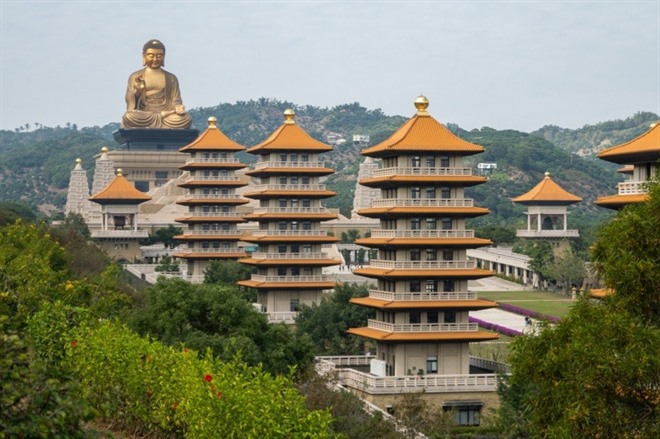
Discover Kaohsiung, Taiwan’s major southern port city, where Buddhist landmarks, forested hills and regenerated industrial spaces reveal different aspects of local life. Visit Fo Guang Shan Monastery, a major Buddhist complex recognised for its monumental golden Buddha statue. Explore its exhibitions and learn about Buddhist traditions, with opportunities to experience calligraphy. Continue to Shoushan, a forested hill overlooking Kaohsiung Harbour. Follow walking trails through tropical vegetation, an important habitat for Taiwan’s native macaques, and enjoy panoramic views across the city and waterfront. Finish at Pier-2 Art Center, a former warehouse district transformed into a creative quarter featuring exhibitions, public artworks, independent shops and colourful murals. Return to Tainan for your final overnight stay. (B)
Pricing Information
Price Includes
- Return international flights as per the itinerary
- All taxes and charges
- Accommodation and meals as specified
- Transfers as specified
- Activities and excursions as specified
- All entrance fees on sightseeing tours as specified
Price Includes
Price Excludes
- Travel Insurance
- Any meals not specified in the itinerary
- Tips and gratuities
- Optional excursions
Price Notes
- Price is based on 2 adults travelling together with a 3 May 2027 departure.
- All flight rates are correct at the time of publication but remain subject to change by the airlines. The exact airfare and any applicable taxes or surcharges will be reconfirmed at the time of booking.
- In accordance with Taiwan's labour laws, tour guides are permitted to work a maximum of 12 hours per day. Except in emergencies, drivers and tour guides are not permitted to work beyond 2200hrs.
- Holiday and peak season surcharges are not included in the above prices.
- This is a suggested itinerary that can be customised to suit your preferences. We can remove certain excursions or add other destinations as needed. This provides an overview of what you can experience in the area, but it is by no means exhaustive. Please reach out to one of our travel specialists who can assist you in creating your ideal holiday.
Tour Route Map
- Taiwan, Taipei
- Taiwan, Yilan
- Taiwan, Sun Moon Lake
- Taiwan, Alishan
- Taiwan, Tainan
Tour Accommodation

Image Gallery