A Taste of Asia: Best Food Tours in Asia
A Taste of Asia: Best Food Tours in Asia
A root of wasabi, freshly grated. A bowl of noodles eaten beneath the glow of a Taipei night market. Dinner prepared by a family in a centuries-old garden house in Hue. Across Asia, the most memorable things you can taste are often the ones that tell you something about where you are.
The real joy comes when you get closer to the source: wandering through bustling markets, joining food tours in Asia, meeting the people who grow and prepare your food, or sipping tea among the plantations beneath Mt Fuji. At Regent, we believe these encounters offer a delicious way to discover a country – through its flavours, its traditions and the people who bring them to life.
With extensive knowledge and first-hand experience of travelling across Asia, our team shares the food discoveries that have stayed with them, from the dishes they still dream about to the places they would encourage you to seek out for yourself.
(1).jpg)
“As a Filipino-born and frequent traveller to Asia, I’m an expert in the region’s food and culture, and I’m always looking for experiences that take you beyond the obvious. Alongside my colleagues at Regent, I’ve travelled extensively across the region and have picked out some of the food tours I think are truly worth travelling for.”
Noemi Espinosa
Senior Product Executive
1. Night Markets, Taiwan
Taipei's sizzling night markets
 Taipei Night Markets
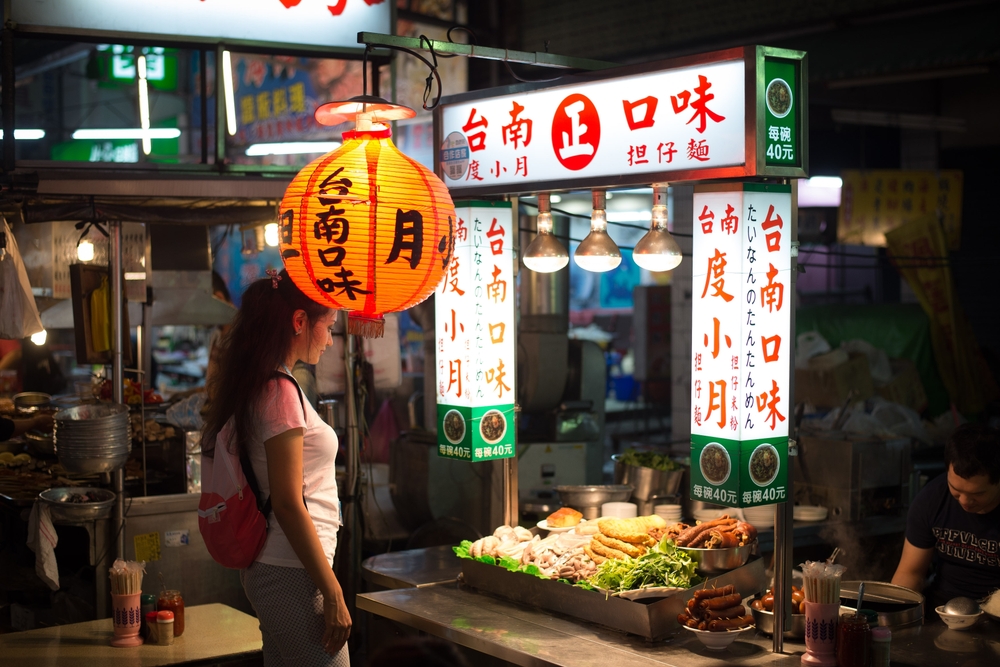
Taipei after dark is a different kind of dining experience. As the sun goes down, the city's night markets fill with the sound of sizzling grills, the clatter of woks and the chatter of hungry crowds, with stall after stall serving everything from oyster omelettes and pepper buns to dumplings, noodles and sweet treats. Markets such as Ningxia, Raohe and Nanjichang have become an integral part of Taipei's food culture, offering an easy way to eat like a local while soaking up the energy of the city.
And while night-market food might feel a world away from fine dining, Taipei's street-food scene has attracted plenty of attention from the MICHELIN Guide. Its 2026 Taiwan selection includes 146 Bib Gourmand establishments, with the guide highlighting the importance of local cuisine, small eats and lively street food to Taiwan's culinary culture.
Explore more of the culinary wonders with our Taipei Food Guide.
.jpg) Taipei Night Markets
Taipei Night Markets
On our Culture and Cuisine of Taiwan journey, your introduction to Taipei’s food scene continues after dark at Raohe Night Market, one of the city’s oldest and most atmospheric markets. Follow the crowds beneath the lanterns, stopping at stalls piled with local favourites and sampling the famous pepper buns fresh from the oven – their crisp, blistered pastry giving way to hot, savoury pork and spring onion. It’s a chance to experience Taipei as locals do: wandering, tasting and following whatever catches your eye.
%20(1).jpg)
"I love how alive Raohe night market feels after dark. You hear the sizzle of food hitting the grill, vendors calling out and people chatting as they move between the stalls. It’s one of those places where you can arrive with no particular plan and still find yourself talking about the food long afterwards.”
Stef Studley
Senior Product & Travel Specialist
2. Dining with a Local Family, Vietnam
A warm private dinner with locals
 Vietnamese cuisine
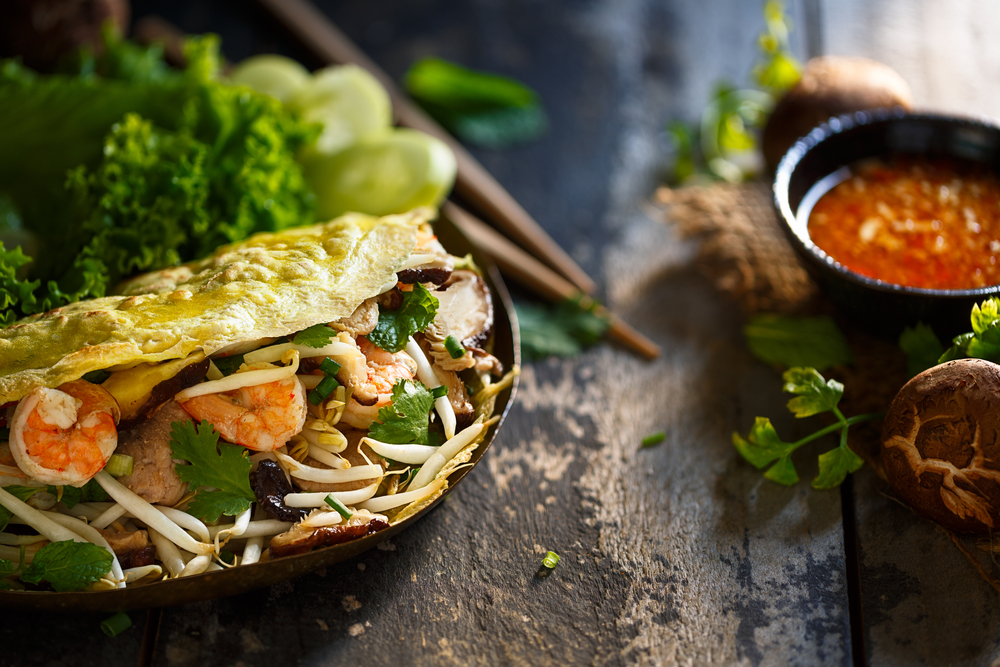
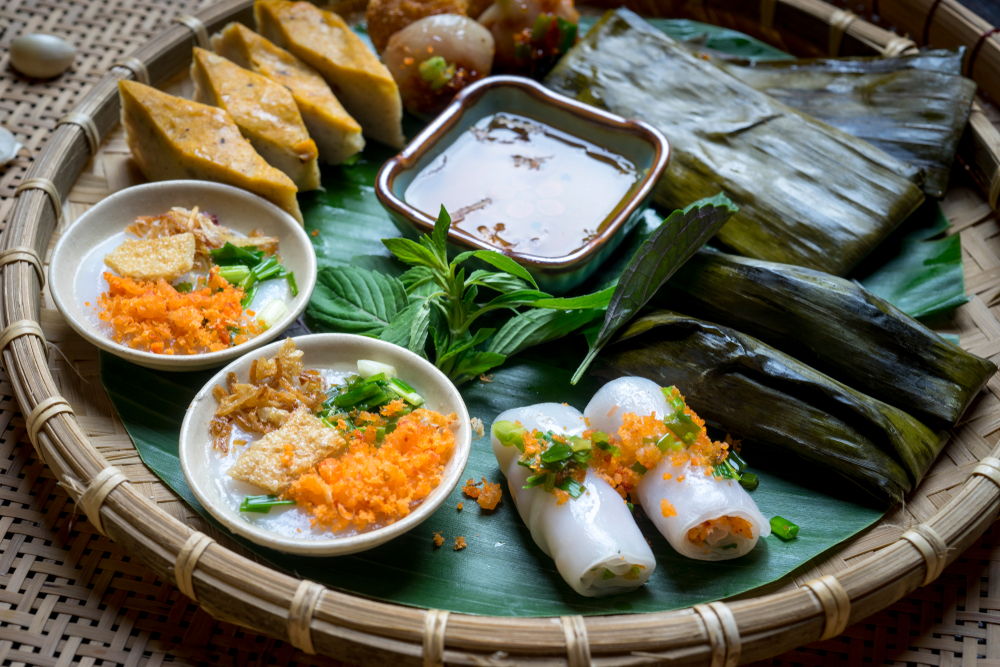
Some meals are memorable because of what is on the plate; others stay with you because of who invited you to sit down. In Hue, food offers an especially intimate way to experience the city, from tasting local delicacies at Dong Ba Market to sitting down at a private dinner prepared by a host family in an ancient garden house. Away from the restaurants and busy streets, this is a chance to see another side of Hue – one shaped by family, tradition and the simple pleasure of sharing a meal.
The quiet garden setting adds to the intimacy of the experience. Surrounded by the quiet greenery of a traditional garden house, you can watch a meal come together before sitting down to enjoy dishes prepared by your hosts. It is the kind of encounter that stays with you not because it is elaborate, but because it feels personal: an invitation into someone’s home, with food at the heart of the welcome.
Discover why Vietnam is one of the best places to travel with friends.
 Traditional Vietnam cuisine in Hue
The Culture and Cuisine of Vietnam journey offers an experience where a host family welcomes you into their ancient garden house and prepares a private meal, surrounded by the quiet beauty of the home and its gardens. There is something wonderfully unhurried about sitting down to food prepared especially for you – a chance to experience Hue not simply as a destination, but through the warmth and generosity of the people who live there.
%20(2).jpg)
“What I loved most was the feeling of being welcomed into someone’s home rather than simply going out for dinner. Sitting in the garden house as the family prepared the meal, you could hear and see the little details of everyday life around you. It made the food feel much more meaningful.”
Daniele Boni
Product Manager
3. Real Wasabi, Japan
The wasabi experience in Shizuoka
 Wasabi from Shizuoka prefecture
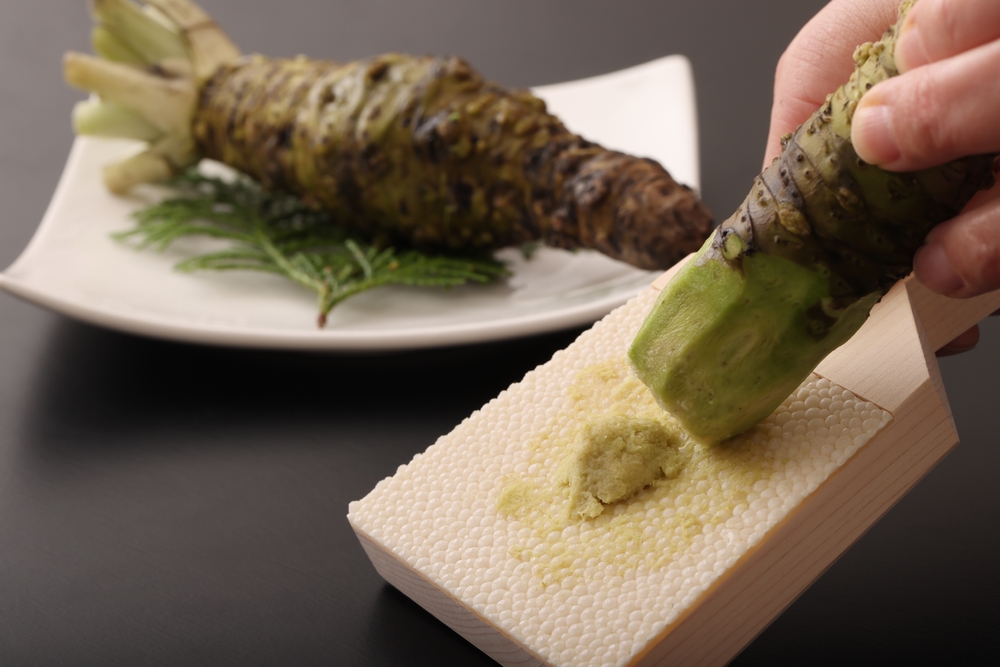
If you’ve only ever eaten wasabi as a green paste alongside your sushi, you may never have tasted the real thing. Fresh wasabi is notoriously expensive, which is why much of the wasabi served around the world is made using horseradish and other ingredients instead. In Shizuoka, however, you can see the real thing growing in its natural environment, and taste it freshly grated in front of you.
Shizuoka is one of Japan’s leading wasabi-growing regions, with a combination of cool mountain air, clear water and fertile terrain creating ideal conditions for the crop. Fresh spring water from Mt Fuji runs through the wasabi fields, where the plants have been cultivated for generations. It’s this connection to the landscape that makes the experience so fascinating: rather than simply tasting wasabi alongside a meal, you can follow it from the water and soil where it grows to the moment the root is grated and served.
There's much more to learn about the cultural experiences of Japan with our first-hand guide.
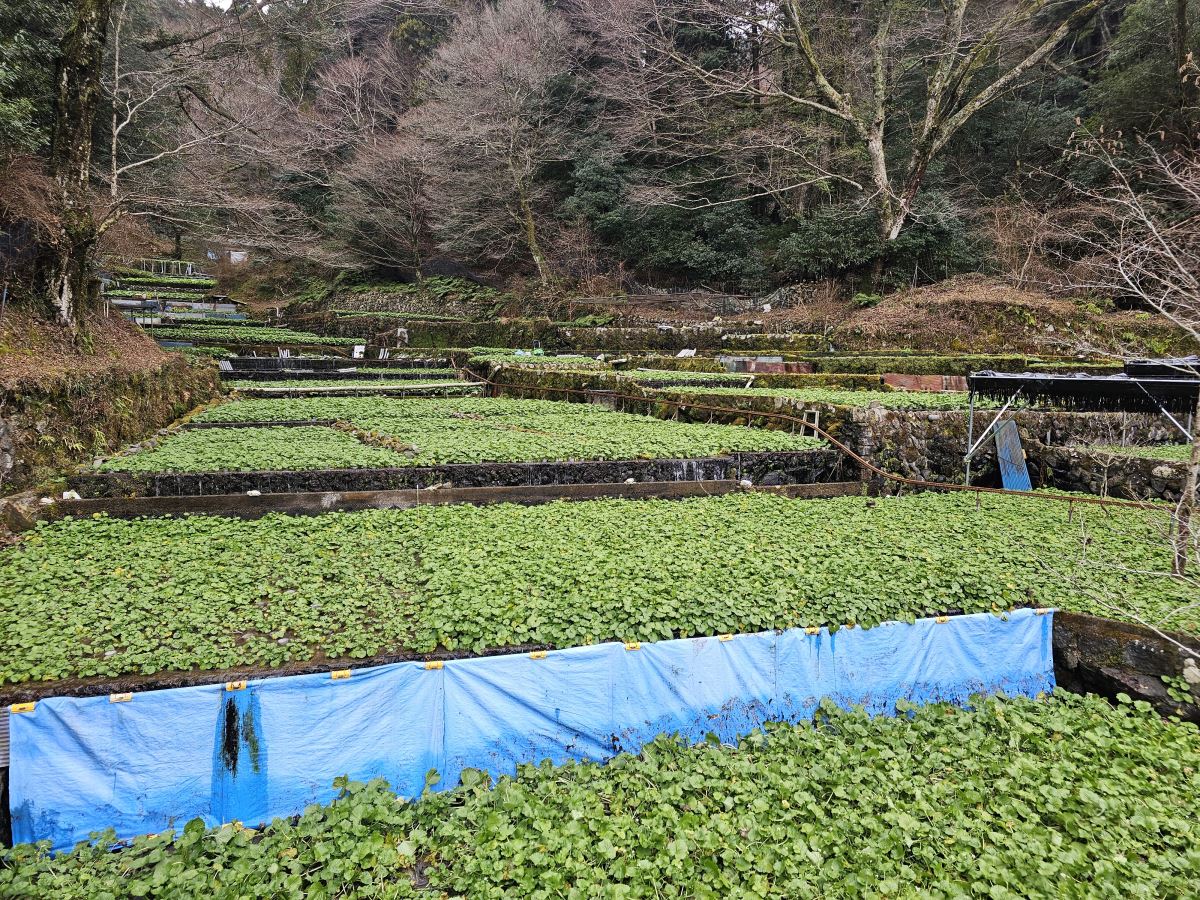 Wasabi experience at Izu Wasa Visitor Centre
Experience it for yourself. The Shizuoka 5-Day Add-On Itinerary: Samurai Culture, Mt. Fuji & Hidden Japan takes you beyond Japan’s better-known cities and into the landscapes and traditions that shape everyday life here. Alongside the wasabi fields, you’ll make tofu using local ingredients, visit sacred shrines and historic sites, explore a Shizuoka tea farm and spend time at a 250-year-old farmhouse cooking over an open hearth.
.jpg)
“Wasabi is one of those things you think you know, but there’s so much more to it than the little green mound you’re served with sushi. I’d never really thought about where it came from or how it was grown until seeing the wasabi fields in Shizuoka. Watching the fresh root being grated was such a simple but memorable experience, and it made me realise how much of the story behind Japanese food we simply don’t get to see.”
Noemi Espinosa
Senior Product Executive
4. The Slow Food Movement, The Philippines
A unique way of dining in the Philippines
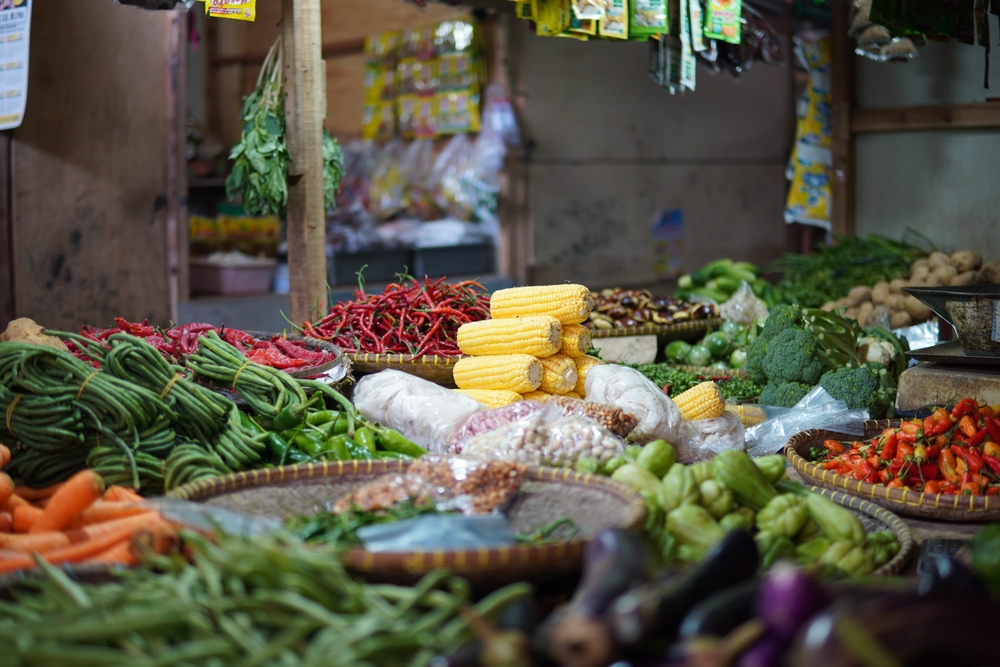 Fresh, locally sourced food
Food can tell you a lot about a place, but sometimes the most interesting story begins long before it reaches the plate. The 'slow food' movement is built around a simple idea: that everyone should have access to food that is good, clean and fair. Now an international network of local communities, it champions regional ingredients, traditional foodways and the people who grow, produce and prepare them, while encouraging a more thoughtful relationship with what we eat.
In the Philippines, where food is deeply connected to family, community and the land, these ideas take on a particular resonance. Local ingredients, traditional methods and knowledge passed between generations are an important part of the country's food culture.
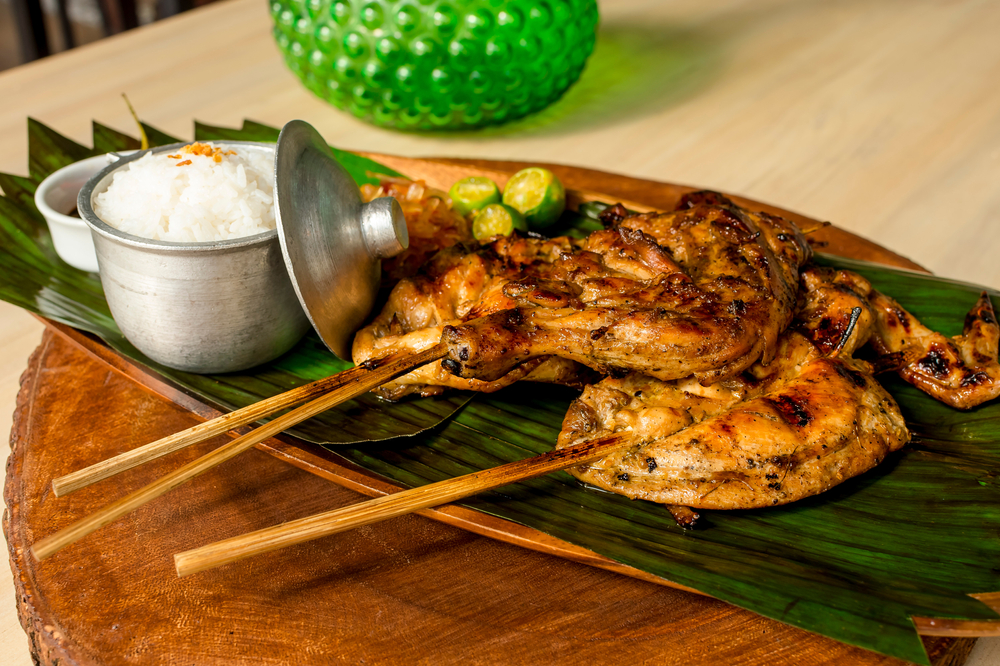 Cuisine of the Philippines
It is this closer connection between food and the people behind it that you can discover on our Culture and Cuisine of the Philippines journey, with experiences that bring you into contact with local producers, farmers and food traditions across the country.
%20(1).jpg)
“Growing up Filipino, food was never just about what was on the plate. It was about where the ingredients came from, who had grown them, and the people you were sharing them with - it’s wonderful to see those values celebrated through food experiences across the Philippines.”
Noemi Espinosa
Senior Product Executive
5. Tea Ceremonies, Japan
The importance of tea in Kyoto and Shizuoka
.jpg) Tea plantations on the foothills of Mt Fuji
Tea plantations on the foothills of Mt Fuji
In Japan, tea is much more than something poured into a cup. It can be a ceremony, a craft, a daily ritual and a way of connecting with the seasons. Nowhere is this more apparent than in Kyoto, where the traditional tea ceremony, or chanoyu, has been refined over centuries. Every part of the ritual has meaning, from the preparation of the matcha to the way the bowl is presented, creating an experience that encourages you to slow down and pay attention to the smallest details.
Beyond Kyoto, tea takes you into the landscapes where it is grown. Shizuoka is Japan’s largest tea-producing region, with vast plantations stretching across the foothills around Mt Fuji. Here, the scenery is as much a part of the experience as the tea itself: neat rows of green plants covering the hillsides, mountain air and clear water helping to create the conditions for growing high-quality leaves.
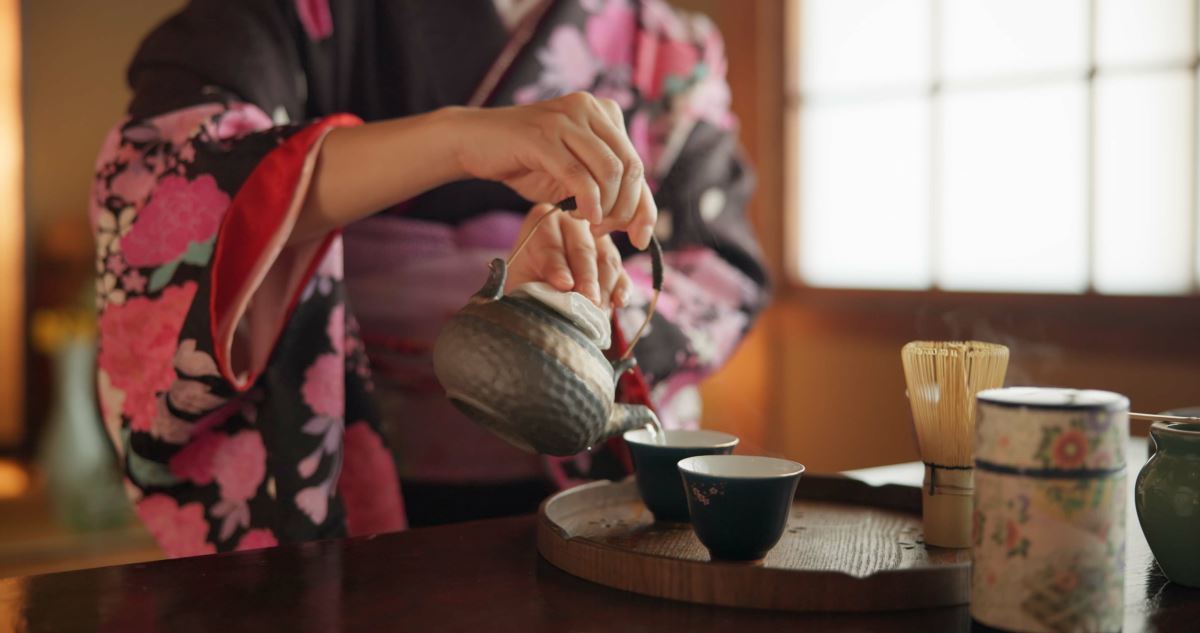
Our Small-Group Japan Food Tour, you can experience this tradition first-hand in Kyoto, alongside a wider exploration of Japan’s food culture. It’s an opportunity to pause between meals and discover the rituals and craftsmanship that sit behind one of the country’s most enduring culinary traditions.
%20(3).jpg)
“I think what surprised me most about the tea ceremony was how immersive it felt. It wasn’t simply about drinking matcha, you become aware of every movement, from the way the tea is prepared to the way the bowl is offered to you. After the noise and pace of exploring Kyoto, having that moment to sit quietly and watch the ritual unfold felt incredibly special.”
Stef Studley
Senior Product & Travel Specialist
6. Whisky from the mountains, Taiwan
Yilan's story of whisky
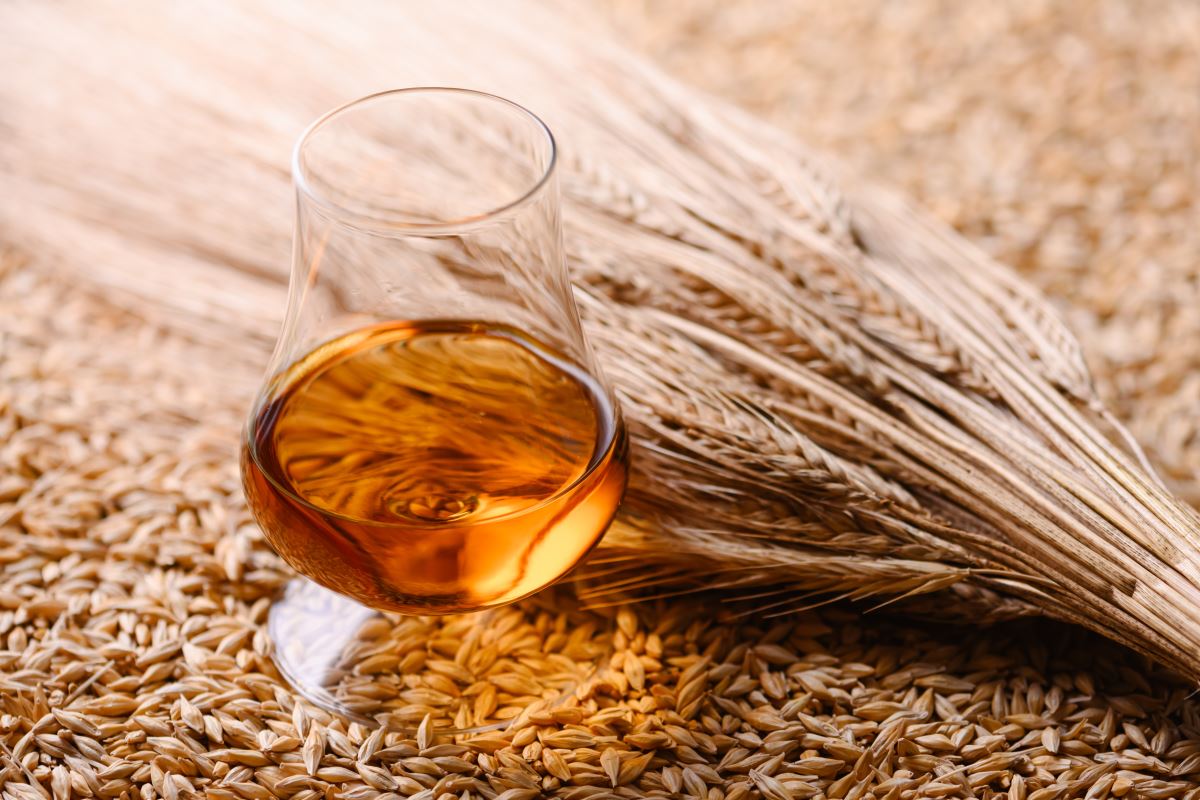 Whisky
In the lush mountains of Yilan, where warm, humid air meets cool mountain streams, Kavalan has created a whisky that has gained international recognition despite coming from a country without a long-established whisky-making tradition. The distillery draws on the region’s pure spring water and distinctive climate, creating conditions that give its whiskies a character all of their own.
Visiting Kavalan offers a chance to discover this unexpected side of Taiwan at its source. See how the whisky is made, learn about the influence of Yilan’s landscape and climate, and taste the finished spirit where it began its journey. It’s a fascinating reminder that some of Asia’s most interesting flavours aren’t necessarily the ones you expect to find, and that the place a drink comes from can be just as important as what’s in the glass.
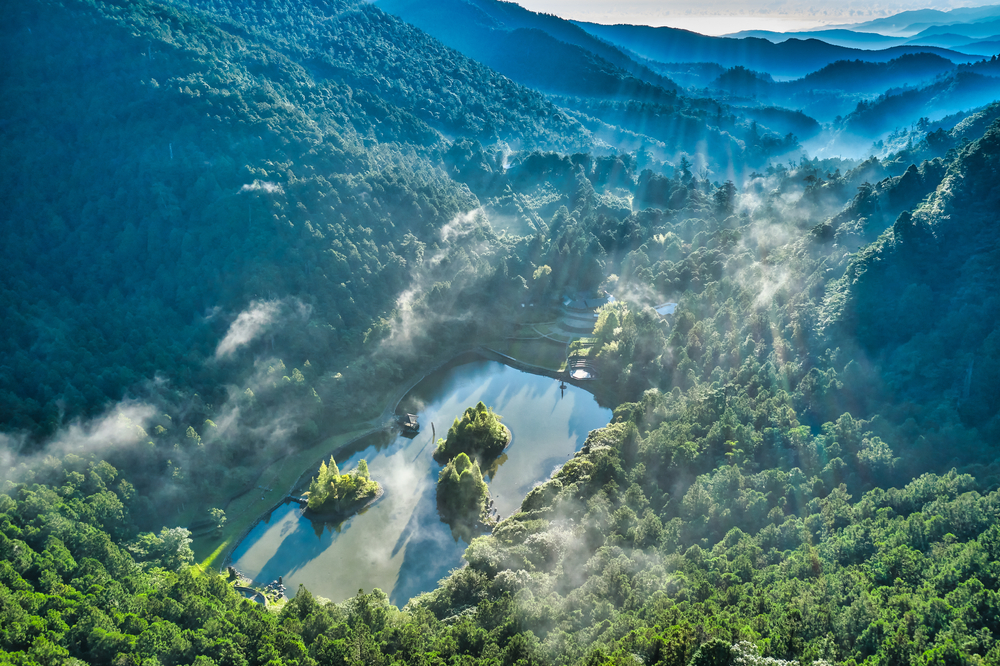 The mountains of Yilan, Taiwain
On our Taiwan Explorer Group Tour, the journey into Yilan culminates with a visit to Kavalan Whisky Distillery, where you can explore the whisky-making process and discover how the pristine water from the Central and Xueshan Mountain ranges helps shape its character. The visit comes alongside a day of travelling through Taiwan’s dramatic east coast, making the distillery feel less like a standalone attraction and more like another expression of the landscape you’ve been discovering.
"Whisky probably isn’t something you immediately associate with Taiwan, which is why Kavalan is such an interesting discovery. Yilan’s mountain water and warm climate play a big part in producing a whisky that’s now recognised around the world."
Noemi Espinosa
Senior Product Executive
7. Street Food Meets Michelin in Vietnam
A new era to street food in Hanoi
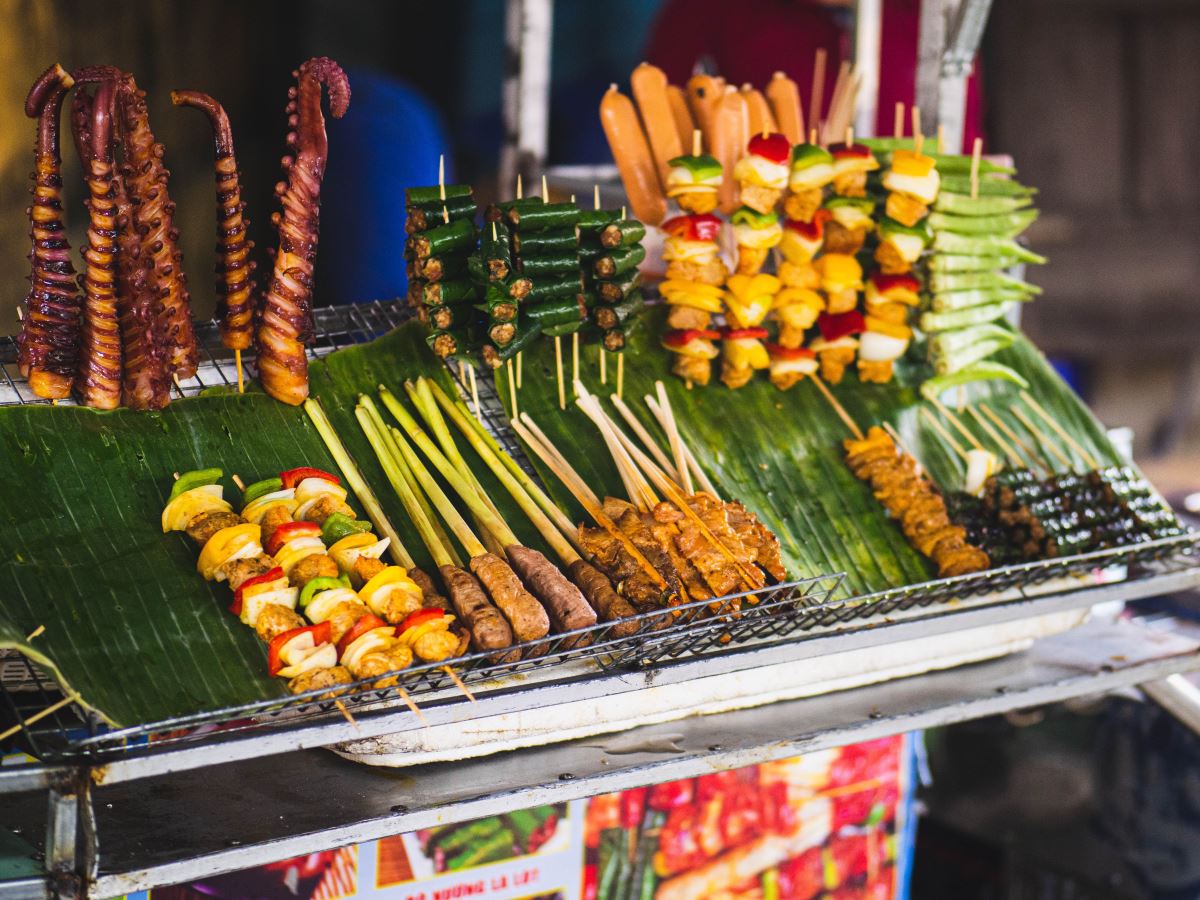 Hanoi street food
In Hanoi, some of the most memorable meals don’t come with white tablecloths. They come with tiny plastic stools, steaming bowls passed across a counter and the unmistakable sound of food being cooked just a few feet away. Street food is woven into the rhythm of the city, with family-run eateries and generations-old recipes sitting alongside cafés, markets and busy pavements.
Perhaps that is what makes Hanoi’s Michelin recognition so interesting. The MICHELIN Guide’s Bib Gourmand selection celebrates good-quality cooking at good value, and in Hanoi it includes a number of informal, local places – including several specifically categorised as street food. In the 2026 selection, family-run Bánh Cuốn Gia Truyền Thanh Vân, which has been serving bánh cuốn since 1973, was among the new Bib Gourmand entries.
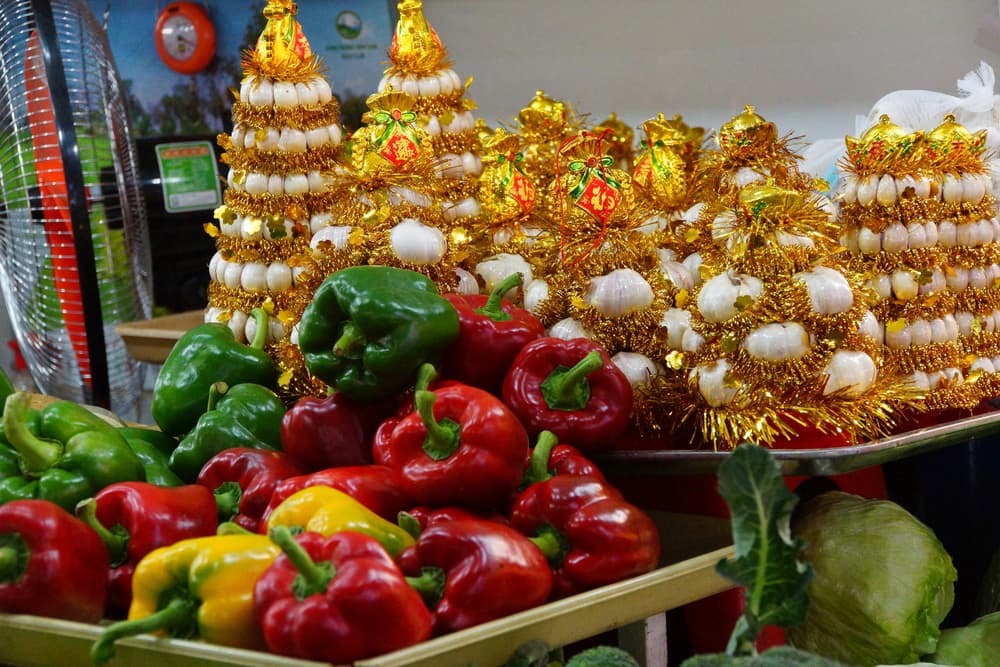 Colourful foods in Vietnam street markets
On our Best of Vietnam journey is one of our most exciting Vietnamese food tours. Your can explore Hanoi's lively street markets, where stalls spill onto busy pavements and the aromas of sizzling meats, fresh herbs and steaming bowls fill the air. From sampling local specialities to watching dishes prepared in front of you, it’s an opportunity to experience the everyday food culture of Hanoi; the people, flavours and bustling atmosphere that make the city so memorable.
%20(5).jpg)
“What struck me was that some of the best food was being served from such unassuming little places. You realise you don’t need a restaurant setting for food to be truly special.”
Daniele Boni
Product Manager
Ready to Discover Asia Through Food?
Whether you're tasting street food beneath the lanterns of Taipei, sharing a home-cooked meal in Hue or discovering the origins of wasabi in the foothills of Mt Fuji, our Travel Specialists can create a tailor-made journey that brings you closer to the flavours and stories that make Asia so unforgettable.
Contact our Travel Specialists today to start planning.