- Hike hills so green and open, they feel otherworldly.
- Meet islanders whose stone houses have stood for generations.
- Cross by boat to an island barely touched by tourism.
- Stand in endless grasslands where cliffs meet the open Pacific.
- Buy coffee from an honesty stall, no cashier in sight.

The Edge of the Philippines: 5 Days in Batanes (Add-On)
Batanes sits at the very top of the Philippines, closer to Taiwan than to Manila, and it looks nothing like the rest of the country. There are no palm-fringed beaches or tricycle-packed streets here; instead, you'll see a landscape of grass-covered hills, volcanic cliffs and stone houses built to survive typhoons. The Ivatan people who live here have a culture found nowhere else in the country, shaped by isolation and centuries of extreme weather. For travellers who have already seen the beaches and cities of the Philippines, or who want to see a side of the country that most visitors never reach, Batanes is the answer. Five days is enough to cover the main islands properly, at a pace that leaves time to actually absorb the scenery rather than rush through it.
The days are structured around Batan and Sabtang islands, each with its own character. Batan brings rolling hills at Vayang, panoramic views from Radar Tukon, and WWII history from a Japanese hideout still visible in the hillside. A boat crossing to Sabtang leads to Savidug and Chavayan, villages where Ivatan stone houses still stand and local weavers continue a tradition passed down for generations. Further south, Marlboro Country offers the kind of open, dramatic landscape that made Batanes famous among Filipino travellers, while the Honesty Coffee Shop, an unmanned stall run entirely on trust, says something about the place itself. Every transfer, hotel and guide is arranged in advance, so travellers can focus on the islands, not the logistics.
For guidance on incorporating Batanes into a longer Philippines itinerary, please get in touch with our travel specialists to put together a bespoke trip.
Tour Itinerary
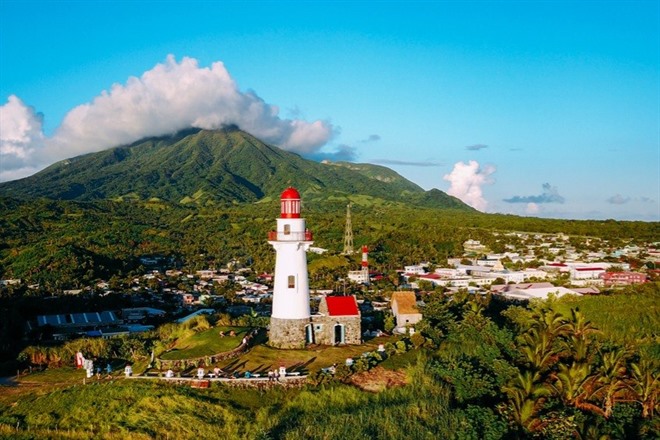
Fly north to Basco, the small capital of Batanes and about as far from the rest of the Philippines as you can get, both geographically and in feel. Closer to Taiwan than to Manila, the islands come into view from the plane as green hills rising out of open ocean. There's no traffic in Basco, no malls, just narrow roads, grazing cattle and stone houses built to survive typhoons. Check in at Fundacion Pacita, a boutique hotel set into the hillside with views over the coast, and spend the rest of the day settling in at an easy pace. There's plenty more exploring ahead, so today is about getting your bearings and a first look at the town and surrounding hills.
Flights to Batanes run on small aircraft with strict baggage limits, usually 10kg check in and 7kg hand carry per person, so pack light.
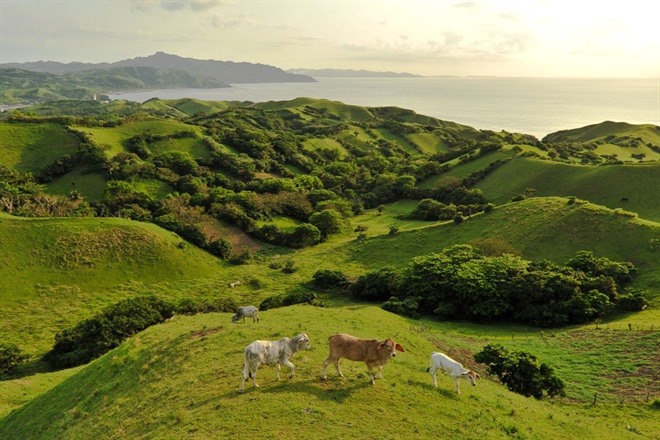
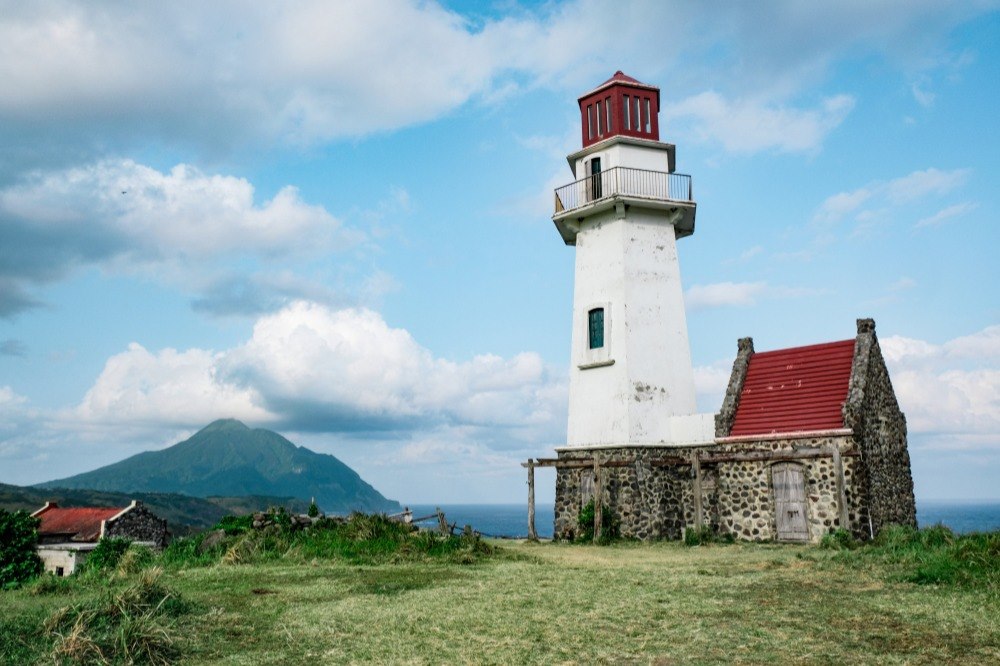
Today's tour covers the wilder side of Batan Island, starting with a hike up to Radar Tukon, passing the remains of Idjang Fortress, an old hilltop stronghold once used by the Ivatan for defence. From there, the route continues to a WWII Japanese hideout tucked into the hillside, then Valugan Boulder Beach, a shoreline made entirely of smooth volcanic rock rather than sand. The highlight for today is Vayang Rolling Hills, the sweeping green landscape that's become the defining image of Batanes. Nearby, Naidi Lighthouse gives uninterrupted views out over the coast. The day wraps up back in town with a look at Sto. Domingo Church, Basco Plaza, the old Casa Real, and Kilometer Zero, the marker from which all distances in Batanes are measured from. (B,L)
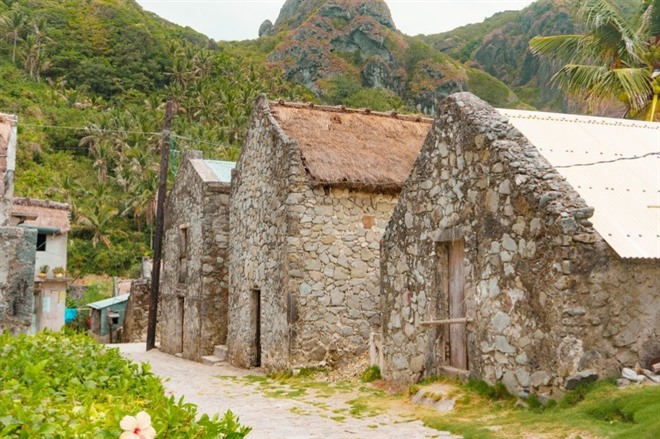
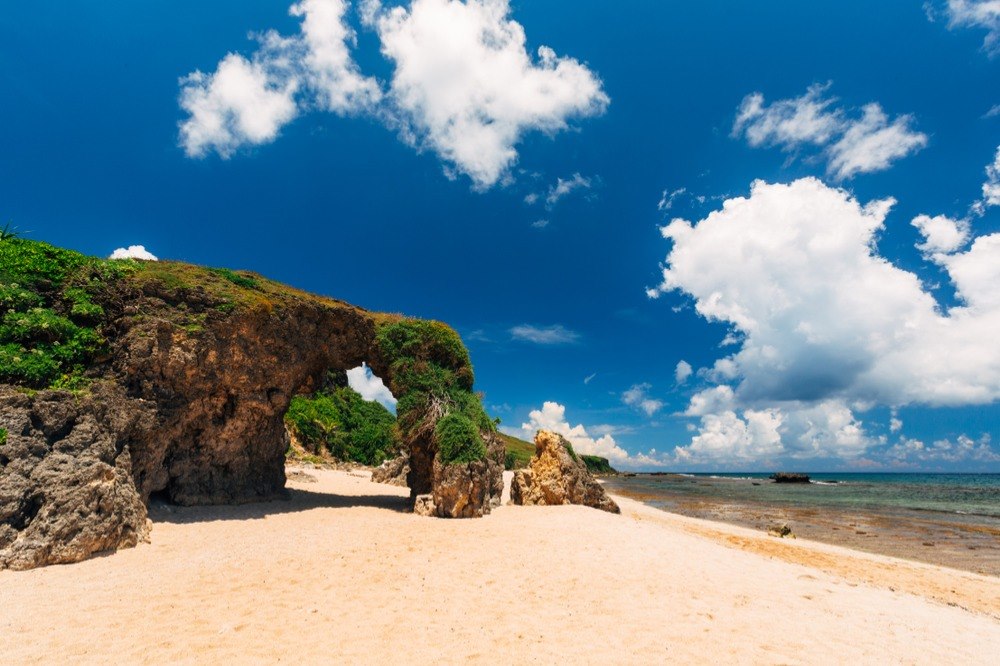
Today crosses open water to Sabtang, widely considered the most traditional of the Batanes islands. The boat ride alone sets the tone, with steep cliffs rising straight from the sea. On arrival, San Vicente Ferrer Church and the stone houses of Savidug Village show Ivatan architecture at its most authentic, built low and thick walled to withstand the region's fierce typhoons. At Sto. Tomas de Aquinas Chapel and a nearby limestone production site, local building traditions come into view, followed by the dramatic Chamantad Cove viewpoint. In Chavayan Village, meet members of the Chavayan Weavers Association, who continue a textile tradition passed down through generations of Ivatan women. The day ends at Nakabuang and Morong Beaches, home to the striking natural Ahaw Arch, a fitting final image of Sabtang's raw, untouched coastline. (B,L)
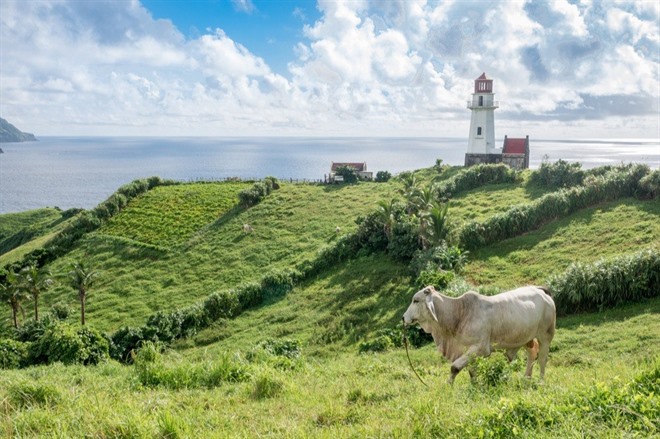
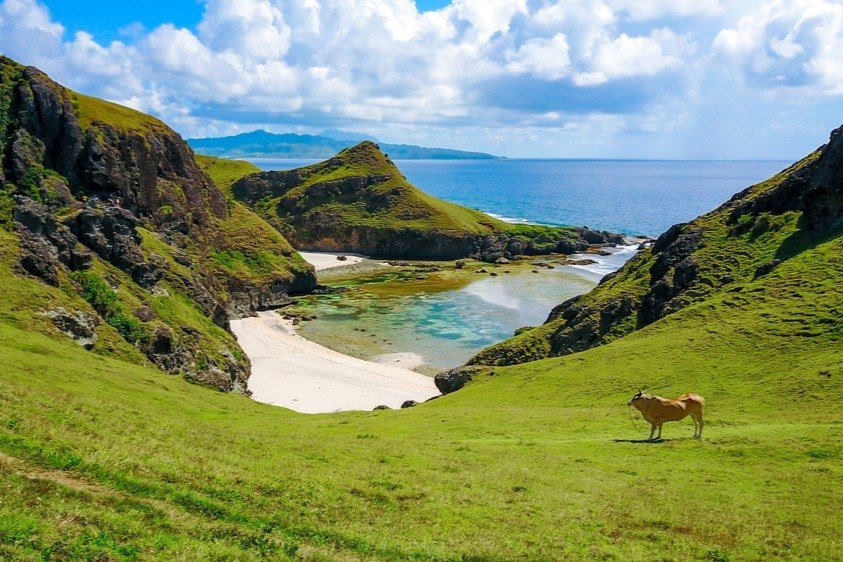
The last full day covers Batan's southern coast, starting at Chawa Viewdeck, which looks straight down over Mahatao Shelter Port. Nearby, Diura Fishing Village and the Homoron Blue Lagoon offer a quieter side of island life. The main stop is Racuh a Payaman, better known as Marlboro Country, where grasslands stretch out uninterrupted to the horizon. Alapad Hills adds another dramatic rock formation to the route, followed by a run of historic sites, the Imnajbu Old LORAN Station, San Lorenzo Ruiz Chapel, Song Song Ruins, and the House of Dakay, the oldest house in Batanes. The day finishes at the Honesty Coffee Shop, an unmanned roadside stall where you serve yourself and leave payment on trust, a small detail that says a lot about how things work here. (B,L)
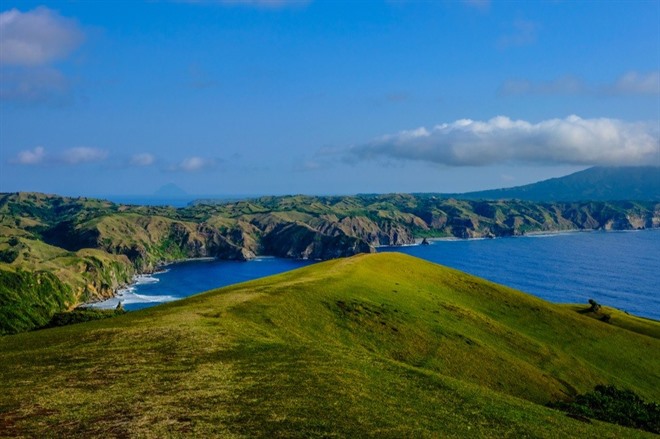
A final morning in Basco before flying back south to Clark, wrapping up five days in the northernmost islands of the Philippines. (B)
Pricing Information
Price Includes
- All taxes and charges
- Accommodation and meals as specified
- Transfers as specified
- Activities and excursions as specified
- All entrance fees for sightseeing tours as specified
Price Excludes
- International flights
- Travel insurance
- Any meals not specified in the itinerary
- Tips and gratuities
- Optional excursions
Price Includes
Price Excludes
Price Notes
- Price is based on 2 adults travelling together with a 15 March 2027 departure
- This add-on must be booked as part of a minimum 10-night itinerary
- All flight rates are correct at the time of publication but remain subject to change by the airlines. The exact airfare and any applicable taxes or surcharges will be reconfirmed at the time of booking.
- Holiday and peak season surcharges are not included in the above prices. Additional charges may apply during peak travel periods, including 15 December to 10 January, and will be confirmed at the time of booking.
- This is a suggested itinerary that can be customised to suit your preferences. We can remove certain excursions or add other destinations as needed. This provides an overview of what you can experience in the area, but it is by no means exhaustive. Please reach out to one of our travel specialists who can assist you in creating your ideal holiday.
Tour Route Map
- Philippines, Batanes
Tour Accommodation
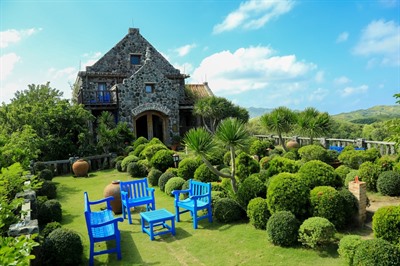
Image Gallery