- Enjoy boutique yacht-style cruising aboard Le Jacques Cartier with just 184 guests
- Spend more time exploring ashore with only one day dedicated to cruising
- Explore hidden islands by Zodiac, reaching places larger ships simply cannot
- Learn from expert naturalists through guided landings and engaging onboard seminars
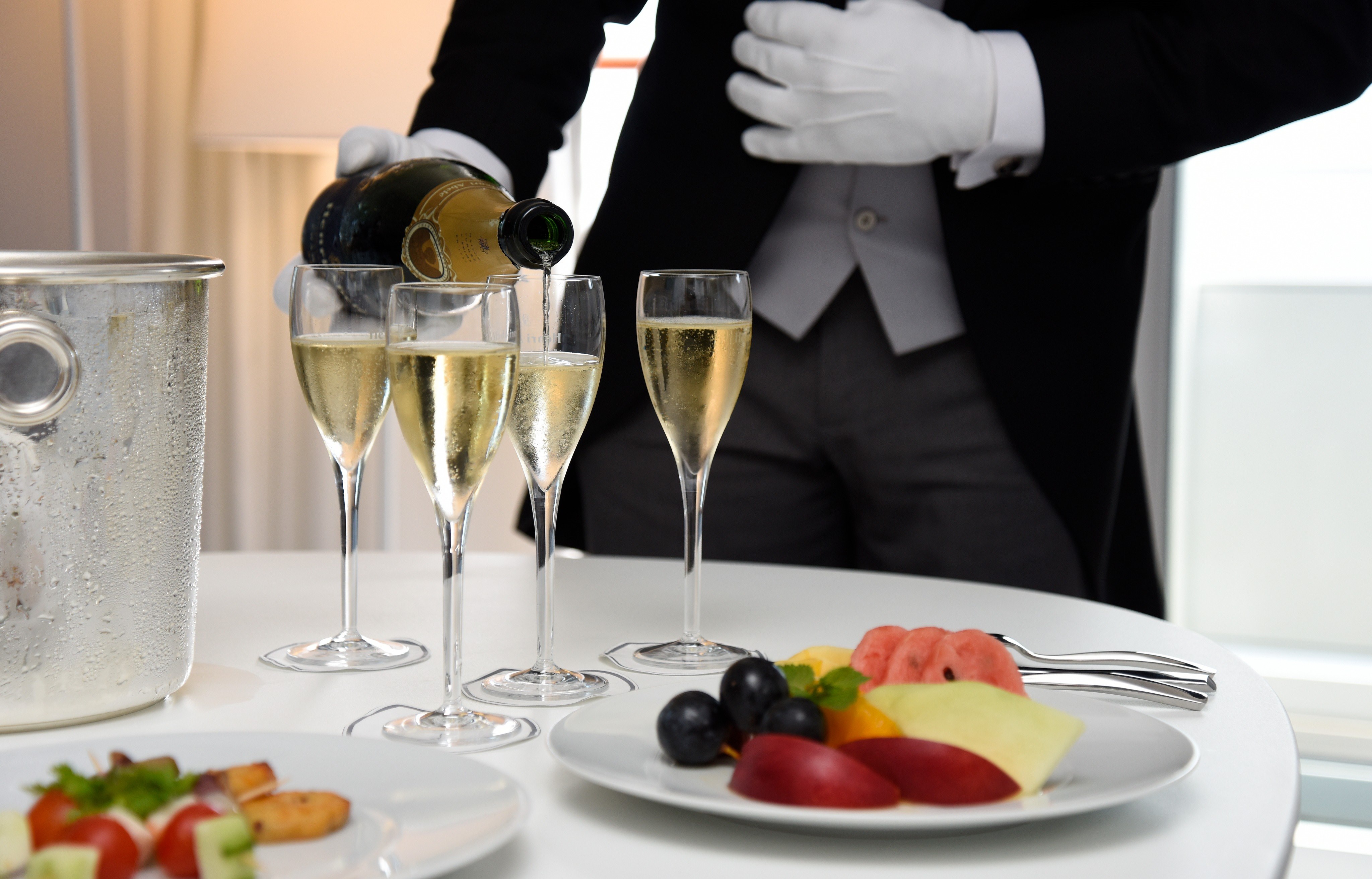
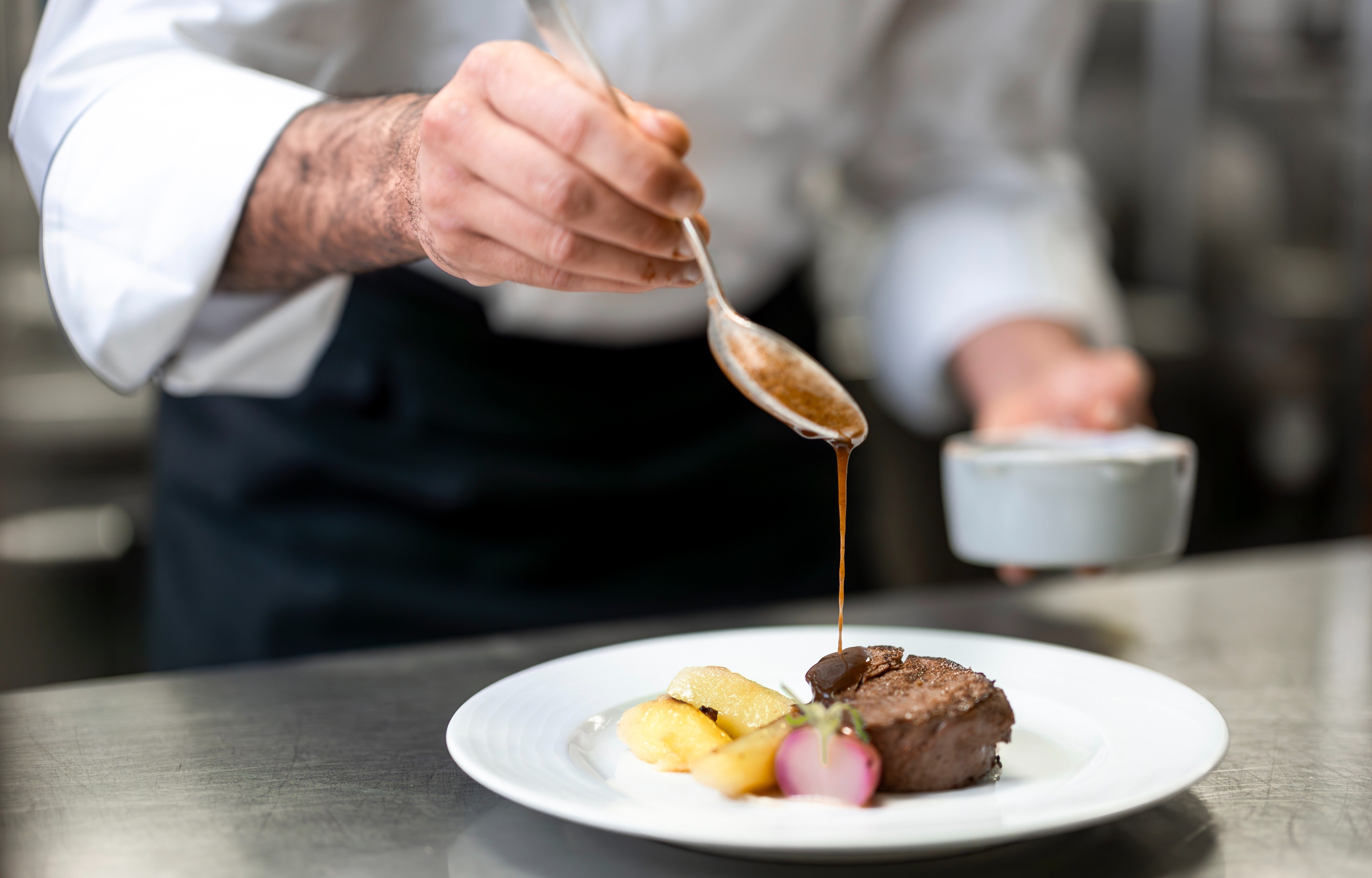
- Dine on Michelin-inspired cuisine overseen by Alain Ducasse through Ducasse Conseil

Japan's Hidden Shores: An Exclusive Ponant Cruise
| 2027 |
|---|
| 22 Mar - 06 Apr |
This first-ever sailing of Ponant's Le Jacques Cartier along this Japan luxury expedition cruise offers a different way to experience the country.
Beginning with time in Tokyo before boarding one of Ponant's luxury expedition yachts, you'll travel aboard an intimate vessel carrying just 184 guests. The yacht-style experience combines personalised service with the ability to reach smaller ports, secluded islands and coastal communities that are beyond the reach of larger cruise ships. Your stay in Tokyo introduces Japan's samurai traditions before you sail south through lesser-visited corners of the country, visiting historic port towns, artistic islands and coastal communities that are rarely included on mainstream cruise itineraries, with a stop in the culture-rich Busan, South Korea.
The cruise is fully all-inclusive, with fine dining, premium drinks, shore excursions and onboard enrichment included. Naturalist talks, exclusive cultural events and culinary demonstrations enrich your journey, while Michelin-starred chef Alain Ducasse oversees dining alongside renowned Japanese guest chefs. With just one full day at sea, you'll spend most of your time exploring ashore, arriving by Zodiac at remote landings or discovering historic towns. Combining exceptional access, expert insight and small-ship luxury, this is an outstanding way to experience Japan beyond its major cities.
Tour Itinerary
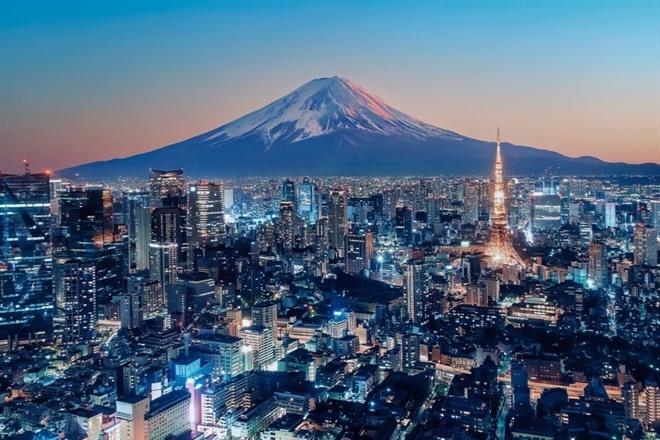
Arrive in Tokyo and transfer to your hotel for a two-night stay. The remainder of the day is free to settle in and begin exploring at your own pace. Japan’s capital can initially feel enormous, but its neighbourhoods each have a distinct character, from the bright commercial streets of Shibuya and Shinjuku to quieter areas filled with small shrines, specialist shops and local restaurants. You may prefer to rest after the journey or head out for your first taste of the city, perhaps exploring a nearby neighbourhood and stopping for ramen, sushi or yakitori.
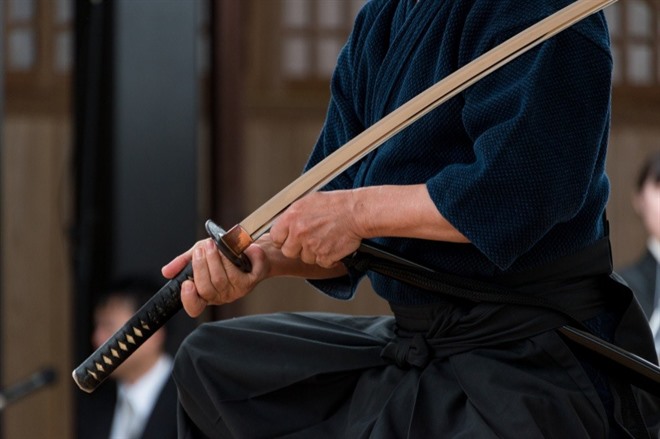
Spend half a day exploring Japan's samurai heritage through an authentic batto (samurai swordsmanship) experience. Guided by qualified instructors, watch a demonstration of shizan, the traditional art of trial cutting, before learning the correct forms and techniques for handling a real katana. Far removed from a simple costume experience, this is a practical introduction to a martial art that remains deeply rooted in Japanese tradition. If you wish, you can also wear a hakama, the traditional training attire used in Japanese martial arts. The remainder of the day is at leisure to continue exploring Tokyo at your own pace. (B)
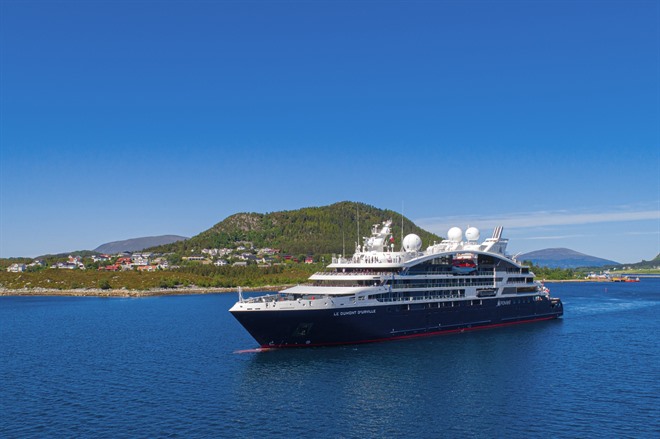
Transfer from Tokyo to the port of Yokohama, where you will board Le Jacques Cartier. Settle into your cabin and explore the ship before the voyage begins. Carrying just 184 guests, the vessel offers a more intimate alternative to a conventional cruise ship, with restaurants, lounges, outdoor spaces, a pool and areas dedicated to lectures and performances. Yokohama was one of Japan’s first ports to open to international trade, and its waterfront reflects the city’s long maritime history. Sail from Tokyo Bay this evening as the journey along Japan’s lesser-visited coastline begins. (B,D)
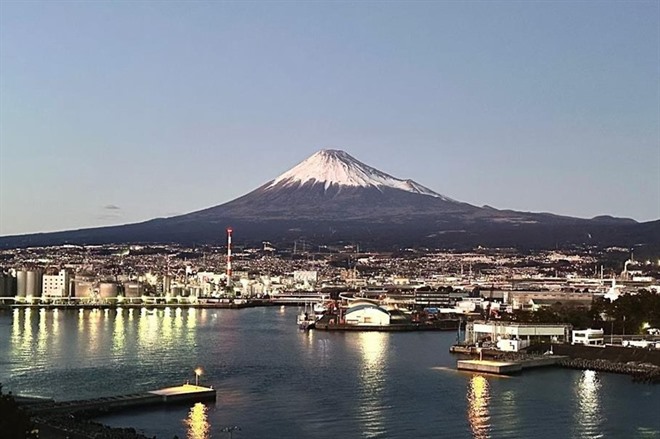
Arrive in Tagonoura, a working fishing port in Shizuoka Prefecture with Mount Fuji rising behind it on clear days. The landscape has appeared in Japanese poetry and in woodblock prints by Hokusai and Hiroshige, giving today’s visit a direct connection to some of the country’s best-known art. A planned excursion includes the Mount Fuji World Heritage Centre and Fujisan Hongu Sengen Taisha, the principal shrine associated with the mountain. There's also a chance to take part in a Japanese tea experience and a sightseeing train journey. Lunch is enjoyed locally before returning to the ship. (B,L,D)
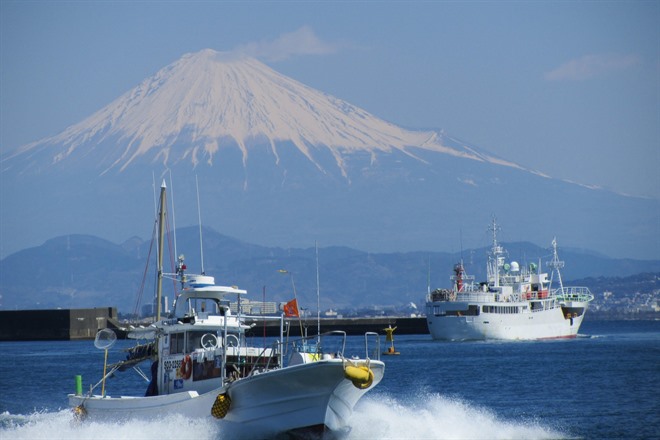
Yaizu is one of Japan’s leading fishing ports, particularly known for tuna and bonito. Today’s planned experiences draw on the city’s seafood heritage and Shizuoka’s wider cultural traditions. Onboard, fifth-generation fish expert Naoki Maeda presents Morning Catch Meets Mastery, explaining how skilled preparation brings out the natural flavour of fish sourced from local fishermen. His family business has supplied chefs across Japan, including several working in Michelin-starred restaurants. Other planned experiences include an introduction to matcha in one of Japan’s most important tea-producing regions and a hands-on traditional craft workshop, offering a choice between food culture and creative heritage. (B,L,D)
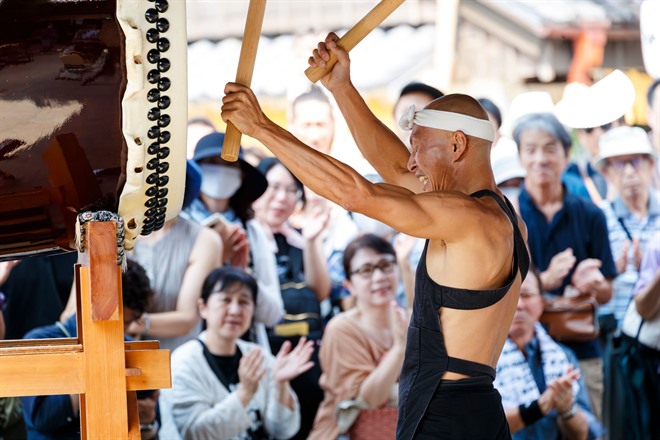
Travel by tender to Toba before continuing inland to the Ise area. Explore Okage Yokocho, a district of traditional-style buildings, food stalls and shops near Ise Grand Shrine. The shrine is one of the most important sites in Shinto and has been rebuilt at regular intervals for centuries as part of a long-established renewal tradition. You may join a prayer experience within its forested grounds. There's also a chance to enjoy a taiko drum performance, try wearing a kimono and paint your own maneki-neko, the familiar beckoning cat associated with luck and prosperity. Lunch is served locally before returning to Toba and the ship. (B,L,D)
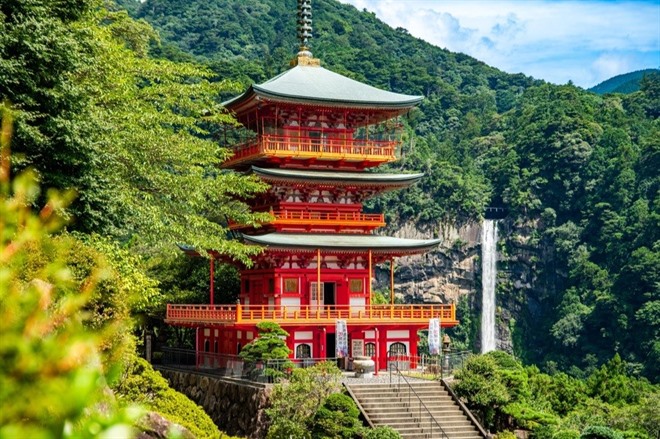
Go ashore by Zodiac in Katsuura, a fishing town known for its fresh tuna landings. Begin with the chance to observe a tuna auction and taste fish landed at the port, offering a close look at an industry that continues to shape the local economy. After lunch onboard, travel into the Nachi area to explore part of the UNESCO-listed Kumano Kodo pilgrimage network. Walk through a landscape travelled by pilgrims for centuries before visiting Seiganto-ji Temple and Nachi Waterfall. The temple’s pagoda is positioned against the waterfall and surrounding forest, creating one of the region’s most distinctive views. Return to the port and rejoin the ship by Zodiac. (B,L,D)
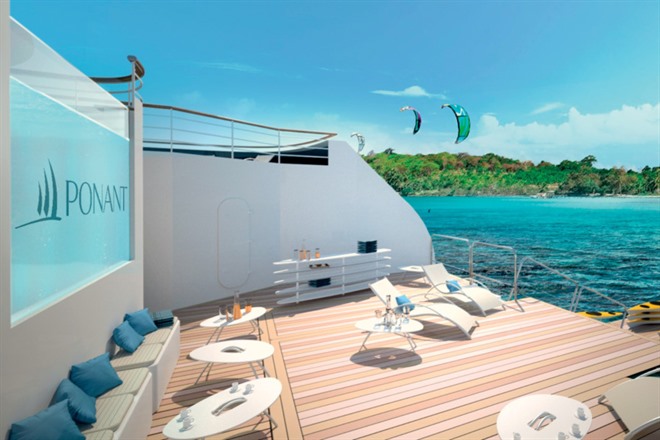
Spend the voyage’s only full day at sea travelling west towards Hagi. With almost every other day devoted to a port, this is an opportunity to enjoy the facilities of Le Jacques Cartier and take part in the onboard programme. Attend presentations led by the ship’s naturalists, who provide context on the landscapes, wildlife and coastal environments encountered during the voyage. An exclusive sushi performance is also planned, led by Yoshinori Tezuka, the fourth-generation owner of Matsunozushi. His international work has included private events in Europe and the United States, as well as the First Ladies’ luncheon during the 2019 G20 Osaka Summit. (B,L,D)
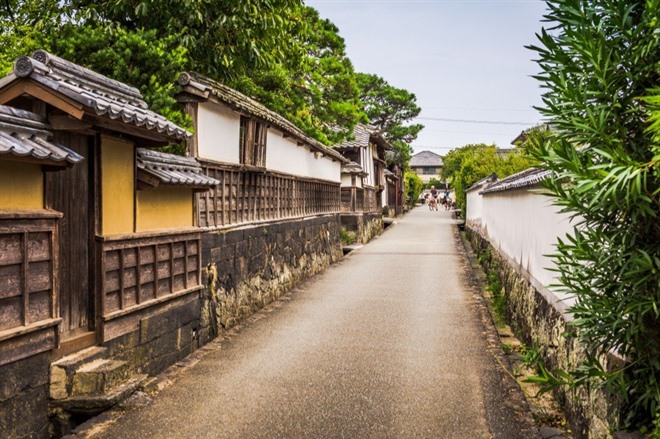
Land by Zodiac near Hagi-Hakkei, providing direct access to the historic castle town. Hagi played an important role in the political changes that led to the end of samurai rule and the creation of modern Japan. Explore the former castle grounds, Shizuki Park and streets lined with preserved samurai and merchant residences. Later, planned experiences include a dynamic calligraphy performance, a visit to a Hagi-yaki pottery kiln and a matcha tea ceremony. You may also see a Japanese martial arts performance at Yubikan, the historic wooden dojo where samurai once trained with swords and spears. Return to the ship by Zodiac from Kikugahama Beach. (B,L,D)
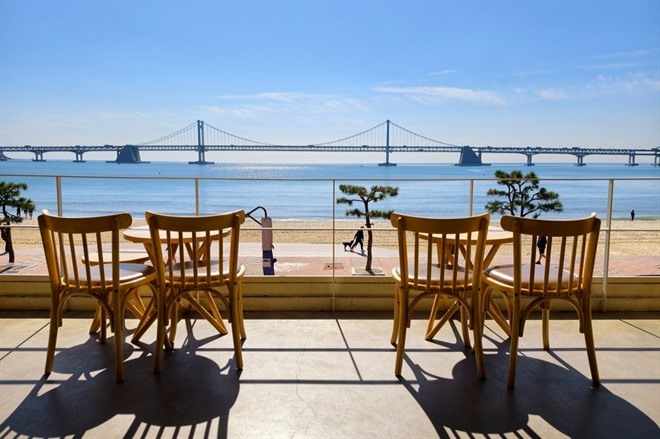
Arrive in Busan, South Korea’s second-largest city and its principal port. The city spreads between mountains and the sea, combining busy markets, modern districts, temples and a coastline of beaches and rocky headlands. Food-focused visitors may wish to explore its seafood culture and markets, while those interested in history and religion can visit one of the temples found around the surrounding hills and coast. Busan’s setting and pace provide an interesting contrast to the smaller Japanese ports visited during the voyage. (B,L,D)
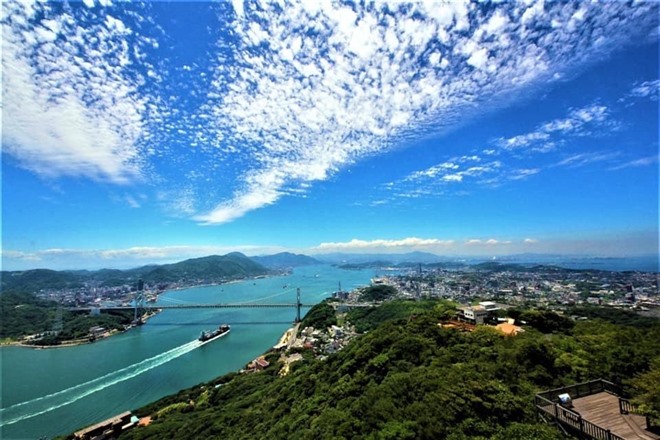
Dock in Shimonoseki, positioned beside the narrow Kanmon Strait separating Honshu and Kyushu. Travel along the waterfront towards the historic Chofu district, visiting Kozan-ji Temple and the Chofu Mohri Residence. The latter was built for the former feudal family that governed the area and provides an insight into the architecture and lifestyle of Japan’s ruling class. Views of the Kanmon Strait reveal one of the country’s busiest and most strategically important waterways. After returning to Le Jacques Cartier, a performance of Shimonoseki’s traditional Jōrō Dōchū procession may take place as part of the onboard cultural programme. (B,L,D)
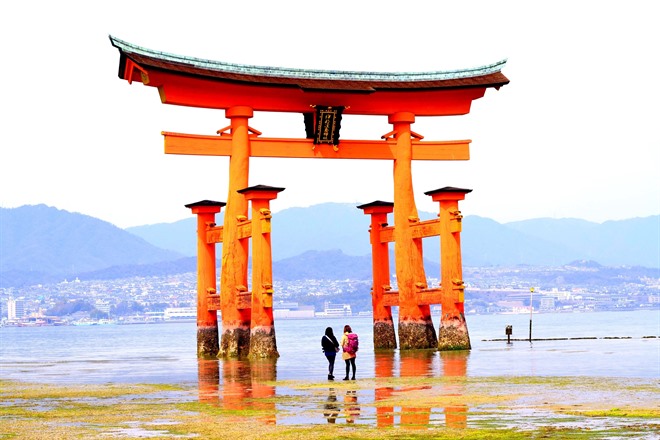
Early risers can travel ashore by tender before the regular ferries arrive, experiencing Miyajima before its busiest period. Explore the island at leisure, including UNESCO-listed Itsukushima Shrine, whose corridors and buildings stand over the tidal shoreline. The shrine’s appearance changes with the water level, while its large red torii gate has become one of Japan’s most recognisable sights. You may also visit Daisho-in, the island’s oldest Buddhist temple, where a prayer or seated Zen meditation experience is available. Its hillside grounds contain halls, statues and views across the Seto Inland Sea. Return to the ship by tender for lunch. (B,L,D)
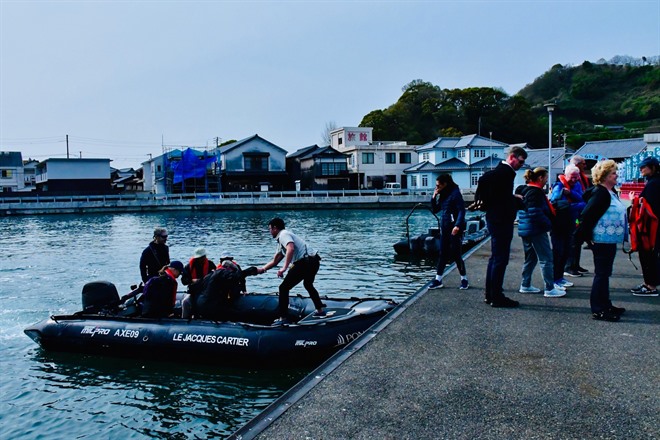
Land by Zodiac in Mitarai, a preserved port settlement on Osakishimojima Island. The town prospered during the Edo period as ships waited here for favourable winds and tides while travelling through the Seto Inland Sea. Walk through its narrow lanes using historic maps, passing wooden merchant houses, former inns and buildings connected to its maritime past. Local residents display handmade crafts, lucky charms and flowers, adding a personal element to the visit. Live performances of gagaku, the ancient music once heard at the imperial court, and the koto, a traditional stringed instrument, are planned during the day. Return to the ship by Zodiac. (B,L,D)
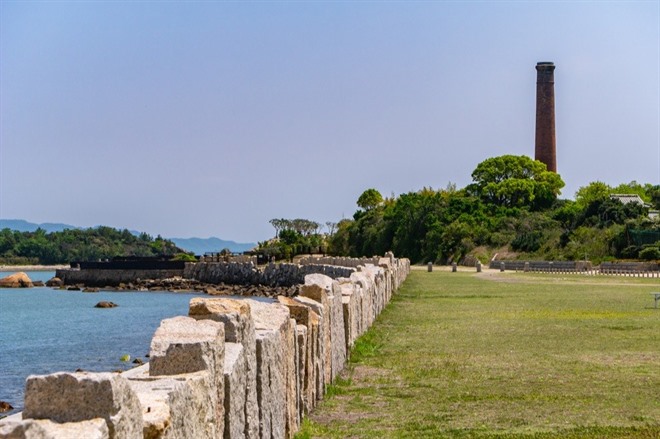
Travel ashore by Zodiac to explore Inujima, a small island with an unusual mixture of industrial history, village life and contemporary art. Once a source of stone used in major Japanese castles, the island later became home to a copper refinery built in 1909. Its remains now form the Inujima Seirensho Art Museum, where the architecture and installations respond directly to the former industrial site. Continue to the Art House Project, which places contemporary works inside and around traditional homes scattered through the village. There is also time to follow the coastal path and take in views across the Seto Inland Sea before returning by Zodiac. (B,L,D)
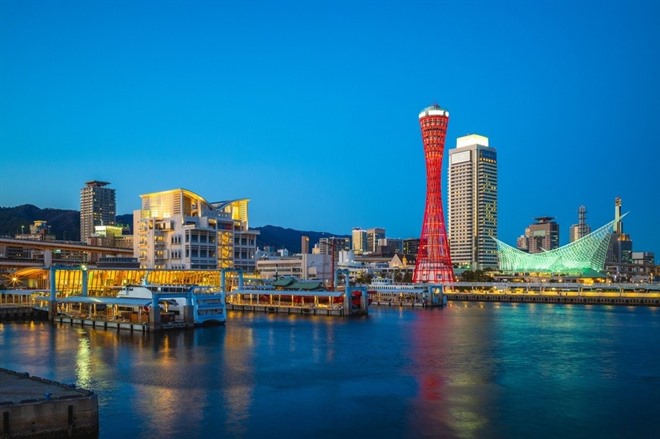
Arrive in Kobe and disembark Le Jacques Cartier, bringing the cruise to an end. Set between the Rokko Mountains and the Seto Inland Sea, Kobe has been shaped by its history as an international trading port. The city is known for its waterfront, former foreign residences, sake-producing districts and Kobe beef, while nearby Mount Rokko and Arima Onsen offer access to mountain scenery and hot springs. Transfer to the Kansai Airport is included, or contact one of our travel specialists to extend your stay to explore Kobe and the wider Kansai region. (B)
Pricing Information
Price Includes
- Return international flights as per the itinerary
- All taxes and charges
- Accommodation and meals as specified
- Transfers as specified
- Activities and excursions as specified
- All entrance fees on sightseeing tours as specified
Price Excludes
- Travel insurance
- Crew gratuities are not included and are payable locally at EUR 12 per person, per day.
Price Includes
Price Excludes
Price Notes
- Please note that the itinerary and included activities may be subject to change due to weather, seasonal conditions or operational reasons.
- This itinerary is also available as a shorter 8-day (Yokohama to Busan) or 6-day (Busan to Kobe) voyage, allowing you to experience part of the route if you have less time available. Contact our Travel Specialists for pricing and to discuss which option best suits your plans.
- Prefer to explore a different region? Ponant also operates an alternative 12-day voyage through Kyushu, with the same 8-day and 6-day cruise options available. Speak to our Travel Specialists to find out more about these alternative itineraries and departures.
- Le Jacques Cartier operates on an all-inclusive basis. Your cruise fare includes all onboard meals, a curated selection of alcoholic and non-alcoholic beverages (excluding selected premium wines and spirits), in-cabin refreshments, room service and onboard entertainment.
- A programme of complimentary shore excursions is available at every port of call, showcasing exclusive experiences designed specifically for Ponant guests.
- Onboard purchases, including premium wines and spirits, spa and salon treatments, boutique shopping, laundry services and other personal expenses, are charged to your Cruise Card, which also serves as your cabin key and onboard identification. The balance is settled using the credit card registered at embarkation.
- Price is based on 2 adults travelling together with a 22 March 2027 departure
- All flight rates are correct at the time of publication but remain subject to change by the airlines. The exact airfare and any applicable taxes or surcharges will be reconfirmed at the time of booking.
| Itinerary Dates | From Price | Single Room Supp. | |
|---|---|---|---|
|
22 Mar 2027
-
06 Apr 2027
|
£19100 | £12700 |
Ponant's Le Jacques Cartier
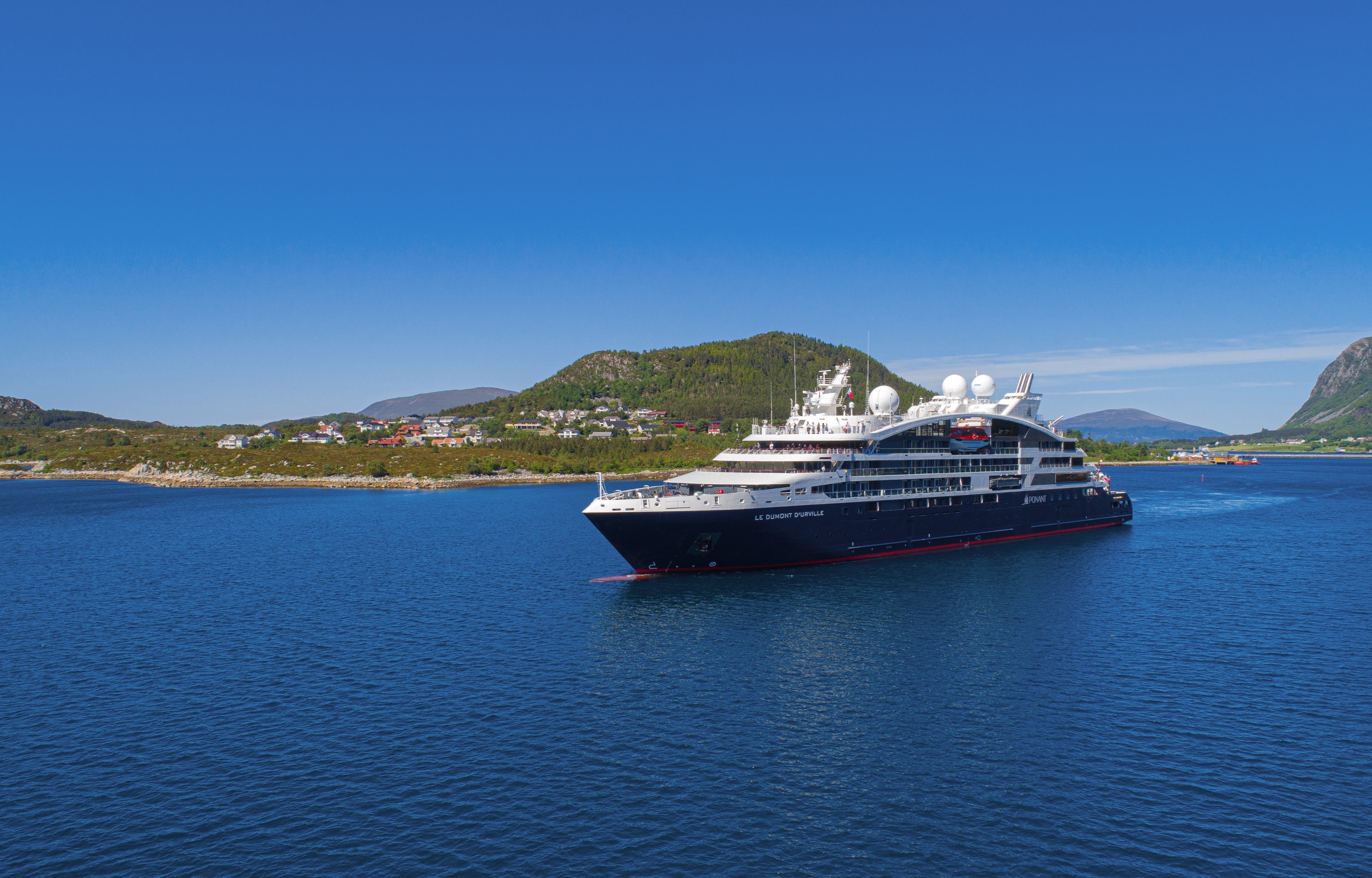
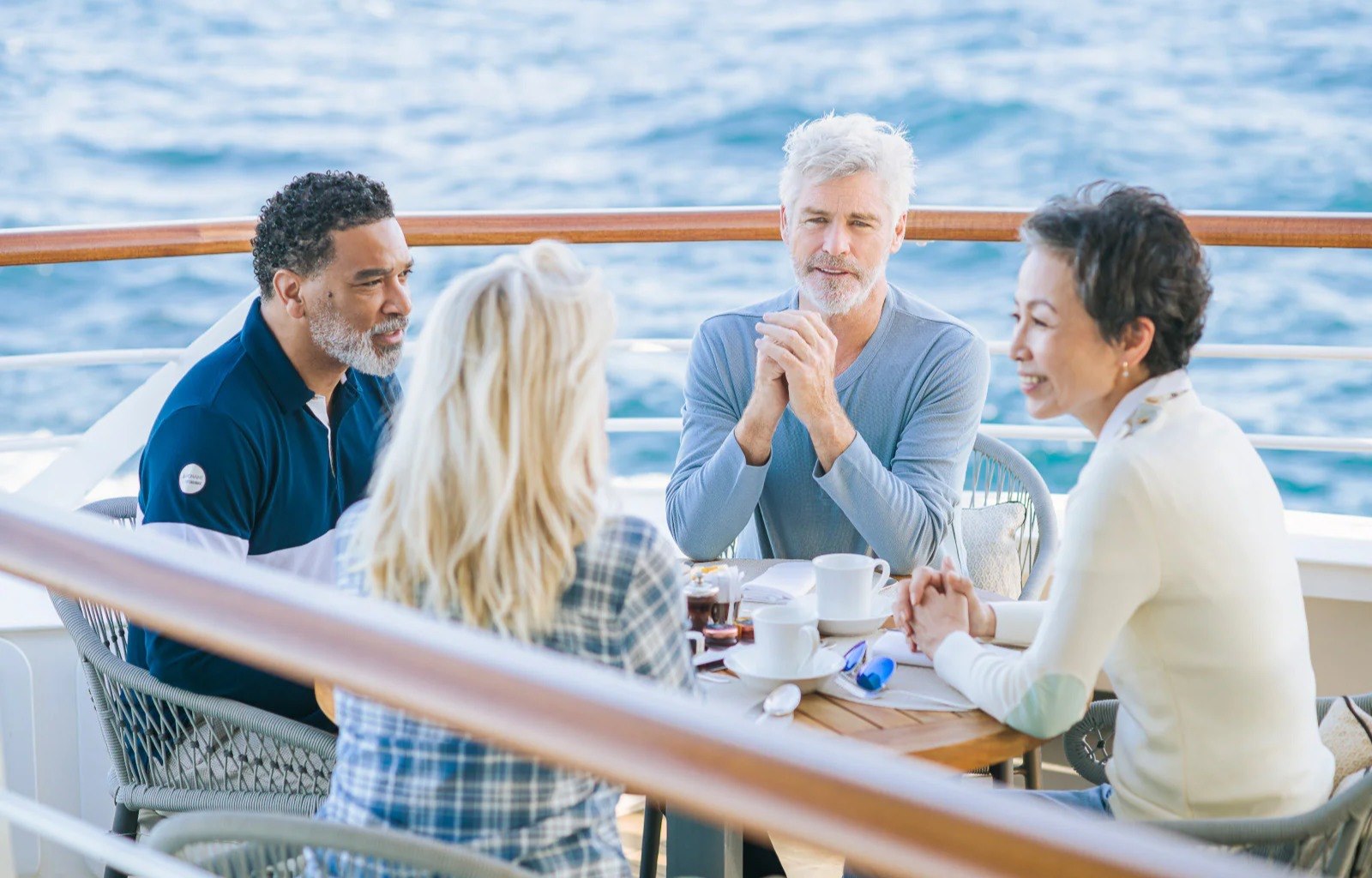
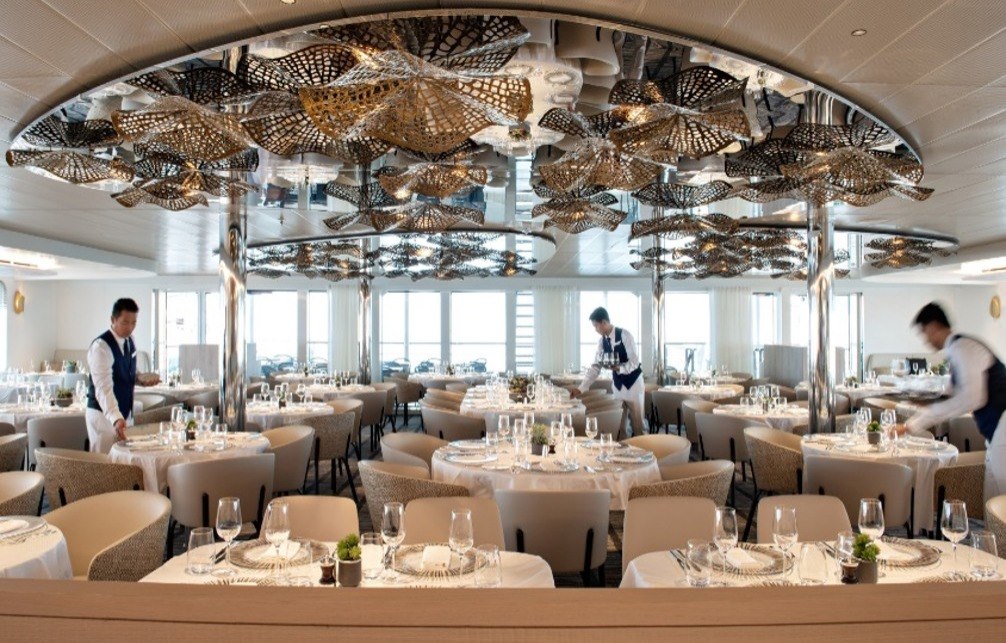
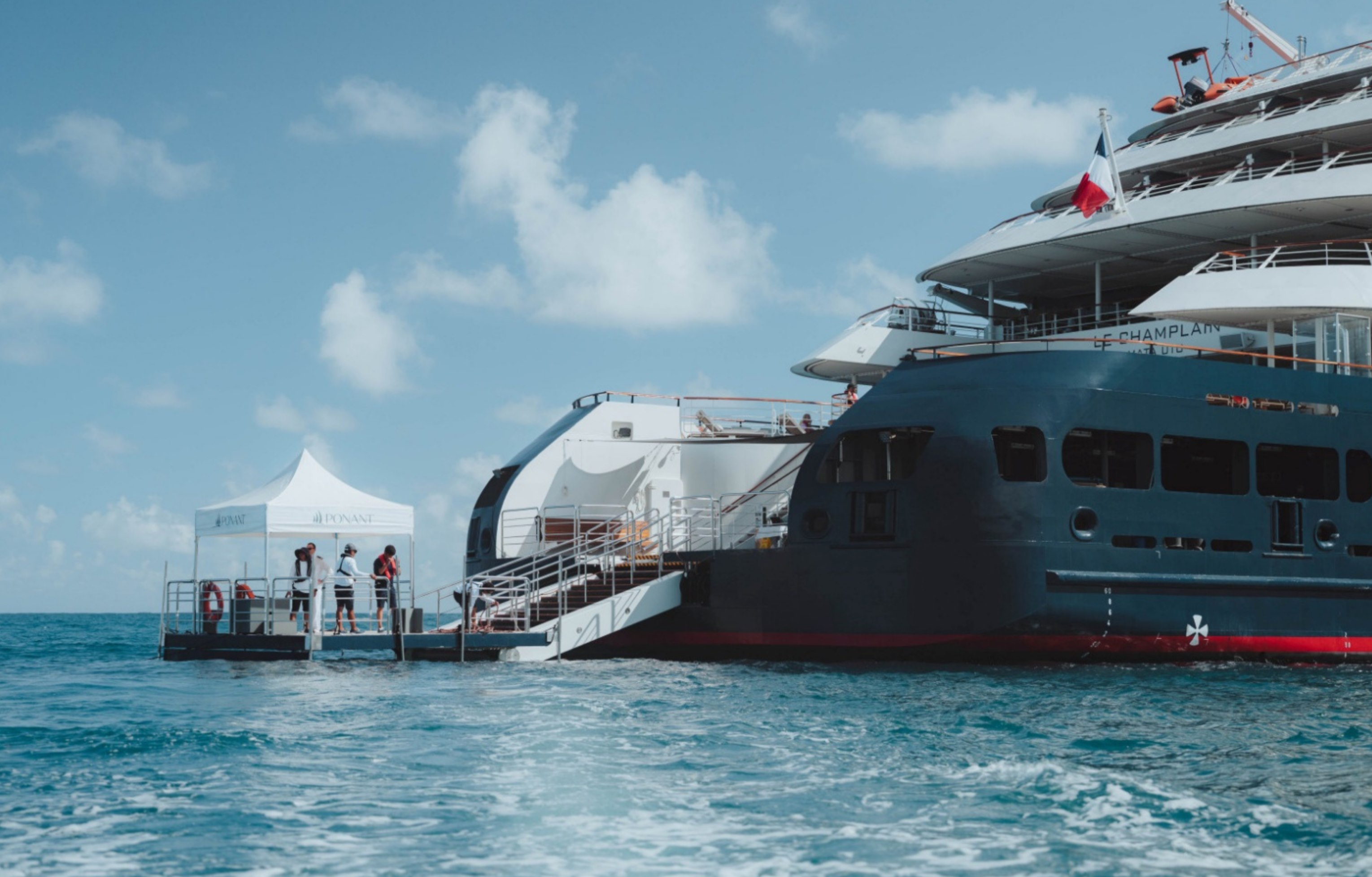
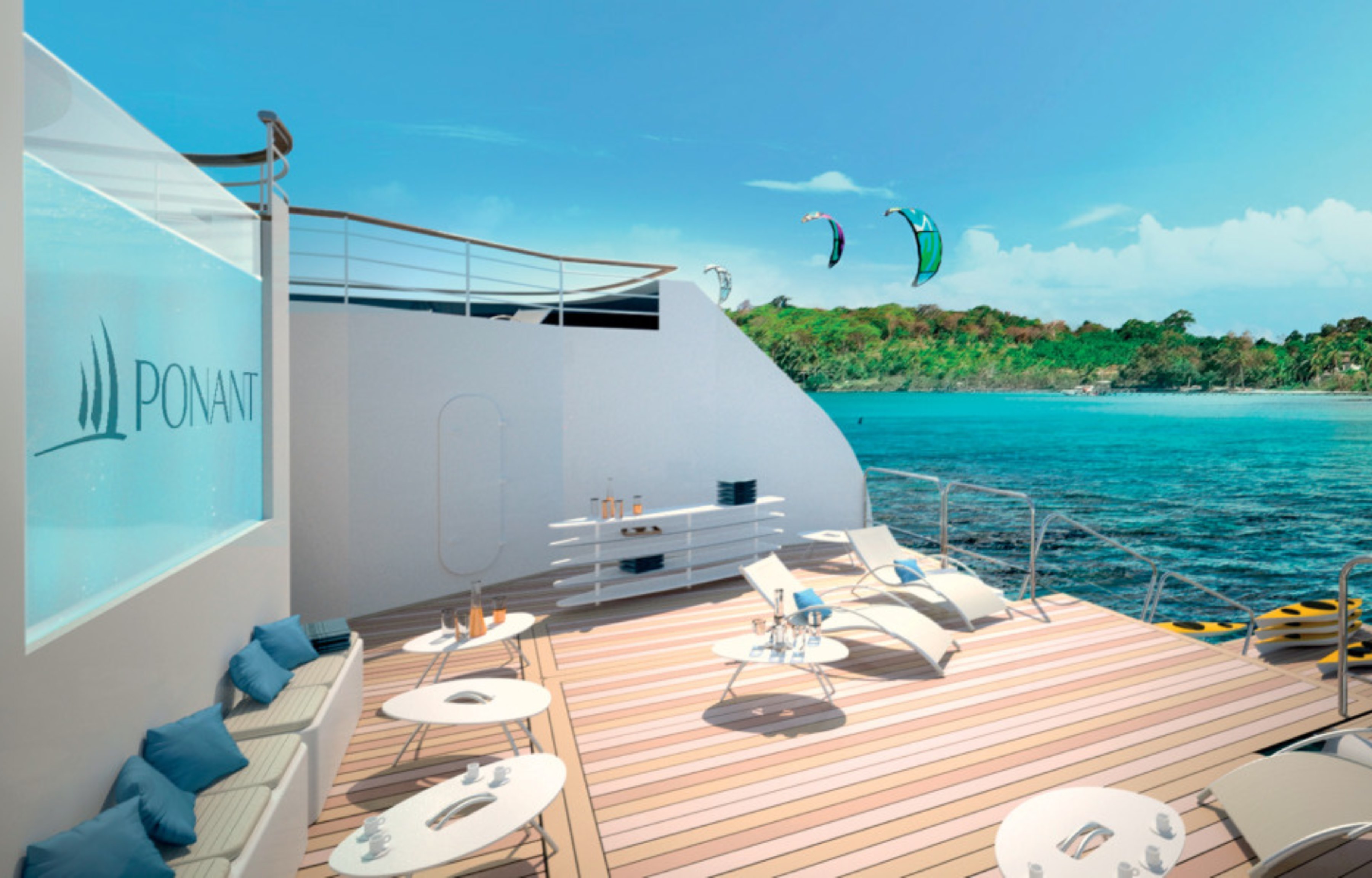
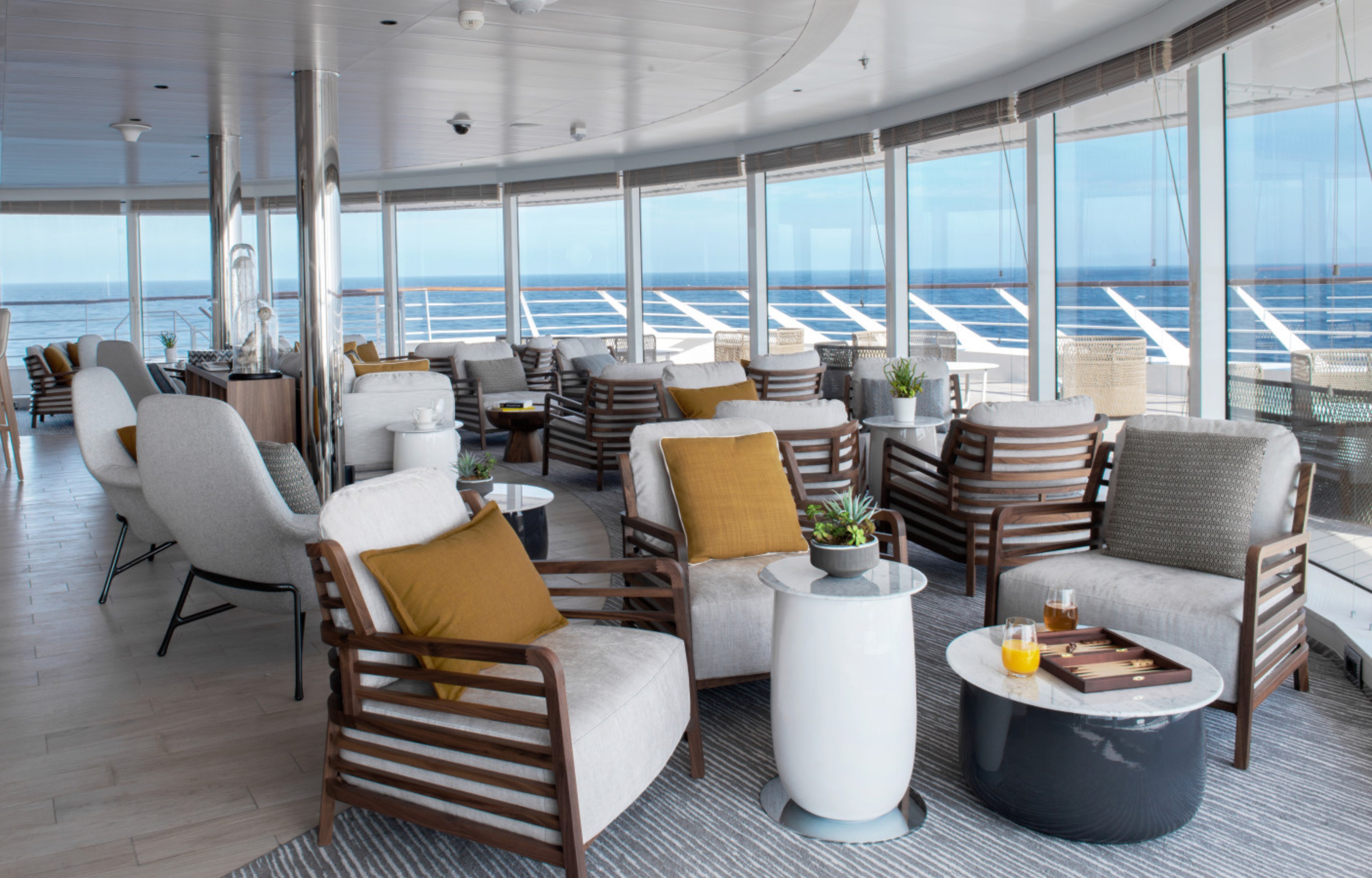
Le Jacques Cartier is a small expedition ship carrying a maximum of 184 guests in 92 staterooms and suites, creating a more intimate onboard atmosphere than a traditional cruise ship. Public spaces include a main restaurant, grill restaurant, theatre, lounges and bars, outdoor swimming pool, marina platform, fitness room, spa with hammam, and boutique. The theatre hosts lectures by the expedition team and naturalists, alongside cultural performances during the voyage. Accommodation ranges from balcony staterooms to spacious suites, all with private balconies overlooking the sea. Standard cabin facilities include a king-size or twin beds, ensuite bathroom, individually controlled air conditioning, minibar, safe, television, Wi-Fi and 24-hour room service. Throughout the voyage, dining is supervised by Michelin-starred chef Alain Ducasse through Ducasse Conseil.
Tour Route Map
- Japan, Tokyo
- Japan, Yokohama
- Japan, Tagonoura
- Japan, Yaizu
- Japan, Toba
- Japan, Katsuura
- Japan, Hagi
- South Korea, Busan
- Japan, Shimonoseki
- Japan, Miyajima Island
- Japan, Mitarai
- Japan, Inujima
- Japan, Kobe
Tour Accommodation
Image Gallery