Best National Parks in Europe
Best National Parks in Europe
More travellers are turning to nature not just for escape, but for restoration. With 90% of people in England saying being in nature supports their mental wellbeing (People and Nature Survey, 2025), there is a growing recognition that time outdoors and wellness retreats can actively reset how we think, feel and move through the world.
Across Europe, national parks offer some of the most powerful settings for this shift in perspective. From glacier-carved valleys and ancient boreal forests to peat bogs, fjords and high mountain plateaus, these landscapes are defined less by landmarks and more by space, silence and scale. They encourage slower travel, where walking replaces rushing, and observation becomes the focus.
This list of the best national parks in Europe brings together a selection of compelling regions for wellbeing-led travel, places where immersion in nature replaces distraction, and where the experience is shaped by time outdoors rather than distance covered.
1. Triglav National Park, Slovenia
Best for forest bathing and sensory restoration
Best time to visit: Late June to September offers the best access to trails, lakes and alpine routes, with September standing out for quieter conditions, softer golden light and more stable, restorative weather.
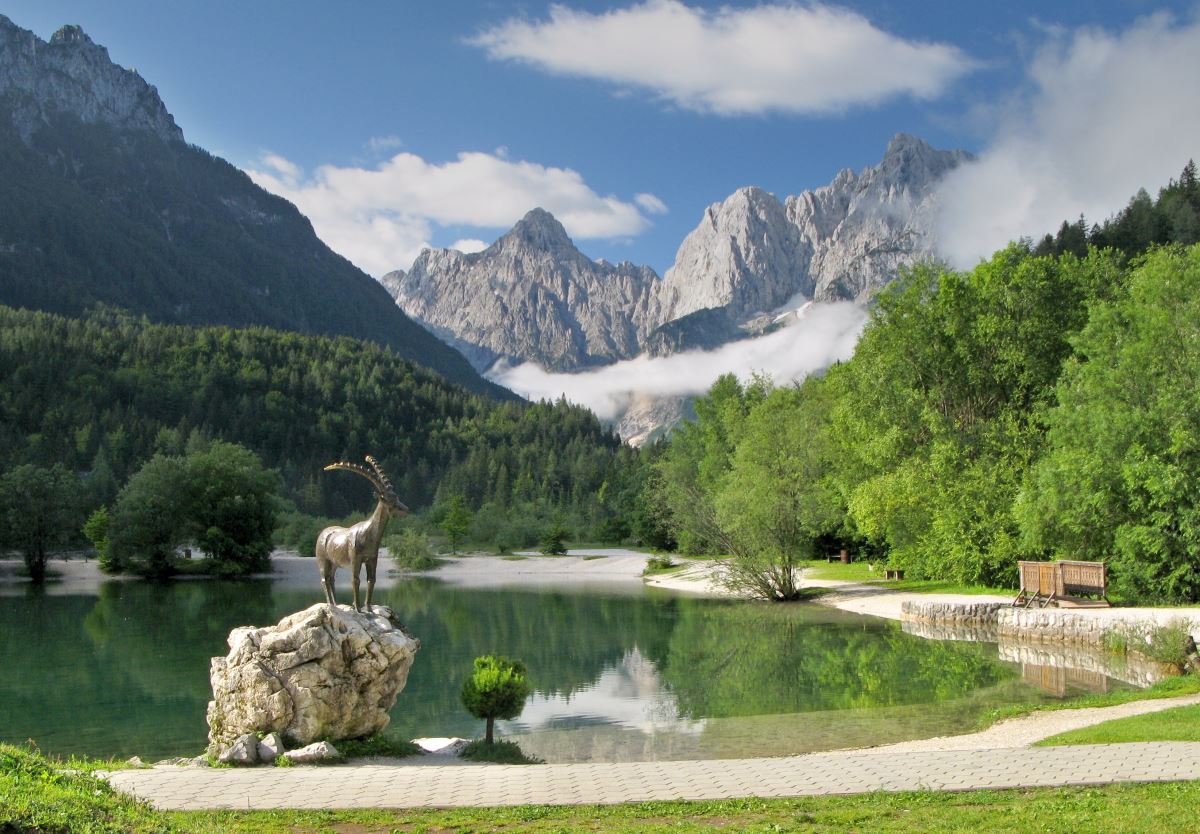 Triglav National Park
In Slovenia’s Triglav National Park, time in nature becomes less about activity and more about recalibration.
The dense spruce forests of the Pokljuka Plateau soften sound itself, creating a rare sense of calm that helps lower your mental fatigue and restore focus through simple, slow movement beneath the canopy.
From here, trails open into alpine air so clean and thin it sharpens awareness with every breath. Energise your body with mornings on Lake Bohinj, where you can experience cold-water immersion or serene kayaking across glass-like surfaces that reflect the surrounding peaks without distortion. Nearby, the Soča Trail follows a river of improbable turquoise, guiding hikers through a continuous experience of light, water, and stone.
Standout wellness experience
Unwind in the heated outdoor whirlpool with a light meal served, while taking in views of the cascading Julian Alps after a full-body spa treatment at Hotel Bohinj.
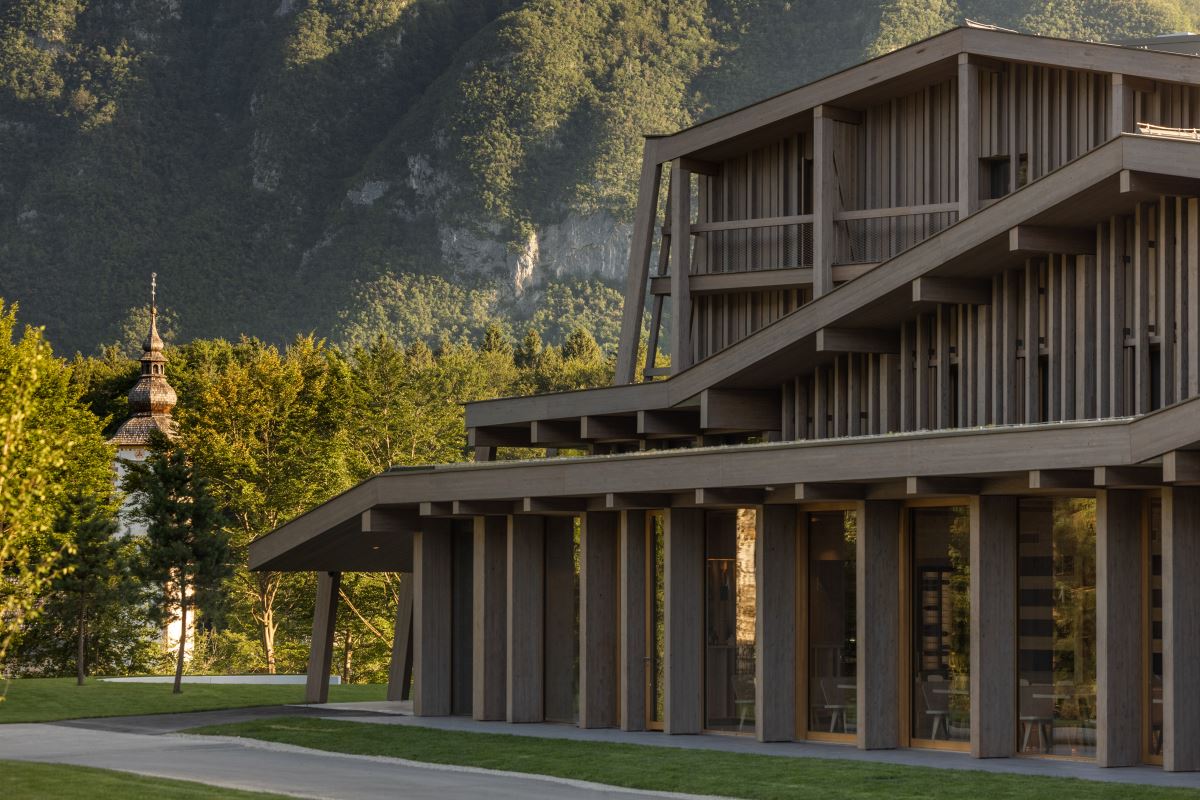 Hotel Bohinj
“To me, what makes this part of Slovenia so powerful is the way simplicity shapes the experience: alpine huts, sunrise hikes, and late-summer foraging create a grounding, elemental experience, encouraging slower travel and a more attentive, deeply engaged connection with nature there.”
.jpg)
Jonathan Moffat
Travel Specialist
Restore mind and body on the Bohinj Short Break through guided alpine hikes, lake immersion and hotel spa wellness.
2. Durmitor National Park, Montenegro
Best for mountain-top tranquillity
Best time to visit: Early July – September for fewer crowds and feeling like you have it all to yourself.
.jpg) Durmitor National Park
Durmitor National Park
As one of Europe’s least crowded mountain regions, Durmitor National Park in Montenegro feels vast, remote and largely untouched.
High-altitude trails draw you steadily upward, where the sustained physical climbs and thinner air combine to create a natural dopamine lift, sharpening focus and clearing mental fatigue.
Below, Crno Jezero sits dark and mirror-like beneath forested slopes, inviting moments of pause and reflection. The scale here feels otherworldly; jagged peaks, glacial lakes and vast skies, yet it’s the absence of noise, crowds and urgency that makes the experience truly restorative.
Standout wellness experience
Follow forest bathing trails through untouched primeval woodland, then take a revitalising swim in the Black Lake's cool glacial waters in summer.
.jpg) Black Lake
Black Lake
“Standing above Tara Canyon, I felt awe and perspective; stargazing beneath unpolluted skies and unwinding in wood-fired saunas after mountain days grounded me completely in both nature and myself.”
.jpg)
Fergus Jones
Senior Travel Specialist
Recharge on the Cultural Landscapes of Montenegro tour through high-altitude hiking, vast mountain scenery and restorative cultural immersion.
3. Biogradska Gora National Park, Montenegro
Best for mindful movement without physical intensity
Best time to visit: Late May to September, with June and September offering the most balanced conditions – fewer crowds, lush forests and cooler, clearer weather.
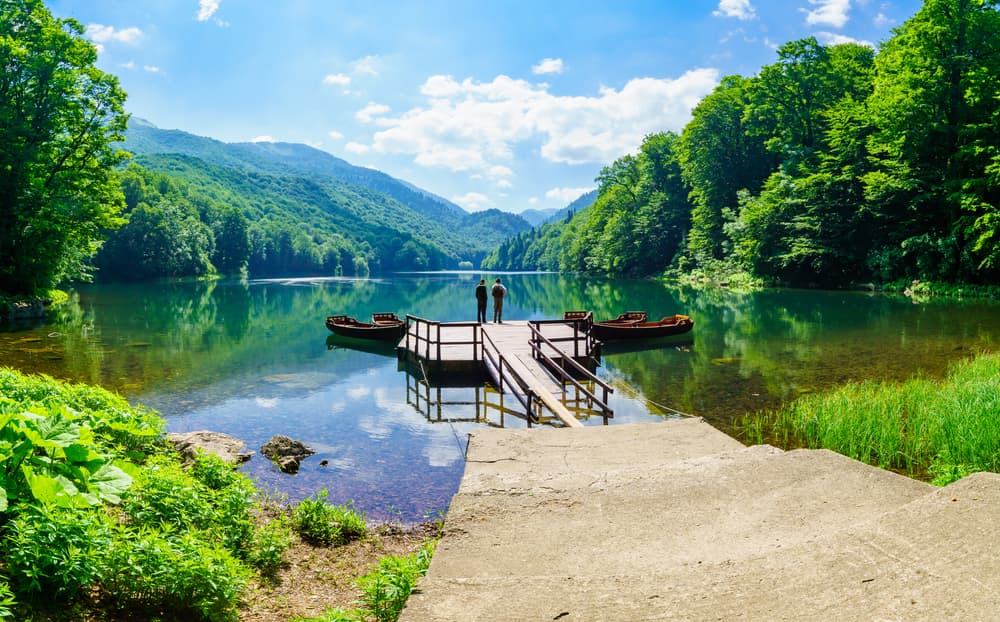 Biogradska Gora National Park
In Biogradska Gora National Park, you find a different kind of restoration. Here, it is not about chasing altitude or adrenaline, but about slowing your pace and spending time in calm, ancient woodland.
As one of Europe’s last remaining primeval forests, its value lies in the feeling that nothing here has been overly shaped or accelerated for explorers. Flat walking loops around Biograd Lake stimulate slower movement and longer observation, drawing focus towards birdsong, shifting light and the texture of ancient woodland.
On calm days, the lake becomes a perfect mirror, holding the forest and sky in its surface and quietly encouraging you to slow your steps. If you are looking for clarity of mind without the demands of a strenuous hike, you will find few places that invite you to pause and observe quite like this.
Standout wellness experience
Stay in Bianca Resort & Spa, a wellness retreat just 25 minutes from Biogradska Gora National Park. Relax in the spa after a day in the mountains, before dining on locally sourced Montenegrin cuisine and wine.
.jpg) Bianca Resort & Spa indoor pool
Bianca Resort & Spa indoor pool
“What I remember most about Biogradska Gora was forgetting my phone entirely; walking beside the lake and through forests shifted my attention towards nature, creating a genuinely restorative sense of calm and slowness.”
.jpg)
Ellie Marr
Senior Product & Travel Specialist
4. Piatra Craiului National Park, Romania
Best for hiking through untamed wilderness
Best time to visit: May–June for wildflower-filled trails or September for cooler temperatures, fewer travellers and clear autumn light.
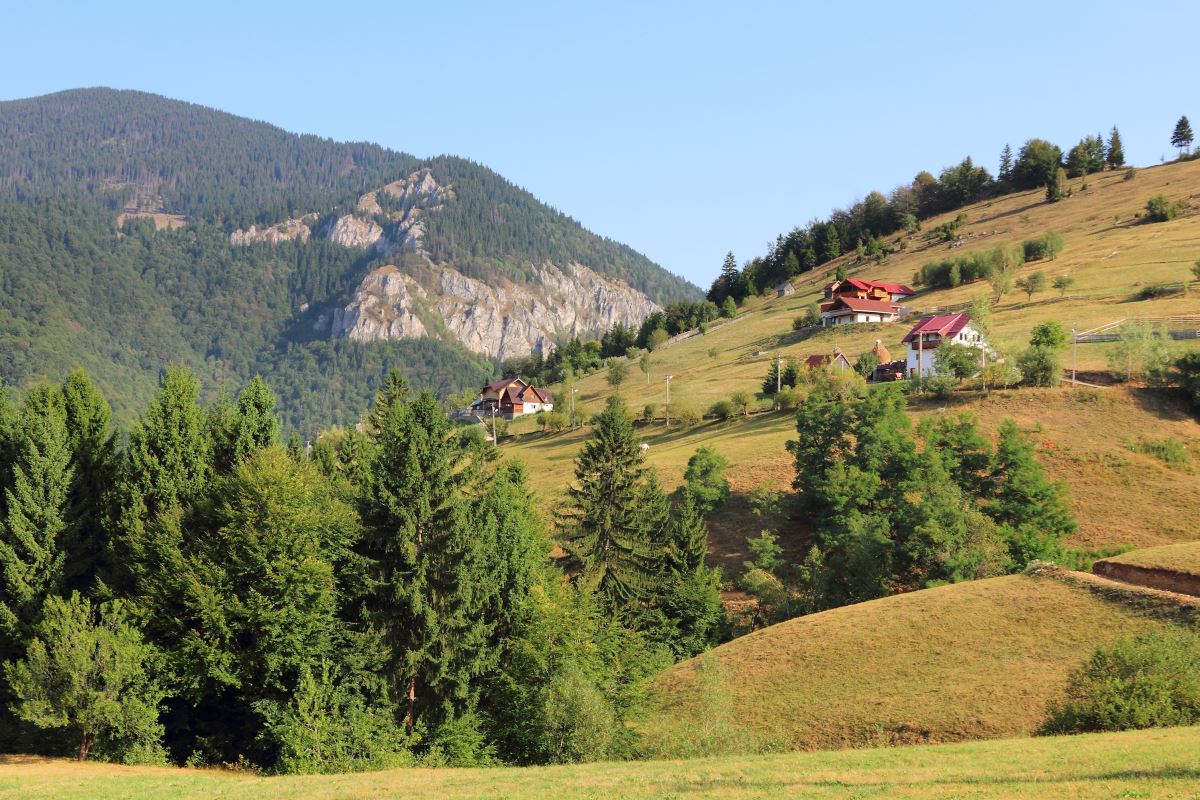 Piatra Craiului National Park
Piatra Craiului National Park is formed by exposed limestone ridges, steep forest trails and valleys that feel largely untouched by modern tourism.
Long stretches of hiking here involve steep ascents, rocky paths and constant changes in footing that require steady concentration. The forests below remain one of Europe’s most important wildlife habitats, home to lynx, wolves and brown bears, with stretches of trail passing through woodland so dense that human sound disappears entirely.
Limited infrastructure, weak phone signal and sparse development make this a place where attention returns naturally to the landscape around you.
Standout wellness experience
Hike through Zărnești Gorge in Piatra Craiului, where towering limestone walls and forested trails create a deeply restorative journey.
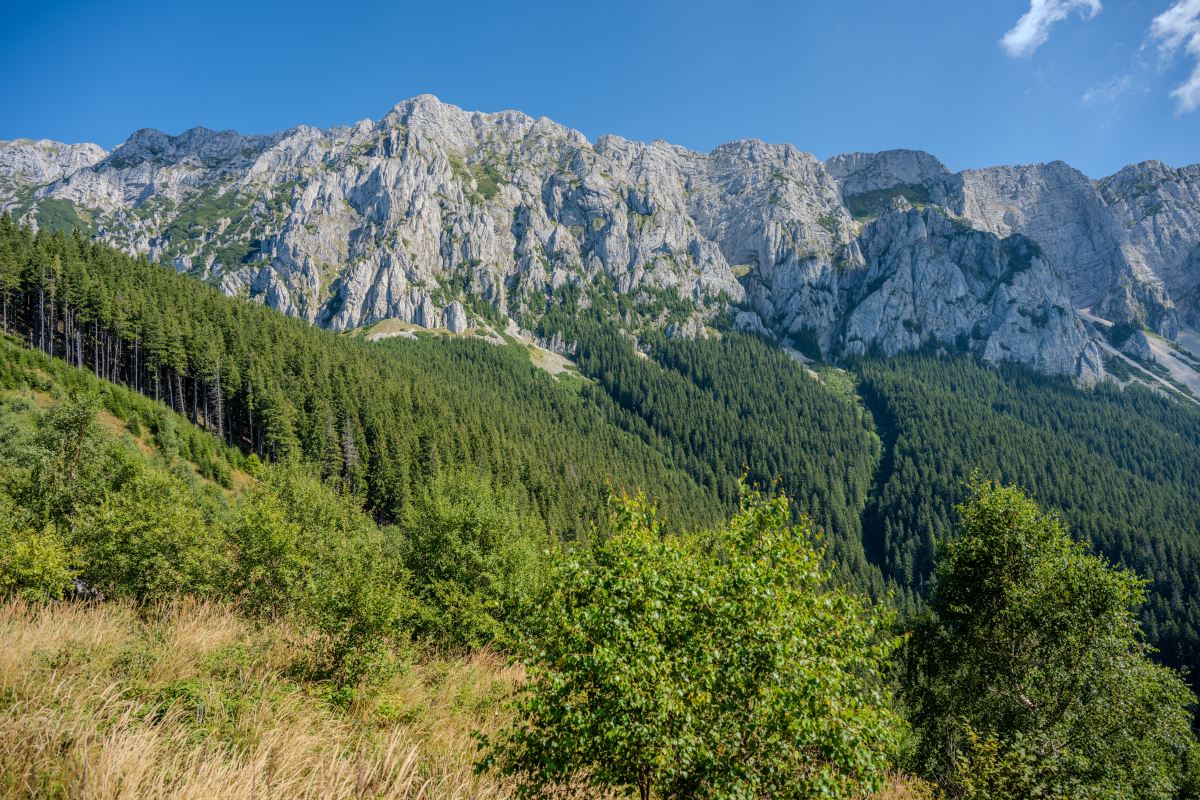 Limestone canyon, Piatra Craiului National Park
“What stayed with me most was following wildlife tracking and shepherd traditions, and walking through Zărnești Gorge, where every step mattered; it felt immersive rather than simply sightseeing.”
.jpg)
Andrea Godfrey
Head of Regent
Reconnect with the natural world on the Transylvania Wildlife & Nature Experience through mountain hiking, wildlife tracking and deep immersion in Romania’s untamed forests.
5. Lahemaa National Park, Estonia
Best for sauna rituals and cold-water immersion
Best time to visit: May to September offers the best conditions for bog walking and coastal exploration, while autumn brings richer colour, quieter trails and cooler sea air.
.jpg) Lahemaa National Park
Lahemaa National Park
In Lahemaa National Park, you find well-being in the calm waters, woodland and open spaces.
As you follow wooden boardwalks across the peat bogs, the ground softens beneath your feet, and the air seems to carry sound in a new way. The landscape encourages you to slow down and notice details you might otherwise miss. Walk for long stretches without interruption, with only the dark pools and the wind in the pines to keep you company.
Near the Baltic coast, you can experience sauna culture as it has been for generations, often followed by a plunge into the cold sea that leaves you feeling both alert and restored. You might find yourself on an empty stretch of beach or tucked away in a simple forest cabin, far from the demands of daily life. Lahemaa doesn’t ask for endurance or intensity; instead, it restores you through contrast: the heat of the sauna, the shock of cold water, the calm of the woods and the freshness of sea air.
Standout wellness experience
Standout wellness experience: after a day bog walking in Lahemaa, unwind at Vihula Manor Country Club & Spa with a sauna, indoor pool and restorative wellness treatments.
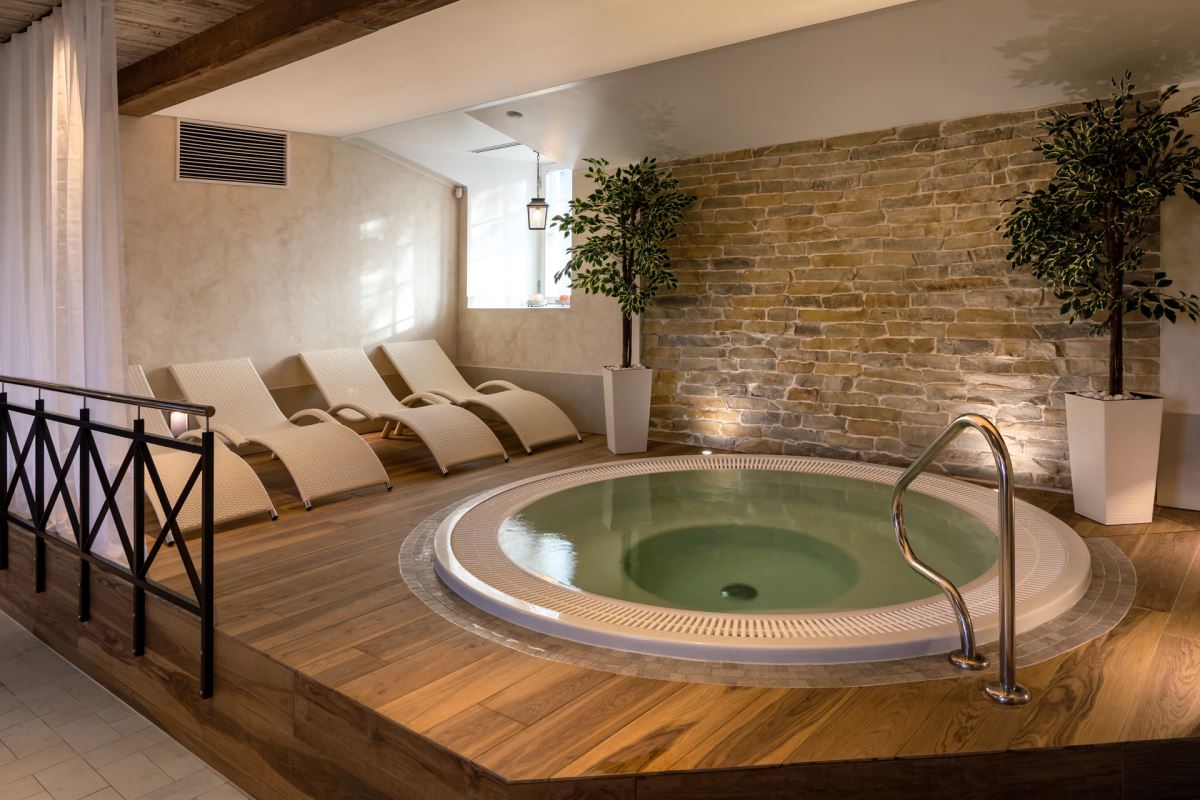 Indoor hot tub, Vihula Manor Country Club & Spa
“Walking the boardwalks through Lahemaa’s misty wetlands felt completely removed from everyday noise. Evenings in tranquil forest cabins and restored manor estates, now reimagined as slow-travel spa retreats, made it easy to settle into a much calmer pace without feeling the need to do anything at all.”
.jpg)
Jim Molloy
Sales Manager
Sink into Estonia’s slower pace on the Spa Break in Tallinn and Lahemaa National Park, balancing coastal cold plunges, forest walks and deeply restorative spa rituals.
6. Ķemeri National Park, Latvia
Best for immersive wetland and coastal walking
Best time to visit: May to September for long daylight and accessible trails; late spring and early autumn offer fewer people, softer light and more atmospheric conditions across the bogs and coastline.
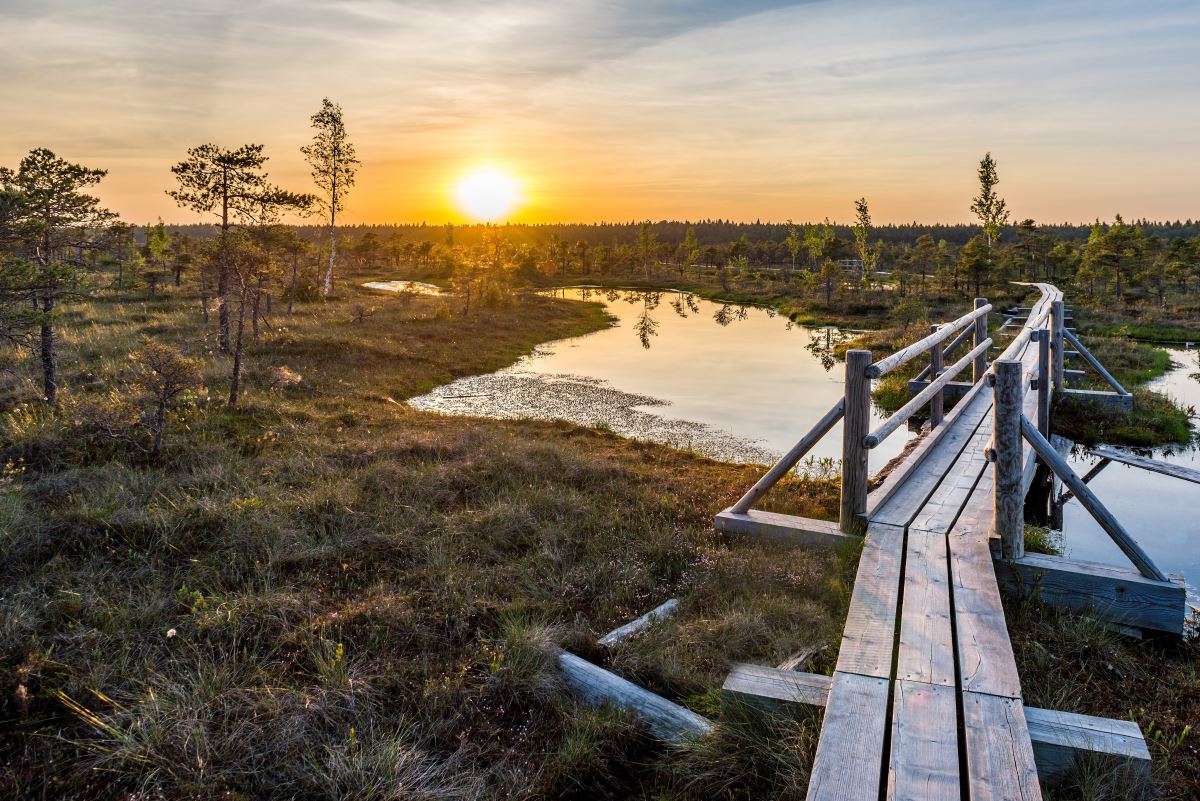 Ķemeri National Park
In Ķemeri National Park, three distinct landscapes sit within easy reach of each other: peat bog, mineral wetland and Baltic coastline.
The Great Ķemeri Bog forms the centrepiece, where a narrow wooden boardwalk crosses moss, blackwater pools and low, wind-shaped pine. The ground here is saturated and still, but the detail is constantly changing; water levels rise and fall, reflections shift with passing clouds, and light moves across the surface without ever settling into one fixed view.
Further on, sulphur springs and mineral-rich waters appear through the forest, remnants of a long-standing spa tradition still visible in the landscape today. Towards the coast, pine woodland opens directly onto wide, empty beaches where wind and sea dominate the sound. What makes Ķemeri unusual is not just variety, but proximity; you can move from bog to forest to shoreline in a single walk without losing the feeling of isolation.
Standout wellness experience
Immerse yourself in Ķemeri National Park’s natural therapies, from mineral waters and healing mud to expansive bog landscapes that encourage restoration and calm.
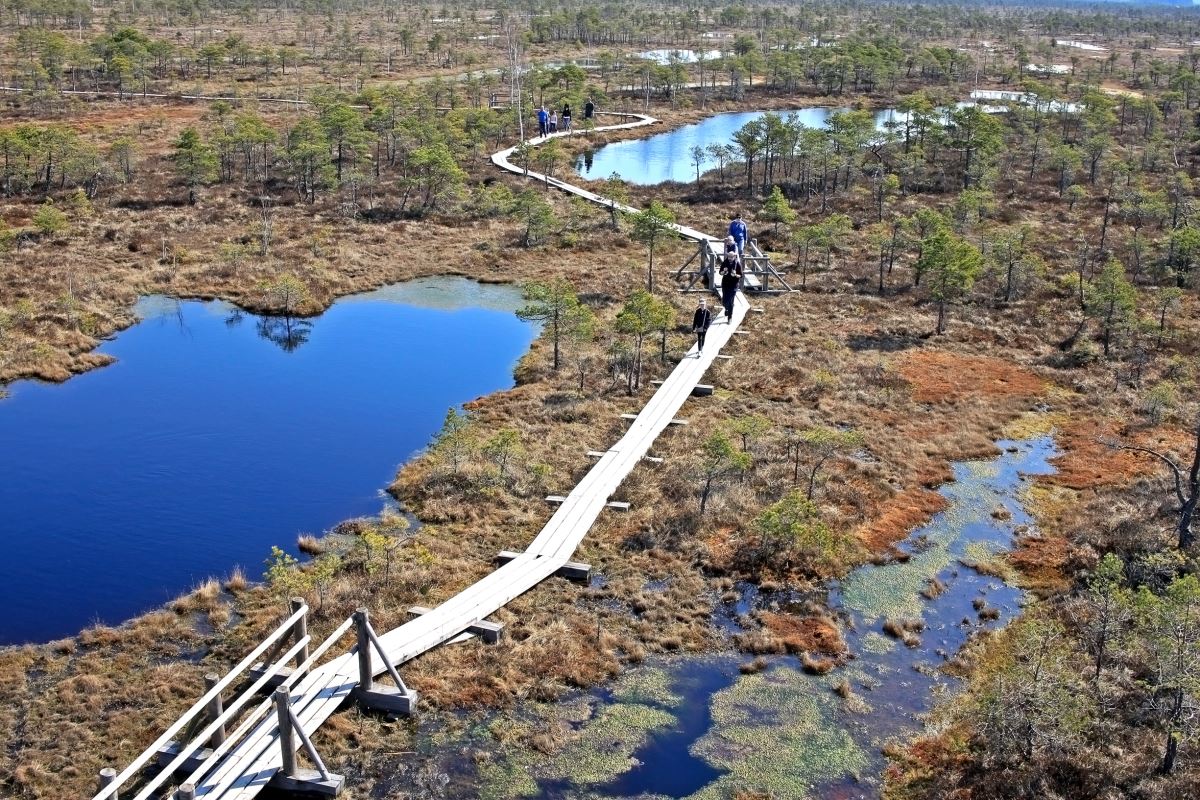 Bog walking, Ķemeri National Park,
“I moved between peat bog boardwalks and sulphur springs that felt almost like a natural spa, before reaching the Curonian Spit, where shifting dunes and Baltic Sea air created a completely different kind of serenity; open, exposed, and strangely cleansing in its simplicity.”
.jpg)
Fergus Jones
Senior Travel Specialist
Explore Lithuania at a slower, more restorative pace on the Lithuania on the Road Fly-Drive Holiday, where forested landscapes, lakes and coastal scenery come together to create a journey centred on calm, open-air wellbeing and time spent fully immersed in nature.
7. Jotunheimen National Park, Norway
Best for glacier-to-summit hiking experiences
Best time to visit: June to September for reliable hiking conditions, with September offering cooler air, quieter trails and the first signs of autumn colour across the high ground.
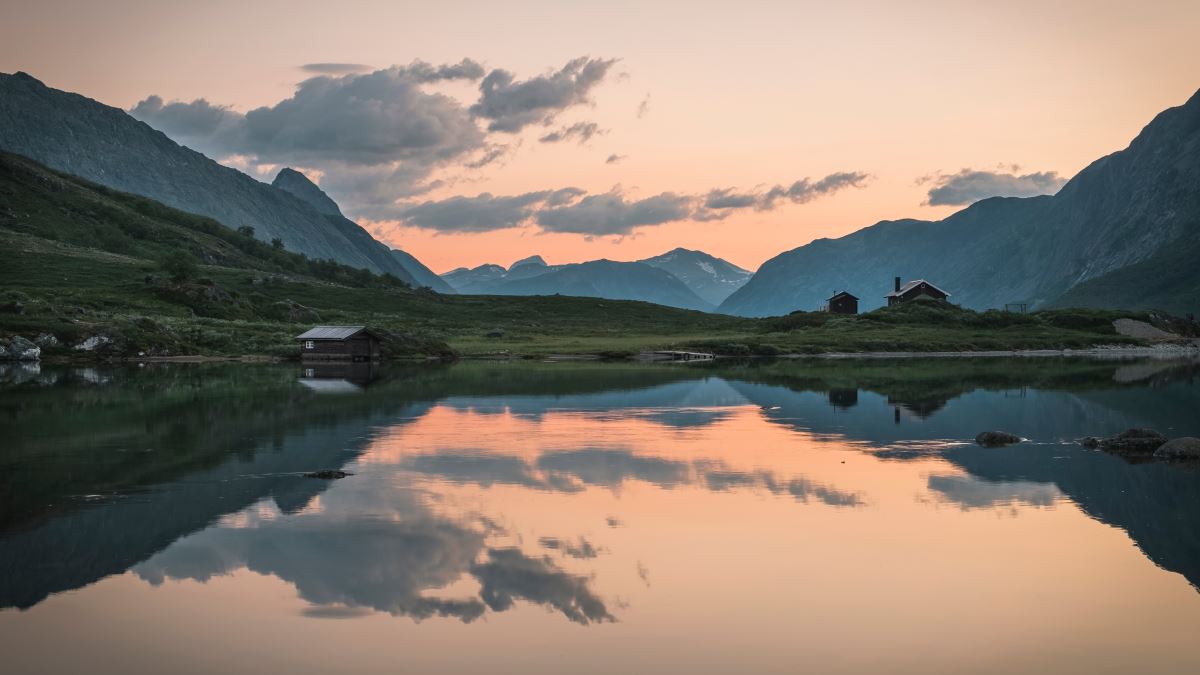 Jotunheimen National Park
Jotunheimen National Park is famous for its glaciers, jagged peaks and some of Scandinavia’s highest mountains, including Galdhøpiggen.
You can cross ancient glaciers on guided hikes, feeling the crunch of ice beneath your boots as you move through valleys sculpted by centuries of meltwater. High-altitude lakes lie ahead, their surfaces so still and cold they mirror the cliffs around you with a clarity that feels almost unreal.
After a day on the trails, you can retreat to a mountain lodge where comfort is taken seriously. Picture yourself easing into a sauna or an outdoor hot tub, watching the light shift across the valley walls. Here, your days can swing between the challenge of ski touring or glacier hiking and the pleasure of fishing or spotting wildlife, depending on the season.
Standout wellness experience
After a day exploring Jotunheimen’s glaciers and peaks, relax in a lakeside sauna at a mountain lodge overlooking tranquil alpine waters.
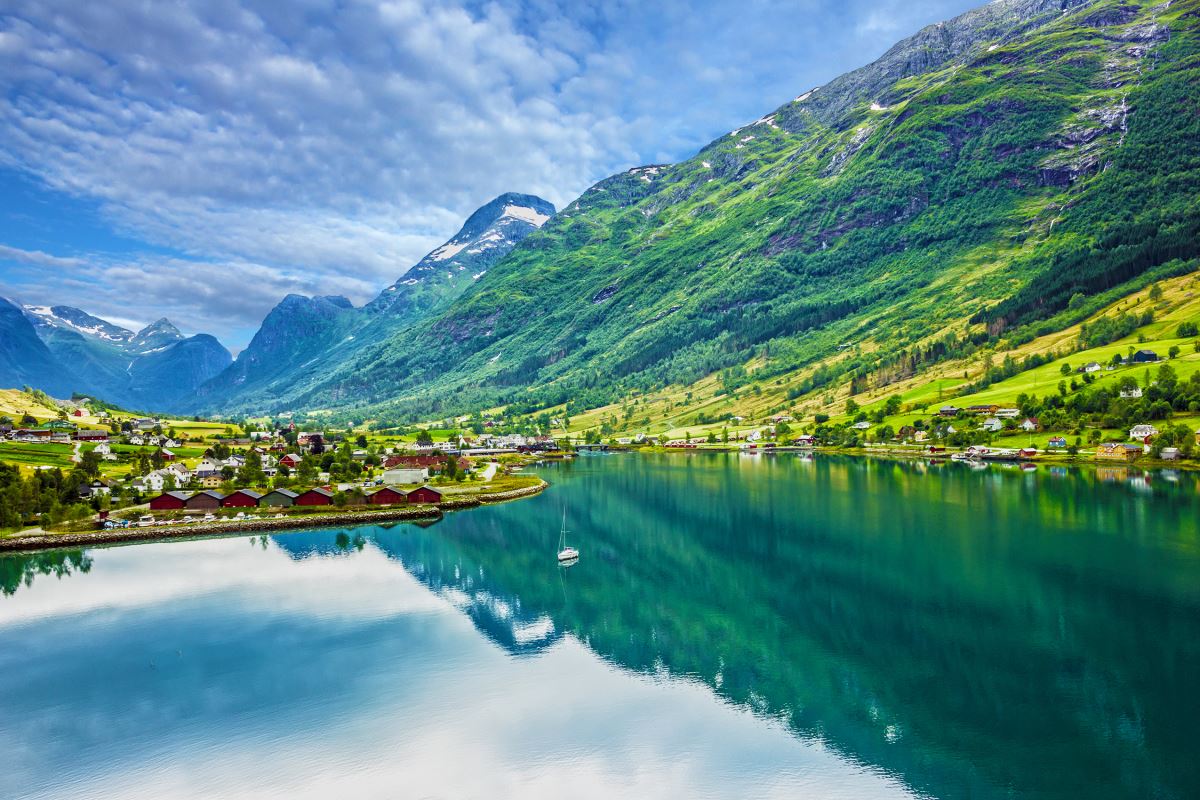 Lakeside views, Norway
“What I love about this national park is its raw scale and purity; towering peaks, glaciers and silent lakes create total immersion, while mountain lodges and remote trails reflect authentic Nordic simplicity and outdoor life.”
(1).jpg)
Jane Slade
Senior Product Executive
8. Hardangervidda National Park, Norway
Best for experiencing Norway’s largest mountain plateau at a walking pace
Best time to visit: September offers golden light, harvest experiences, and a quieter atmosphere, making Hardangerfjord ideal for combining nature, wellness, and Norwegian fjord culture.
%20in%20Scandinavia_1871314957.jpg) Vøringsfossen Waterfall, Hardangervidda National Park
Vøringsfossen Waterfall, Hardangervidda National Park
You’ll find that Hardangervidda National Park is unlike anywhere else in Norway.
Here, you step into the country’s largest mountain plateau, where the landscape opens in every direction; glacial lakes are scattered across a sweep of tundra, and a silence that feels almost elemental. Crossing the plateau, you move at the pace of the land itself: slow, measured, and always aware of the vastness around you. Reindeer herds move across the high plateau in search of grazing, following seasonal changes in snow and vegetation.
Venture beyond the plateau and you’ll find the Hardanger region unfolding in dramatic contrast. Deep fjords carve their way inland, while fruit orchards cling to the slopes and waterfalls like Vøringsfossen thunder through sheer rock.
When you need to pause, you can sink into a wood-fired sauna by the water’s edge or brave a cold plunge in the fjord. In the villages, you’ll meet cider makers and families whose traditions are woven into the land itself.
Standout wellness experience
Hike to Vøringsfossen waterfall in Hardangervidda National Park, where powerful cascades and vast plateau views create a naturally restorative experience.
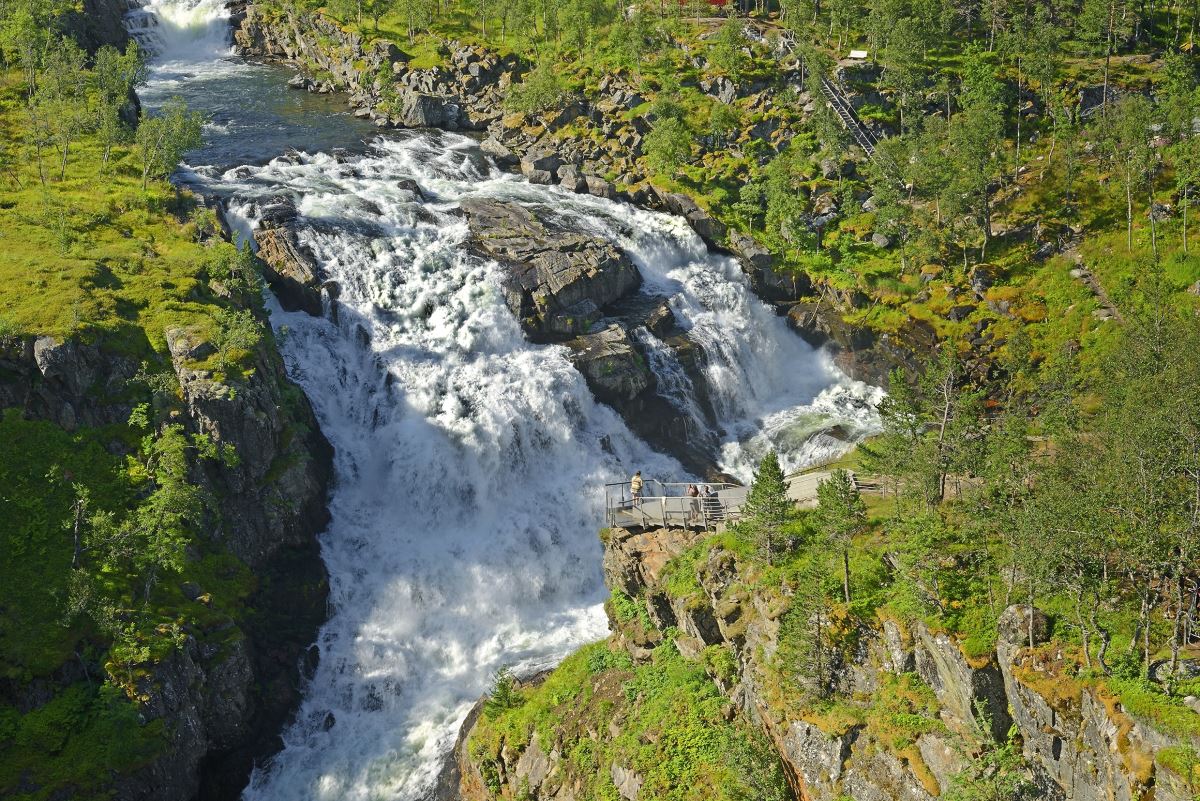 Vøringsfossen Waterfall
“I love this national park for its openness and silence. It feels almost infinite, with wide horizons, rolling tundra and distant peaks stretching out in every direction. There’s a raw, uncompromising beauty to it that stays with you long after you leave.”
.jpg)
Jane Slade
Senior Product Executive
9. Koli National Park, Finland
Best for ridge-top views and calm forest walks over vast lake panoramas
Best time to visit: June to September for hiking and clear lake views, with September offering fewer people and strong autumn colour across the ridges.
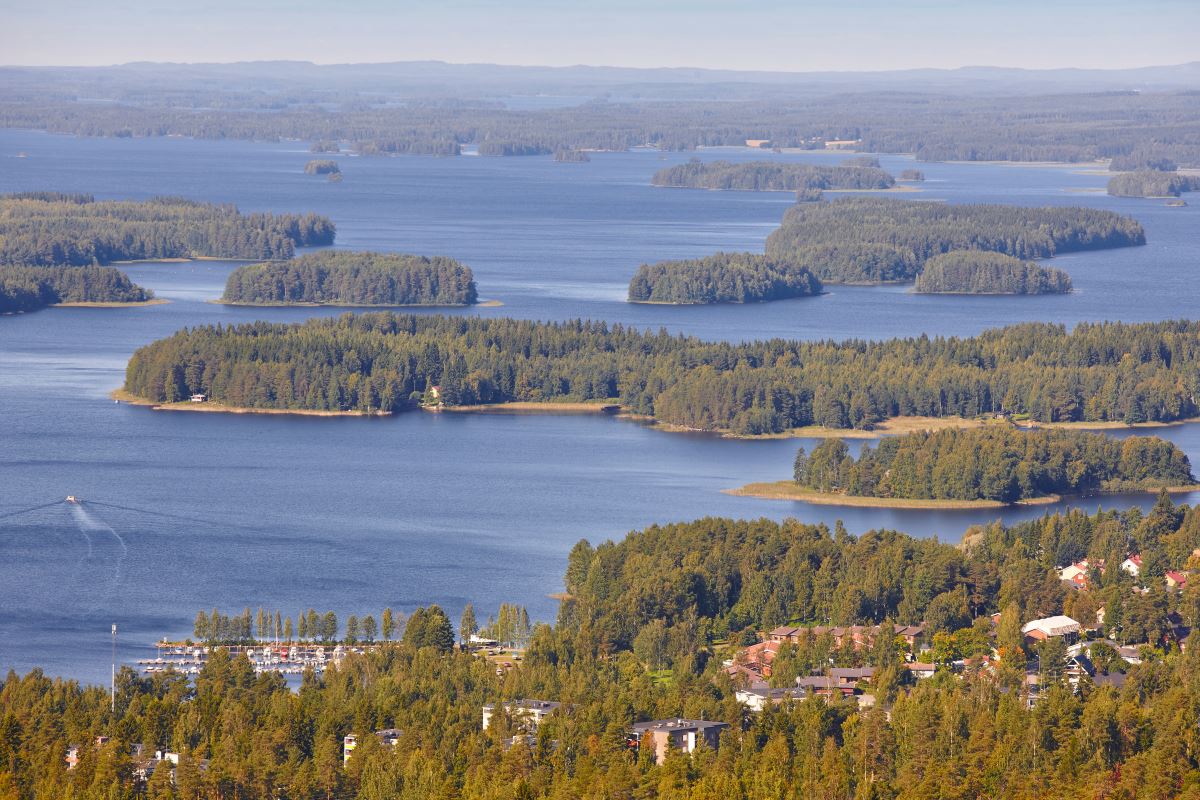 Finnish Lakeland
Koli National Park sits at the heart of Finnish identity.
Here, ancient ice-age forces have sculpted a landscape of forested hills and rocky outcrops, each offering a different vantage point over Lake Pielinen. When you reach the summit of Ukko-Koli, the view is unmistakable: layers of forest and water stretching to the horizon, a panorama that feels both vast and surprisingly personal.
The park is best experienced on foot, where well-marked trails lead through dense boreal forest and up to elevated ridgelines that open suddenly onto long-distance views. Despite its accessibility, Koli retains a calming atmosphere, with walking routes that encourage frequent pauses rather than continuous movement.
Beyond the viewpoints, the surrounding woodland offers a rich, sensory experience of moss, pine and shifting light across the trees. In winter, the same trails transform into snow-covered routes for cross-country skiing.
Standout wellness experience
sleep amongst the trees in the Forest Suites at Nature Hotel and Spa Resort Järvisydän, where floor-to-ceiling views and Finnish Lakeland stillness create total tranquillity.
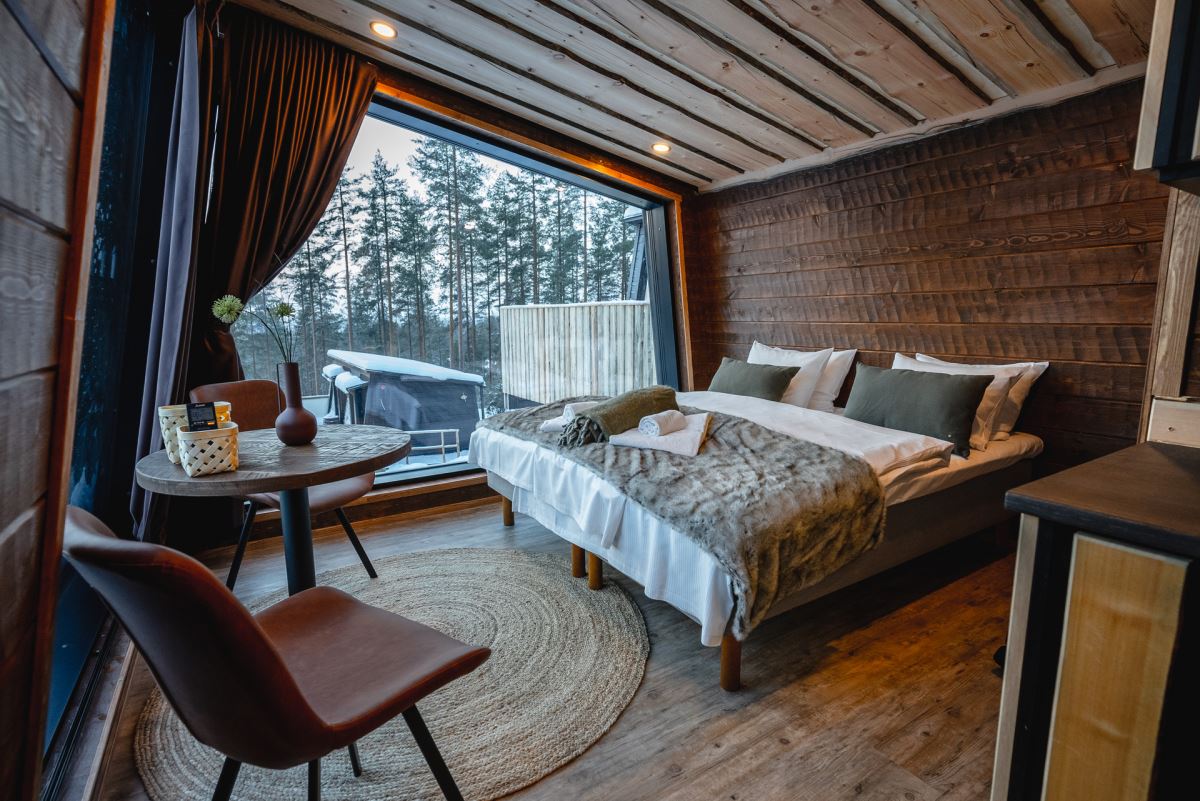 Forest Suite, Nature Hotel and Spa Resort Järvisydän
“Koli National Park unfolds gradually, with forests giving way to elevated views over Lake Pielinen; calm ridge walks open into vast horizons that completely reshape your sense of space in the Finnish wilderness.”
.jpg)
Daniele Boni
Product Manager
Embrace the shifting perspectives of North Karelia on the Best of North Karelia Fly-Drive, where forested ridge walks, vast lake views and time in nature create a sense of physical and mental reset.
10. Vatnajökull National Park, Iceland
Best for vast glacial landscapes and immersive ice cave experiences in a truly elemental wilderness
Best time to visit: June to September for glacier hiking and full trail access, while winter (November to March) is ideal for ice cave exploration and a quieter, more enclosed landscape experience.
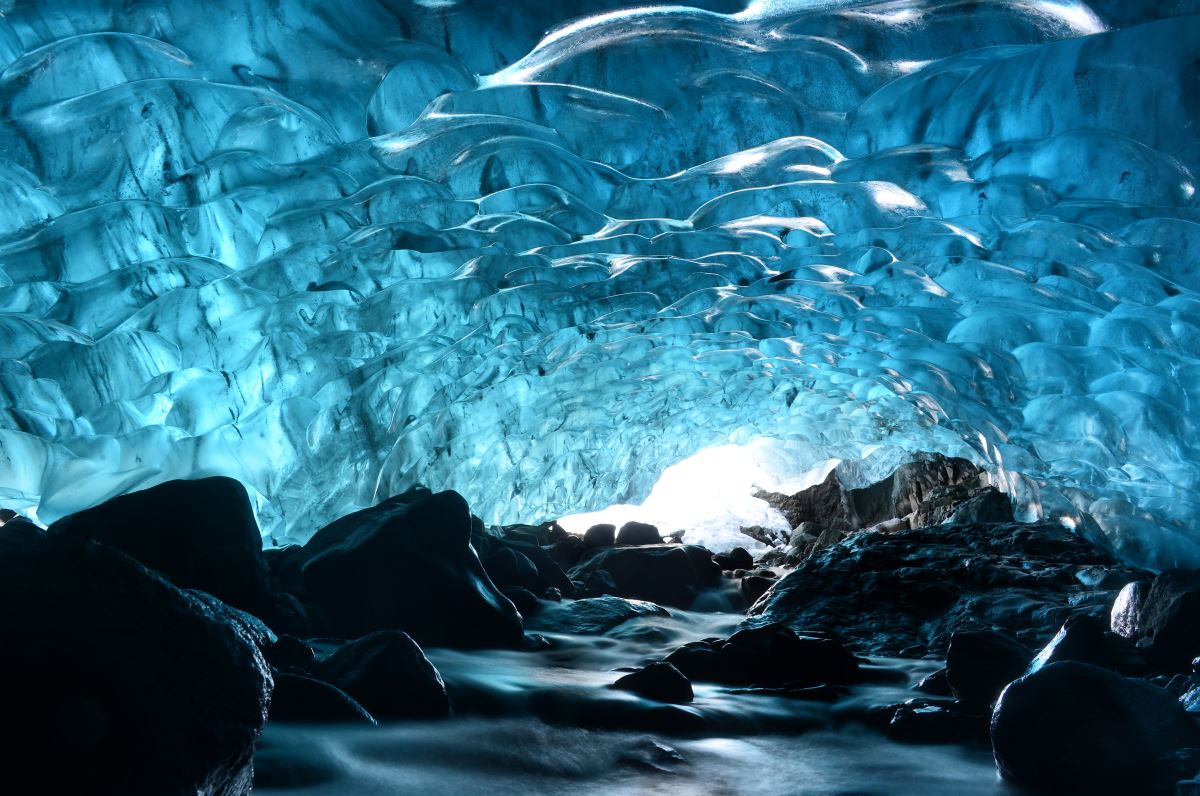 Ice cave in Vatnajökull National Park
Covering vast glacial systems, volcanic landscapes and black sand plains, Vatnajökull National Park is Europe’s largest national park.
At the heart of the park, you encounter Vatnajökull itself, one of Europe’s largest ice caps. Here, you watch as glacier tongues push forward, meltwater carves new channels, and the ice shifts almost imperceptibly, creating a landscape that never stays the same for long.
Exploration here is slow and deliberate, often guided through ice caves or across glacier surfaces where every step is taken with awareness of the terrain beneath.
Wellbeing is closely tied to exposure: cold air, clean light and the physical sensation of moving through a raw natural environment. Between excursions, travellers return to small lodges and geothermal pools, where warmth contrasts with the surrounding ice and rock.
Standout wellness experience
explore Vatnajökull National Park by kayak on Jökulsárlón or ice floating at Fjallsárlón, surrounded by drifting icebergs and glacial silence.
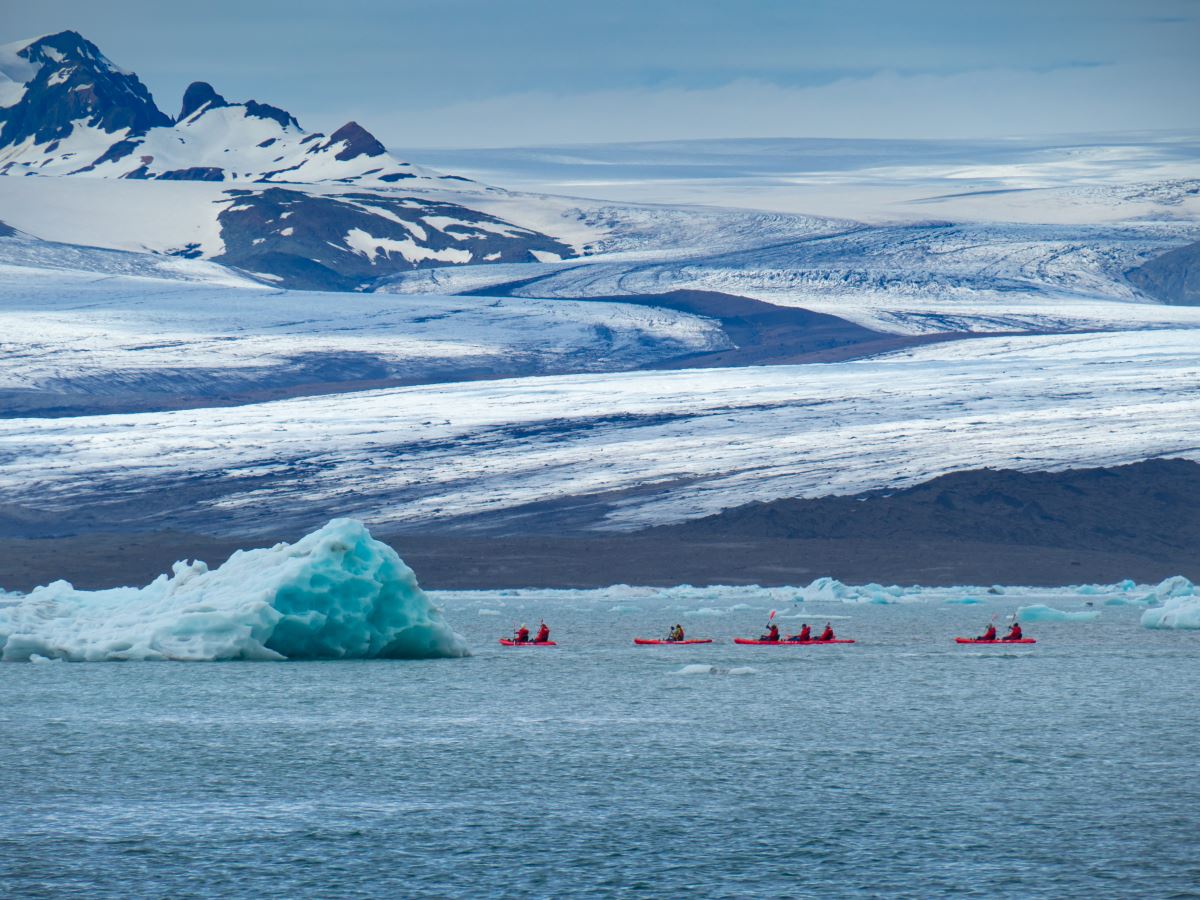 Kayaking amongst icebergs in Vatnajökull National Park, Iceland
“What I love most about Vatnajökull National Park is how it strips everything back to basics; glaciers, volcanic plains and vast open space that make you slow down without even trying. There’s a clarity to being there that comes from simply moving through such an elemental landscape.”
.jpg)
Stef Studley
Senior Product & Travel Specialist
Experience South Iceland’s most restorative landscapes on the South Iceland Summer Fly-Drive, where waterfalls, glaciers and volcanic plains create a natural environment designed for slow travel, outdoor movement and a deep sense of physical and mental reset.
Do you want to experience Europe’s most restorative national parks?
From glacier valleys and alpine lakes to ancient forests, peat bogs and vast Nordic plateaus, Europe’s national parks offer space to slow down, reset and reconnect with nature. Whether through mountain hiking, cold-water immersion, wildlife tracking or forest walks, these landscapes encourage a more mindful way to travel, shaped by movement and time outdoors.
Talk to our Travel Specialists today to plan your own wellbeing-led journey through Europe’s wildest landscapes.