Europe's Best Food Experiences
Europe's Best Food Experiences
Step beyond the tourist hotspots and discover the food experiences that truly capture the heart of a destination.
The best food in Europe isn't always found in Michelin-starred restaurants. It's enjoyed at family-run tavernas serving recipes passed down through generations, bustling food markets filled with local delicacies, and quirky dining experiences where the atmosphere is just as unforgettable as the food. Whether you're sharing a Viking feast in Iceland, sampling Arctic cod in Norway or discovering traditional Estonian cuisine in a medieval cellar, every bite tells a story.
That's exactly the kind of travel we believe in at Regent. Our specialists seek out authentic experiences that connect you with local culture, and food is one of the best ways to do just that. From fresh seafood straight from the harbour to seasonal Nordic cuisine and hidden local favourites, these are the European food experiences our team still recommends long after they've returned home.
Read on to discover Europe's best food experiences and start planning your next culinary adventure.
(1).jpg)
"One of the first things I do in a new destination is ask what the locals eat. Every traditional dish has a story behind it, whether it's shaped by the landscape, history or simply making the most of what's available. You leave understanding a place far better than if you'd only seen the sights."
Andrea Godfrey
Head of Regent
Estonia
Fine-dining, home-cooked meals and delicious bakeries
(2).jpg) Estonia Old Town
Estonia Old Town
Estonia's food scene has undergone a remarkable transformation over the past decade, with Tallinn now regarded as one of Northern Europe's most exciting culinary capitals. Traditional ingredients such as rye bread, wild mushrooms, forest berries and Baltic seafood are being reimagined by a new generation of chefs, while artisan bakeries and cosy cafés sit alongside innovative fine-dining restaurants. Whether you're after a Michelin-recognised tasting menu, a cellar full of grandmother's cooking or a still-warm pastry straight from the oven, Tallinn is a destination that rewards curious food lovers.
If you happen to visit in winter, don't miss the Tallinn Bun Fest, when more than 40 cafés and bakeries create both classic and inventive versions of the traditional Shrovetide bun (vastlakukkel), running from mid-January through to Shrove Tuesday in February.
Best place to eat: Vanaema Juures, RØST Bakery and Michelin dining
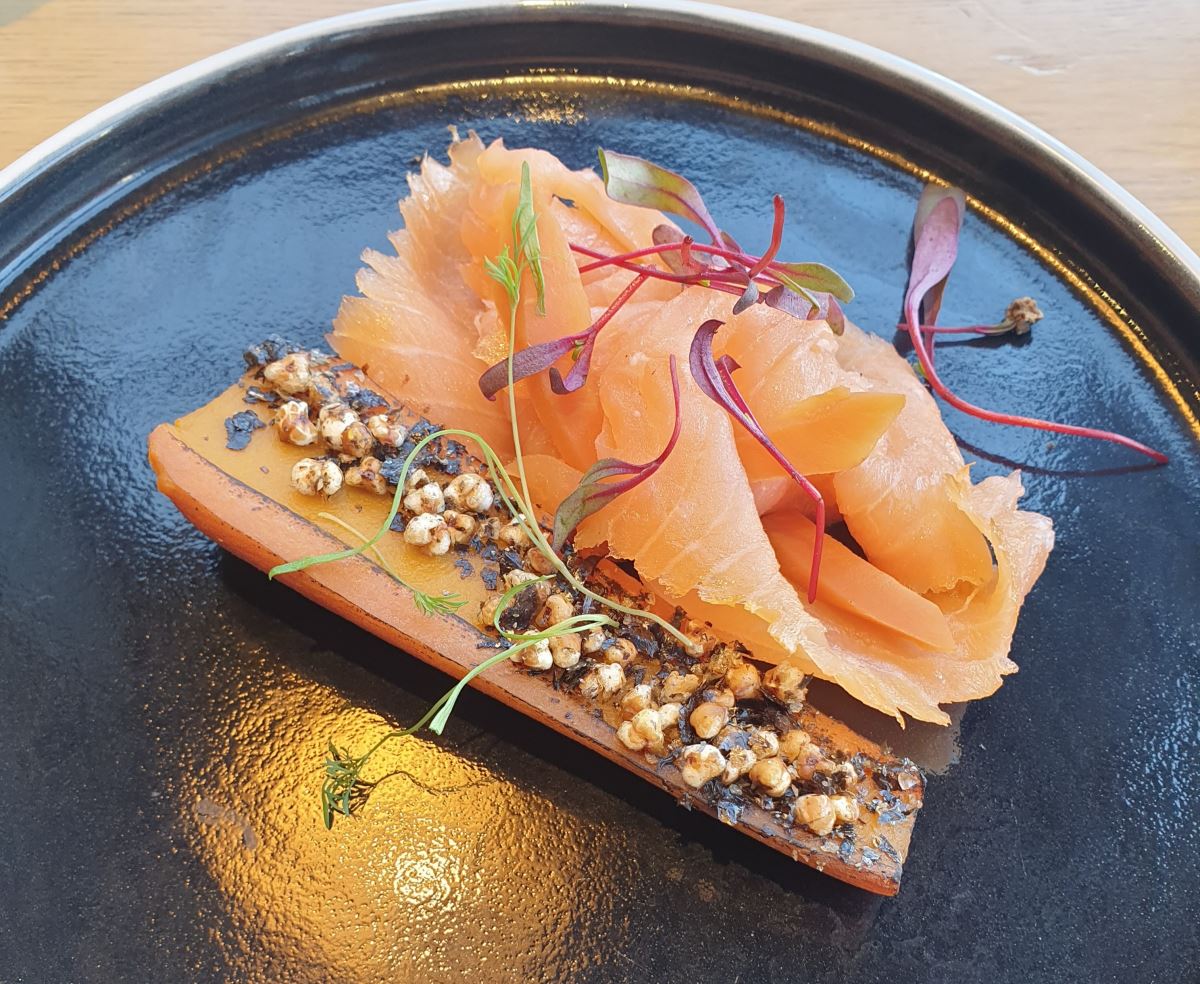 Michelin-star meal in Tallinn
For a taste of old Tallinn, head to Vanaema Juures ("At Grandmother's"), a cosy cellar restaurant in the Old Town where thin, crisp slices of homemade black bread arrive at the table without asking. Order the Baltic herring with mustard, apple and onion salad – the sharpness of the mustard and sweetness of the apple cut through the richness of the fish, while the dense, faintly sour rye bread ties the whole plate together. It's one of the most authentic and unpretentious dining experiences you'll find in the Estonian capital.
For something sweeter, no visit to Tallinn is complete without a stop at RØST Bakery, where locals queue each morning for what many consider the city's best cinnamon buns. Using Nordic baking techniques and seasonal ingredients, its cardamom buns, sourdough breads and pastries have become something of a cult favourite.
For lunch or dinner, Tallinn's thriving restaurant scene is well worth exploring. The city has firmly established itself on the Nordic culinary map, with several restaurants featured in the MICHELIN Guide and White Guide Nordic, celebrating modern Estonian cuisine built around locally sourced, seasonal produce. Many are found in the creative districts of Rotermanni and Telliskivi, where former industrial buildings have been transformed into vibrant food and cultural hubs.
Our Essential Estonia holiday begins in Tallinn, giving you time to sample the capital's thriving food scene before continuing your journey through Estonia's charming towns, historic cities and peaceful seaside resorts.
.jpg)
"Estonia isn't usually the first country people think of for a foodie break, but that's exactly what makes it so special. Some of my favourite meals were the simplest ones: fresh rye bread, Baltic fish and pastries baked that morning."
Fergus Jones
Senior Travel Specialist
Norway
Fresh seafood, dried fish and deep culinary heritage
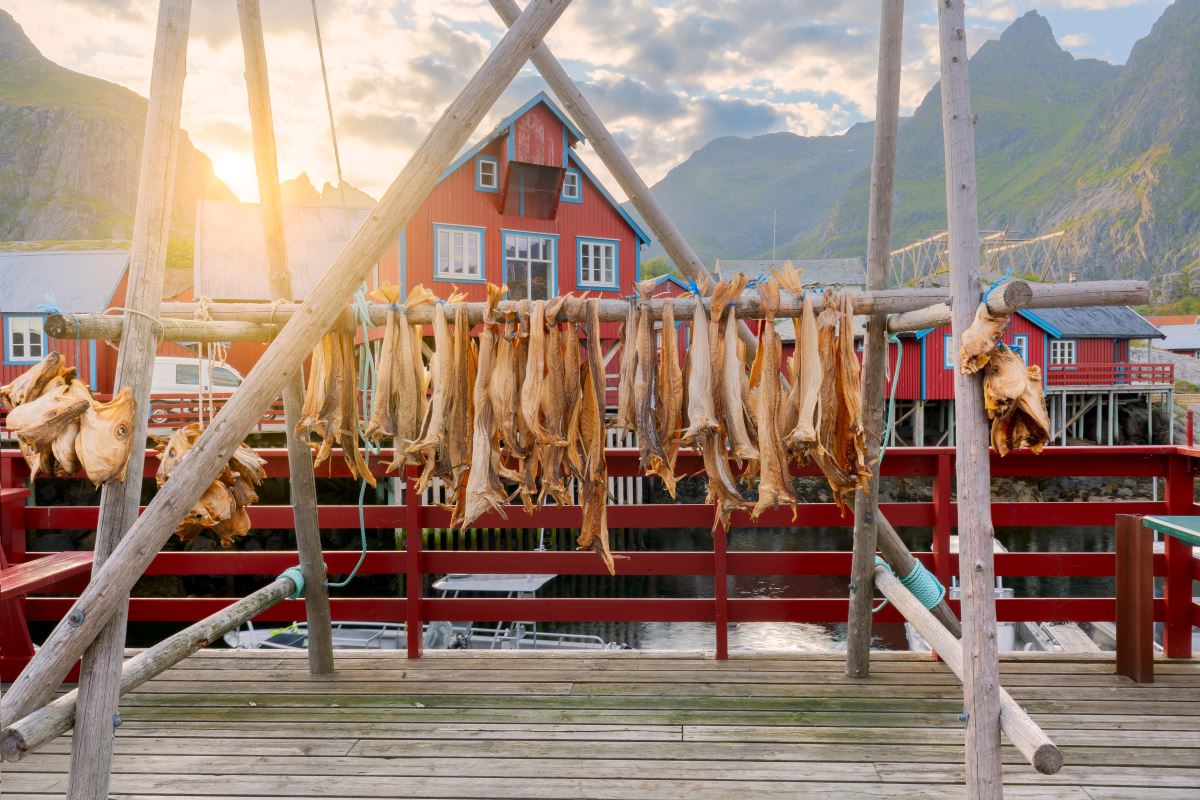 Stockfish in a Norwegian fisherman's village
With one of the world's longest coastlines and access to pristine Arctic waters, it's no surprise that seafood lies at the heart of Norwegian cuisine. From succulent king crab and sweet cold-water prawns to world-famous skrei (migratory Arctic cod) and fresh salmon, the country's coastal produce is second to none.
Along the rugged coastline, traditional fishing villages offer a fascinating insight into where Norway's food story begins. During late winter and spring, freshly caught skrei is hung on towering wooden drying racks to produce stockfish (tørrfisk) – a centuries-old preservation method that relies on the cool Arctic climate and fresh sea air. These distinctive rows of drying fish have become an iconic feature of the Lofoten Islands and a lasting symbol of Norway's rich fishing heritage.
Inland, dishes feature reindeer, elk and lamb, while traditional accompaniments such as cloudberries, brunost (brown cheese) and freshly baked cinnamon buns offer a taste of Norway's culinary heritage. Whether dining in a cosy mountain lodge or a harbourside restaurant, Norwegian food celebrates simple, seasonal ingredients prepared to let their natural flavours shine.
Best place to eat: Børsen Spiseri
%20norway.jpg) Børsen Spiseri
Børsen Spiseri
Set in the heart of the dramatic Lofoten Islands, Børsen Spiseri offers a true taste of Northern Norway. Housed inside a beautifully restored former stock exchange overlooking the harbour in Svolvær, the restaurant combines historic character with contemporary Nordic cooking, surrounded by the very fishing traditions that have shaped life here for generations.
The menu celebrates the incredible produce of the surrounding waters, with seasonal skrei taking centre stage during the winter months. This prized Arctic cod travels thousands of miles from the Barents Sea before arriving in Lofoten, where it has been enjoyed for centuries. Alongside freshly caught fish, diners can sample local specialities such as stockfish – the traditional dried cod that has been exported from the islands since Viking times – as well as shellfish and locally sourced ingredients from the region.
Our Alluring Lofoten Islands Winter Break includes four nights in a traditional rorbu fishing cabin, giving you plenty of time to explore the archipelago before rounding off your adventure with a memorable dinner at Børsen Spiseri.
.jpg)
"Did you know that long before refrigeration, Norwegians preserved whitefish to endure harsh winters. Today, that centuries-old method lives on in the traditional lutefisk, a cured fish that’s usually cod."
Peter Wybrow
Senior Travel Specialist
Finland
Locally sourced ingredients, fine dining and home-cooked pasties
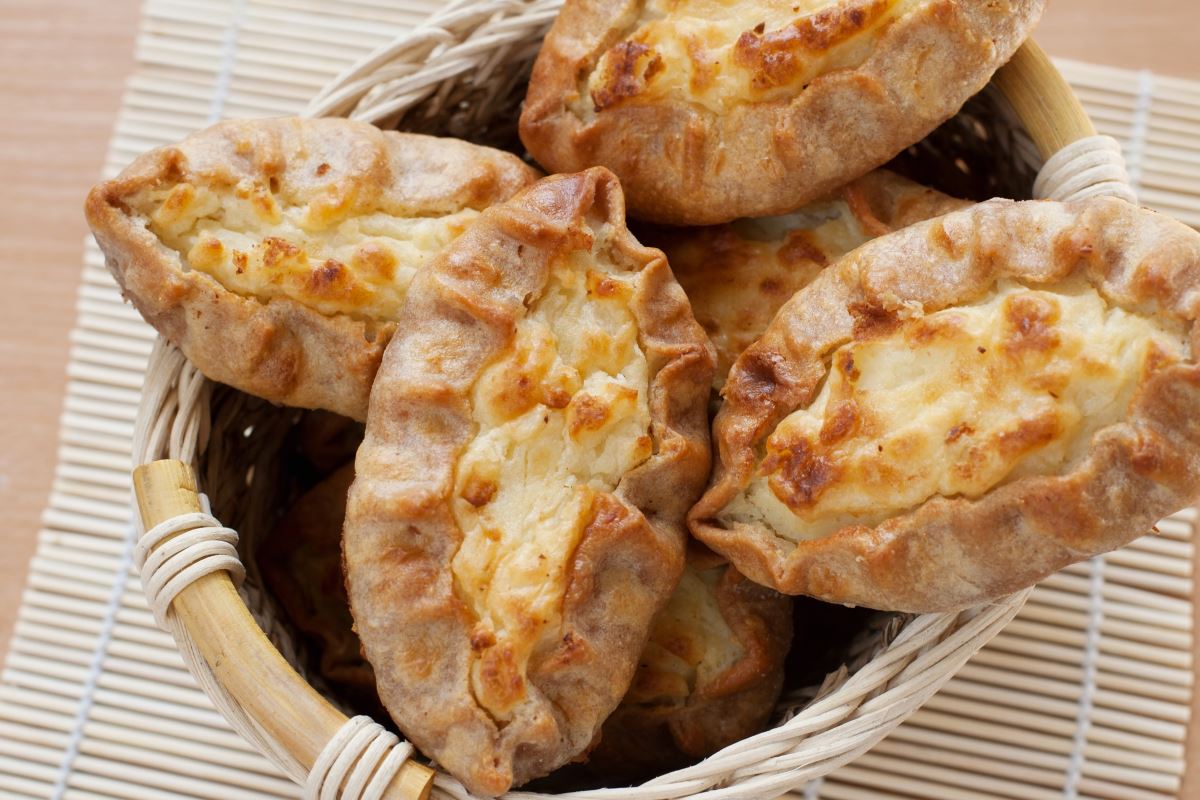 Karelian pasties
Food has become an essential part of any visit to Finland, where traditional recipes are being reimagined through contemporary Nordic cooking. Drawing inspiration from the country's forests, lakes and changing seasons, menus celebrate Finland's natural bounty with sustainably sourced seafood, locally produced meats and ingredients foraged from the wild.
Alongside innovative dishes, you'll also find much-loved Finnish classics such as karjalanpiirakka (Karelian pasties), lohikeitto (creamy salmon soup), poronkäristys (sautéed reindeer), kalakukko (a traditional fish pie) and muikku (fried vendace), each offering a taste of the country's rich culinary heritage. Whether you're dining at an award-winning restaurant, discovering a family-run bistro or pausing for coffee and a freshly baked cinnamon bun, Finland serves up memorable flavours at every turn.
Best place to eat in Finland: Solitary, Kuru Resort
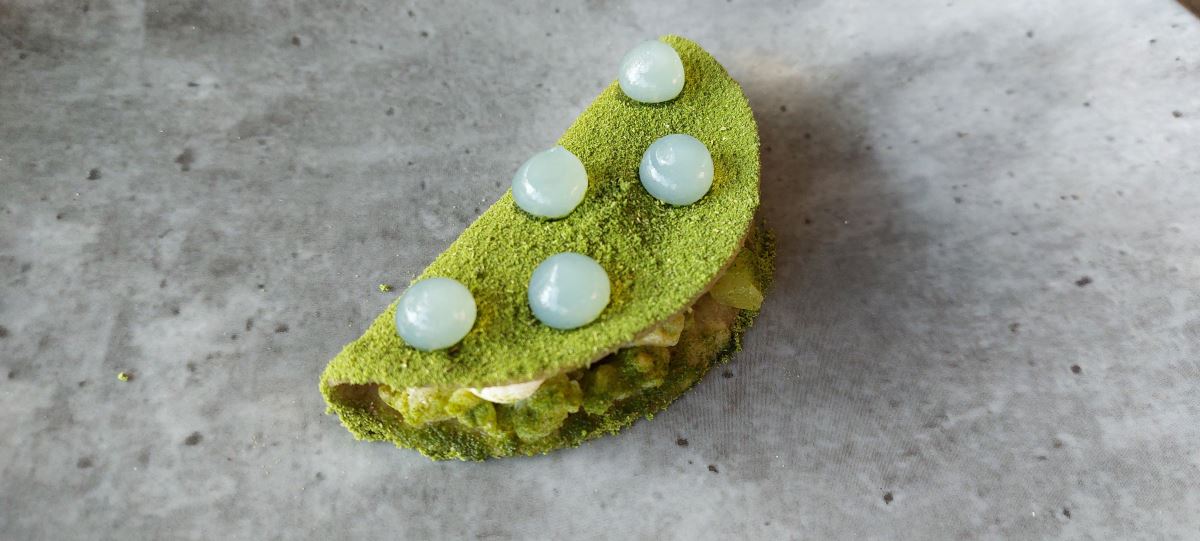 Solitary cuisine
Set within the beautiful Kuru Resort in Finland's Lakeland region, Solitary offers an intimate dining experience inspired entirely by its surroundings. Its seasonal tasting menu showcases hyper-local ingredients, from wild mushrooms and freshwater fish to game, berries and hand-foraged herbs, with every beautifully presented course reflecting the flavours of the Finnish wilderness. As the menu evolves with the seasons, no two visits are ever quite the same, making Solitary a truly memorable taste of modern Finland.
The Kuru Resort Summer Getaway offers the perfect introduction to Finland's culinary scene, combining the tranquillity of Finnish Lakeland with exceptional dining experiences at Solitary, one of the country's most celebrated restaurants.
%20(3).jpg)
“Solitary is a wonderful example of how Finnish cuisine celebrates its surroundings. The menu changes with the seasons, so every visit feels unique, and I loved discovering flavours that came directly from the forests and lakes around us.”
Daniele Boni
Product Manager
Sweden
Landscape-inspired ingredients, warming cinnamon buns and fresh fish
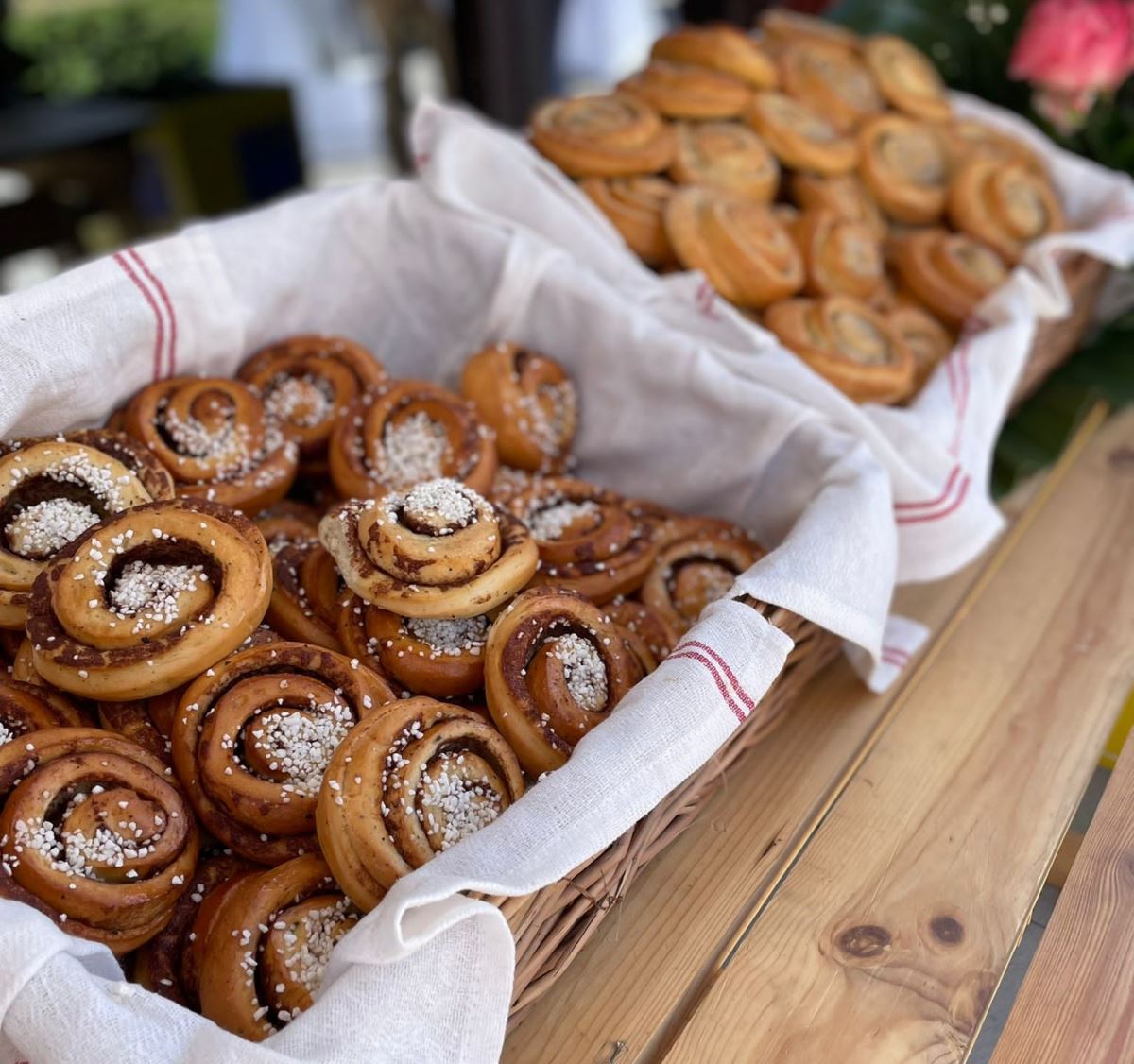 Traditional Swedish Fika
Swedish cuisine goes far beyond its famous meatballs. Inspired by the country's forests, lakes and extensive coastline, it celebrates seasonal, locally sourced ingredients. Seafood plays a starring role, from pickled herring and smoked salmon to succulent crayfish enjoyed during late summer celebrations. Inland, wild game such as elk and reindeer feature on many menus, while no visit is complete without experiencing fika – the much-loved tradition of pausing for coffee and a freshly baked cinnamon or cardamom bun. Simple, wholesome and full of flavour, Swedish food perfectly reflects the country's love of nature and slow living.
Best place to eat: Feskekôrka
%20is%20an%20indoor%20fish%20market%20in%20Gothenburg%2C%20Sweden%2C%20which%20got%20its%20name%20from%20the%20building's%20resemblance%20to%20a%20Neo-gothic%20church_737537593.jpg) Feskekôrka, Gothenburg
Feskekôrka, Gothenburg
For one of Sweden's freshest dining experiences, head to Feskekôrka, Gothenburg's famous indoor fish market. Known as the "Fish Church" thanks to its striking Gothic architecture, this landmark has been at the heart of the city's seafood scene since 1874, with fishermen and traders bringing in the day's catch from the cold waters of the North Sea.
Take a seat at one of the seafood counters and watch oysters being freshly shucked, tuck into a steaming bowl of creamy fish soup or order a platter piled high with prawns, smoked salmon and shellfish. Afterwards, continue the Swedish tradition of fika at a nearby café with a freshly baked cinnamon bun and coffee. It's a wonderfully relaxed way to experience Gothenburg's maritime heritage and discover why the city is considered Sweden's seafood capital.
Discover Gothenburg's thriving culinary scene on our Gothenburg Summer Break, where days can be spent exploring the city's leafy boulevards and waterways before sampling some of Scandinavia's freshest seafood at Feskekôrka.
.jpg)
"Sitting at the seafood counter with a plate of freshly shucked oysters while watching locals pick up the day's catch felt like experiencing the real Gothenburg. It wasn't just a meal; it was a glimpse into the city's way of life."
Elin Fry
Senior Travel Specialist
Iceland
Fermented shark, lamb and 'black death' shots
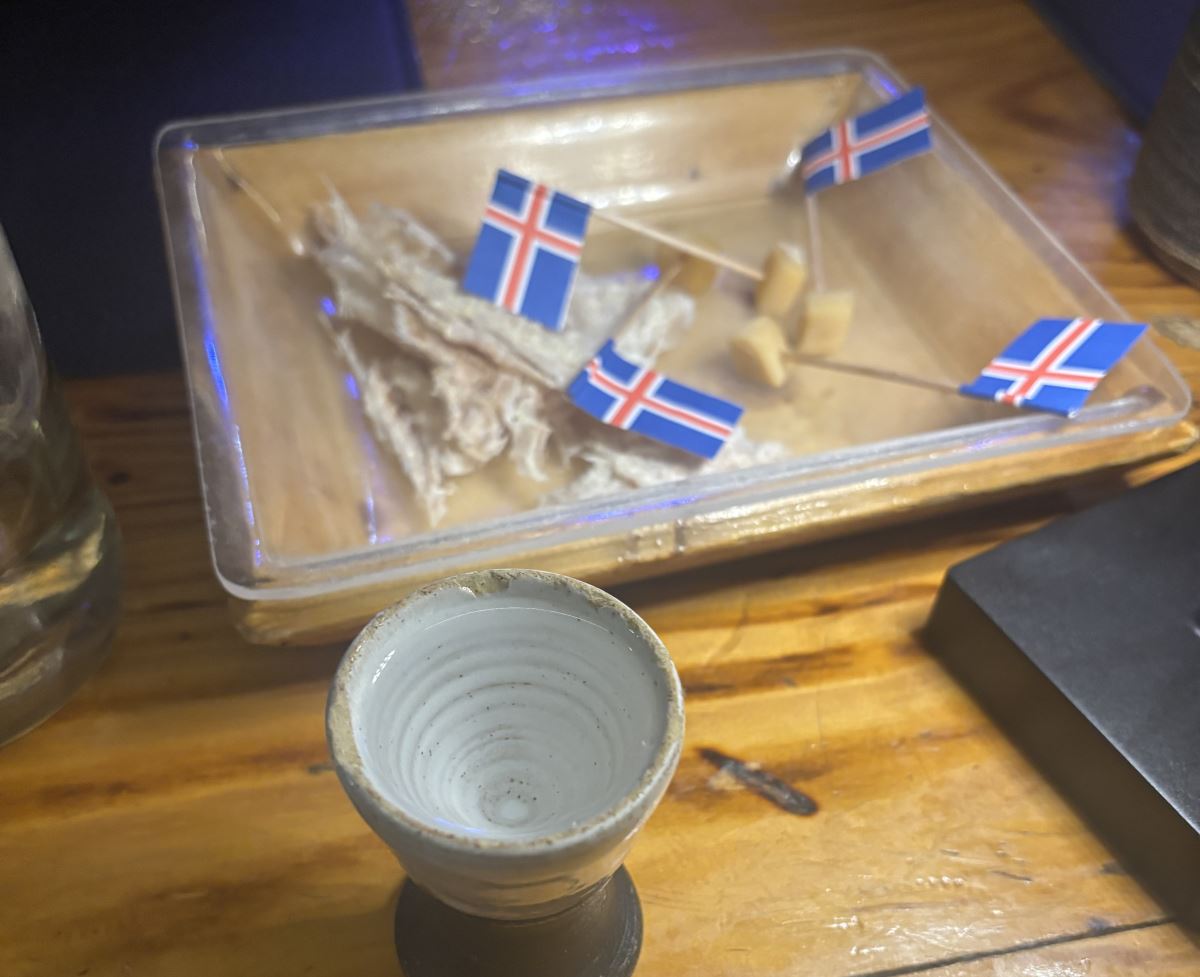 Harðfiskur and hákarl with a shot of Brennivín
Thanks to Iceland’s pristine waters and centuries-old traditions, seafood takes centre stage, from buttery Arctic char to delicately fresh sushi made with locally caught fish. Icelandic lamb, reared on wild herbs and mountain pastures, is celebrated for its exceptional flavour, while traditional snacks such as dried fish jerky (harðfiskur) remain a local favourite. And for adventurous eaters? There's hákarl – fermented Greenland shark – one of Iceland's most infamous delicacies, whose pungent aroma and acquired taste have made it something of a culinary rite of passage.
Best place to eat: Fjörukráin Viking Village
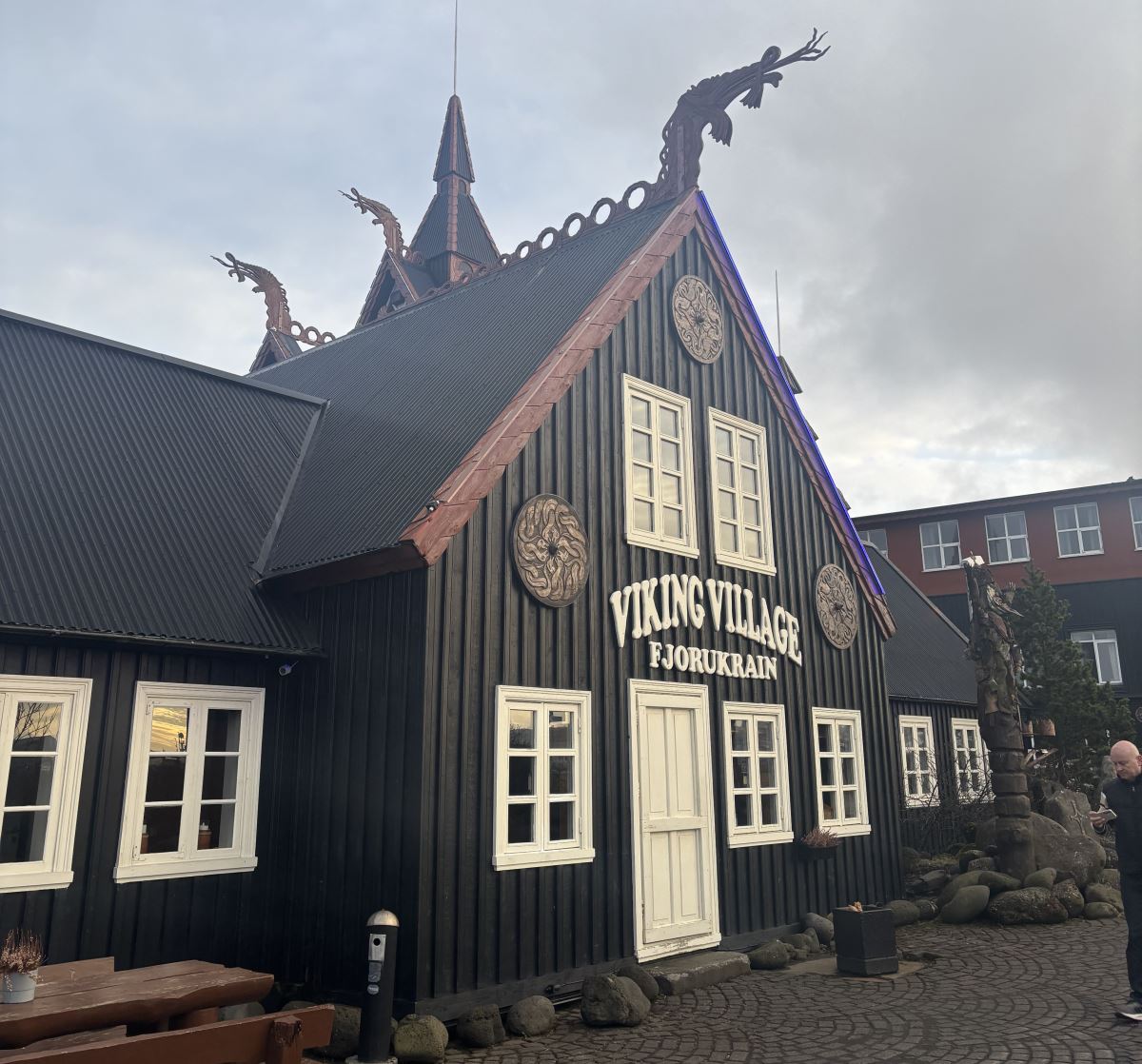 Fjörukráin Viking Village
If you're looking for a meal with a side of theatre, few places deliver quite like Fjörukráin Viking Village. Set beside the harbour in Hafnarfjörður, this wonderfully eccentric restaurant fully embraces Iceland's Viking heritage. The staff are dressed in traditional Viking costume, the timber-clad interior is filled with rustic carvings, shields and long tables, and it's not unusual for the team to break into traditional songs as you dine, creating an atmosphere that's both entertaining and surprisingly immersive.
The experience begins with one of Iceland's most traditional pairings: chewy strips of harðfiskur served alongside a shot of Brennivín - nicknamed Black Death, this 40% ABV schnapps is flavoured with caraway and has a famously fiery finish that's guaranteed to wake up your taste buds. It's the perfect introduction to an evening celebrating Icelandic food and folklore. Whether you choose slow-cooked Icelandic lamb, freshly landed seafood or another Nordic-inspired dish, the food is hearty, authentic and thoughtfully presented. It's not a fine dining experience in the traditional sense, but that's exactly the appeal. If you're looking to experience Iceland's culture through its cuisine, Fjörukráin offers an evening that's every bit as memorable as the country's waterfalls, volcanoes and glaciers.
Our Iceland food adventure is perfect if you're a foodie wanting to explore the traditional flavours of this unique island.
.jpg)
"I'll never forget being serenaded by a 'Viking' while we tucked into beautifully tender Icelandic lamb, followed by a warming homemade apple pie for dessert. It was such a fun, unexpected evening and without doubt one of the most memorable meals I had in Iceland."
Stef Studley
Senior Product & Travel Specialist
Denmark
Vibrant food markets, freshly caught fish and a different spin on sandwiches
.jpg) Danish cuisine
Danish cuisine
From traditional open-faced sandwiches (smørrebrød) topped with everything from pickled herring and smoked salmon to roast beef and homemade remoulade, to freshly baked pastries that have become famous around the world, Danish food celebrates craftsmanship and local produce.
The country's long coastline also means seafood is always heavily featured on the menus, including delicious delicacies like oysters, mussels and locally caught fish. Denmark has become a global culinary destination, with the New Nordic movement emphasising foraged ingredients, sustainability and innovative interpretations of traditional flavours.
Best place to eat: TorvehallerneKBH
%2C%20Norway%20(sm%C3%B8rbr%C3%B8d)%20and%20Sweden%20(sm%C3%B6rg%C3%A5s)_%20Consists%20of%20buttered%20rye%20bread%20topped%20with%20meat%20or%20fish%2C%20%20and%20salads__2449140219.jpg) Traditional Danish open-faced sandwiches
Traditional Danish open-faced sandwiches
For a true taste of Copenhagen's food culture, spend a morning or lunchtime exploring TorvehallerneKBH, the city's vibrant indoor food market. Located close to Nørreport Station, this bustling marketplace brings together some of Denmark's finest producers, bakers and food artisans, offering the perfect opportunity to sample local flavours all under one roof.
Wander between the stalls filled with freshly baked rye bread, artisan cheeses, chocolates, seasonal produce and Nordic specialities before stopping to try Denmark's iconic smørrebrød. Traditionally served on dense rye bread, these beautifully presented open-faced sandwiches are topped with ingredients such as pickled herring, smoked salmon, prawns, roast beef or creamy egg and shrimp salad. Pair yours with a local craft beer or aquavit for a truly authentic Danish experience.
Combining exceptional produce with Copenhagen's relaxed approach to dining, Torvehallerne offers a wonderful introduction to the traditions, flavours and creativity that continue to define Danish cuisine.
From sampling traditional Danish delicacies at Torvehallerne to discovering Copenhagen's hidden culinary gems on a guided food tour, our Copenhagen Summer Break offers the perfect introduction to Denmark's world-renowned food scene.
(1).jpg)
“The Copenhagen culinary walking tour is a brilliant way to understand the city beyond the famous sights. Each stop tells a story about Danish food traditions, from classic recipes passed down through generations to the innovative chefs shaping the future of Nordic cuisine.”
Jane Slade
Senior Product Executive
Ready to Taste the Real Europe?
The best food experiences take you beyond the restaurant table, connecting you with local traditions, passionate producers and the landscapes that inspire every dish.
From Arctic seafood and centuries-old fishing traditions to Michelin-recognised Nordic cuisine, our Travel Specialists can help you discover Europe's most authentic culinary journeys, tailored entirely around your interests.