- Step into the ring at a Tokyo sumo show, learning techniques firsthand
- Participate in an authentic Kyoto tea ceremony wearing a traditional kimono
- Create colorful temari sushi with guidance from a local Japanese chef
- Experience Kanazawa’s gold-leaf workshops, crafting delicate pieces yourself
- Explore Takayama’s artisan streets, discovering centuries-old Japanese folk crafts

Japan Traditions
Tradition in Japan is not something preserved only for display - it is still part of everyday life. Craft techniques are passed down through generations, rituals shape daily routines, and food, hospitality and even sport follow long-established customs. This itinerary focuses on those traditions and how they continue to exist today. Rather than simply visiting historic sites, the journey includes experiences that show how these practices work in real life: taking part in a tea ceremony while wearing a kimono, learning about sumo from former wrestlers, making temari sushi, trying gold-leaf craft and spending time in places where traditional skills are still practised.
The route moves through several regions, each offering a different perspective on Japanese traditions. In Tokyo, explore historic districts alongside the sumo experience to see how traditional culture sits within modern city life. Continue to Hakone to experience onsen culture and views of Mount Fuji, then on to temple traditions and classical arts in Kyoto. The journey continues through historic landmarks such as Himeji Castle, the cultural landscapes of Kanazawa and Kenrokuen, and smaller craft centres like Fukui and Takayama. Stops in Hiroshima and Itsukushima Shrine add historical perspective, while Osaka highlights Japan’s strong food culture.
All transport and transfers throughout the itinerary are arranged in advance to ensure smooth travel between each destination, and our travel specialists can help tailor the journey to suit your interests if you would like to explore the traditional side of Japan in more depth.
Tour Itinerary
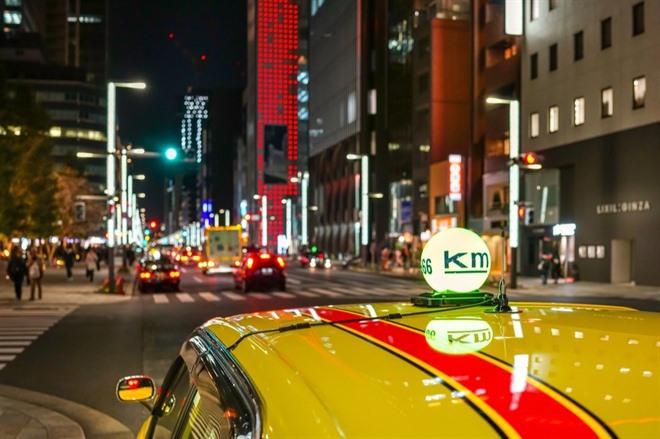
Arrive in Tokyo and transfer privately to your hotel in Shinjuku, one of the city’s most dynamic districts. This first day is about easing into Japan’s rhythm after the flight, with the city’s energy right outside your door. Shinjuku offers a striking introduction to modern Tokyo, where neon-lit streets sit alongside small neighbourhood shrines and hidden eateries. The evening is free to rest or take a short walk to get a first feel for the city’s contrasts.
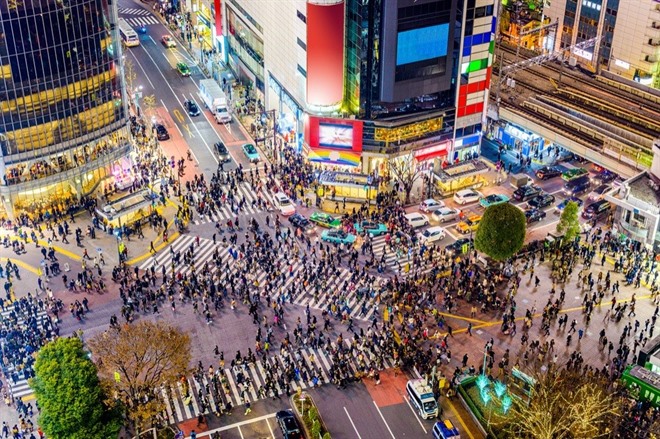
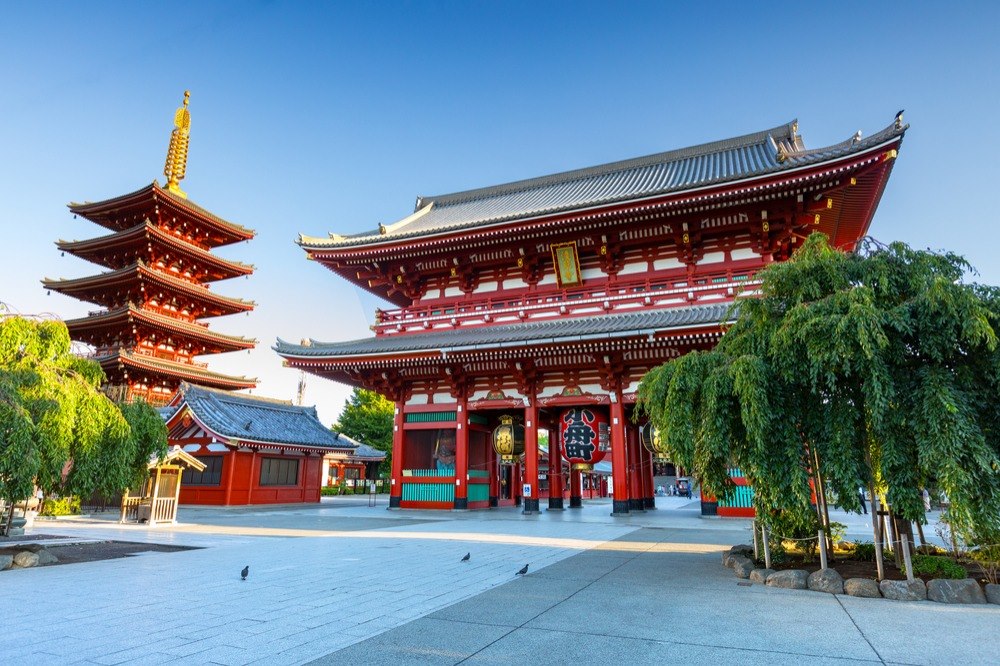
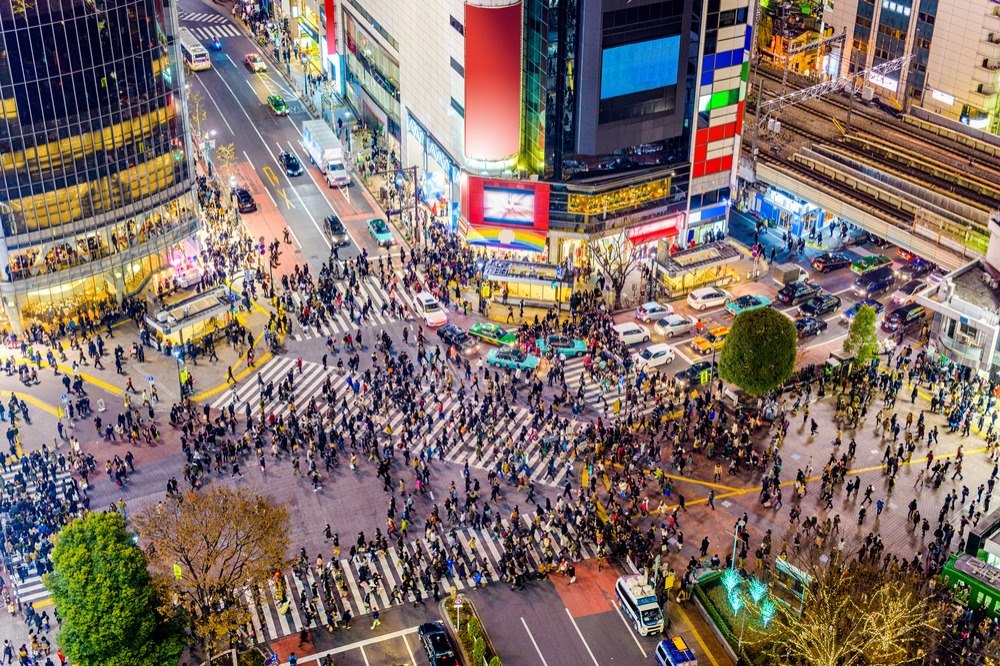
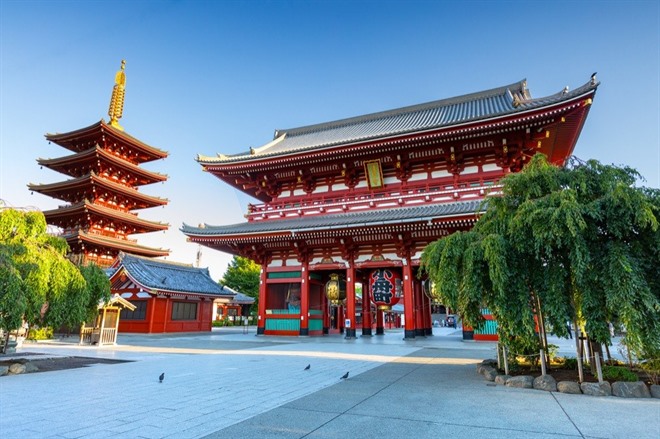
Spend the day exploring Tokyo with a private guide using public transport, the best way to understand how the city works. Begin in Asakusa, home to Sensoji, Tokyo’s oldest temple and a centre of popular worship for centuries. Walk along Nakamise Street to see traditional snacks and crafts that reflect everyday Japanese culture. Continue to the Imperial Palace area, where landscaped gardens surround the home of the imperial family. End in Shibuya, experiencing the famous crossing and the youthful, fast-moving side of the capital. (B)
Attend a sumo show in Tokyo, learning about Japan’s oldest sport that blends ritual, discipline, and ceremony. Watch former wrestlers demonstrate techniques, stances, and moves, then try stepping into the ring yourself. Enjoy chanko, the protein-rich stew eaten by wrestlers, gaining insight into their diet and training culture. The afternoon is free to explore the city further or visit neighbourhoods where local crafts and traditional practices remain part of everyday life. (B,L)
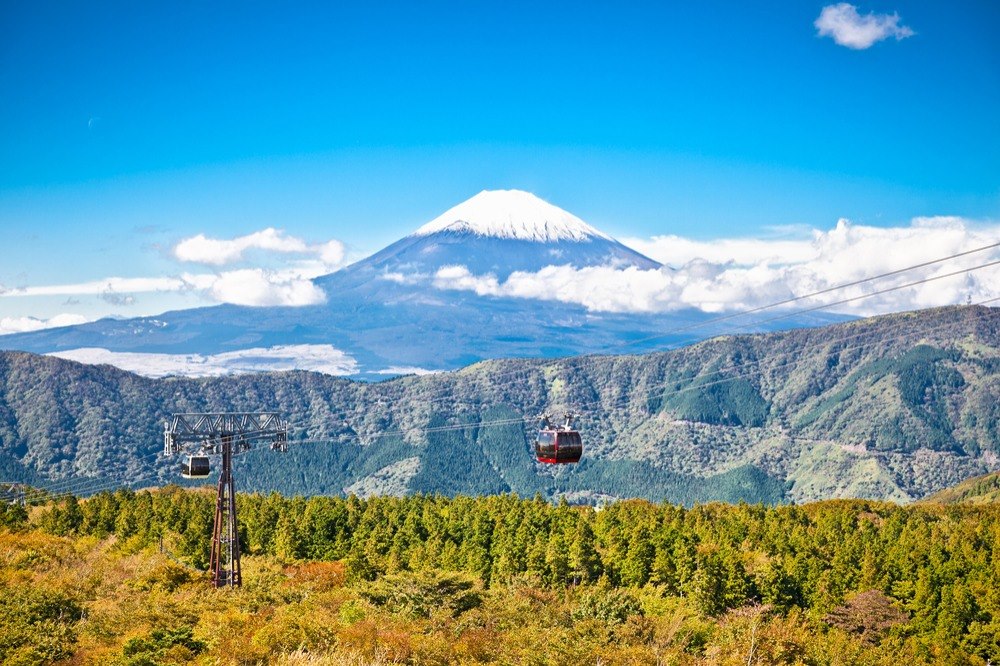
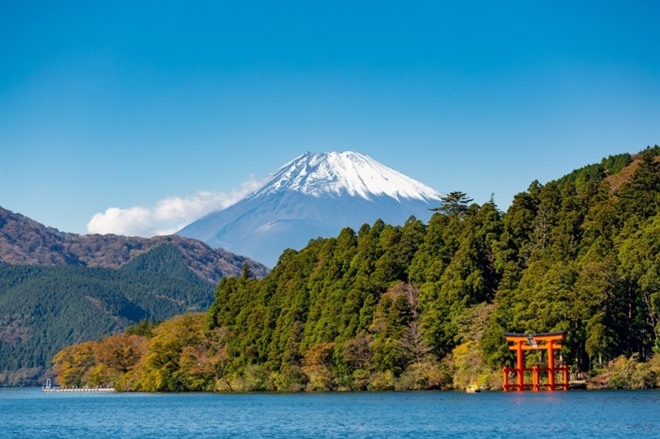
Travel into the mountains to Hakone, a region long associated with hot springs and views of Mount Fuji. With a private guide, explore Owakudani, an active volcanic valley where steam vents rise from the earth, offering insight into Japan’s volcanic landscape. Ride the Hakone Ropeway for elevated views across forested hills and Lake Ashi, then take a cruise on the lake itself. Weather permitting, Mount Fuji appears across the water, explaining why this area has inspired artists and poets for generations. Stay overnight at a traditional ryokan. (B)
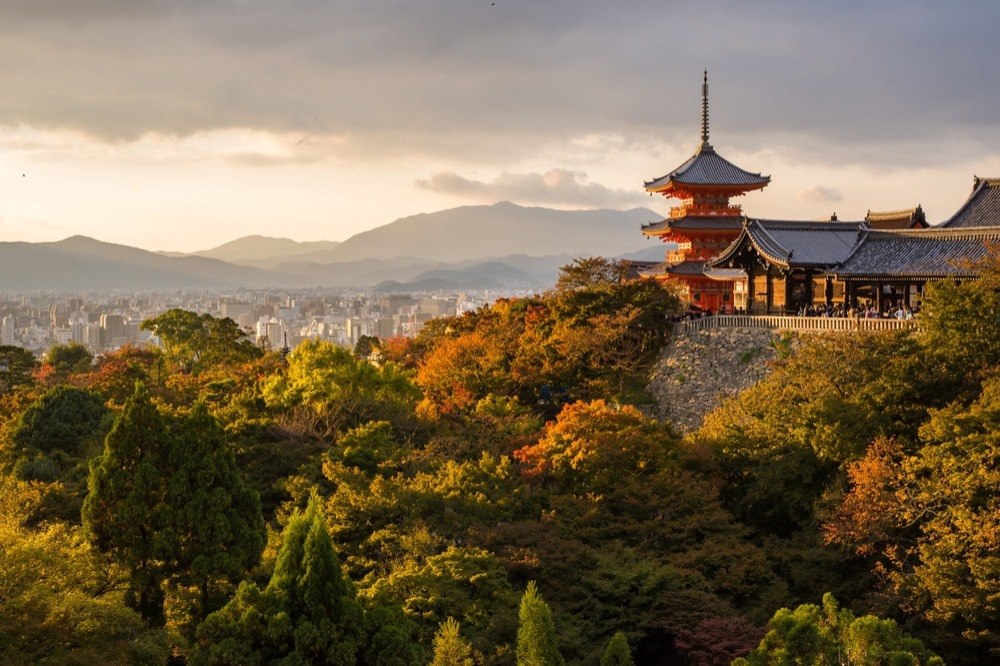
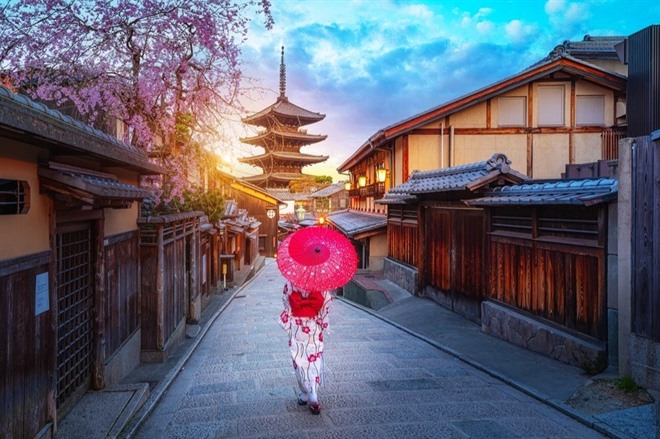
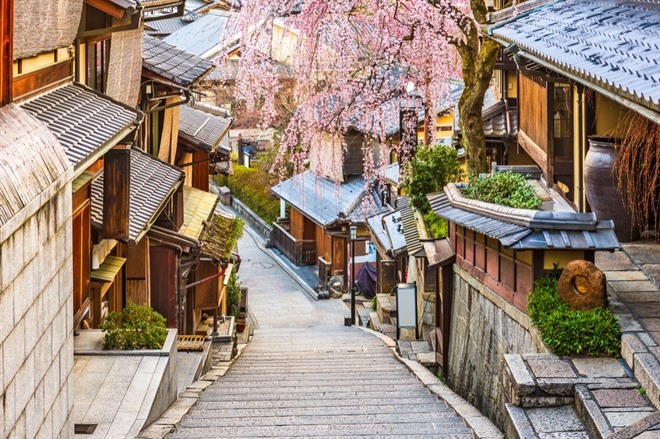
Travel to Kyoto by a local and bullet train, Japan’s cultural heart, known for its temples, gardens, and preserved traditions. Begin your day with a kimono experience, selecting a garment and learning how its design reflects Japanese aesthetics, seasonality, and symbolism. Then participate in a traditional tea ceremony, where you will prepare and serve matcha under the guidance of an instructor. Learn about the history and philosophy behind the ritual, from precise movements to the tools used, and understand how it embodies harmony, respect, and mindfulness. After the ceremony, explore nearby streets to see local crafts and architecture, observing how these traditions remain part of daily life in Kyoto. (B)
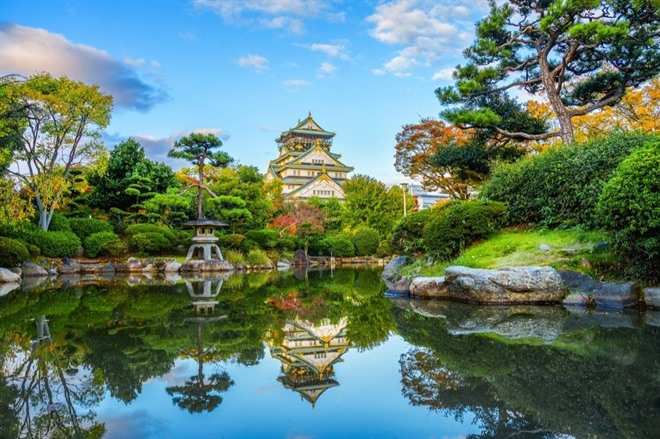
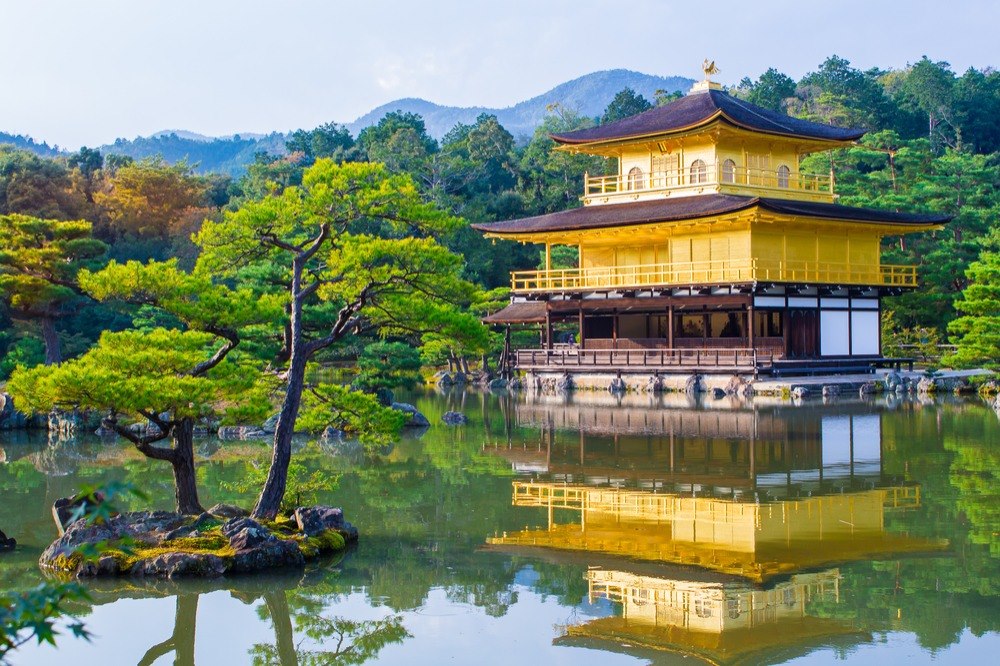
Continue discovering Kyoto on a full day guided tour. Visit Kinkakuji, the Golden Pavilion, whose reflective surface and carefully designed gardens express classical Japanese aesthetics. Head west to Arashiyama, an area known for its scenic setting and historic temples. Walk through the Sagano Bamboo Grove, where tall stalks create an immersive natural corridor, and explore Tenryuji, a Zen temple whose garden was designed to frame the surrounding mountains as part of the landscape.
Enjoy a free day in Kyoto. This allows time to revisit favourite areas or explore lesser-known neighbourhoods, local markets, or small temples away from the main tourist routes. Kyoto’s appeal often lies in quiet details, such as narrow lanes, seasonal sweets, and neighbourhood shrines that remain part of daily life. Optional activities can be added depending on interests. (B)
Travel west by bullet train, stopping at Himeji to visit Japan’s most impressive surviving feudal castle. Himeji Castle is a UNESCO World Heritage site and a rare example of original wooden castle architecture, offering insight into defensive design and samurai-era power. Continue onward to Hiroshima, a city shaped by both tragedy and renewal, and settle in for the night. (B)
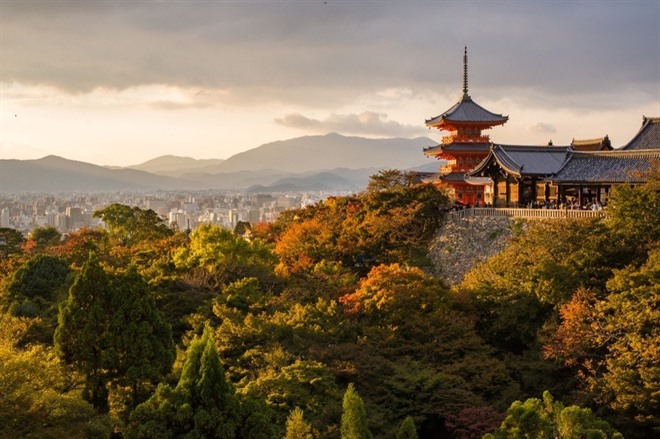
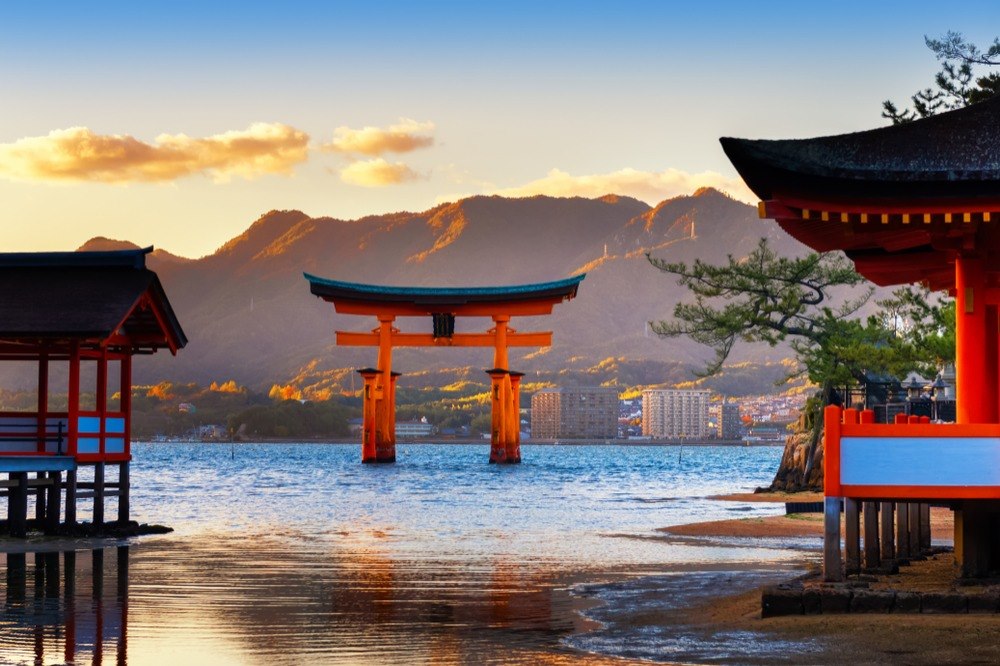
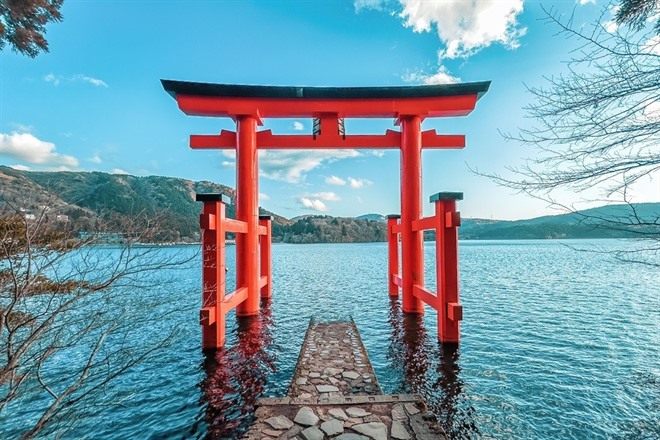
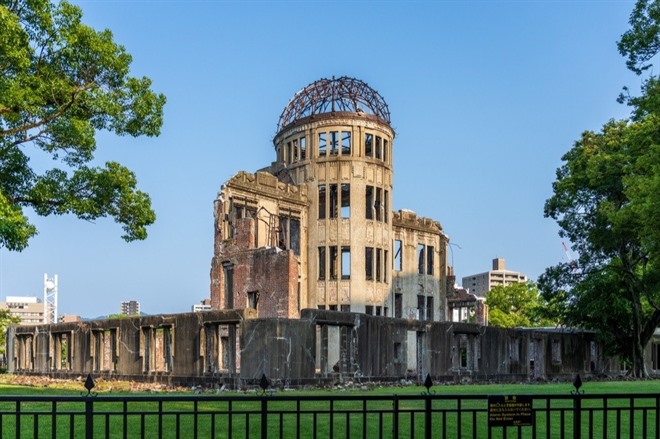
Explore Hiroshima and Miyajima with a private guide. Take a ferry to Miyajima Island to see Itsukushima Shrine and its famous torii gate, which appears to float on the sea at high tide. The island’s gentle walking trails, deer, and local food stalls offer a slower pace. Return to Hiroshima to visit the Peace Memorial Park and Museum, providing a thoughtful and moving understanding of the atomic bombing and the city’s commitment to peace. Continue by train to Osaka. (B)
Travel to Fukui, a region known for its rich artisan heritage. Visit a local washi paper workshop to see how traditional Japanese paper has been made for centuries using natural fibres and careful hand techniques. Observe skilled artisans as they beat, press, and dry the pulp to create delicate, durable sheets that are used for everything from calligraphy to lanterns. You will also have the opportunity to make your own sheet of washi, experiencing the tactile process firsthand and gaining an appreciation for the precision, patience, and artistry involved.
This hands-on activity offers insight into a craft that has shaped Japanese art, culture, and daily life, connecting you directly to a centuries-old tradition that continues to be valued across Japan today. (B)
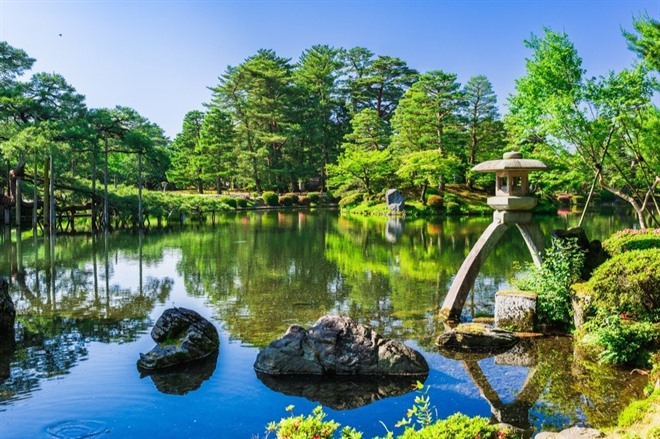
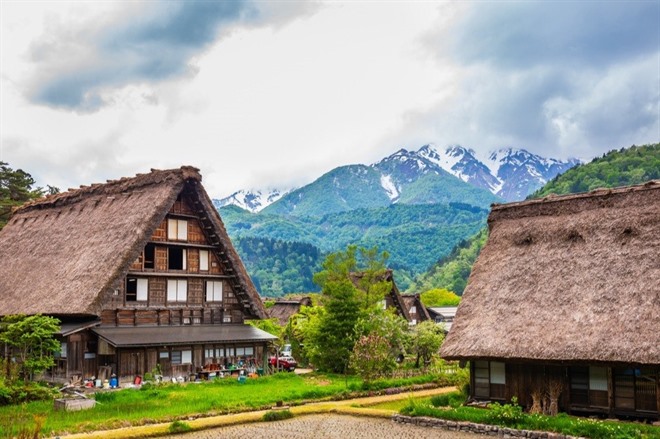
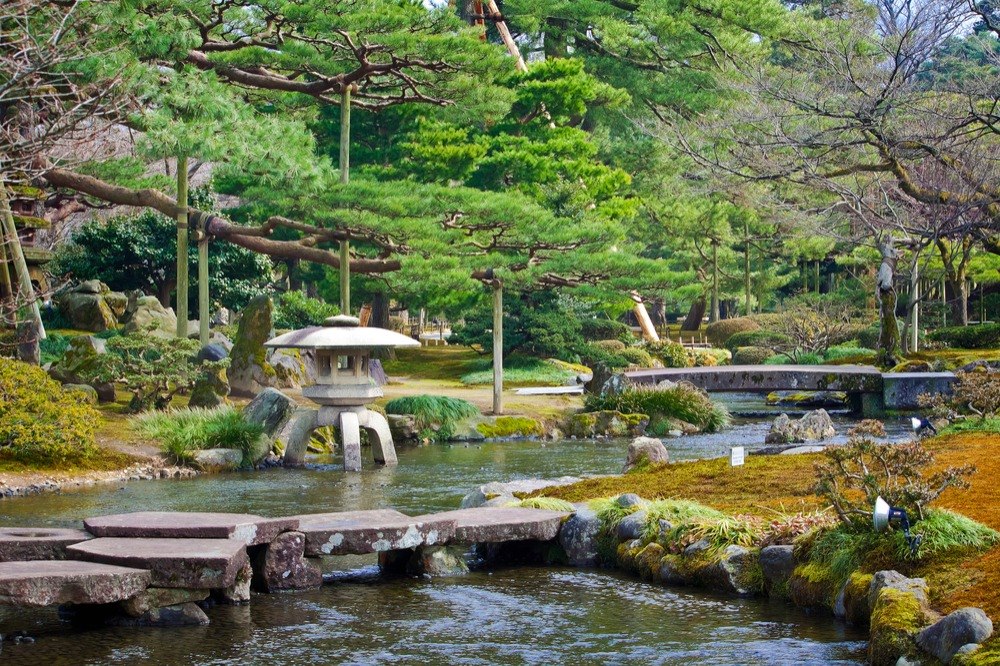
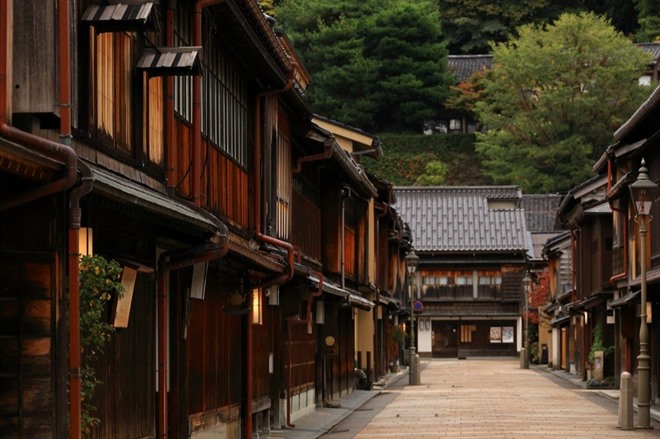
Travel to Kanazawa, a city celebrated for its samurai heritage and artisan culture. Visit Nagamachi Samurai District to see preserved homes and streets, understanding samurai life and architecture. Explore Kenrokuen Garden, one of Japan’s most famous landscape gardens, and learn how seasonal planting and design reflect philosophical principles. Then visit Higashi Chaya, the historic teahouse district, where geisha once performed music and dance, highlighting the role of performing arts in preserving cultural tradition. End the day by joining a gold-leaf workshop, where artisans show how this delicate craft is applied to decoration, architecture, and art, a skill maintained for generations.
There is also the option to meet a samurai descendant, offering personal insight into samurai values and legacy. This can be added on request. (B)
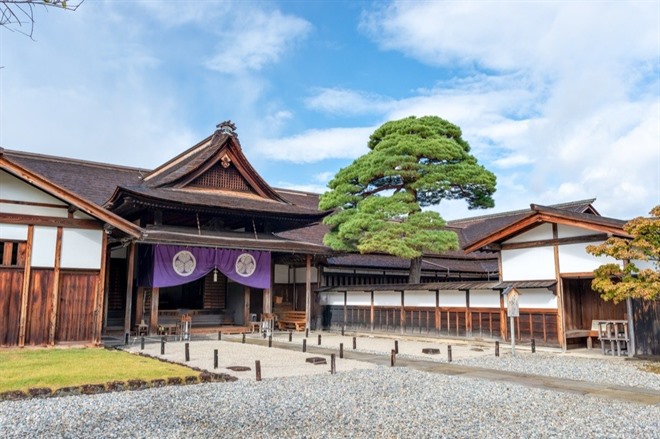
Start the day at Omicho Market, Kanazawa’s vibrant hub for fresh seafood and regional specialities. Then join a Temari sushi workshop, shaping and seasoning bite-sized sushi balls under the guidance of a local chef, learning techniques that balance presentation, taste, and tradition. This activity demonstrates how Japanese culinary arts combine aesthetics with daily life.
The afternoon is free to explore the city further, revisit craft shops, or wander through historical streets, giving you time to absorb Kanazawa’s living traditions and reflect on the skills and customs that have shaped the region. (B)
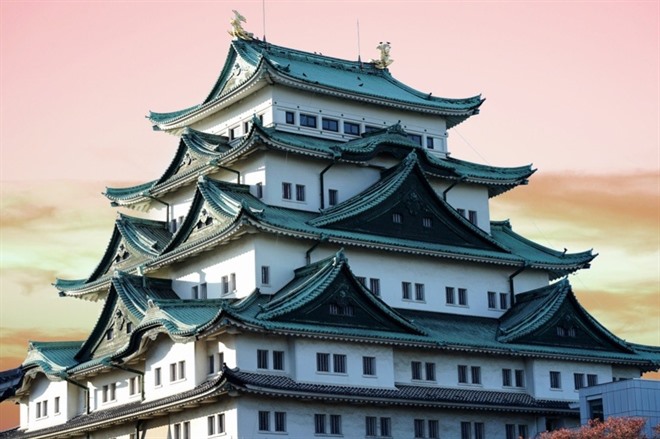
After breakfast, travel from Kanazawa to Takayama by bullet and express train, crossing the mountainous landscapes of the Hida region. Takayama’s culture was shaped by its harsh winters, rugged environment, and a mix of Kyoto and Edo influences.
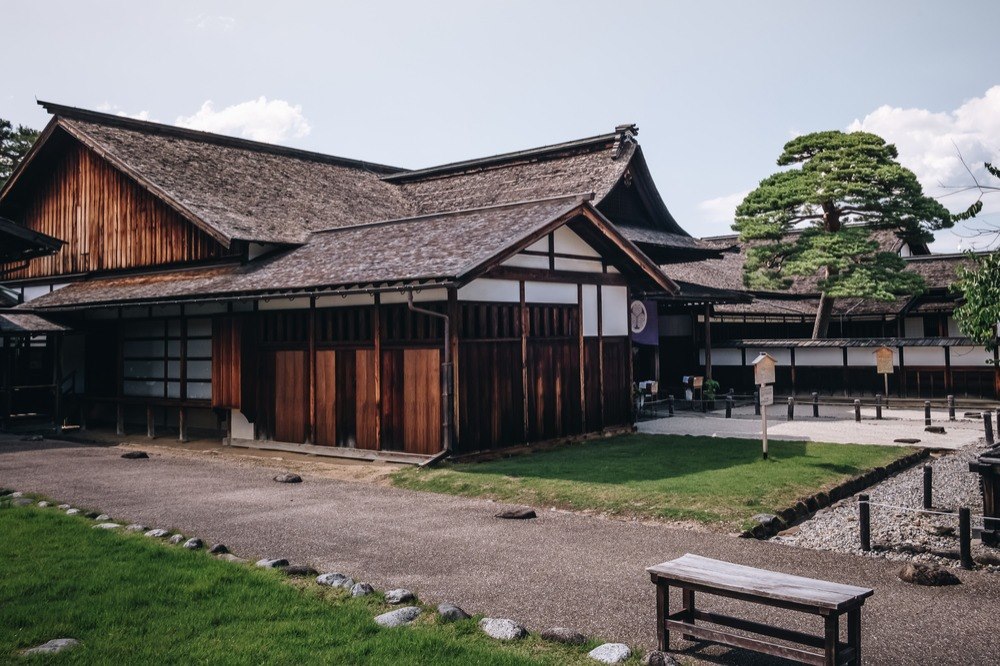
In the afternoon, join a craft walking tour to explore the town’s long-standing family workshops and artisan shops. Discover both folk crafts, including Sashiko patchwork and Hanga woodblock prints, and refined traditional crafts such as detailed wooden carvings and Shunkeinuri lacquerware. Observe artisans at work and learn how these skills have been passed down through generations, reflecting the region’s heritage and the balance between daily life and artistry. The streets of Takayama themselves showcase the town’s history, providing a living context for the crafts you encounter. (B)
Pricing Information
Price Includes
- Return International flights as per the itinerary
- All taxes & charges
- Accommodation and meals as specified
- Transfers as specified
- Activities and excursions as specified
- All entrance fees on sightseeing tours as specified
Price Includes
Price Excludes
- Travel Insurance
- Any meals not specified in the itinerary
- Tips and gratuities
- Optional excursions
Price Notes
- Price is per person based on 2 adults travelling together with a 1 June 2027 departure
- All flight rates are correct at the time of publication but remain subject to change by the airlines. The exact airfare and any applicable taxes or surcharges will be reconfirmed at the time of booking.
- Holiday and peak season surcharges are not included in the above prices. Additional charges may apply during peak travel periods, including 15 December to 10 January, and will be confirmed at the time of booking.
- This is a suggested itinerary that can be customised to suit your preferences. We can remove certain excursions or add other destinations as needed. This provides an overview of what you can experience in the area, but it is by no means exhaustive. Please reach out to one of our travel specialists to help you create your ideal holiday.
Tour Route Map
- Japan, Tokyo
- Japan, Hakone
- Japan, Kyoto
- Japan, Hiroshima
- Japan, Osaka
- Japan, Fukui
- Japan, Kaga Onsen
- Japan, Kanazawa
- Japan, Takayama
- Japan, Tokyo
Tour Accommodation


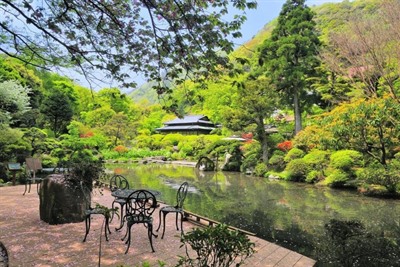

Image Gallery