- Discover Naoshima and Teshima, where contemporary art reshapes quiet island life
- Stay in Kinosaki Onsen, experiencing traditional bathhouse culture in a historic spa town
- Explore Hiroshima with context, combining Miyajima’s rituals and modern Japanese history
- Learn Japanese food culture, hands-on through sushi making and tea ceremony traditions

Jewels of Japan
The Jewels of Japan itinerary combines the country’s biggest cities with places that add contrast and depth, moving at a pace that allows time to look, learn, and enjoy rather than rush. The route links urban Japan with hot spring towns, rural landscapes, and island communities shaped by art, history, and tradition.
Travel is largely by Japan’s excellent rail network, which is both efficient and scenic, making the journey itself part of the experience. You’ll explore Tokyo with a private guide, visit Hakone for views of Mount Fuji and volcanic landscapes, and spend time in Hiroshima and Miyajima, where modern Japan and recent history intersect. Naoshima and Teshima offer quieter stops focused on contemporary art and architecture, followed by Himeji’s landmark castle and an overnight stay in Kinosaki Onsen, known for its traditional bathhouses. The trip finishes in Kyoto with guided and independent time to explore temples, neighbourhoods, and long-held customs such as the tea ceremony. Throughout, hotels, transfers, and guiding are arranged in advance, with flexibility built in for personal interests.
Tour Itinerary
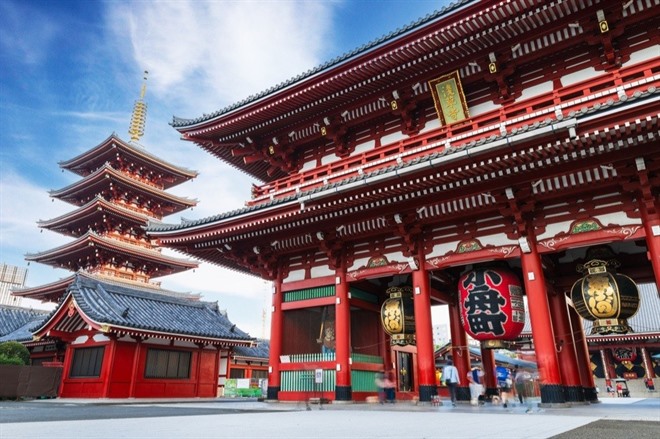
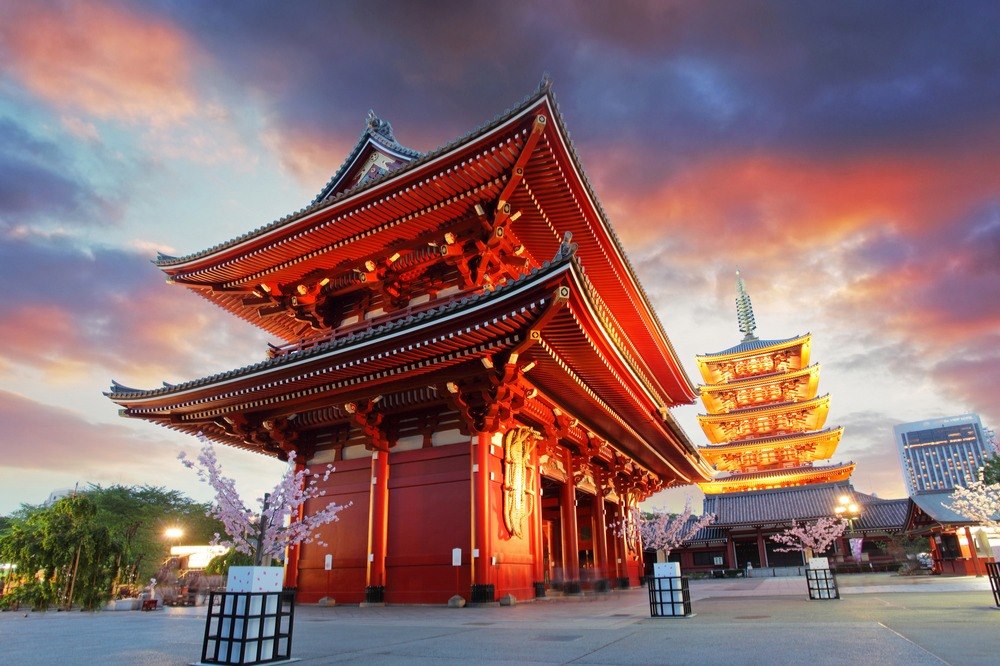
Today is spent exploring Tokyo by public transportation with a private guide, offering an insight into how the city moves and lives. The day begins in Asakusa, one of Tokyo’s oldest neighbourhoods and a centre of traditional culture. Visit Sensoji Temple, the city’s most famous Buddhist temple, and wander along Nakamise Street, where small stalls sell local snacks, sweets and traditional crafts that have been part of the area for generations.
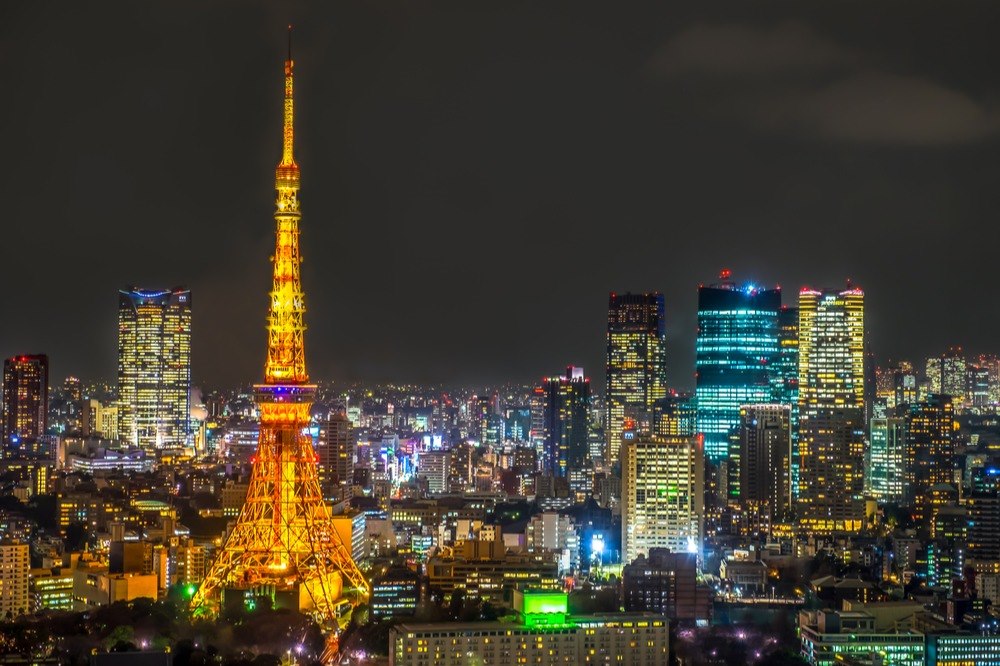
The journey continues to the Imperial Palace area, a calm and spacious contrast to the surrounding city. Here, landscaped gardens and historic stone walls surround the residence of Japan’s imperial family, offering a glimpse into the country’s enduring traditions. In the afternoon, experience the dynamic energy of Shibuya. The famous Scramble Crossing captures the pace of modern Tokyo, while nearby streets reveal fashion boutiques, cafés and youth culture that shape the city’s contemporary identity. (B)
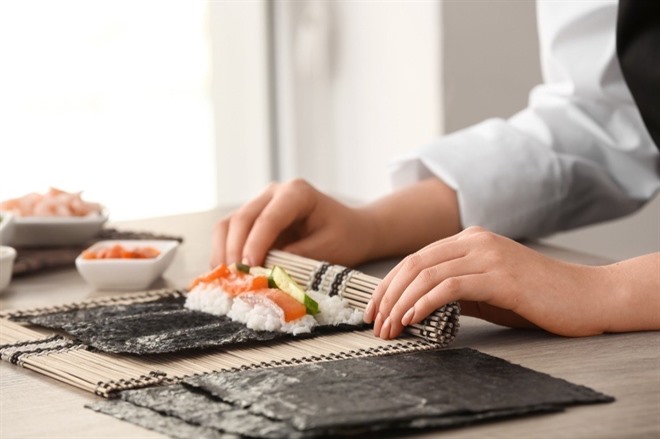
Learn the art of authentic Japanese sushi-making in a hands-on class where you'll master the basics of preparing sushi rice, toppings, and key ingredients like dashi, miso, mirin, and sake. After a brief introduction to the importance of quality ingredients, you'll create a variety of sushi, including nigiri, inari, and rolls. The class ends with enjoying the sushi you've made, offering both a memorable experience and a new skill to share with others.
The rest of the day is free at your own leisure. (B,L)
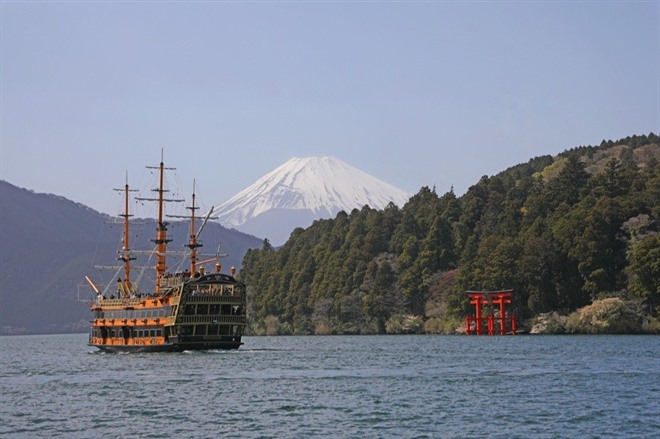
After breakfast, set out on a full-day guided exploration of Hakone using public transportation. This classic day route showcases the region’s varied scenery and long-standing reputation as one of Japan’s most scenic retreats, with Mount Fuji often providing a dramatic backdrop. The day begins at Owakudani, an active volcanic valley where steam rises from the earth and the scent of sulphur fills the air, offering a vivid reminder of Japan’s geothermal forces.
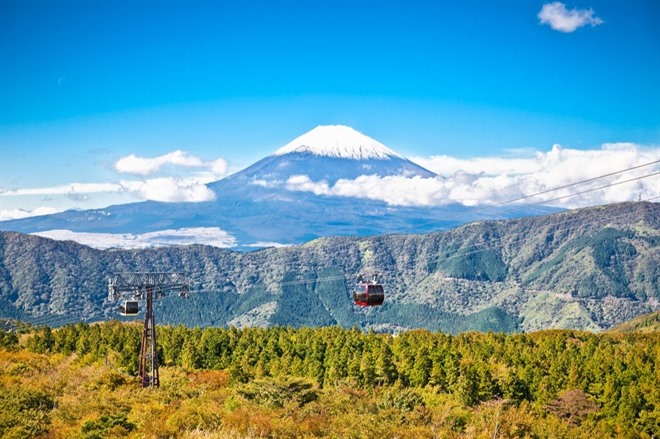
From here, the Hakone Ropeway glides above the valley, opening up wide views across forested slopes, crater terrain and, on clear days, Mount Fuji itself. The journey continues with a cruise across Lake Ashi, set beneath surrounding mountains and known for its calm waters and shifting light. From the lake, the landscape of Hakone feels slower and more contemplative, rounding off a day shaped by nature, volcanic activity and classic Japanese scenery. (B)
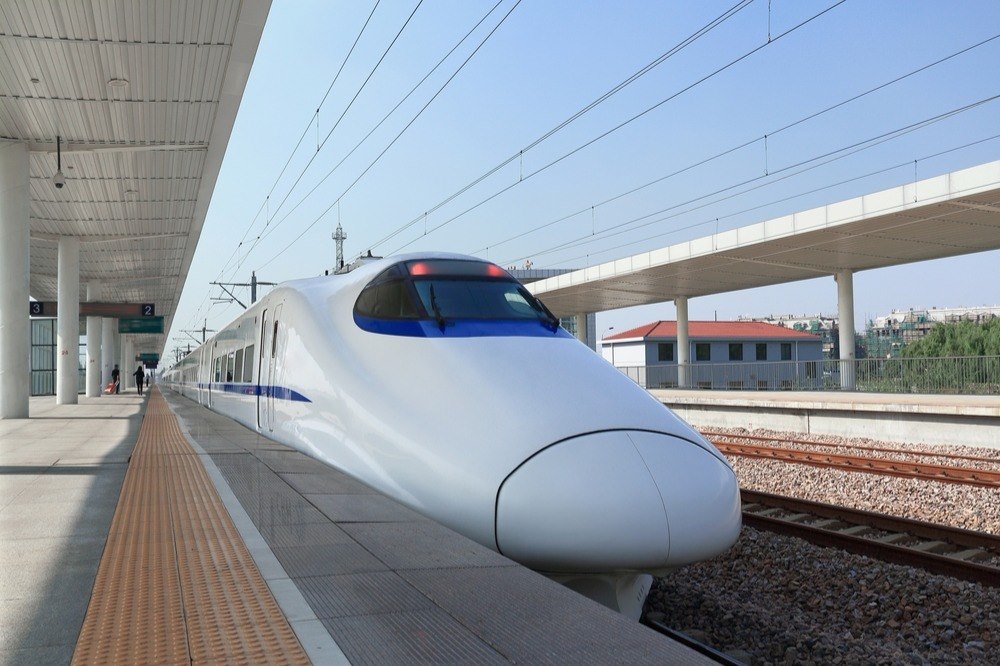
After breakfast at the hotel, the morning is free for independent activities. Travel by bullet train from Tokyo to Hiroshima, approximately a 4-hour journey. Upon arrival, transfer to the hotel and check in. The rest of the day is free to rest or explore Hiroshima at your own pace. (B)
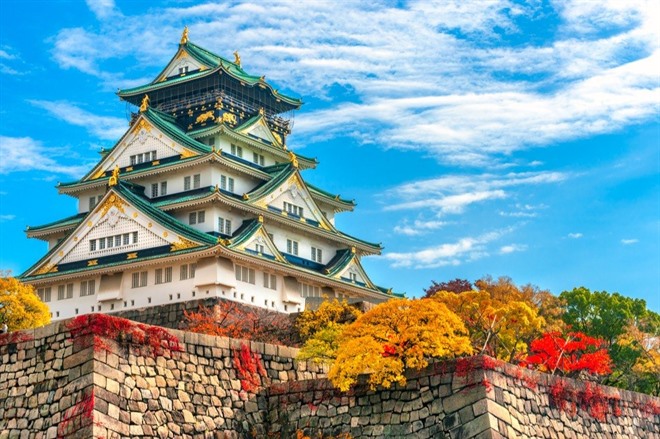
After breakfast, spend the day on a private guided tour of Hiroshima and Miyajima using public transportation. Begin with a ferry ride to Miyajima, famous for Itsukushima Shrine and its floating torii gate. Explore the island, encounter the friendly deer, and sample local specialities such as grilled oysters and maple leaf-shaped cakes.
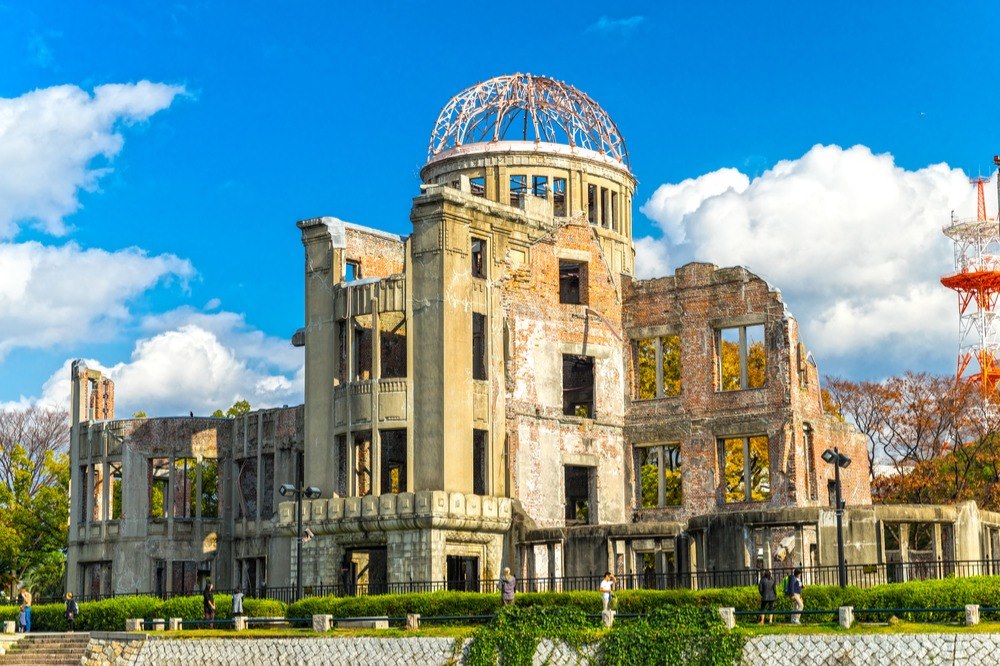
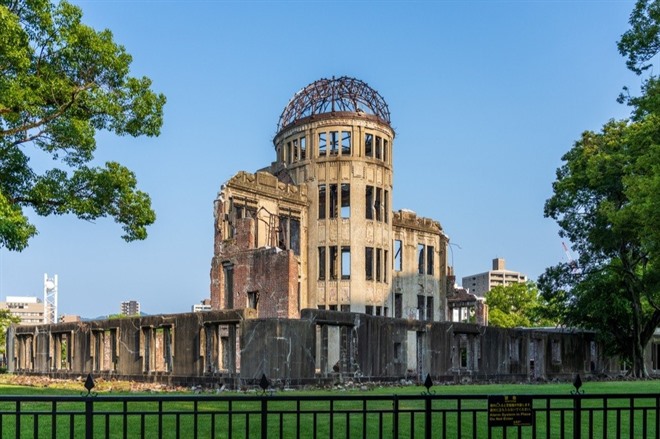
Return to Hiroshima to visit Peace Memorial Park, a dedicated space honouring the victims of the atomic bombing, including landmarks like the A-Bomb Dome. Continue to the Peace Memorial Museum, where exhibits provide a detailed and moving account of the events of August 6, 1945, and the city’s ongoing commitment to peace and reconciliation. (B)
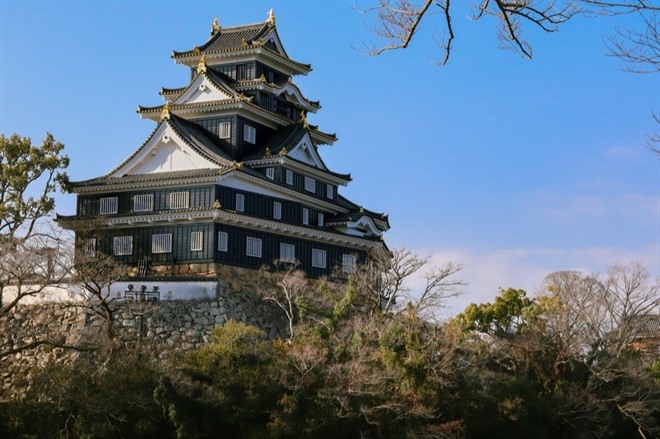
After breakfast at the hotel, travel from Hiroshima to Naoshima by bullet train, local trains, and ferry, a journey of approximately 2.5 hours. Upon arrival, check in at the ryokan and settle in. The evening is spent enjoying dinner at the ryokan. (B,D)
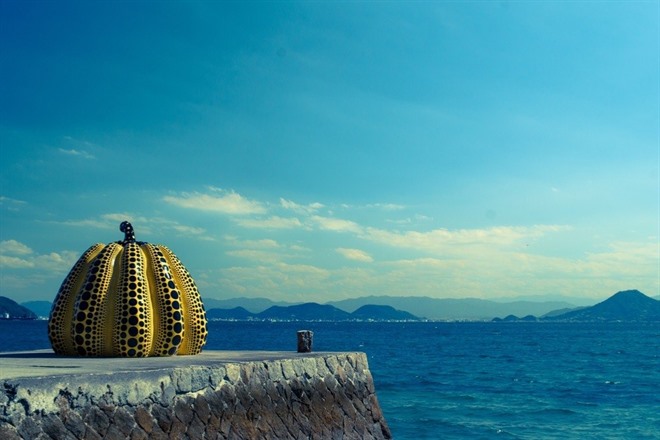
After breakfast at the hotel, spend a full day exploring Naoshima independently. The island is renowned for its contemporary art, architecture, and outdoor installations. Highlights include the Chichu Art Museum, built mostly underground and housing works by Monet, James Turrell, and Walter De Maria, and the Benesse House Museum, which combines gallery spaces with a hotel and outdoor sculptures.
Other suggestions include the Art House Project in Honmura, where traditional houses have been transformed into immersive art installations, and the Lee Ufan Museum, showcasing minimalist works in a striking modern building. Stroll along the coast to enjoy the outdoor sculptures and the quiet island atmosphere, or visit local cafés and craft shops for a taste of Naoshima’s creative community. (B,D)
After breakfast at the hotel, take a short ferry ride to Teshima Island, known for its contemporary art installations and the Teshima Art Museum, which integrates architecture, nature, and artwork in a unique experience. Explore the island’s outdoor sculptures and galleries before returning to Naoshima.
From Naoshima, travel by ferry and local train to Okayama. Upon arrival, check in at the hotel and settle in. The remainder of the day is free to relax or explore the city independently. (B)
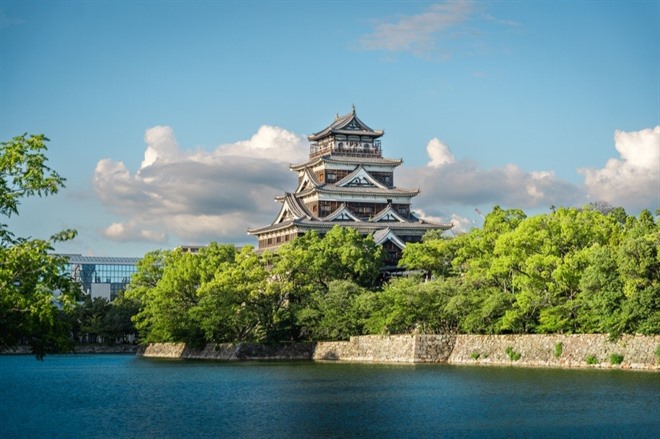
After breakfast at the hotel, take a bullet train from Okayama to Himeji, a journey of approximately 20 minutes. Spend some free time exploring Himeji, with a recommended visit to Himeji Castle, one of Japan’s most iconic and well-preserved castles.
At 13:25, depart Himeji by express train to Kinosaki Onsen, a journey of about 1 hour and 45 minutes. Upon arrival, check in at the ryokan and enjoy dinner. The evening can be spent strolling through the town’s charming streets and experiencing the public onsen baths, a highlight of this traditional hot spring town. (B,D)
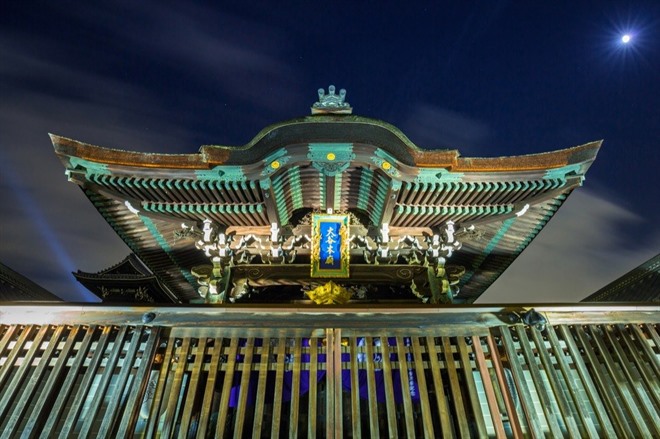
After breakfast at the ryokan, take an express train from Kinosaki Onsen to Kyoto, a journey of approximately 2.5 hours.
Spend a full day exploring Kyoto with a private guide using public transportation. The itinerary is flexible, allowing for visits to preferred sites among the city’s most iconic landmarks. Options include Fushimi Inari Shrine, famous for its thousands of red torii gates, or Tofukuji Temple, renowned for its peaceful Zen gardens. Sanjusangendo offers a striking display of 1,001 golden Kannon statues, while Kiyomizu Temple features a large wooden stage with expansive city views.
Alternatively, explore the historic Gion district, where traditional wooden houses line the streets and there is a chance to see a geisha or maiko. The day combines cultural landmarks, architectural highlights, and the unique atmosphere of Kyoto’s traditional neighbourhoods, offering an in-depth experience of the city’s heritage. (B)
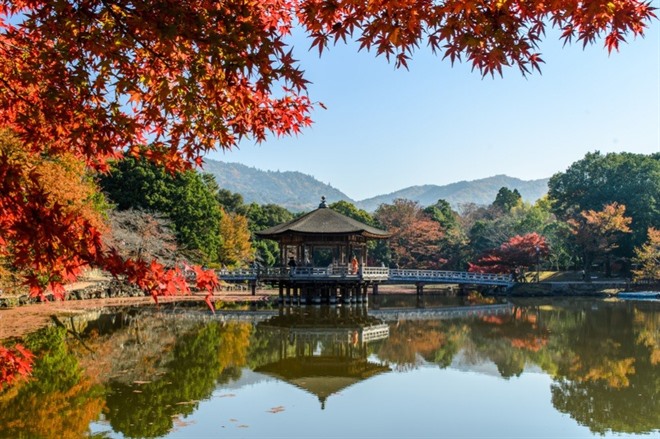
After breakfast at the hotel, the day is free for independent activities. Time can be spent exploring Kyoto at a personal pace, visiting temples, shrines, and gardens, strolling historic streets, or enjoying local cafés and shops. This is an opportunity to experience the city according to individual interests and schedule. (B)
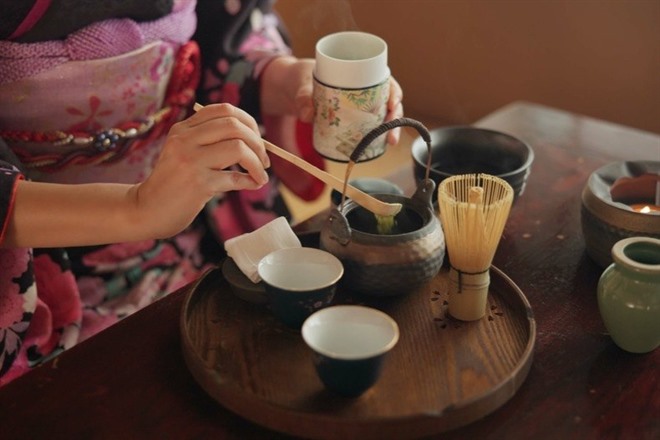
After breakfast at the hotel, join a Japanese tea ceremony to experience this refined tradition. In a tranquil tearoom, learn the art of preparing and serving tea, appreciating the harmony, mindfulness, and simplicity at the heart of the practice.
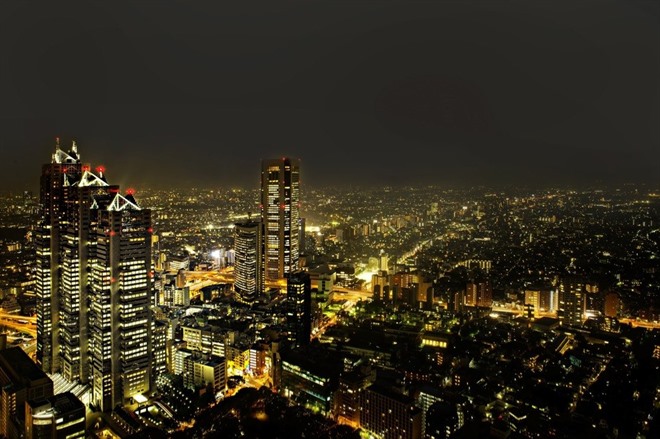
Later, travel by bullet train from Kyoto to Tokyo, a journey of approximately 2 hours. Upon arrival, check in at the hotel. The rest of the day is free for independent activities, allowing time to relax or explore Tokyo at your own pace. (B)
Take the shared shuttle bus transfer back to the airport for the journey home. (B)
Pricing Information
Price Includes
- Return International flights as per the itinerary
- All taxes & charges
- Accommodation and meals as specified
- Transfers as specified
- Activities and excursions as specified
- All entrance fees on sightseeing tours as specified
Price Includes
Price Excludes
- Travel Insurance
- Any meals not specified in the itinerary
- Tips and gratuities
- Optional excursions
Price Notes
- Price is per person based on 2 adults travelling together with a 1 February 2027 departure
- All flight rates are correct at the time of publication but remain subject to change by the airlines. The exact airfare and any applicable taxes or surcharges will be reconfirmed at the time of booking.
- Holiday and peak season surcharges are not included in the above prices. Additional charges may apply during peak travel periods, including 15 December to 10 January, and will be confirmed at the time of booking.
- This is a suggested itinerary that can be customised to suit your preferences. We can remove certain excursions or add other destinations as needed. This provides an overview of what you can experience in the area, but it is by no means exhaustive. Please reach out to one of our travel specialists to help you create your ideal holiday.
Tour Route Map
- Japan, Tokyo
- Japan, Hiroshima
- Japan, Naoshima
- Japan, Okayama
- Japan, Kinosaki Onsen
- Japan, Kyoto
- Japan, Tokyo
Tour Accommodation
Image Gallery