- Create your own indigo-dyed keepsake with traditional artisans in Yame
- Taste Beppu’s geothermal culture with food steamed using hot spring heat
- Drive the Yamanami Highway through Kyushu’s dramatic volcanic mountain landscapes
- Discover Takachiho’s mythology through sacred shrines and traditional Yokagura dance
- Experience Ibusuki’s volcanic sand baths beside Kyushu’s southern coastline

Self-Drive Kyushu: Culture, Coast & Countryside
Discover a different side of Japan on this immersive self-drive journey through Kyushu, the country’s third-largest island. Ideal for travellers who enjoy the freedom to explore at their own pace, this route takes you beyond the major cities and into a landscape of rural villages, volcanic mountains, hot springs and historic towns. From Fukuoka, drive through tea-growing Yame and the preserved merchant streets of Hita before following the Yamanami Highway through the Kuju mountains to Aso, where vast grasslands surround one of the world’s largest volcanic calderas.
Along the way, get hands-on with traditional crafts, cruise the canals of Yanagawa and discover Beppu’s geothermal ‘hells’ and bamboo-weaving heritage. Continue into the mountains to Takachiho, exploring its dramatic gorge and sacred shrines before an atmospheric Yokagura performance, then head south to Chiran’s preserved samurai district and Ibusuki’s naturally heated volcanic sand baths. With car hire, accommodation and guided experiences arranged, you can enjoy the freedom of the road without the logistics.
Tour Itinerary
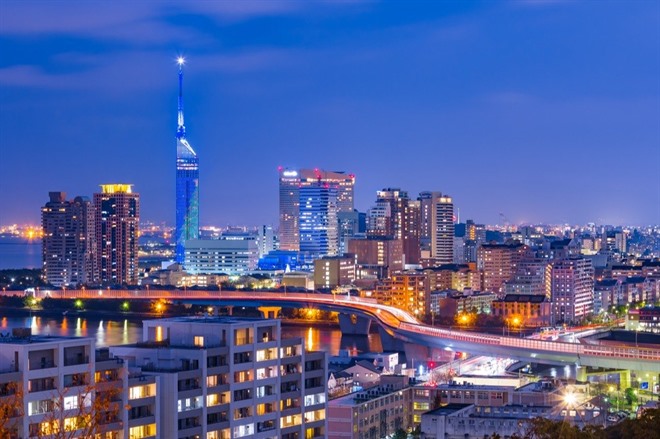
Arrive in Fukuoka, Kyushu’s largest city and the starting point for your journey around the island. Settle into your hotel in Hakata, a convenient base for exploring the city and collecting your hire car before heading into rural Kyushu the following day.
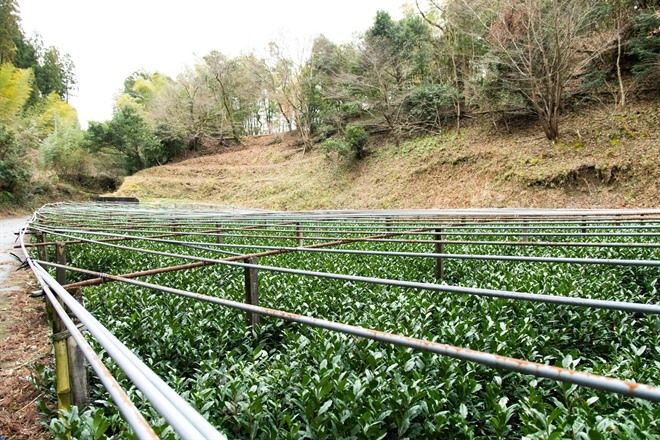
Collect your hire car and leave Fukuoka behind for the countryside of Yame, one of Japan’s best-known tea-producing regions. The drive introduces a quieter side of Kyushu, passing rice fields, rural villages and rolling hills as you travel south. Once in Yame, spend time exploring its tea-growing landscape and getting a feel for a region where agriculture and traditional crafts remain an important part of local life. Tonight, stay at Craft Inn Te, a small property that provides a fitting base for discovering the area’s craft heritage. (B)
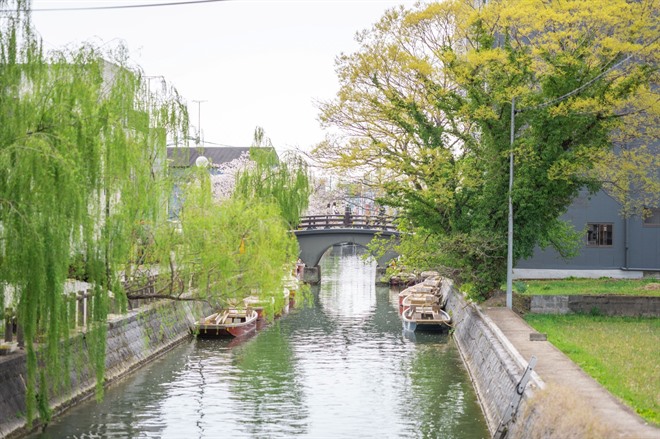
Explore Yame with a private guide, beginning with the traditional crafts for which the town is known. Visit Tanaka Kasuri Kobo for an indigo-dyeing experience, learning the process from local artisans before creating a hand-dyed piece of your own. Later, continue to nearby Yanagawa, a historic canal town best explored from the water. Board a traditional boat for a journey along its canals, passing old buildings and quiet waterside neighbourhoods. It is a day that brings together two very different local traditions, from hands-on textile craft to a slower look at everyday life in one of southern Fukuoka’s distinctive towns. (B)

Drive east towards Beppu, stopping along the way in Hita. Explore Mameda-machi, the town’s preserved merchant district, where wooden buildings, small shops and cafés line streets shaped by Hita’s trading history. The area is also known for craftsmanship, with the option to learn more about local woodworking or visit Ontayaki Village, where traditional pottery techniques have been preserved by local artisans. Continue to Beppu, one of Japan’s most famous hot spring towns. Spend some time walking its streets and getting your first introduction to the onsen culture that has developed around the area’s abundant geothermal activity, before dinner at your ryokan. (B,D)
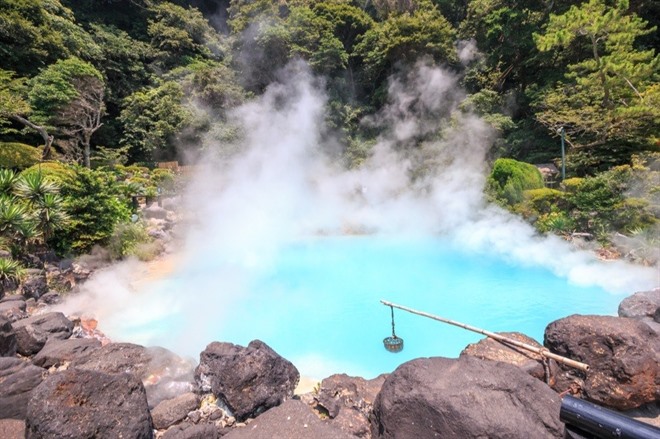
Leave the car behind today and explore Beppu with a private guide using public transport. Visit the famous Hells of Beppu, a collection of geothermal sites where steaming pools and mineral-rich waters reveal just how active the landscape beneath the city is. You’ll also experience jigoku-mushi, a local cooking method that uses naturally occurring hot steam to cook ingredients such as vegetables and seafood. The day also offers a look at another Beppu tradition through a visit to a local bamboo craftsman, where you can see the skill involved in the city’s long-established bamboo weaving culture. Return to your ryokan for dinner. (B,D)
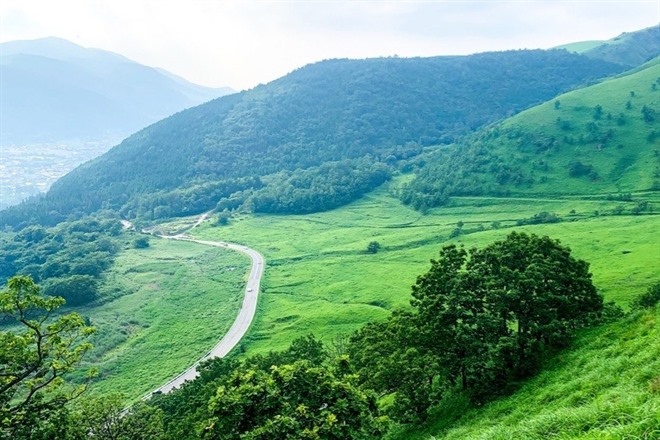
Today brings one of the standout drives of the trip. Leave Beppu for Yufuin, a small mountain town known for its shops, art and countryside setting, before continuing into the Kuju highlands. Follow the Yamanami Highway as it winds through grasslands and mountain scenery, with opportunities to stop at viewpoints and take short walks along the way. Your destination is Aso, a region formed around one of the world’s largest volcanic calderas. The broad grasslands and surrounding mountains make this part of Kyushu feel very different from the cities and historic towns visited earlier in the journey. (B,D)
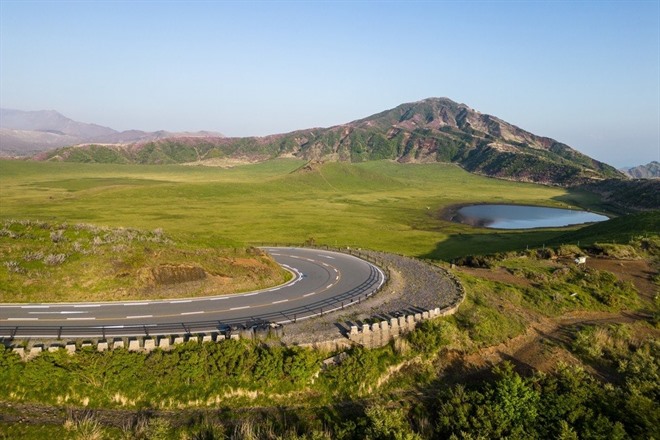
Spend a full day exploring Aso with a guide, looking beyond the scenery to understand how its volcanic landscape has shaped life here. Explore the vast grasslands, visit volcanic viewpoints and learn about the communities that have lived alongside the volcano for generations. The day can also include encounters with local farms and producers, offering another perspective on a landscape that is not simply dramatic to look at, but closely connected to how people live and work in this part of Kyushu. (B,D)
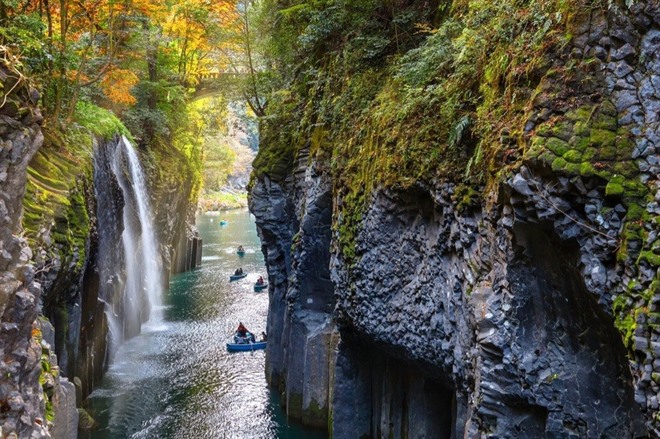
Drive through Kyushu’s mountainous interior to Takachiho, a remote town closely associated with some of Japan’s best-known mythology. Explore Takachiho Gorge, where steep volcanic cliffs rise above the emerald waters of the Gokase River, then visit sacred sites including Amano Iwato Shrine. The shrine is connected to the myth of the sun goddess Amaterasu and helps explain why Takachiho has been an important spiritual place for centuries. In the evening, watch a traditional Takachiho Yokagura performance. These sacred dances have been passed down through generations and bring the stories encountered during the day to life through local performance. (B,D)
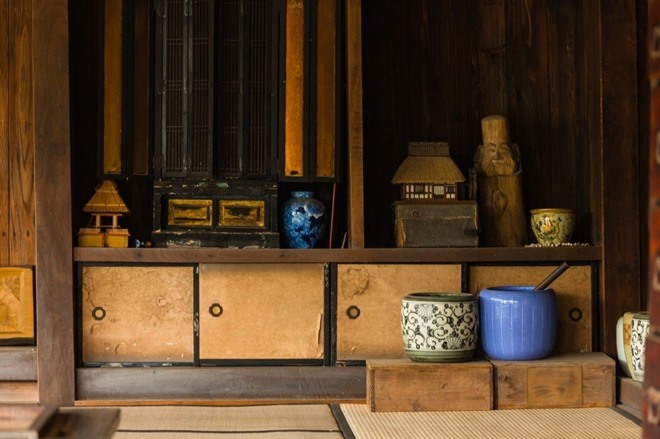
Travel south through Kyushu towards Kagoshima Prefecture, stopping in Chiran to explore a very different chapter of Japanese history. Walk through the Chiran Samurai Residence District, where stone walls, traditional gates and carefully maintained gardens preserve the character of an Edo-period samurai neighbourhood. You can also visit the Chiran Peace Museum, which tells the personal stories of young pilots associated with Chiran during the final stages of the Second World War. Continue south to Ibusuki, a coastal hot spring resort on the Satsuma Peninsula, where you’ll stay at Ibusuki Hakusuikan and have dinner at the ryokan. (B,D)
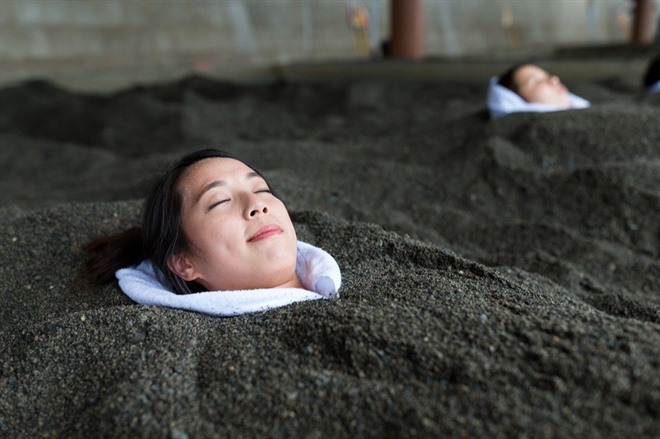
Slow the pace today with a full day around Ibusuki. Experience the town’s distinctive volcanic sand baths, where naturally heated sand is used as part of a traditional local wellness practice beside the sea. Afterwards, you can explore more of the southern coastline, with views towards the distinctive cone of Mt Kaimondake and Cape Nagasakibana. Alternatively, discover more of Kagoshima’s food culture with a visit to a fishing town, or simply spend the afternoon enjoying the facilities and slower pace of your ryokan. After several days on the road, it is a deliberately less structured day before the final journey north. (B,D)
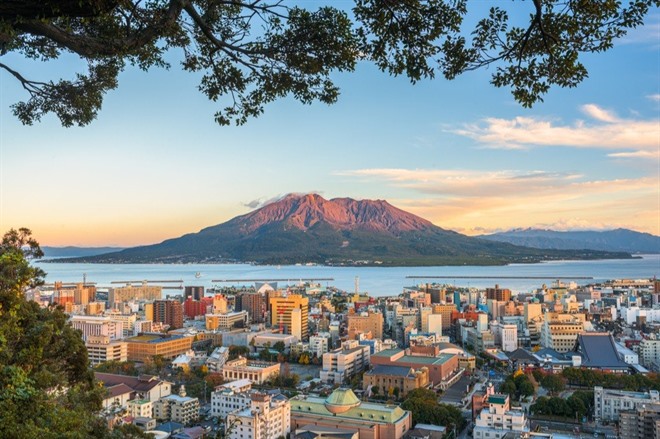
Leave Ibusuki and drive north towards Kagoshima City, with the scenery gradually changing from the quieter coastline of southern Satsuma to the city overlooking Kagoshima Bay and Sakurajima. Depending on your onward travel plans, there may be time to visit Sengan-en, a historic Japanese garden with views across the bay towards the volcano, or stop for a final lunch featuring Kagoshima specialities such as Kurobuta pork or fresh seafood. Your self-drive journey through Kyushu ends in Kagoshima. (B)
Pricing Information
Price Includes
- Return International flights as per the itinerary
- All taxes & charges
- Accommodation and meals as specified
- Transfers as specified
- SUV rental car with English-language navigation, toll card and comprehensive insurance
- Activities and excursions as specified
- All entrance fees on sightseeing tours as specified
Price Includes
Price Excludes
- Travel Insurance
- Any meals not specified in the itinerary
- Tips and gratuities
- Optional excursions
Price Notes
- Price is per person based on 2 adults travelling together with a 1 June 2027 departure
- All flight rates are correct at the time of publication but remain subject to change by the airlines. The exact airfare and any applicable taxes or surcharges will be reconfirmed at the time of booking.
- Holiday and peak season surcharges are not included in the above prices. Additional charges may apply during peak travel periods, including 15 December to 10 January, and will be confirmed at the time of booking.
- This is a suggested itinerary that can be customised to suit your preferences. We can remove certain excursions or add other destinations as needed. This provides an overview of what you can experience in the area, but it is by no means exhaustive. Please reach out to one of our travel specialists to help you create your ideal holiday.
Tour Route Map
- Japan, Fukuoka
- Japan, Yame
- Japan, Beppu
- Japan, Aso
- Japan, Takachiho
- Japan, Ibusuki
Tour Accommodation
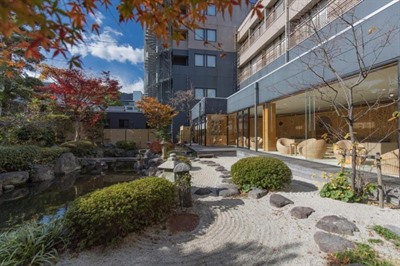
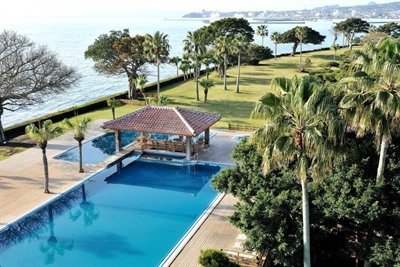
Image Gallery