A Guide to Oita, Japan Through the Five Senses
A Guide to Oita, Japan Through the Five Senses
There are some places in Japan you arrive already knowing what you want to see. Tokyo has its skyline, Kyoto its temples, and Osaka its food. Oita is different. You might arrive knowing about Beppu's famous hot springs, but it doesn't take long to realise that the onsen are only the beginning.
For Travel Specialist Stef, a June journey through Oita revealed a side of Japan that is much harder to find in its better-known destinations: pottery villages where generations-old techniques are still in use, food deeply rooted in the places that produce it, ancient Buddhist figures carved into the landscape and crafts you can experience rather than simply admire.
Perhaps the best way to understand what makes Oita so special is through the five senses.
%20(6).jpg)
"There's no better way to explain Oita than through the five senses. It was so powerful in so many ways, from the taste of fugu in Usuki to the rhythmic sound of the karausu at Onta Pottery Village, and the sulphurous scent of Beppu's geothermal landscape."
Stef Studley
Senior Product & Travel Specialist
Taste
"One of the things I love about travelling around Japan is how seriously regional food is taken. Travel a relatively short distance and suddenly there is something that has to be eaten because this particular town claims it as its own. Oita is very good at this.
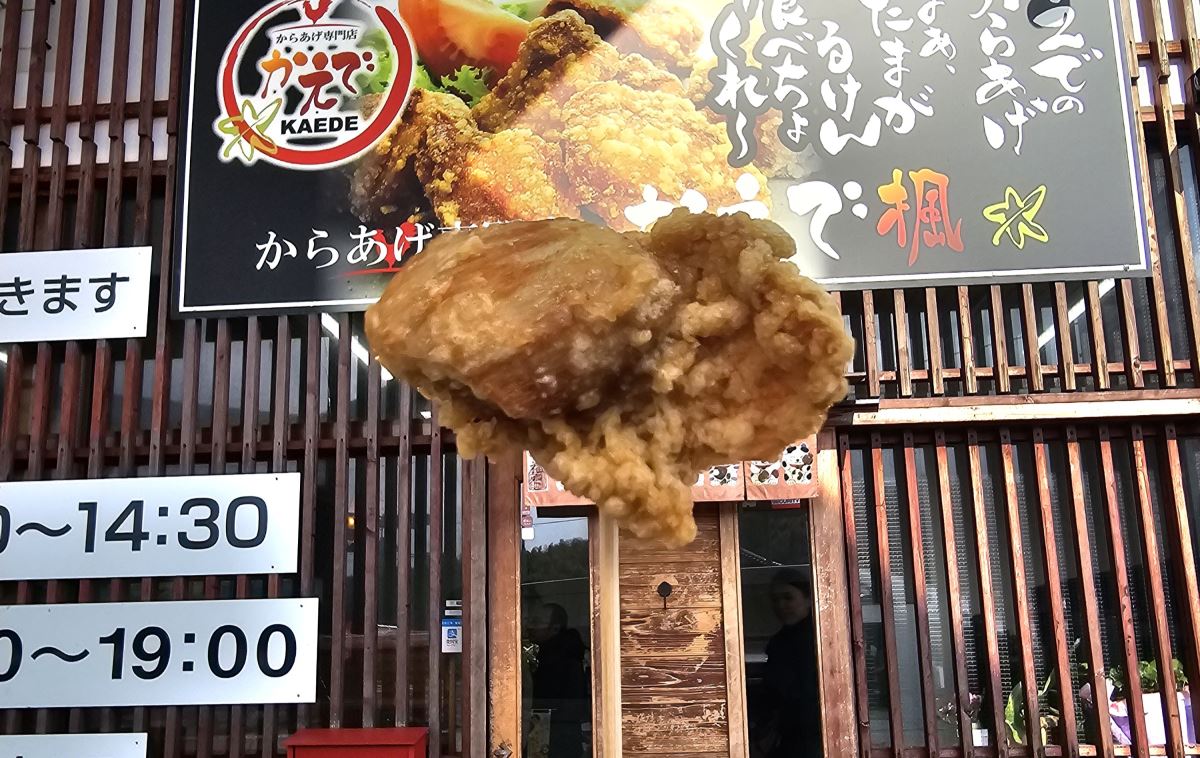 Karaage on a stick in a Japanese restaurant
Karaage is one of the simplest examples. Fried chicken hardly sounds like a reason to cross Japan, and you'll find it on menus throughout the country. But in Oita, particularly around Usa and Nakatsu, karaage has become part of the local identity. There are specialist shops, fiercely guarded recipes, and plenty of opinions about who does it best. So yes, I ate karaage in Oita. You almost have to.
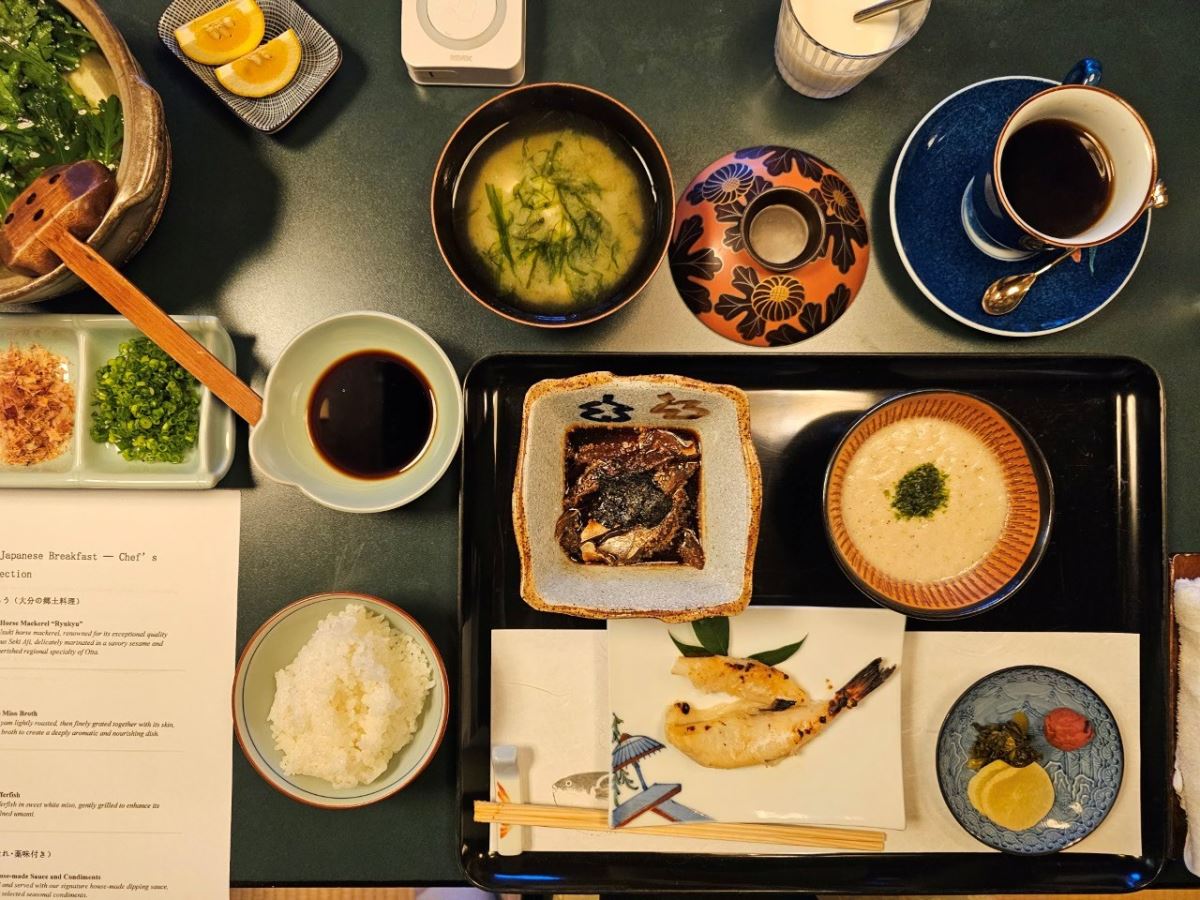 Traditional pufferfish meal laid out on a table in Japan
Usuki gave me a much more unexpected food experience. This small historic city on Oita's eastern coast is known for fugu, or pufferfish. It isn't simply something restaurants serve because international visitors associate it with Japan. Usuki has a genuine domestic reputation for it, and Japanese travellers come here specifically to eat it. That distinction matters to me when I travel. There is something very different about eating a dish in a place where it belongs rather than seeking out a famous Japanese food because you feel you should try it once.
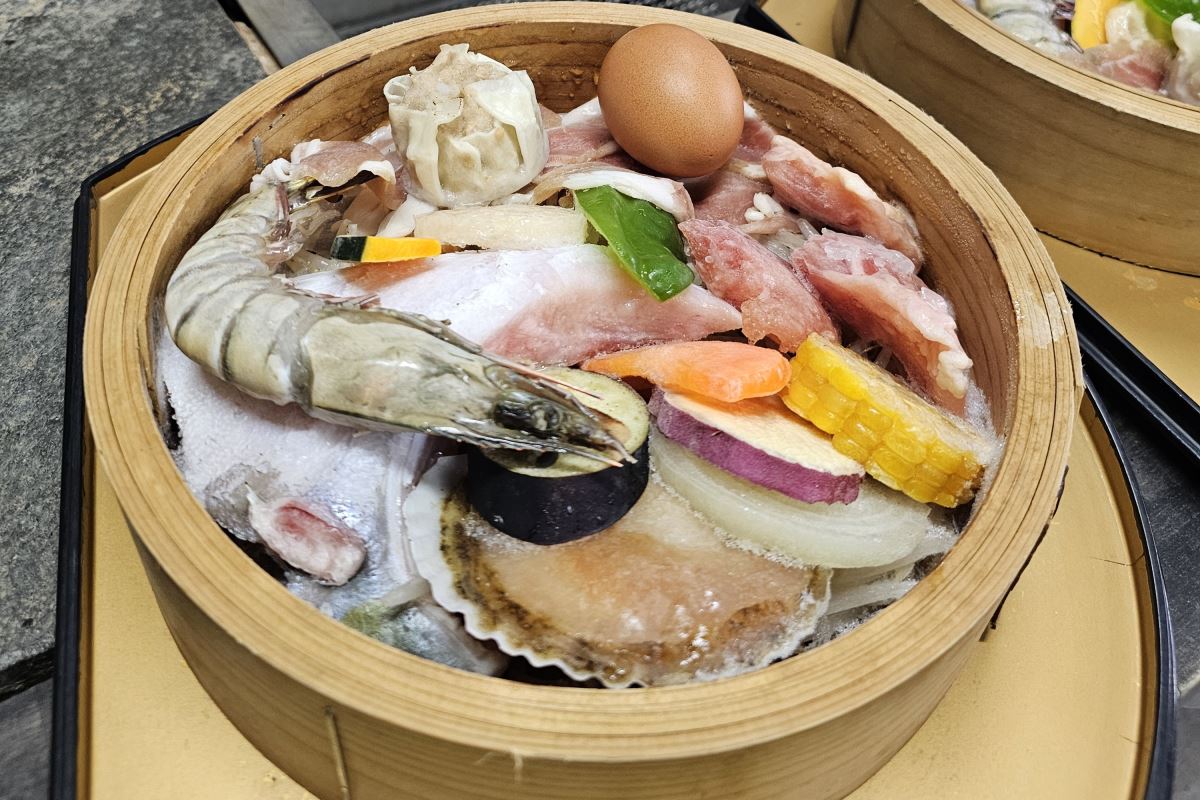 Traditional jigoku mushi meal of vegetables, fish and egg
Beppu also managed to make lunch even more specific to its surroundings. The city sits above an extraordinary geothermal landscape. Steam escapes from vents and rises between buildings, and at jigoku mushi restaurants, that natural steam is harnessed for cooking. Vegetables, meat and other ingredients are placed into steaming chambers and cooked by the earth beneath you.
It sounds like a novelty until you're there, but it makes perfect sense. Beppu's hot springs aren't something separated from the city behind the walls of a spa. They're part of how the place functions. People bathe in the water, houses and streets sit among the steam, and even lunch can come out of it."
If you want to experience this side of Oita for yourself, the Kyushu's Hidden Treasures journey includes a jigokumushi dinner in Beppu, where fresh local ingredients are steamed using natural geothermal heat. It's a simple but memorable way to taste the landscape itself, and a perfect example of how deeply food and onsen culture are connected here.
Touch
"There is a particular kind of souvenir I increasingly value from Japan: the slightly wonky thing I've made myself.
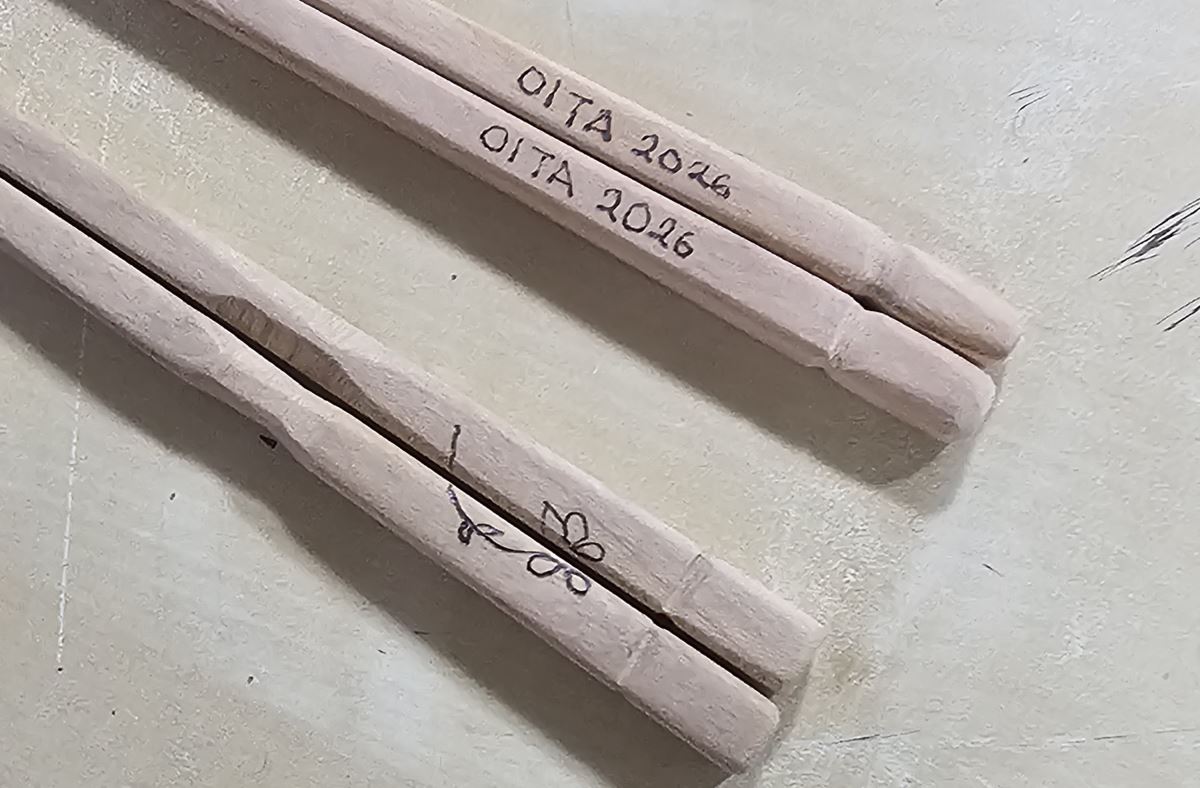 Handmade chopsticks in Japan
In Oita, mine was a pair of chopsticks. At Hashiya Ichizen, I sat down to make them from wood, gradually shaping something that I normally wouldn't think twice about picking up at a restaurant. Watching someone skilled demonstrate a Japanese craft is always slightly dangerous because they make it look ridiculously easy until they hand the tools to you and you realise it wasn't.
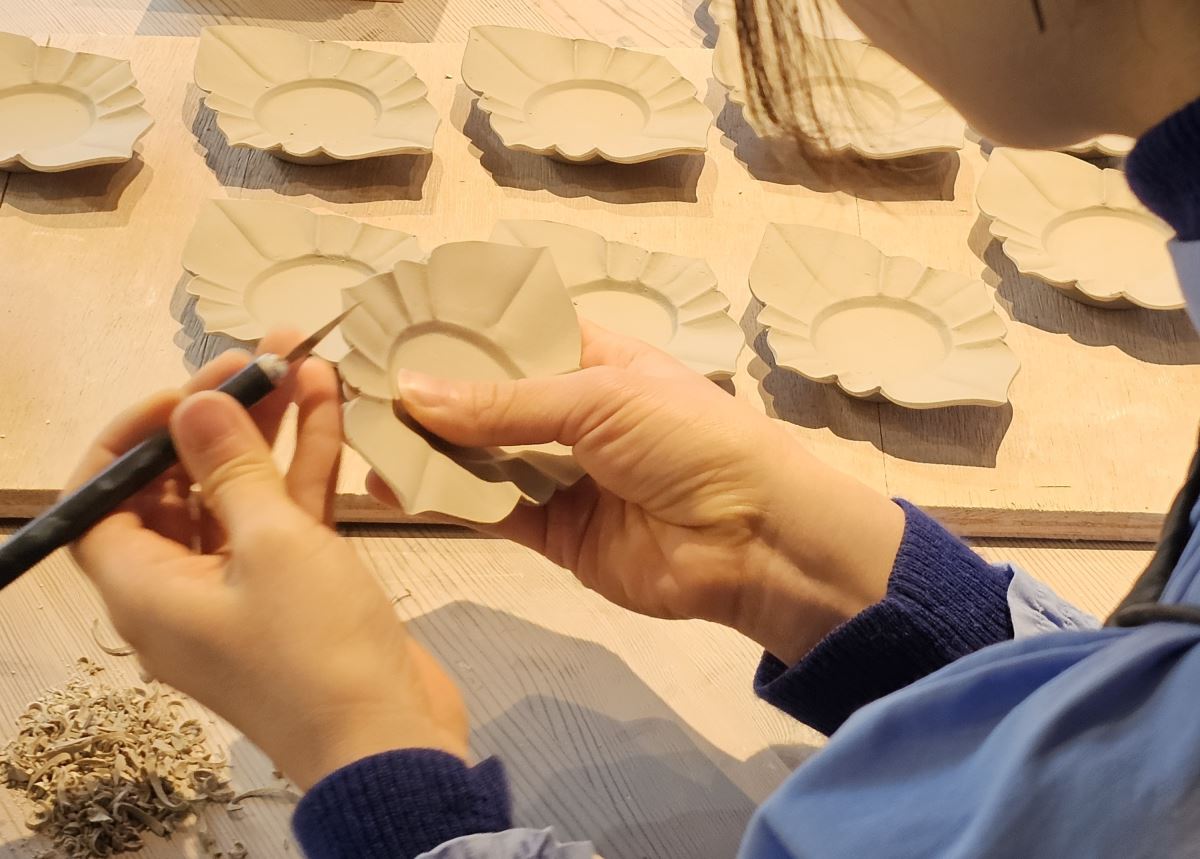 Traditional Japanese crafts
Japan's traditional crafts are beautiful when you see them displayed in shops and museums. Sitting with someone who actually knows how to make them changes your relationship with the object. Suddenly, you're thinking about the material, the tools, the time involved and the years it takes to become genuinely good at something that looked so simple. I found the same thing when I travelled through Oita in June.
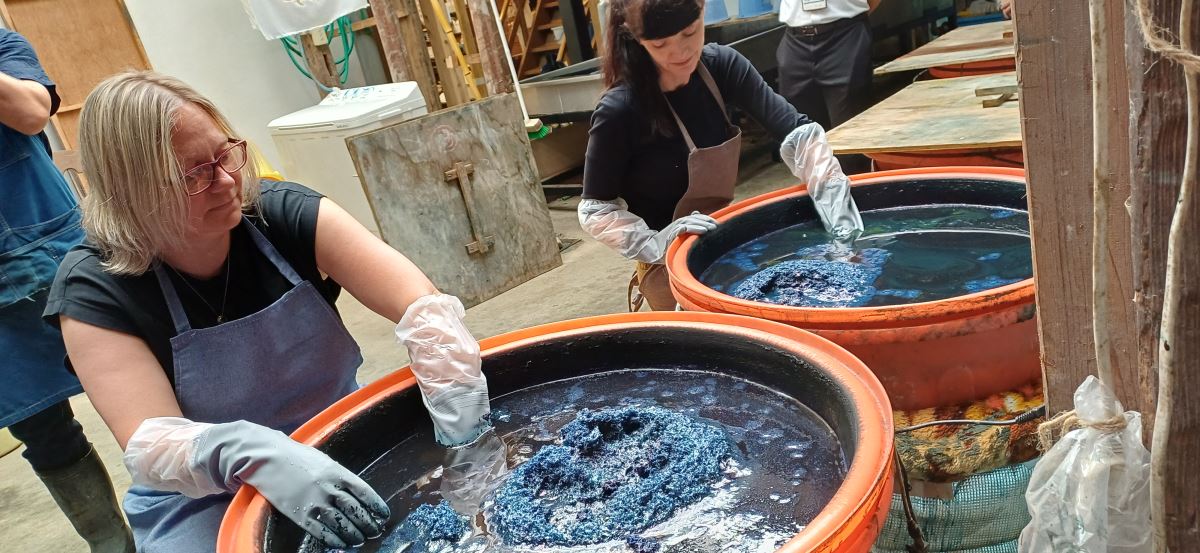 Stef creating indigo-dyed fabrics at Art Space Café Okura Shimizu-yu in Taketa
My route took me into textiles: onsen shibori in Beppu and indigo dyeing at Art Space Café Okura Shimizu-yu in Taketa. Instead of simply looking at finished fabrics, I was able to work with the processes behind them. But perhaps the best example of why Oita's craft traditions are worth seeking out is Onta."
With our Traditional Craft Workshops To Do in Japan guide, you can uncover a myriad of crafty experiences to enjoy first-hand, getting a true feel for the art behind the handmade traditions.
Sound
"You hear Onta Pottery Village before you fully understand what you're looking at. Throughout the village, water-powered wooden hammers known as karausu rise and fall, pounding clay in preparation for the potters. Knock. Pause. Knock. Pause. They have been part of the rhythm of life here for generations.
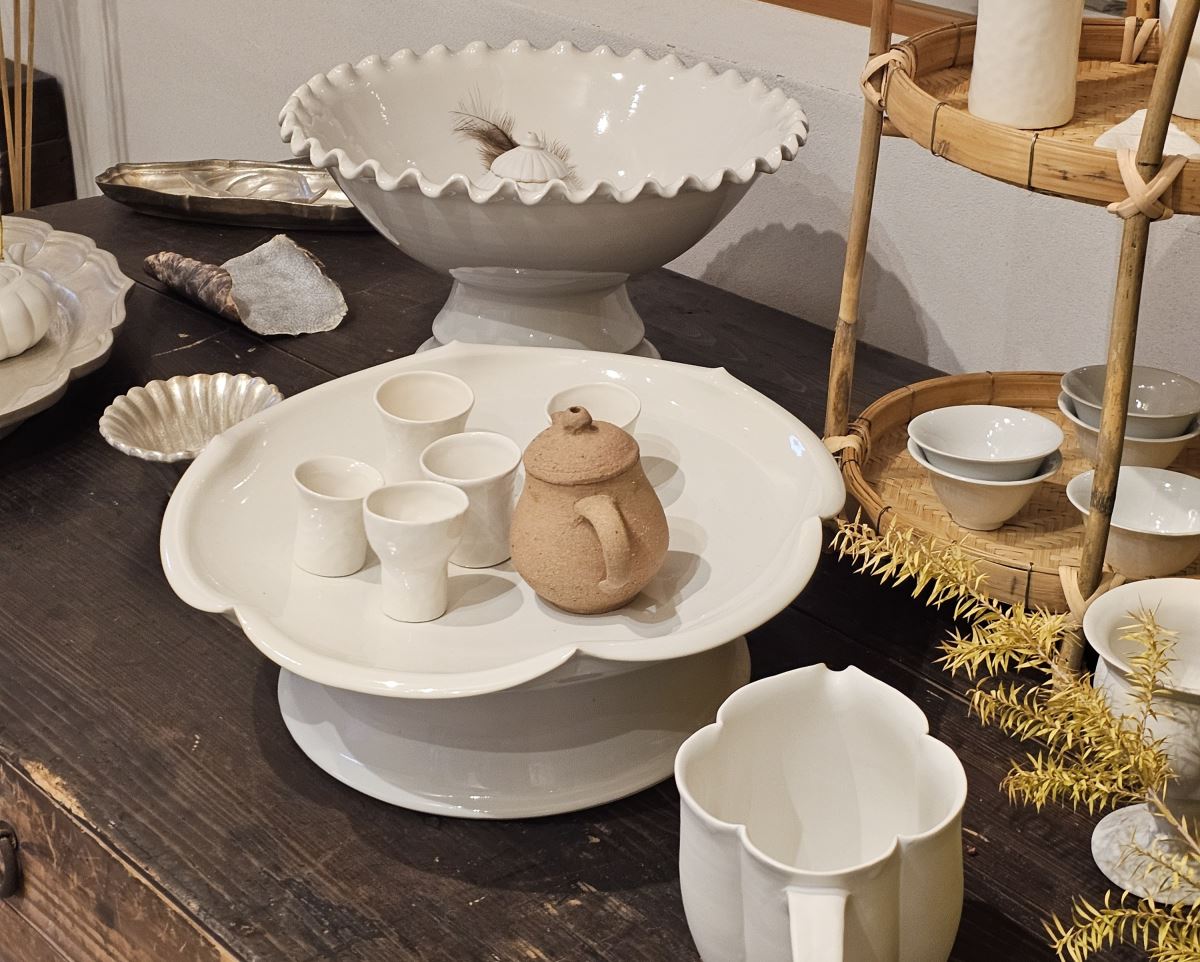 Pottery in Japan
Onta isn't a recreated heritage village. Pottery production began here in the early eighteenth century and continues on a remarkably small scale. The craft has traditionally been passed down within local families, with techniques and work shared across the community.
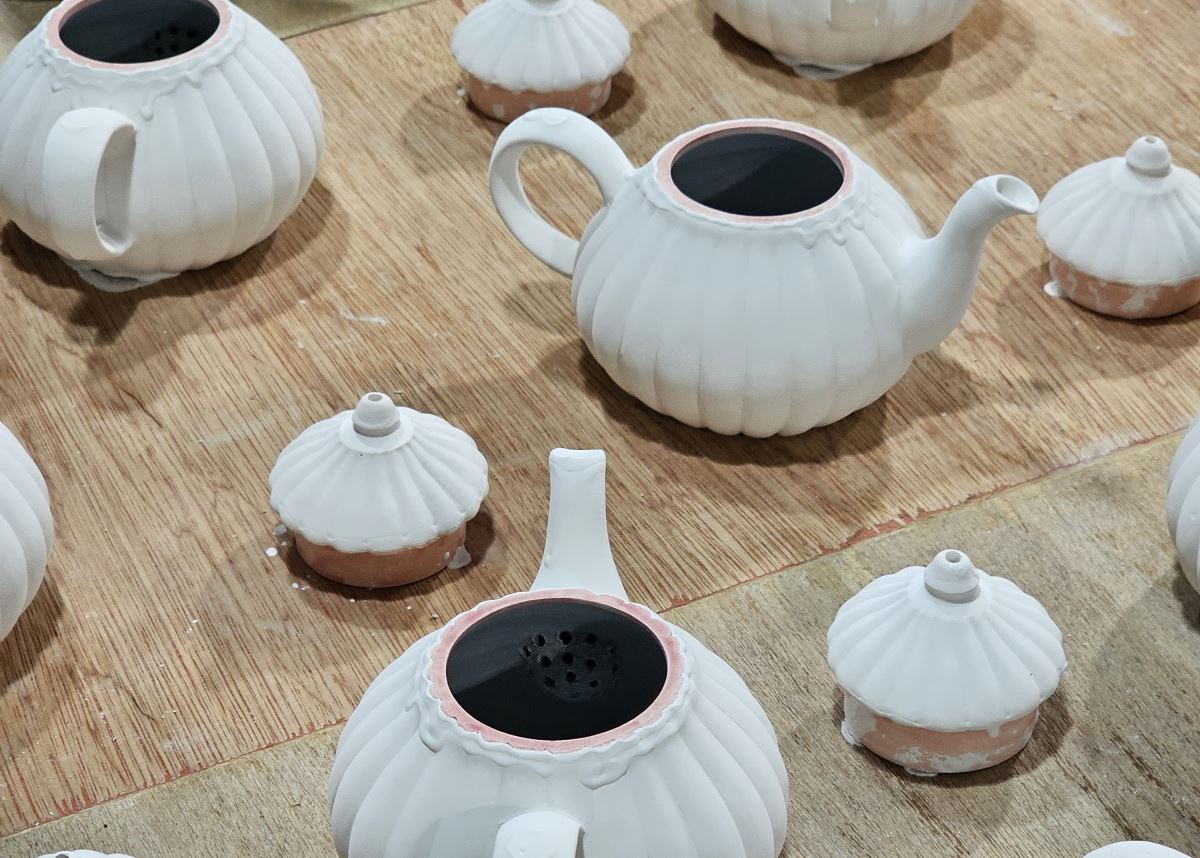 Traditional pottery, painted teapots
That's what makes visiting somewhere like Onta so different from walking into a ceramics shop: you're seeing the place the object comes from. The surrounding landscape provides the clay. Water powers part of the production. Families provide the knowledge. The pots drying outside workshops aren't there because visitors have arrived; they're there because this is a working village.
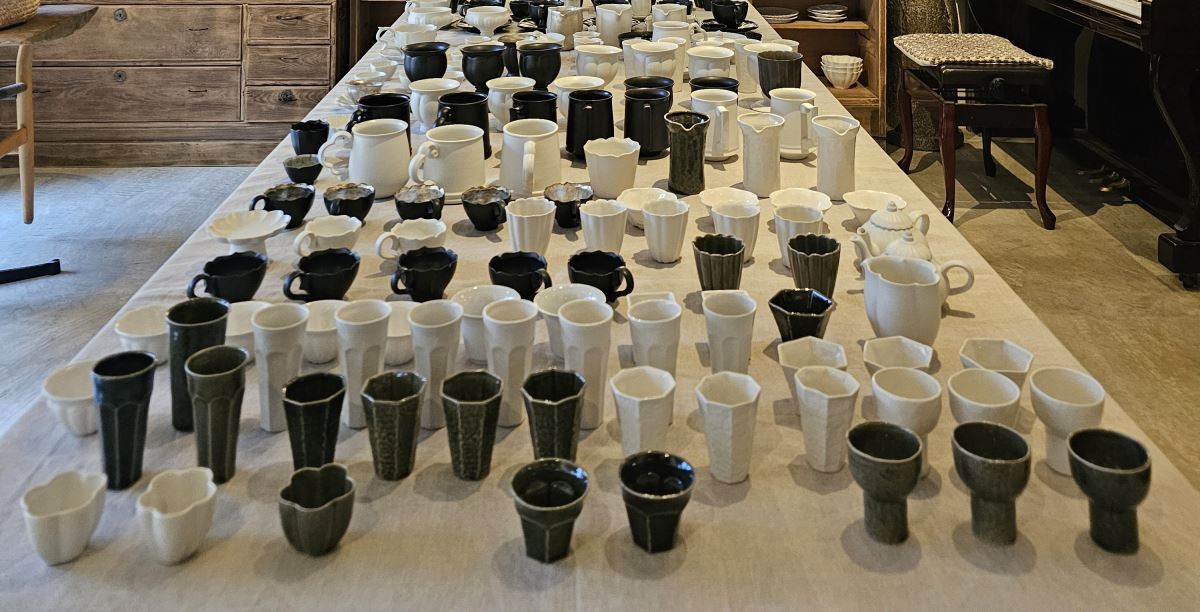 Hand-crafted pots and cups in a traditional Japanese crafts shop
I visited Usuki Sarayama on my own trip and saw another side of Oita's pottery tradition, but Onta perhaps explains something bigger about the prefecture. Oita gives you access to traditions without always putting a huge visitor infrastructure around them. Sometimes you simply have to go to the village where they're still happening."
Uncover more of the best cultural experiences in Japan, including the traditions, activities and tours with our insightful guide.
Smell
"There is no mistaking when you've arrived somewhere geothermal. Beppu makes itself known through steam and that distinctive sulphurous smell drifting through parts of the city. In most destinations, we'd probably describe steam pouring out of the ground as an attraction. In Beppu, after a while, it starts to feel strangely normal.
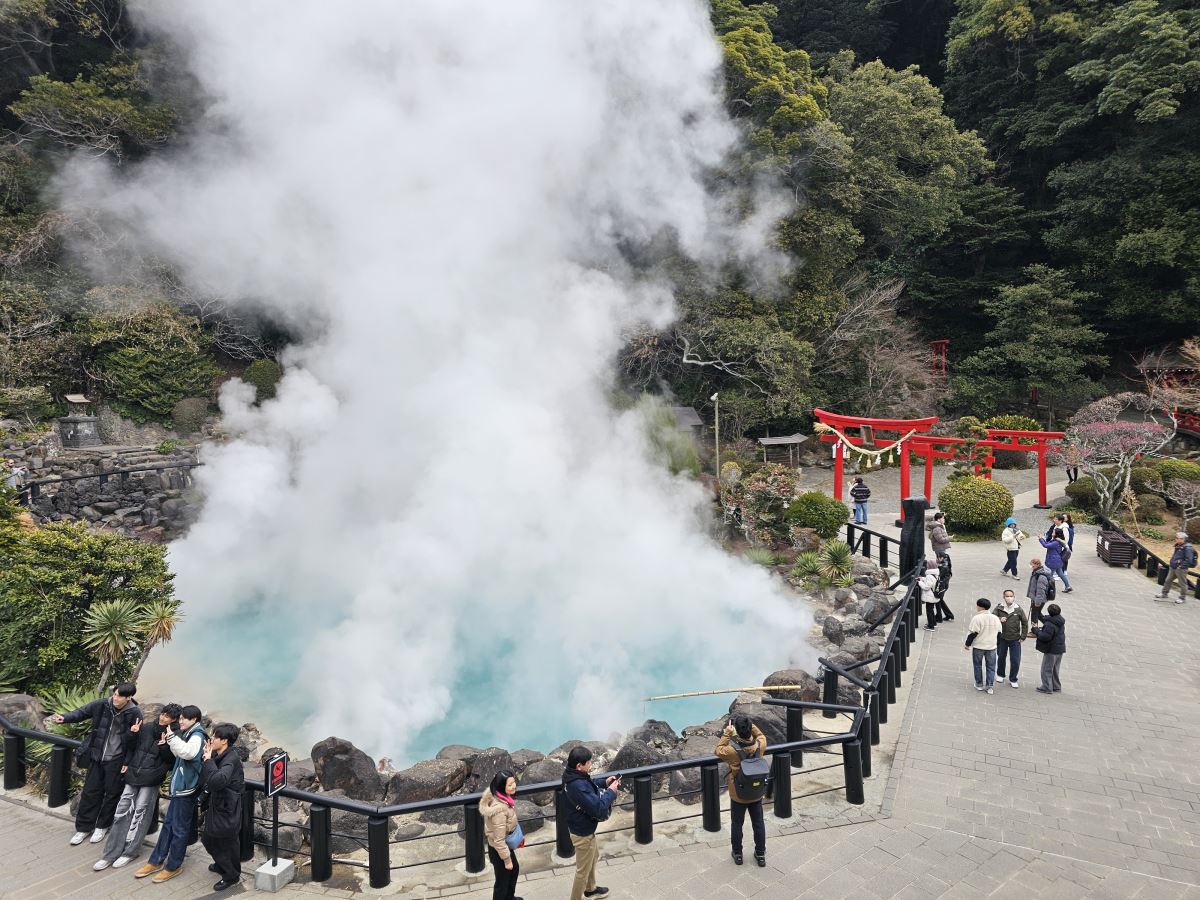 Billows of steam coming from the Hells of Beppu hot spring
I visited the famous Hells of Beppu, where vividly coloured geothermal pools bubble and steam at temperatures far too high for bathing. They're spectacular, but you soon begin to understand, as you explore the area, why Beppu's relationship with onsen is so different from simply staying at a hotel with a hot spring bath. The geothermal landscape has shaped the place itself. You eat food cooked in its steam. You soak in its water. And crafts have even developed around it.
Onsen aren't really an activity here; they are the landscape of the place."
Sight
One of my favourite days took me to Usuki. It's the kind of place I think many people are searching for when they say they want to see somewhere more traditional in Japan, but its name rarely appears alongside Kyoto, Kanazawa or Takayama. I dressed in kimono and took part in a tea ceremony, ate the fugu the city is known for and visited Usuki Sarayama to see its pottery. But the experience that stayed with me was outside the centre.
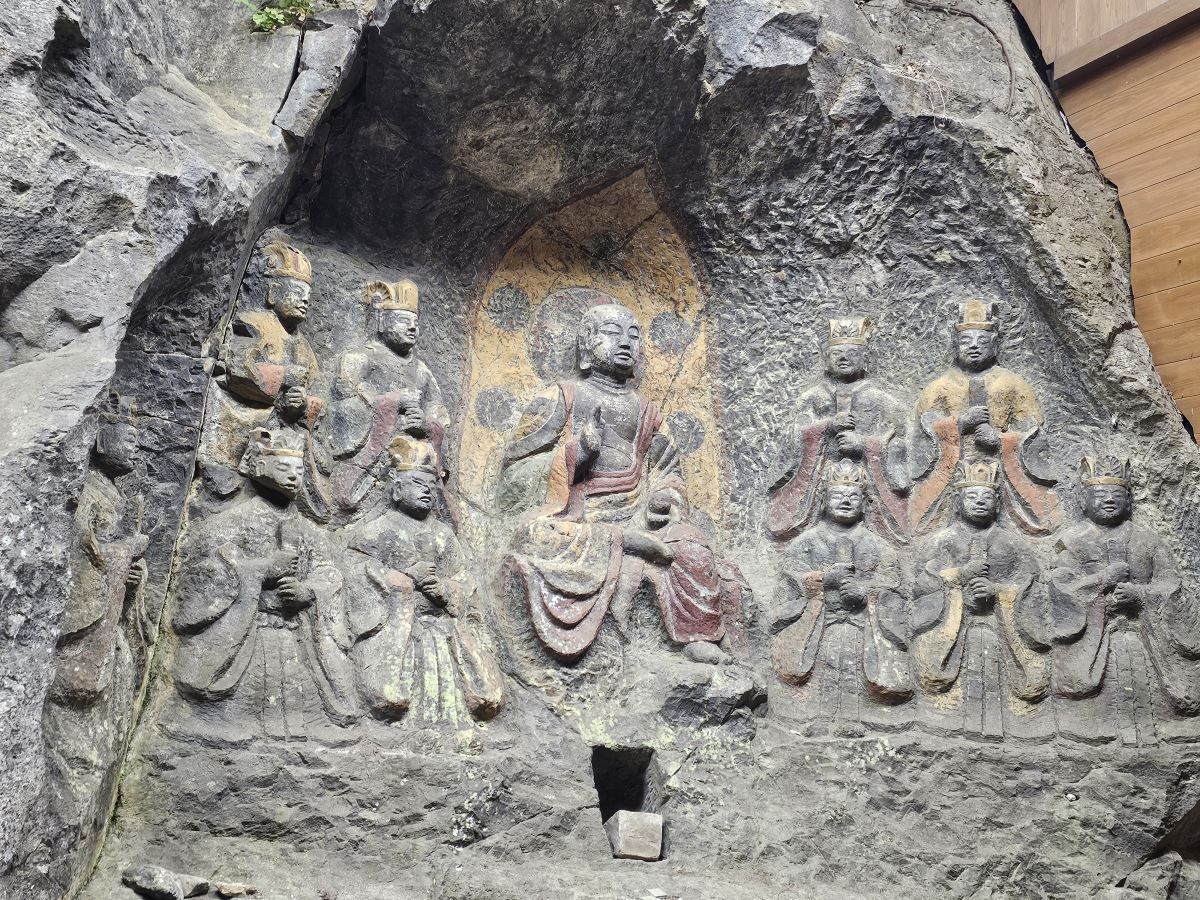 Buddhas carved into stone
The Usuki Stone Buddhas sit among the rural landscape, carved into the rock in groups rather than housed within a grand temple complex. Some are thought to date back many centuries, and their survival is remarkable given the relatively soft volcanic rock from which they were carved. There's something about encountering religious art where it has existed for centuries that a museum can never quite reproduce.
.jpg) Usa Jingu Shrine - Photo credit: Visit Oita
Usa Jingu Shrine - Photo credit: Visit Oita
At Usa Jingu, the approach through the shrine grounds gives you time to appreciate the scale and importance of one of Japan's great Hachiman shrines.
%20Kitsuke%20Yorinao%20built%20it%20as%20a%20Kitsuke%20Castle%20in%201394%20(Oei%201)_%20The%20plateau%2C%20surrounded%20by%20the%20sea%20and%20cliffs%2C%20serves%20as%20a%20natural%20fortress.jpg) Kitsuki Castle - Photo credit: Visit Oita
Kitsuki Castle - Photo credit: Visit Oita
In Kitsuki, former samurai districts occupy hills facing one another across the old merchant quarter. In Bungotakada, history suddenly jumps forward to the twentieth century at Showa no Machi, where old shopfronts and everyday objects preserve memories of post-war Japan.
This isn't one neatly packaged version of Japanese history. You're moving through completely different periods and seeing how they've left their mark on small towns and rural communities."
A self-drive through Japan opens up more scenery and hidden beauty than you might expect, particularly on our Self-Drive Kyushu: Culture, Coast & Countryside tour. Drive the Yamanami Highway through Kyushu's volcanic mountain landscapes, look out across the vast caldera at Aso and follow the road south to Takachiho, where dramatic gorges and sacred shrines reveal a very different side of Japan.