- Swim alongside sea turtles at legendary Apo Island marine sanctuary
- Taste the world's sweetest mangoes straight from a Guimaras farm
- Uncover centuries of colonial history through Silay's grand ancestral mansions
- Snorkel pristine reefs and kayak untouched waters of protected Danjugan Island
- Chase waterfalls, hot springs, and volcanic vents deep in Dumaguete

Off the Beaten Path Philippines: Negros & the Western Visayas
Few countries reward slow, island-hopping travel quite like the Philippines, and this 14-day journey through its central Visayas region is one of the best ways to see why.
The Philippines is an archipelago of over 7,000 islands in Southeast Asia, and the Visayas sit at its heart. This itinerary threads together four distinct destinations: Iloilo, Bacolod, Cauayan, and Dumaguete, each with its own character, and connects them by short flights, a ferry, and private transfers, so the logistics are handled and the experience stays seamless. The pace is unhurried: you spend two or three nights in each place, which is long enough to actually get under the skin of somewhere rather than just ticking it off.
What you get is a proper cross-section of the country. In Iloilo, a day trip to Guimaras Island, famous across the Philippines for producing the world's sweetest mangoes, means island-hopping by boat and eating mango in every form imaginable. Bacolod brings you to Silay, a sugar-baron town of Spanish-colonial mansions, centuries-old churches, and a lunch stop that holds a Michelin Bib Gourmand. From Cauayan, Danjugan Island is a protected marine reserve where snorkelling, kayaking, and wildlife-watching happen in one of the least-visited corners of the country. And then there's Dumaguete, a relaxed university city on Negros Oriental which delivers both natural waterfalls and hot springs, and the chance to swim alongside sea turtles at Apo Island, one of the most celebrated dive and snorkel sites in Asia. This is not a trip that skims the surface.
Tour Itinerary
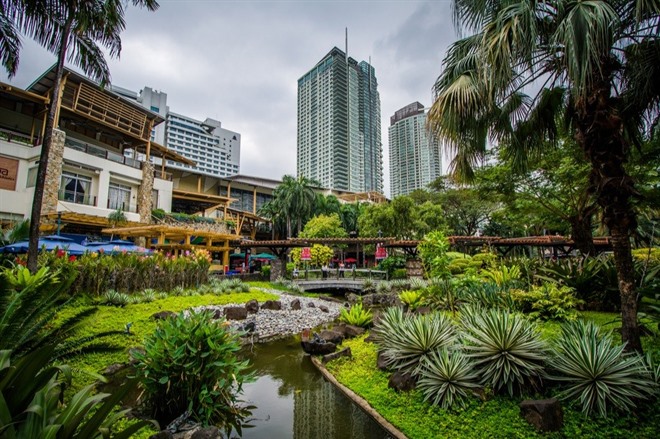
You arrive in Manila, the Philippines' sprawling, chaotic, endlessly fascinating capital, where a local representative will meet you and transfer you to your hotel. Tonight is yours to settle in, get your bearings, and recover from the journey.
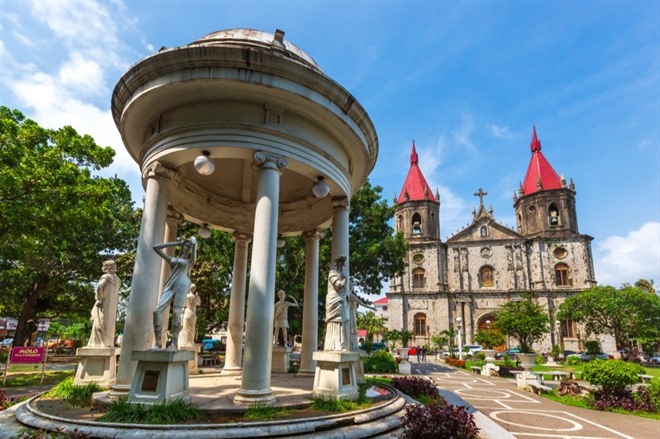
A short domestic flight brings you to Iloilo City on the island of Panay, one of the Philippines' most underrated cities. Known for its well-preserved Spanish colonial architecture and some of the best regional cuisine in the country, Iloilo is a genuine cultural stop. Your local representative meets you on arrival and transfers you to your hotel. (B)

A short boat ride from Iloilo brings you to Guimaras, a small island with an outsized reputation. It produces what many consider the sweetest mangoes in the world, and today you will visit a working mango and bee farm to see how they are grown and harvested. The day also takes in a wind farm with views across the countryside, island-hopping by boat to secluded beaches and a sea cave, and a mango-themed lunch at a farm restaurant. (B,L)
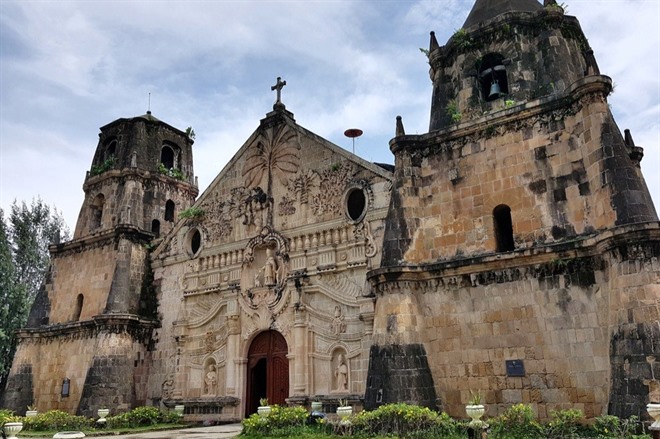
Today covers the rich cultural landscape south of Iloilo City, moving through centuries of Philippine history in a single day. Highlights include Miagao Church, a UNESCO World Heritage Site built in 1786 with an extraordinary carved stone facade, a hands-on cooking demonstration of pancit molo at a bakery dating to 1872, and a visit to a traditional salt farm where artisanal salt is still produced using methods nearly extinct elsewhere. In between, visit the Indag-an Women Weavers Community, where a small group of artisans still produce hablon, a traditional hand-woven cloth that has been made in Miagao for generations. It takes considerable skill and time to produce, and fewer people are learning it. The day finishes with snacks and ice cream in local flavours at a heritage mansion turned retail space. (B,L)
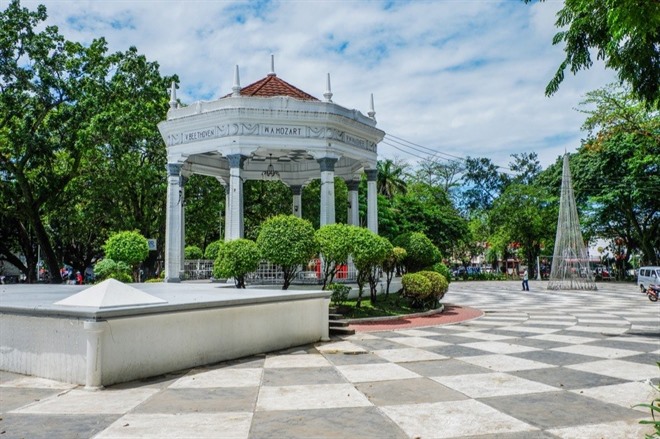
You cross from Panay Island to Negros Island by high-speed ferry, a scenic one-and-a-half-hour crossing. On the other side is Bacolod, the capital of Negros Occidental province and a city that takes enormous pride in its food, its festivals, and its history as the heart of the Philippine sugar industry. A local representative meets you on arrival. (B)
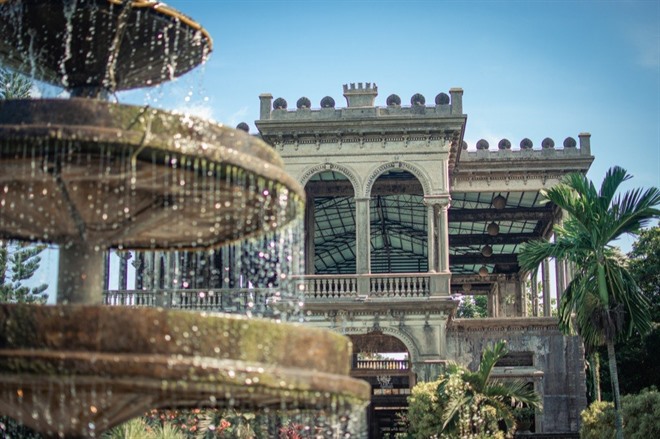
Silay is a 30-minute drive from Bacolod and arguably the best-preserved heritage town in the Visayas. Known as the "Paris of Negros" for its concentration of ancestral mansions built by wealthy sugar barons in the early 20th century, it wears its history visibly. Today you walk through mansions, visit an art gallery, watch traditional piyaya flatbread being made by hand, and try a Michelin Bib Gourmand lunch at Aida's, famous across the Philippines for its chicken inasal. Bacolod does food seriously. (B,L)

A private transfer takes you south along the Negros coast to Cauayan, a quiet municipality that most travellers never reach. You check into Punta Bulata Resort, a polished beachfront property sitting on a white sand beach facing the Sulu Sea. The resort is your base for one of the trip's most compelling experiences tomorrow. This afternoon is yours: swim, rest, or simply sit and watch the light change on the water.
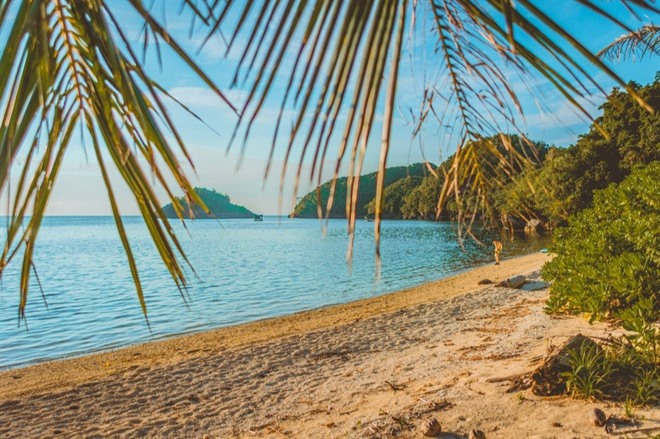
Danjugan is a 43-hectare protected island sanctuary three kilometres offshore, and a day here is unlike anything else on this itinerary. Once heavily over-fished, it was purchased by a conservation foundation in 1994 and has been carefully restored ever since. Today it holds seven distinct ecosystems in a remarkably small space: coral reefs, mangrove forests, limestone caves, lagoons, and white sand beaches. A guided day tour covers snorkelling over healthy reefs, kayaking, trekking, and birdwatching. White-bellied sea eagles nest here. Entry fees directly fund the island's continued protection. (B,L)
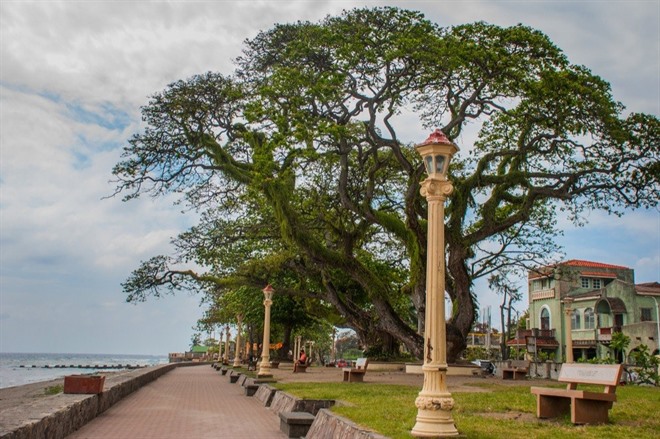
A private transfer brings you to Dumaguete, the compact, walkable capital of Negros Oriental on the island's eastern coast. Often called a university town, it has an easy, unhurried atmosphere and a strong café culture along its famous boulevard facing the Tanon Strait. Check in to the Henry Resort and take the afternoon at your own pace. (B)
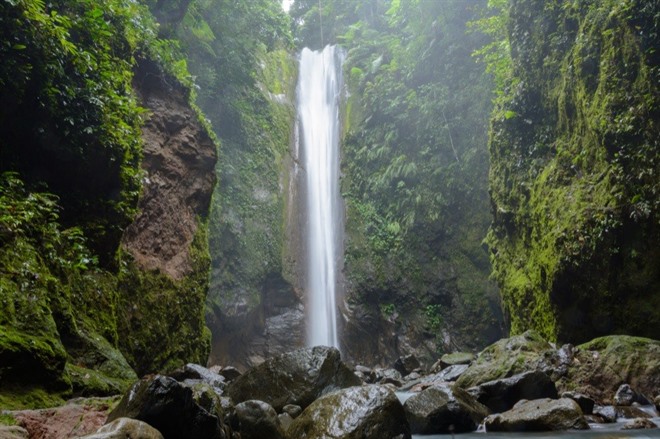
Today balances the natural and the historical. The morning takes you to Casaroro Falls, sulphur vents, Pulangbato Falls, and natural hot springs fed by geothermal activity from the nearby mountains. The afternoon shifts to the city: a 1776 cathedral, a national museum housed in the old presidencia building, and a stop at the Dumaguete public market to eat like a local, with millet pudding and hot chocolate as your afternoon snack. (B,L)
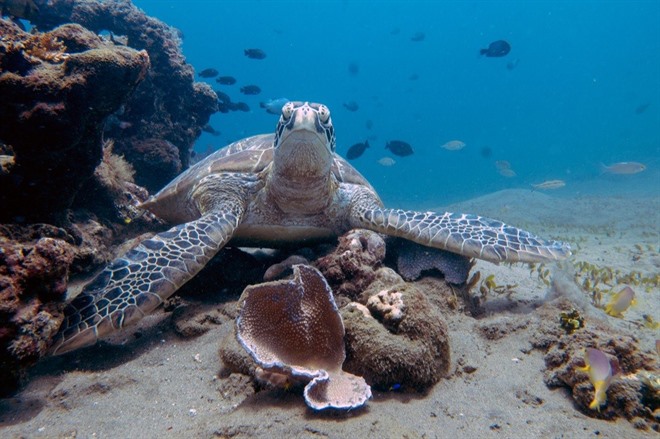
Apo Island is one of the most celebrated marine sanctuaries in Southeast Asia, and the reason is simple: the sea turtles. Protected since the 1980s, the island's waters are home to a resident population of green and hawksbill turtles that can often be spotted snorkelling in surprisingly shallow water. The journey takes about 40 minutes by outrigger boat from the mainland. Beyond the turtles, the reef is in exceptional condition, and for those with energy to spare, a 30-minute hike rewards with panoramic views of the marine sanctuary and coastline below. (B,L)
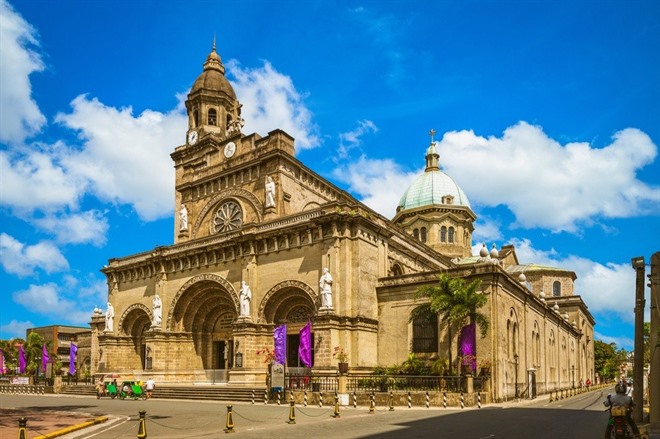
Take a flight back to Manila, where a local representative meets you and transfers you to the Coro Hotel for your final night. Manila is worth one last look if the energy is there: the Intramuros fort district, Rizal Park, or the night markets along the bay are all close by. (B)
Pricing Information
Price Includes
- Return international flights as per the itinerary
- All taxes and charges
- Accommodation and meals as specified
- Transfers as specified
- Activities and excursions as specified
- All entrance fees on sightseeing tours as specified
Price Includes
Price Excludes
- Travel Insurance
- Any meals not specified in the itinerary
- Tips and gratuities
- Optional excursions
Price Notes
- Price is per person based on 2 adults travelling together with a 1 March 2027 departure
- All flight rates are correct at the time of publication but remain subject to change by the airlines. The exact airfare and any applicable taxes or surcharges will be reconfirmed at the time of booking.
- Holiday and peak season surcharges are not included in the above prices. Additional charges may apply during peak travel periods, including 15 December to 10 January, and will be confirmed at the time of booking.
- This is a suggested itinerary that can be customised to suit your preferences. We can remove certain excursions or add other destinations as needed. This provides an overview of what you can experience in the area, but it is by no means exhaustive. Please reach out to one of our travel specialists who can assist you in creating your ideal holiday.
Tour Route Map
- Philippines, Manila
- Philippines, Iloilo
- Philippines, Bacolod
- Philippines, Cauayan
- Philippines, Dumaguete
- Philippines, Manila
Tour Accommodation
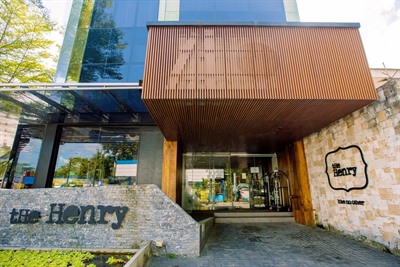
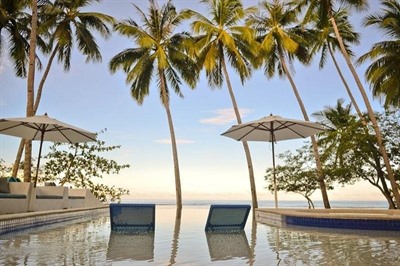
Image Gallery