- Cruise Matsushima Bay and see why it’s Japan’s most celebrated view
- Climb Yamadera’s 1,000 steps, earning perspective, stillness, and sweeping valley views
- Explore Tono’s folklore, uncovering rural Japan’s beliefs, stories, and way of life
- Experience wanko soba in Morioka, engaging in a lively, local dining ritual
- Walk Oirase Gorge and cruise Lake Towada, fully immersing in Tohoku’s wild landscapes

Tohoku Discovery Tour
Stretching across the northern part of Honshu, Tohoku is defined by its landscapes, seasons and strong sense of place. This is where Japan starts to feel more real. It’s known for harsh winters, vibrant festivals, and communities that have held on to their traditions for generations. Tohoku offers a quieter, more grounded view of Japan. One where daily life, local stories and regional food take centre stage. Travelling by bullet train makes it easy to access, but once you arrive, the pace naturally slows, giving you time to properly take in where you are.
This itinerary is built to show why Tohoku is worth the journey. You move from Tokyo into a series of regions that each feel distinct. The coastal scenery in Matsushima Bay, the mountain temples in Yamadera, and the folklore-rich countryside of Tono. In Iwate, you experience hands-on traditions like wanko soba and Nambu ironware, while Aomori brings some of Japan’s most striking natural and spiritual landscapes, from Oirase Gorge and Lake Towada to the volcanic terrain of Osorezan.
What ties it all together is the depth of experience - meeting local artisans, staying in onsen ryokan, and understanding how culture and environment shape daily life here. With private guides and transport arranged throughout, it’s a seamless way to explore a side of Japan that feels both different and deeply connected to its roots.
Tour Itinerary
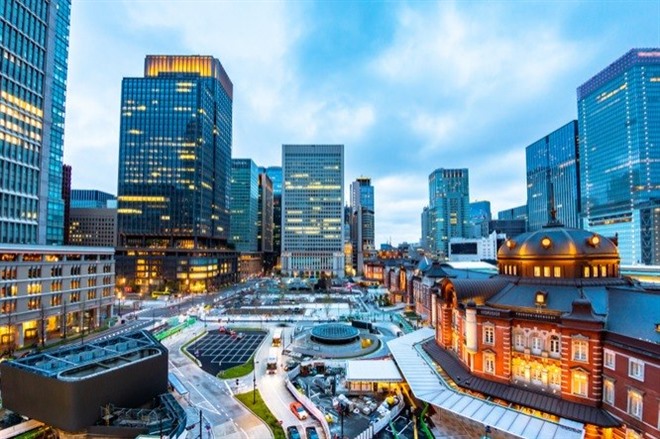
Arrive in Tokyo and transfer privately to your hotel in Marunouchi, a central district that places you within easy reach of the city’s key sights. This first day is about settling in and adjusting to Japan’s pace. The area around your hotel offers a good introduction, with a mix of modern city life and glimpses of Tokyo’s past near the Imperial Palace.
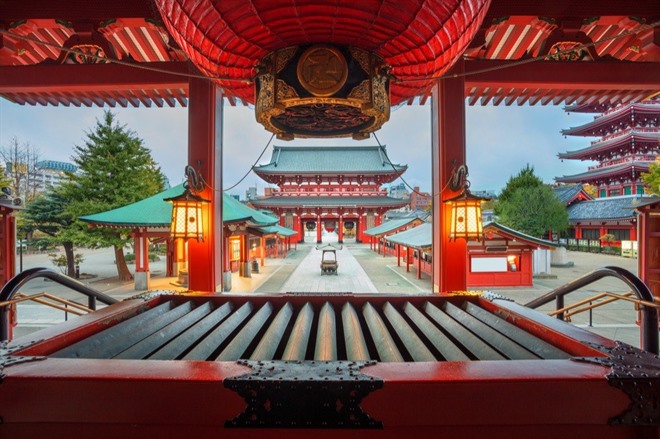
Explore Tokyo with a private guide using public transport, offering a practical introduction to navigating Japan. Visit Asakusa and Sensoji Temple, where incense, lanterns and traditional shops give a sense of old Tokyo. Walk through the Imperial Palace grounds, a reminder of Japan’s imperial history set within calm gardens. End in Shibuya, where the energy shifts completely, with neon lights, crowds and the famous crossing. This contrast helps frame Japan’s balance between tradition and modern life. (B)
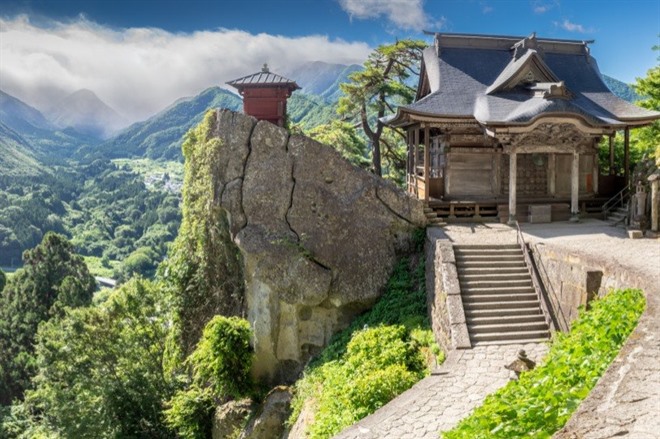
Travel north by bullet train to Sendai, then continue by private vehicle into Miyagi and Yamagata. Cruise through Matsushima Bay, known for its pine-covered islands and long considered one of Japan’s most scenic views. Continue to Yamadera, a temple complex built into the mountainside. The climb through forested paths leads to open views across the valley and a sense of stillness that defines the region. Local snacks along the way introduce the flavours of Tohoku. (B)
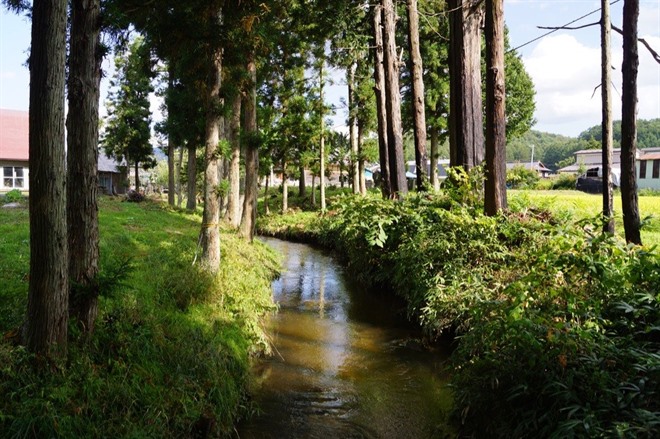
Take the train to Shin-Hanamaki and continue to Tono, a rural area known for its folklore and agricultural traditions. Visit Tono Furusato Village, where preserved thatched houses offer insight into historical farm life. Stop at Kappa-buchi, a quiet stream linked to local legends, and Kojin Shrine, reflecting long-held spiritual beliefs. The surrounding rice fields show the region’s reliance on the land. End the day with local craft beer, a modern contrast to the area’s deep-rooted traditions. (B,D)
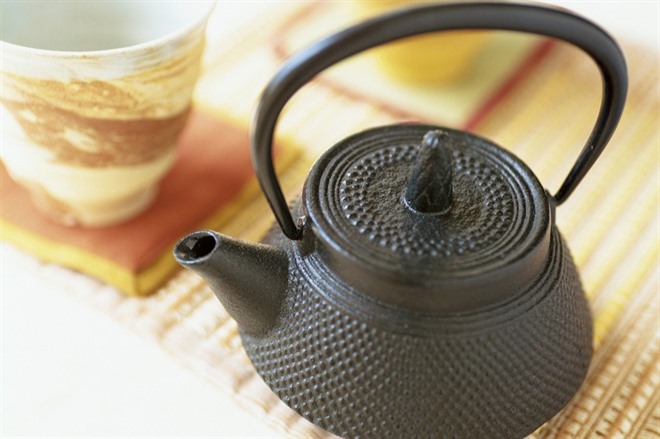
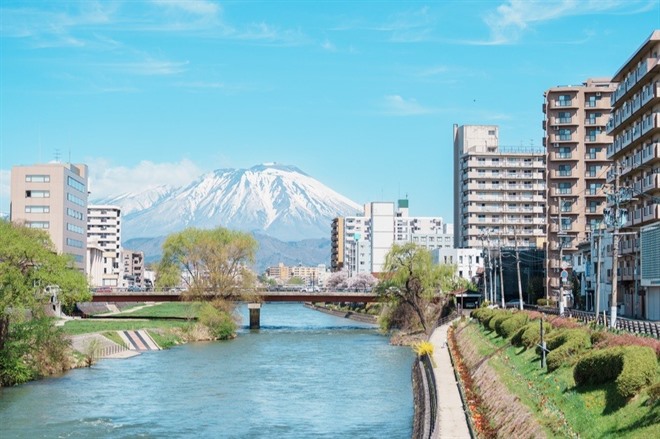
Travel to Morioka for a walking tour that brings together craftsmanship and local culture. Visit a Nambu ironware workshop to see the skill and precision behind these durable, beautifully finished pieces, a craft that has been part of daily life here for centuries. Continue with a wanko soba experience, a lively and distinctly local way of eating where small bowls of noodles are served continuously, turning a simple meal into something memorable and interactive. From here, continue by train to Aomori. In the evening, experience the “Michinoku Matsuriya” performance, where the region’s famous festivals are brought to life through music, storytelling and dynamic displays. It offers a strong introduction to Aomori’s identity and seasonal celebrations. End the day at your ryokan with dinner and onsen. (B,L,D)
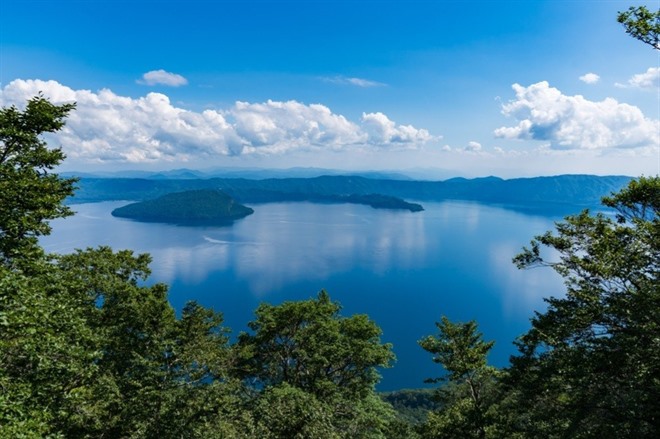
Spend the day exploring Aomori’s natural landscapes. Begin at Lake Towada, a deep caldera lake surrounded by forest, known for its stillness and clear waters. A boat ride offers a different perspective of its scale and isolation. Continue to Oirase Gorge, one of Tohoku’s most scenic walks, where streams, moss-covered rocks and trees create a layered landscape that changes with the seasons. It’s a place to slow down and take in the details that define this region. (B,D)
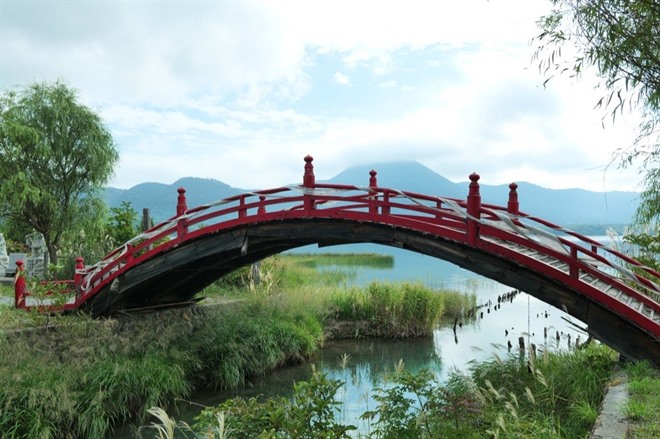
Visit Osorezan, one of Japan’s most spiritual and atmospheric sites. Its volcanic terrain, sulphuric pools and quiet lakes have long been associated with the afterlife, drawing pilgrims for centuries. The landscape feels stark and reflective, offering a different perspective on Japan’s spiritual traditions. Continue to Mutsu for a seafood lunch, where the coastal location shapes the local cuisine. Return to your ryokan, where the onsen experience continues to be a key part of daily life. (B,D)
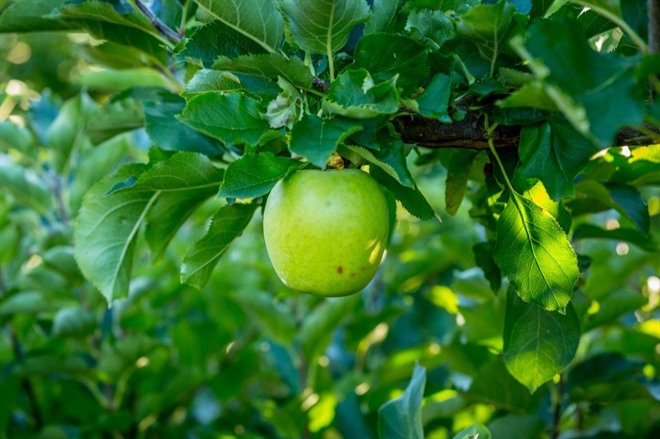
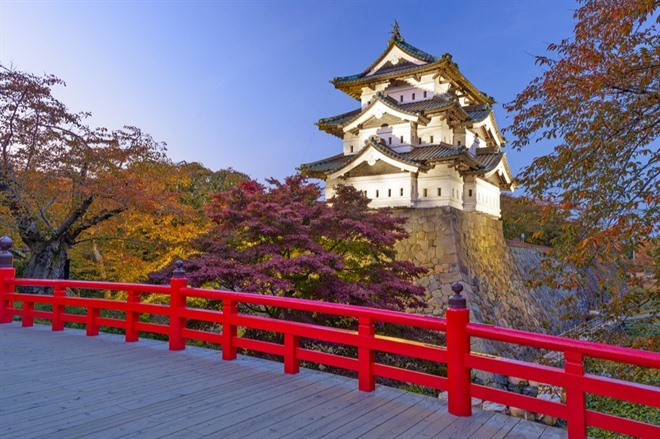
Explore Aomori’s local industries and heritage. Visit an apple farm to learn about one of Japan’s most important fruit-growing regions and meet the people behind it. Continue to a Bunaco workshop, where beech wood is shaped into contemporary designs using innovative techniques. End at Hirosaki Castle, a historic site set within parkland that changes dramatically with the seasons. The town itself has a distinct character, shaped by both samurai history and Western influences. (B)
Travel back to Tokyo by train, giving time to reflect on the contrast between Tohoku and the capital. The rest of the day is free to explore independently, revisit favourite areas, or experience a different side of the city. After time spent in rural regions, Tokyo often feels different on return, offering a new perspective on its scale and energy. (B)
Private transfer from your hotel to Narita or Haneda International Airport
Pricing Information
Price Includes
- Return International flights as per the itinerary
- All taxes & charges
- Accommodation and meals as specified
- Transfers as specified
- Activities and excursions as specified
- All entrance fees on sightseeing tours as specified
Price Includes
Price Excludes
- Travel Insurance
- Any meals not specified in the itinerary
- Tips and gratuities
- Optional excursions
Price Notes
- Price is per person based on 2 adults travelling together with a 1 June 2027 departure
- All flight rates are correct at the time of publication but remain subject to change by the airlines. The exact airfare and any applicable taxes or surcharges will be reconfirmed at the time of booking.
- Holiday and peak season surcharges are not included in the above prices. Additional charges may apply during peak travel periods, including 15 December to 10 January, and will be confirmed at the time of booking.
- This itinerary operates from late April through to mid-November.
- This is a suggested itinerary that can be customised to suit your preferences. We can remove certain excursions or add other destinations as needed. This provides an overview of what you can experience in the area, but it is by no means exhaustive. Please reach out to one of our travel specialists who can assist you in creating your ideal holiday.
Tour Route Map
- Japan, Tokyo
- Japan, Sendai
- Japan, Iwate
- Japan, Aomori
- Japan, Tokyo
Tour Accommodation
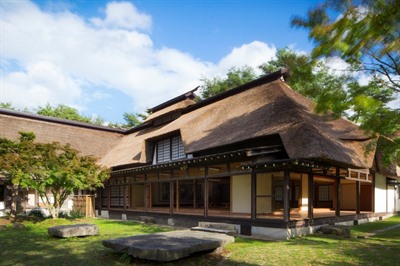
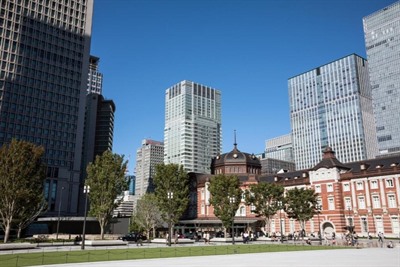
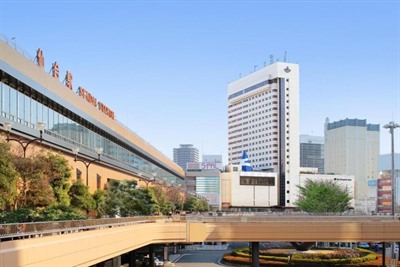
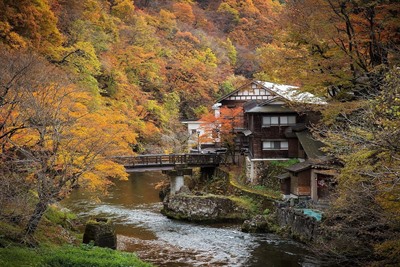
Image Gallery