The Best Festivals in Japan to Go To
The Best Festivals in Japan to Go To
Across the year, communities in both cities and rural regions come together for celebrations deeply rooted in local life and tradition. From neighbourhood streets in Tokyo to mountain towns in Kyushu, Japan festivals are not created for visitors; they are part of how the country marks the seasons and brings people together.
Having spent time travelling across Japan and working closely with local partners, I’ve seen how differently each region approaches its festivals, from large-scale city celebrations to smaller community events that rarely appear in guidebooks. It’s this local insight that helps shape the way we build itineraries, focusing on festivals that genuinely enhance the journey rather than simply sit alongside it.
If you look beyond Japan’s most recognisable icons, you’ll find that it’s the festivals, woven into daily life, that reveal a more authentic side of the country. These gatherings are often overlooked, yet they shape your experience of Japan in a far more immediate and memorable way.
(1).jpg)
Noemi Espinosa
Senior Product Executive
Who are Japan’s festivals best for?
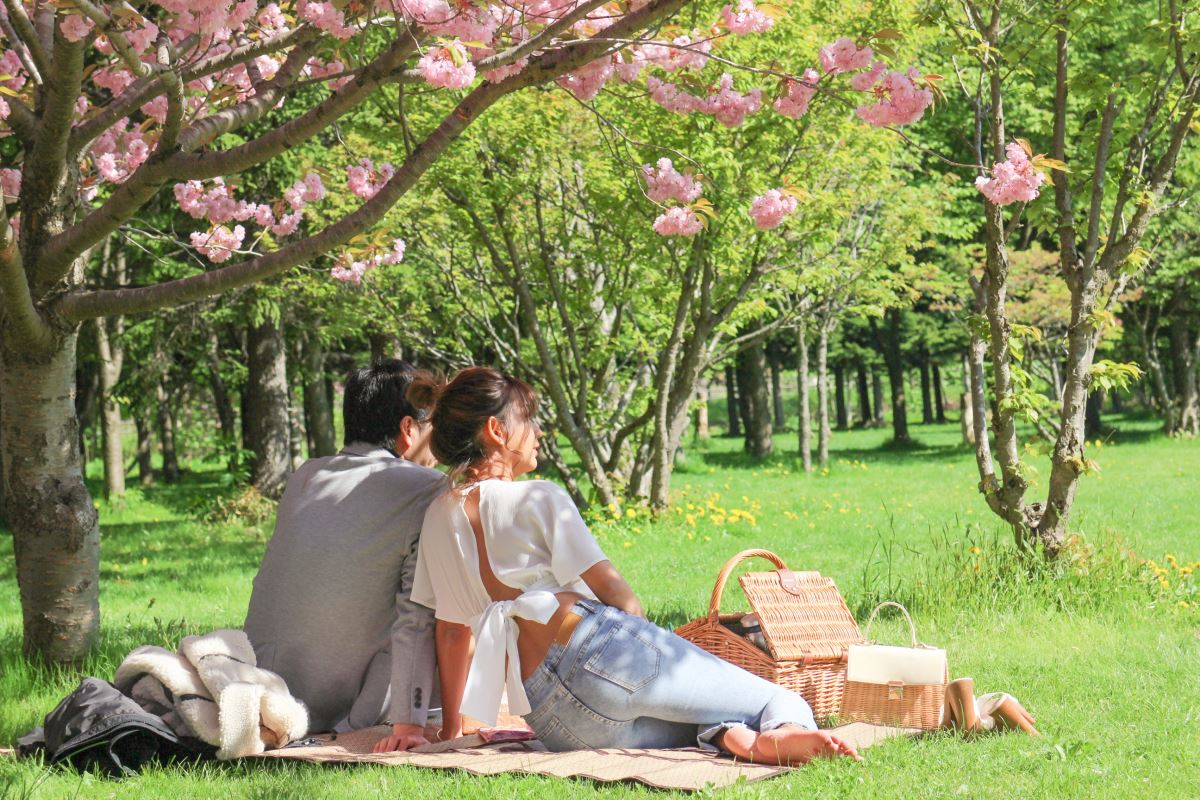 A couple enjoying cherry blossom season in Japan
If you’re drawn to experiences that go beyond Japan’s headline sights, the festivals of Japan offer something richer. They’re especially rewarding if you’re interested in local culture, ever-evolving seasonal beauty, and journeys shaped by place rather than a checklist. Even if it’s your first visit, weaving a festival into your plans adds a layer of depth that most travellers miss.
Best Festivals in Japan by Season and Experience
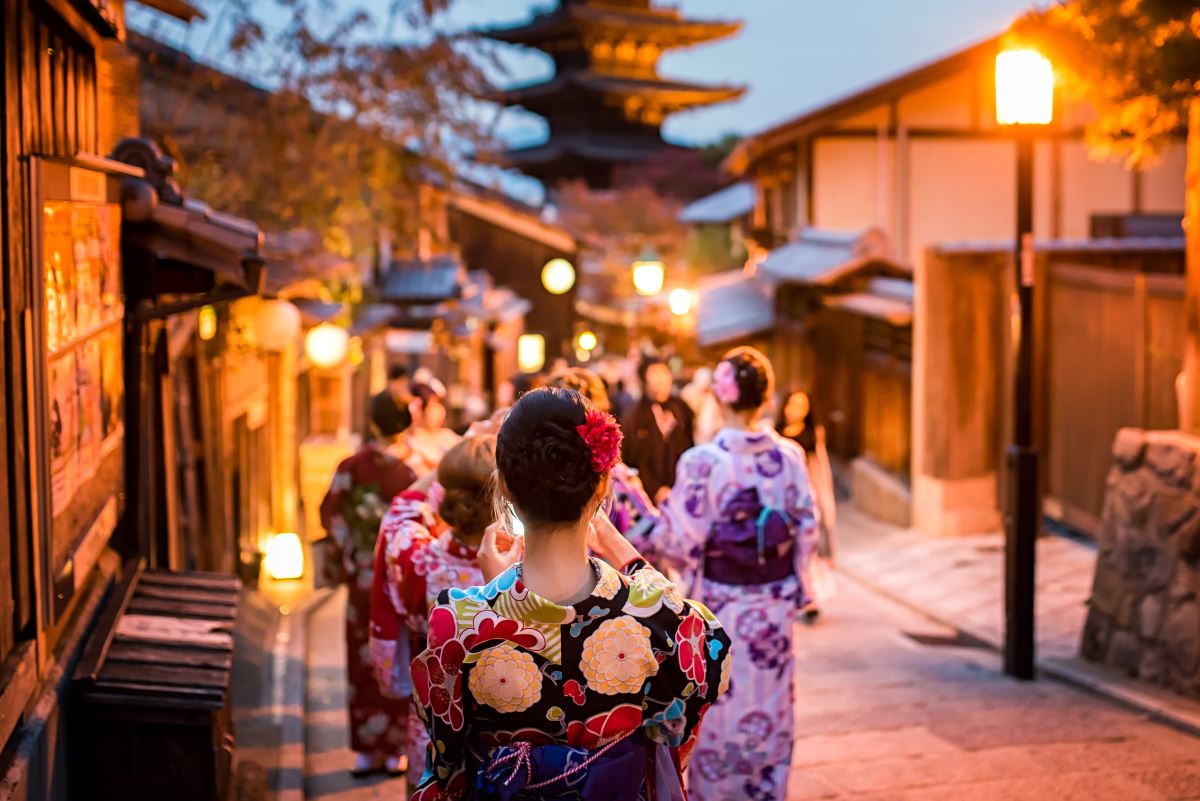 Women dressed in traditional Japanese Kimono
Wherever you travel in Japan, you’ll find festivals unfolding year-round, each shaped by local tradition, season, and place. Some are grand city celebrations; others are small gatherings in rural towns. Each gives you a different window into the country.
While most travellers know about peak times like cherry blossom festival season, you’ll also find lesser-known festivals that offer a more thoughtful way to travel, especially during quieter months. These can be woven into your itinerary, so your journey is shaped by timing and place, not just a set route.
The festivals below have been selected for the range of experiences they offer across Japan, based on insight from local tourism boards who understand how each celebration fits within its region, season, and cultural context.
1. Hakata Dontaku Festival
Date: 3 - 4 May every year
Where: Fukuoka
Crowd level: High
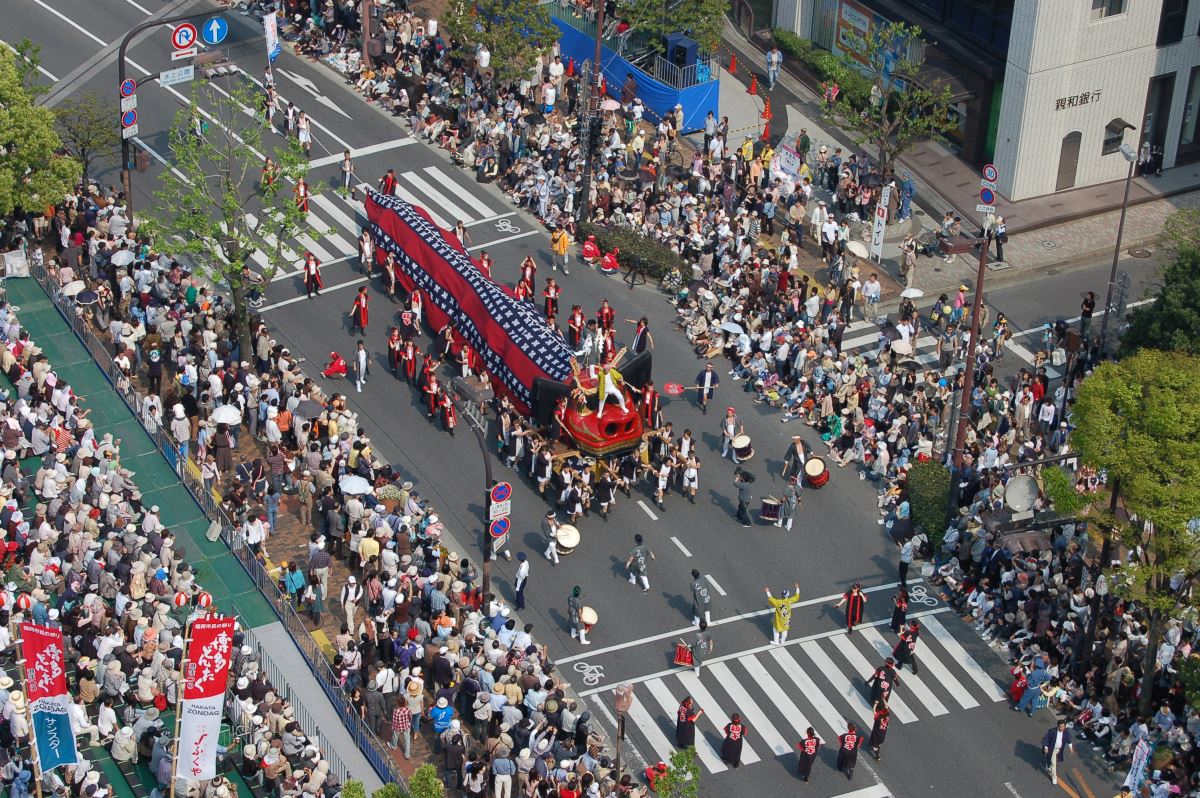 Hakata Dontaku Festival - Photo Provided by Fukuoka Prefecture Tourism Association
If you find yourself in Fukuoka in May, you’ll experience the city at its most energetic during the Hakata Dontaku Festival, one of Japan’s largest and longest-running festivals. The celebrations take over the streets of Hakata and Tenjin, where traditional performances, dancing processions and decorated floats create an atmosphere that feels deeply rooted in local identity rather than staged for visitors.
The festival’s signature Dontaku parades bring together thousands of performers in colourful costumes, moving through the city to the sound of drums, music and rhythmic wooden shamoji rice paddles. Between the larger processions, smaller community groups, school bands and local businesses join in, giving the festival a more personal, neighbourhood feel. It’s a celebration that balances spectacle with everyday participation, revealing a side of Fukuoka shaped by community, tradition and shared energy.
See more of this festival with Travel with Fawn:
“Over two days, Hakata Dontaku fills the streets of Fukuoka with parades, performances and pop-up stages across the city. It’s one of the region’s biggest celebrations, and depending on the atmosphere and conditions, people may even find themselves swept into the procession alongside locals as the whole city comes together in one shared festival energy.”
(Visit Fukuoka, 2026)
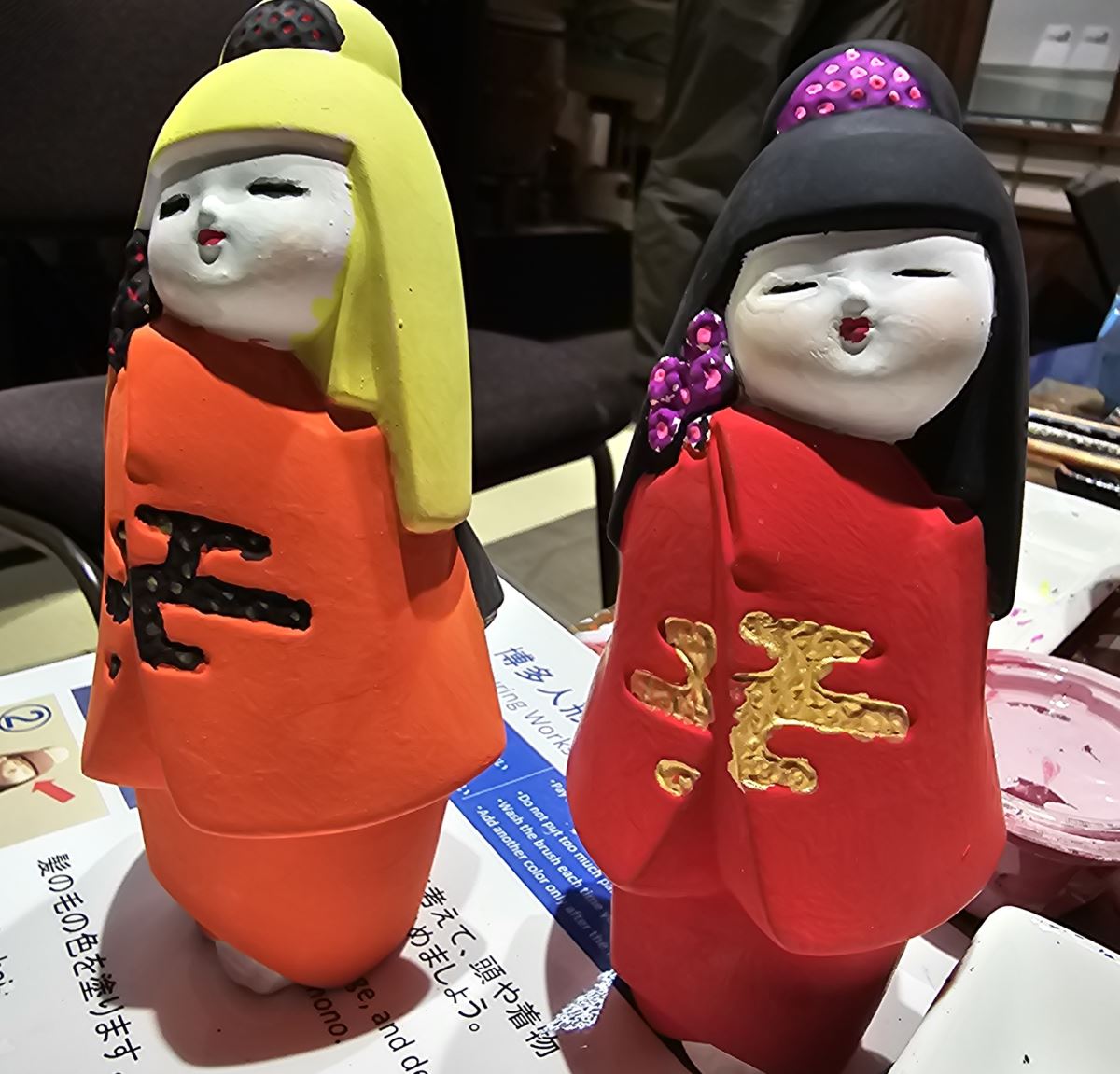 Noemi's traditional Hakata doll painting experience in Fukuoka
While in Fukuoka, I recommend exploring beyond the main event with more in-depth cultural experiences, such as traditional Japanese doll painting. It features on our Kyushu’s Hidden Treasures itinerary, alongside quieter onsen towns and rural heritage sites, which can be built around festival timings with a travel specialist.
2. Bunkyo Plum Festival
Date: 8 February - 8 March every year
Where: Tokyo
Crowd level: Moderate
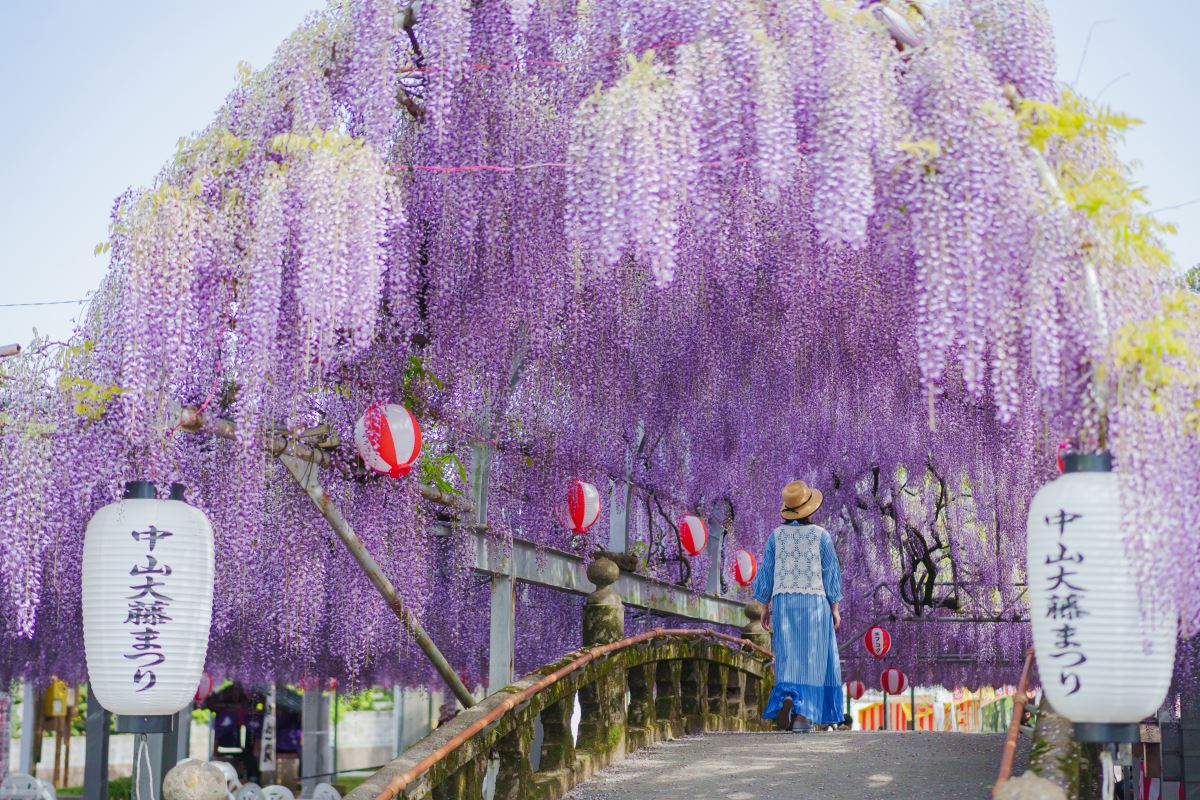 Wisteria of Japan
Instead of the peak crowds of the famous cherry blossom season, the Bunkyo Plum Festival at Yushima Tenjin Shrine offers a quieter seasonal alternative in Tokyo. In these lesser-known festivals of Japan, you can wander among the first blush of ume blossoms as they unfurl across the shrine’s grounds, marking the true beginning of spring in a setting that feels both intimate and steeped in tradition.
You’ll notice the pace here is tranquil, with locals and travellers alike lingering beneath the plum trees, taking in the subtle fragrance and the serene beauty of the gardens. The shrine’s centuries-old architecture frames the scene, grounding you in a sense of place that goes beyond the fleeting spectacle of sakura. It’s a chance to experience Tokyo’s seasonal charms in a way that feels both authentic and refreshingly understated.
If you’re seeking a more thoughtful approach to spring in Tokyo, the Bunkyo Plum Festival is a rewarding choice. Pair your visit with a stroll through the surrounding neighbourhoods, where you’ll find tucked-away streets, traditional shops, and a side of the city that most people overlook.
“Cherry blossom season is undoubtedly beautiful, but it’s also one of the busiest and most expensive times to visit Tokyo. For those looking to enjoy seasonal flowers without the peak crowds, we often recommend visiting during the plum blossom season in late winter, or timing your trip for wisteria and azalea festivals just after the cherry blossoms.”
(Go Tokyo, 2026)
.jpg) Senso-ji Temple
Senso-ji Temple
One of the things I always reflect on in Tokyo is its sense of history, particularly around Senso-ji. Walking through the Thunder Gate and along Nakamise-dori, you see traditions still part of daily life. It’s a highlight of our Colours of Japan group tour, which brings together Tokyo’s historic districts with wider cultural experiences across the country.
3. Owara Kaze no Bon Festival
Date: 1 - 3 September every year
Where: Toyama City
Crowd level: Moderate
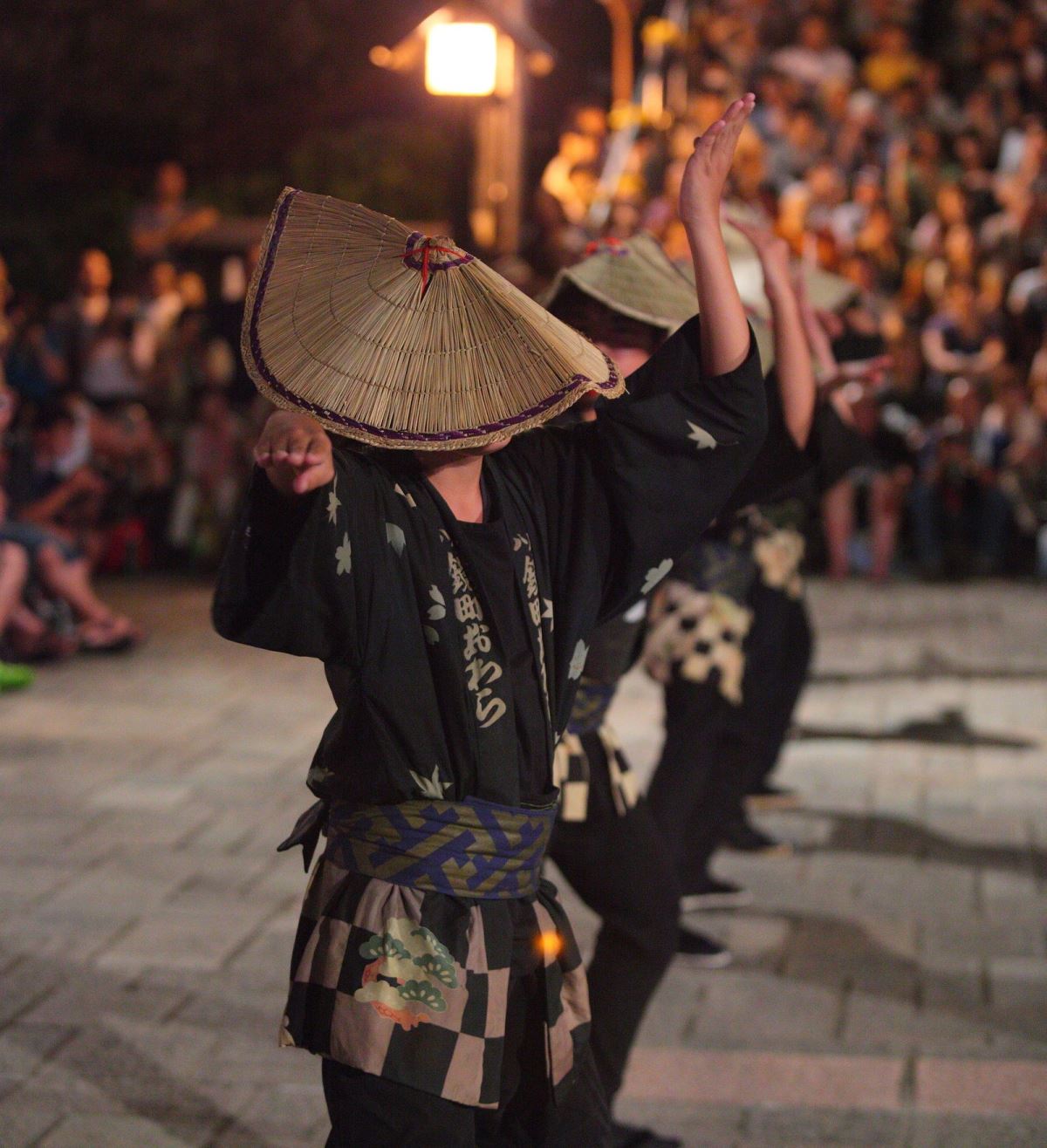 Owara Kaze No Bon - ©Toyama Tourism Promotion Organization
Held in the historic town of Yatsuo in Toyama Prefecture, the Owara Kaze no Bon Festival in Japan has been celebrated for around 300 years and was originally performed to calm the winds and protect crops from typhoons. Today, it remains deeply rooted in the local community, with dancers beginning their training from a young age and gathering throughout the summer to perfect their movements.
As dusk settles over Yatsuo, you’ll notice the change in atmosphere. Lanterns cast a soft glow along the winding streets, and young dancers take the lead, their movements measured and deliberate. The sound of shamisen and taiko drifts through the air as you watch the procession, a world away from the exuberance of Japan’s larger festivals. Here, the experience is quieter, more contemplative, and deeply personal.
See one of the traditional male dances with Japan Geographic 4K:
"Late at night, one of my favourite parts of the festival is the 'Wa-odori', where you are invited to join in the dancing alongside locals. It creates such a welcoming atmosphere, and there’s a real sense of connection. It’s often the moment people remember most.”
(Kaoru Kumeda from Hankyu Travel International Europe UK LTD, 2026)
.jpg) Samurai sword
Samurai sword
Just a short journey from Toyama Prefecture, Kanazawa offers one of Japan’s most atmospheric cultural contrasts. On our Warriors’ Way: A Shogun-Inspired Journey add-on, I always recommend it for its beautifully preserved samurai and geisha districts, where you can step into Edo-period streets, explore traditional teahouses, and experience the refined artistry that once defined Japan’s ruling classes.
4. Kurojishi
Date: The main Kurojishi Festival, where many of the Kurojishi gather together, takes place on the third Saturday of May each year, while smaller shrine festivals are held from spring to autumn according to each shrine’s schedule.
Where: Yamagata Prefecture
Crowd level: Local/regional
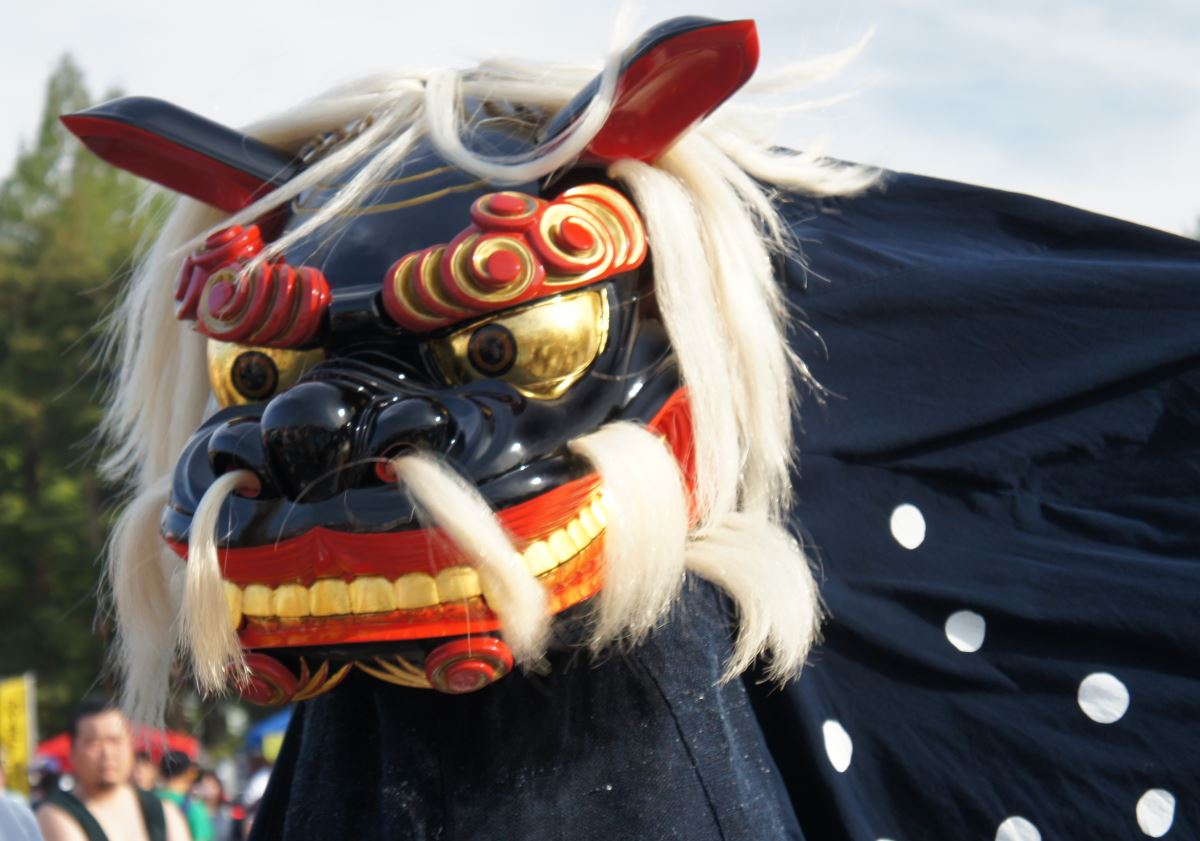 Kurojishi festival - photo credit: Yamagata Arcadia Tourism Bureau
The Kurojishi (meaning “black lion”) festivals are traditional lion dance celebrations found across parts of northern Japan, with origins linked to ancient Shinto rituals and prayers for protection, good harvests, and community wellbeing. Each local shrine performs its own version, meaning no two celebrations are quite the same, but all share the same symbolic black lion figure said to carry spiritual meaning for the region.
What stands out most when you attend is the sense of living tradition. You aren’t watching a show staged for outsiders; instead, you’re witnessing a ritual that has been woven into the fabric of local life for generations. Residents of all ages come together to prepare, carry, and perform the lion dances, each movement a reflection of their shared history and seasonal changes.
“Kurojishi is something that carries our feelings and the meaning of our traditions. It is a festival that connects people through shared history and the spirit of the community.”
(Michael Stock of Japan-San, 2026)
See more about this magnificent festival here:
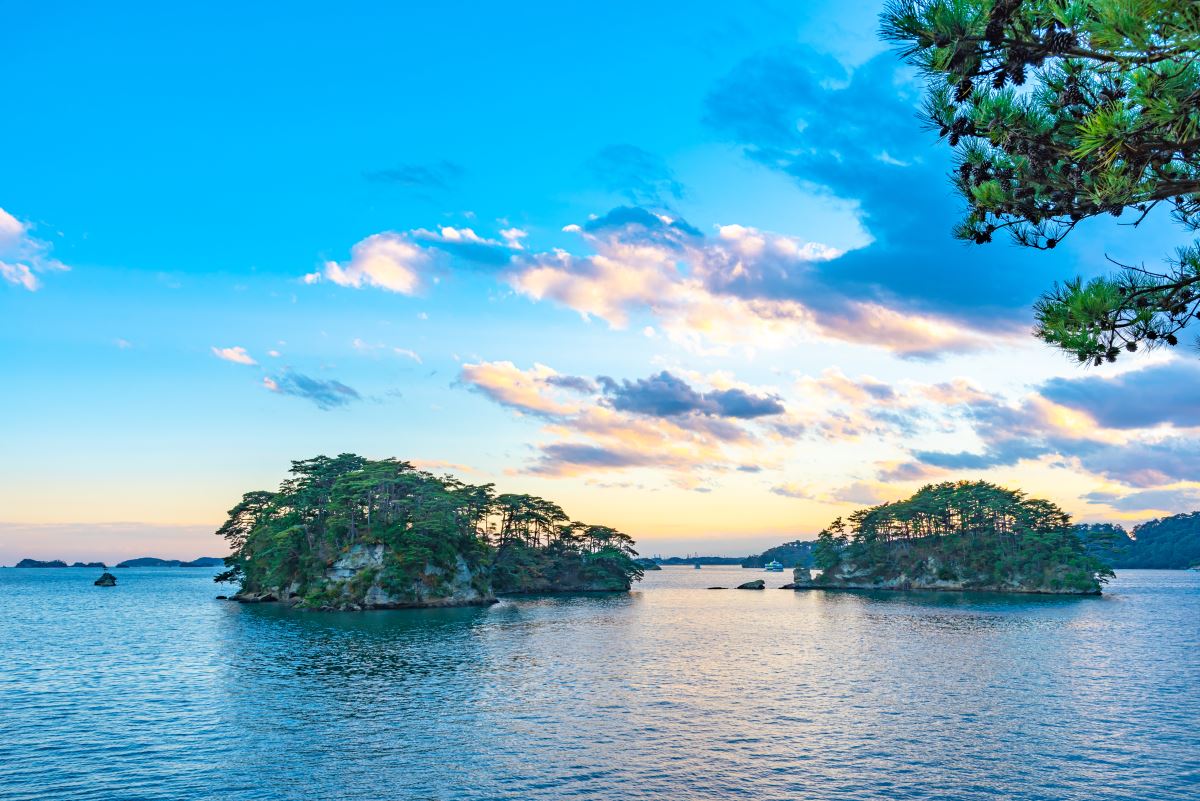 Matsushima Bay
Yamagata Prefecture is in Tohoku, a region of wild paradise that feels unlike anywhere else in Japan, with vast mountains, forests and remote rural landscapes shaped by the seasons. One experience I always come back to is cruising Matsushima Bay, often considered Japan’s most celebrated view, where pine-covered islands stretch across calm waters. It’s a highlight of our Tohoku Discovery Tour, which brings together the region’s landscapes, traditions and lesser-known cultural experiences.
5. Mukonage (Groom Throwing Festival)
Date: 15 January every year
Where: Matsunoyama Onsen
Crowd level: Moderate (local with growing interest)
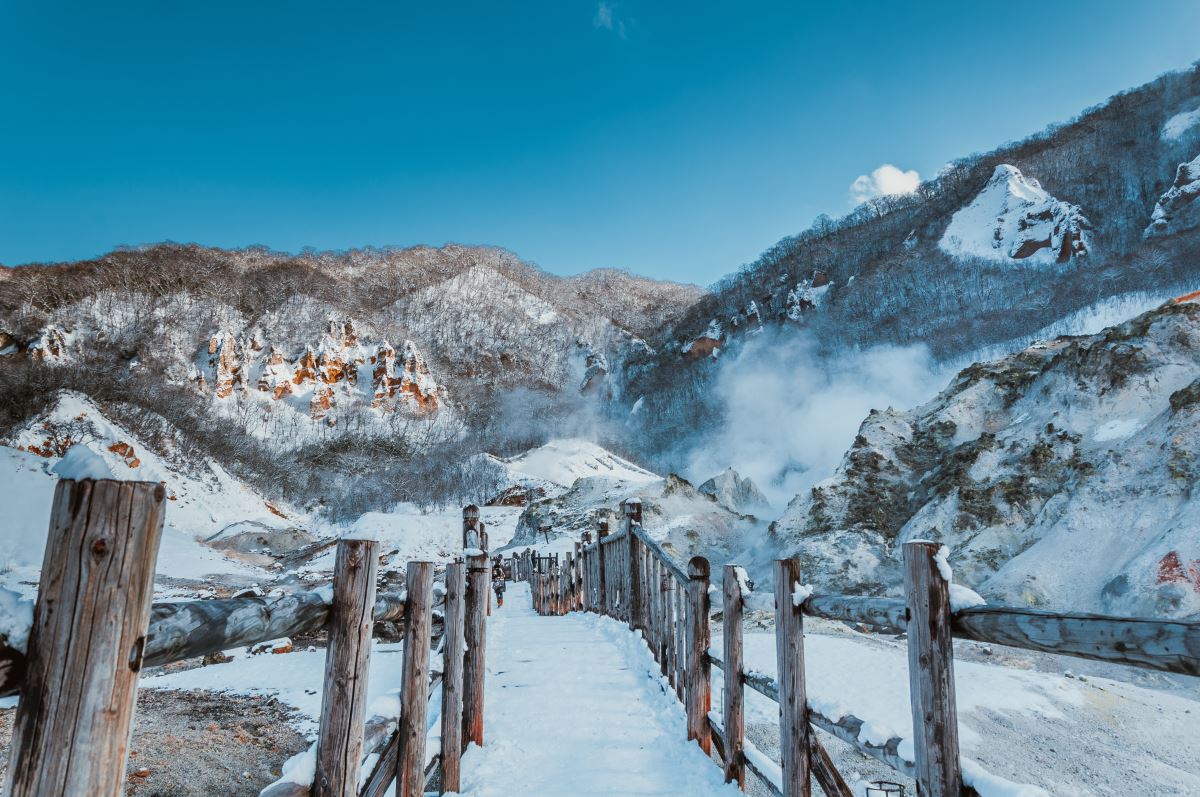 Winter in Japan
Are you a newlywed? In the snow-covered onsen town of Matsunoyama in Niigata Prefecture, the Mukonage, or “Groom Throwing Festival”, offers a rather unforgettable welcome. Newly married grooms are thrown into deep snow by local men, a tradition that combines celebration with playful rivalry, rooted in the customs and close-knit communities of rural Japan.
The festival is often paired with the nearby Dosojin Fire Festival, where a large wooden shrine is set alight in the evening. With heavy snowfall, mountain scenery and a strong local atmosphere, it offers a very different perspective on Japan’s winter celebrations, particularly when combined with time in nearby onsen towns or wider Niigata itineraries.
See more about the festival here:
“Mukonage reflects the strong bonds within the community, celebrating marriage while also carrying elements of local tradition and winter life in Niigata. Despite its growing popularity, it still feels deeply rooted in the local area, offering a rare glimpse into everyday customs.”
(Discover Niigata, 2026)
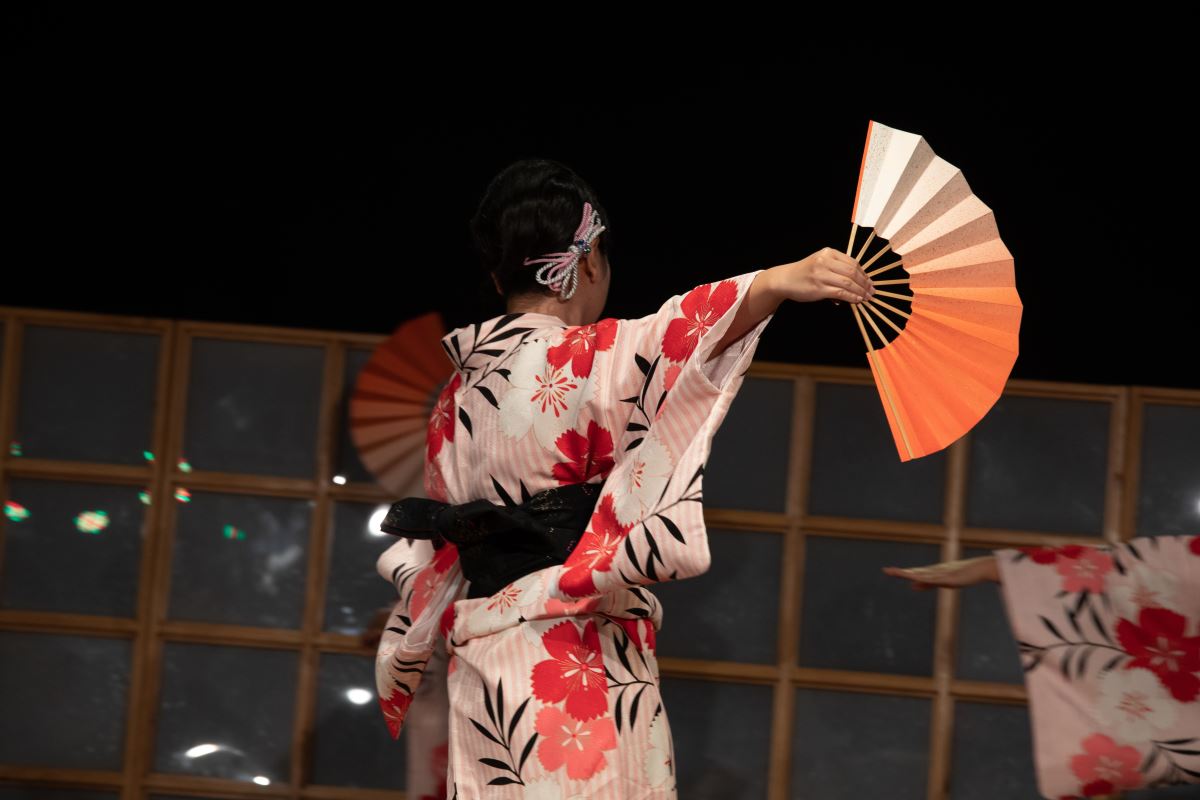 Traditional Edo fashion
Time in Niigata pairs naturally with Tokyo, and I often suggest continuing the journey in the capital to see a different side of Japan. Our A Week in Tokyo: Beyond the Stopover tour explores the city’s layered history, from Edo-period districts to hands-on cultural experiences like sumo training and taiko drumming, offering a deeper perspective alongside the festival.
6. Nachi Fire Festival
Date: 14 July every year
Where: Wakayama Prefecture
Crowd level: High
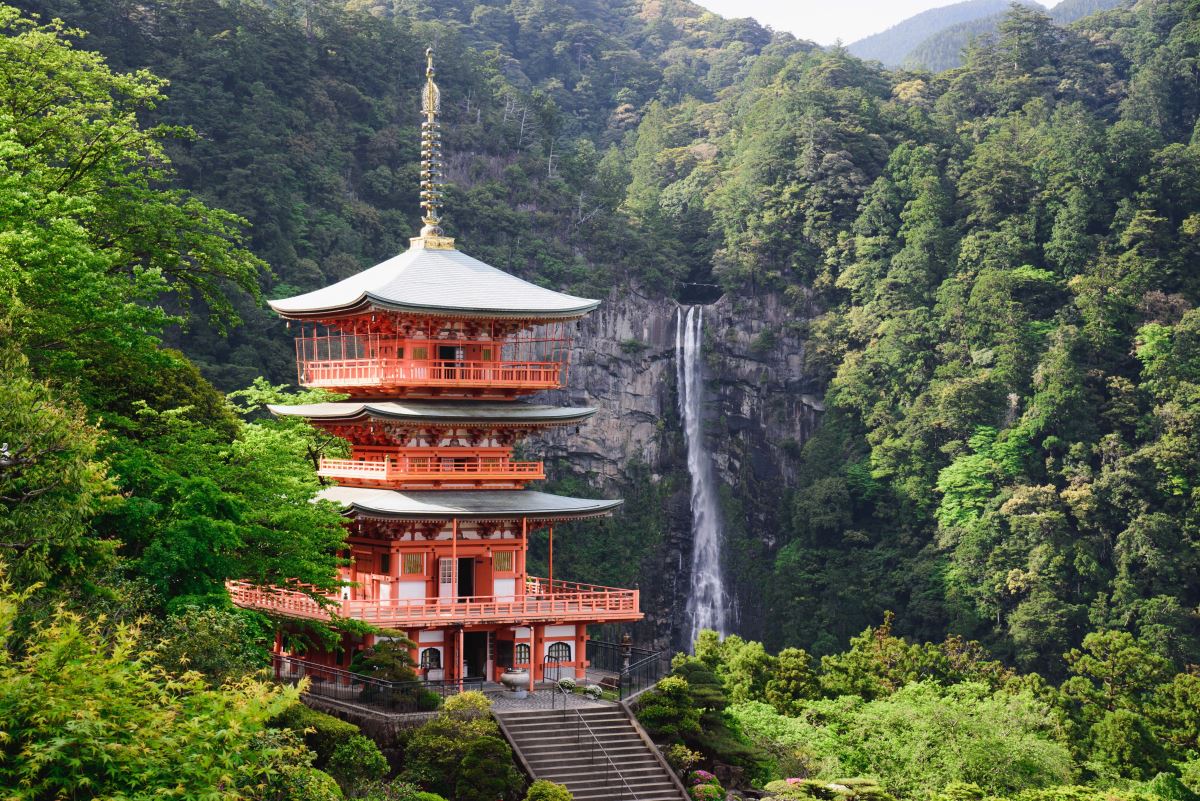 Wakayama Prefecture
Kumano Nachi Taisha, the Nachi Fire Festival, is one of Japan’s most visually striking summer events. Men carry blazing torches weighing up to 50kg down towards the shrine in a procession believed to purify the area and welcome the deities' return. Set against the dramatic backdrop of Nachi Falls, it’s a powerful expression of the region’s spiritual traditions.
This is a festival best planned carefully. Arriving early is essential to secure a good viewpoint, and staying nearby allows you to experience the atmosphere as it builds throughout the day. The wider Kii Peninsula is deeply tied to Japan’s spiritual history, not least through the Kumano Kodo, making this an especially meaningful addition to a journey through the region.
Learn more about this event with wocomoTRAVEL:
“To truly appreciate this festival, you need to understand the Kii Peninsula as a deeply spiritual region, long associated with the origins of many of Japan’s beliefs. The Nachi Fire Festival is one of its most significant events, set near the Kumano Kodo, a pilgrimage route that has been walked for more than 1,000 years.”
(Kii Peninsula Tourism Authority, 2026)
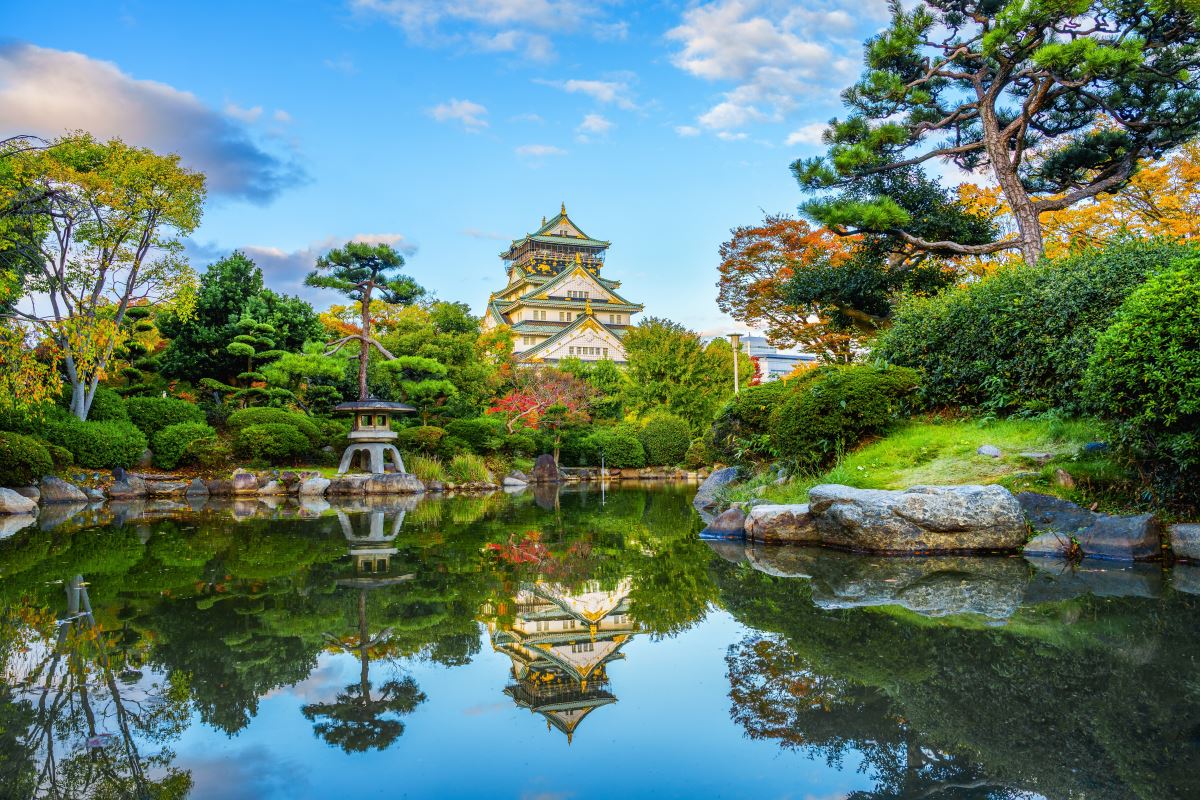 Osaka Castle
Not far from Wakayama is Osaka, a lively city known for its street food, neon-lit districts and rich merchant history. It’s also a natural extension to time spent in the Kii Peninsula, and our Japan Traditions Tour connects these contrasts beautifully, combining iconic cities with deeply rooted cultural experiences and local encounters across the country.
7. Shinagawa Shukuba Festival
Date: Varies annually (typically early autumn)
Where: Tokyo (Shinagawa district)
Crowd level: Moderate, local-focused
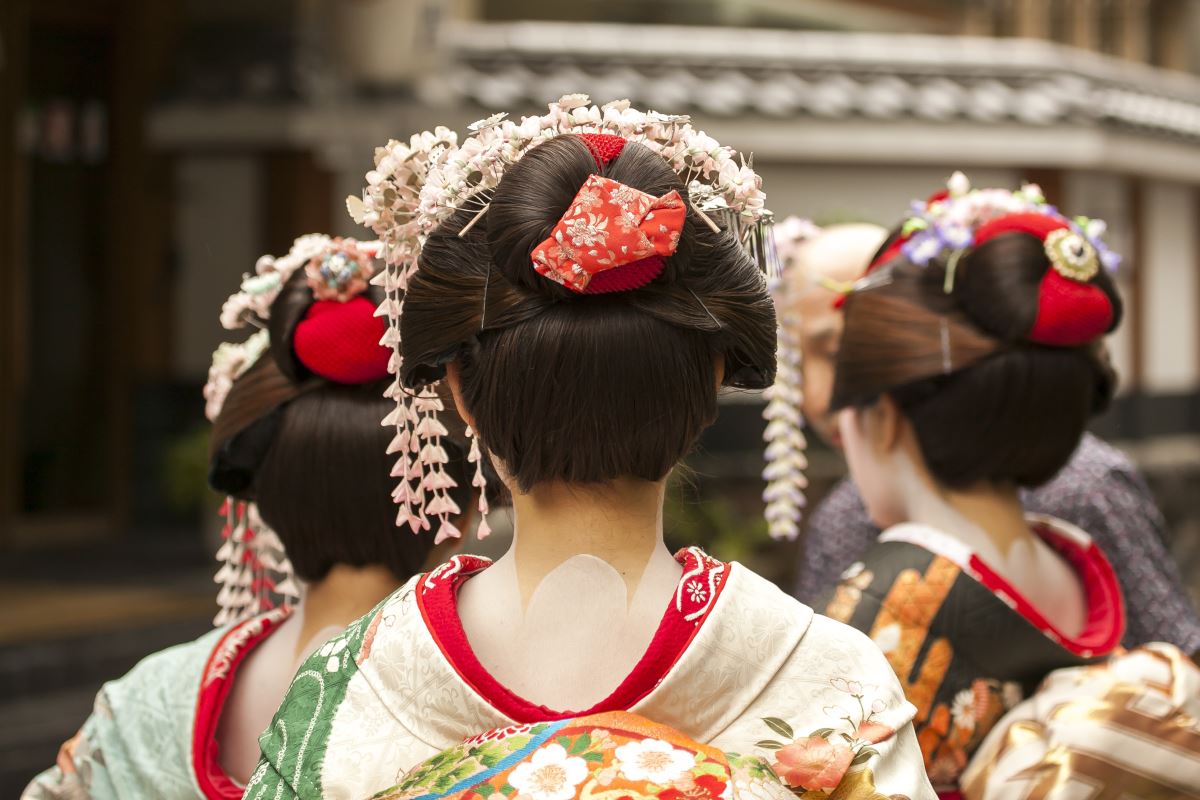 Traditional Japanese Festival
At the Shinagawa Shukuba Festival, you find yourself in a corner of Tokyo that most people overlook. Here, in a residential neighbourhood that once served as a vital post town along the old Edo route, you step away from the city’s usual bustle and into a place where history lingers in the streets.
You’ll see the past come alive here, with local parades winding through the streets, residents donning traditional costumes, and the community gathering for time-honoured festivities. Shinagawa’s old role as a gateway between Edo and the rest of Japan is not just remembered, but actively celebrated. The festival is shaped by the people who live here, giving you a rare, authentic window into Tokyo’s layered history, one that feels far removed from the city’s glass towers and neon lights.
“Held in a local residential area of Tokyo that many people don’t usually explore, the Shinagawa Shukuba Festival has a real community feel. It offers a hands-on, handmade atmosphere and a great opportunity to meet locals while learning about the history of Edo-period post towns.”
(Go Tokyo, 2026)
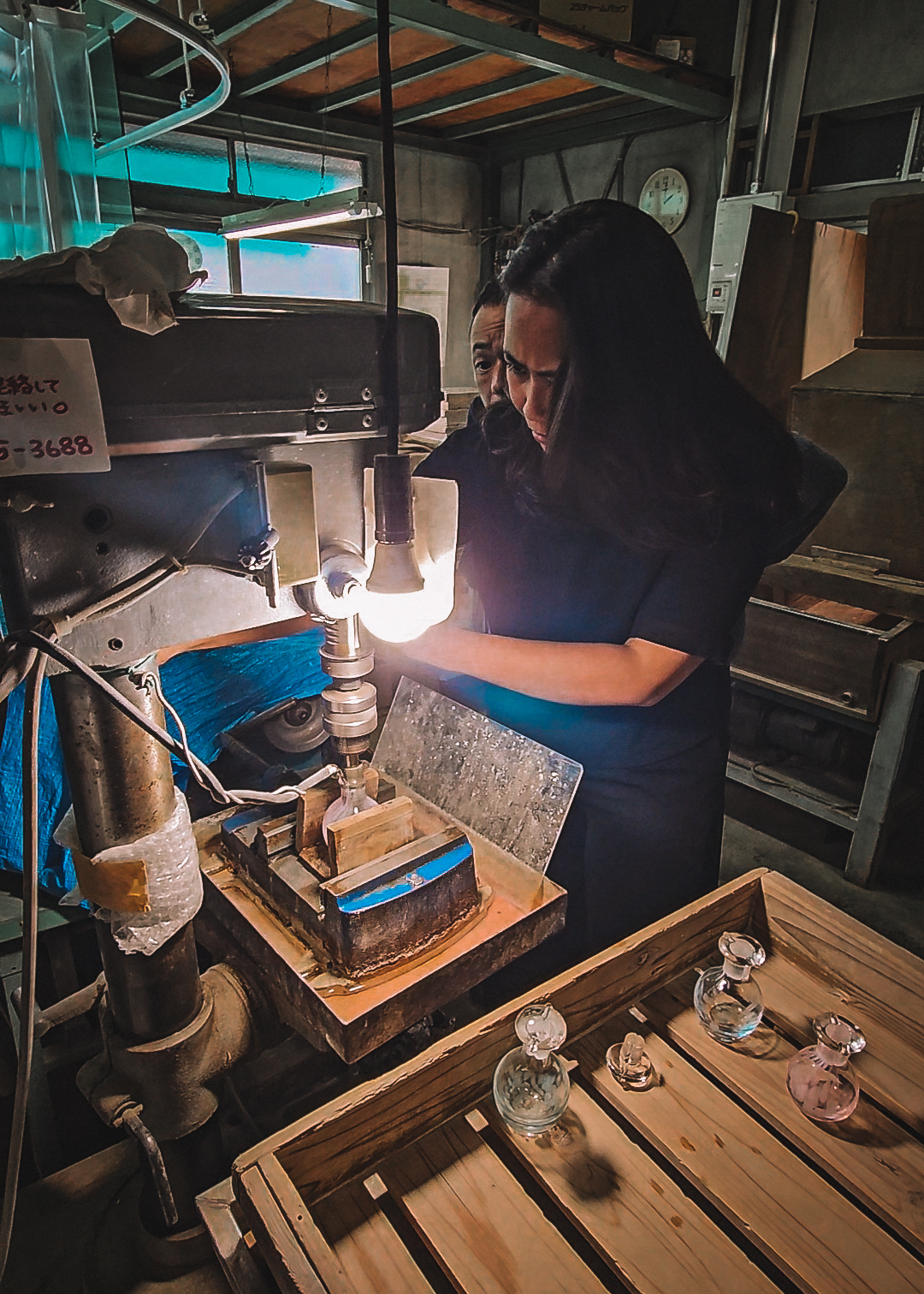 Noemi is enjoying glass cutting at Edo Kiriko
While you’re in Japan, I always recommend making time for something hands-on, like traditional Edo Kiriko glass-cutting. It’s a chance to create your own patterned glass in a style that’s uniquely Japanese, and a beautiful way to connect with craftsmanship that’s been passed down through generations. This experience can be arranged on our Culture and Cuisine of Japan Tour, just let a travel specialist know and it can be woven into your itinerary.
8. Kanda Festival
Date: Mid-May (odd-numbered years, main festival)
Where: Kanda Myojin Shrine, Tokyo
Crowd level: High
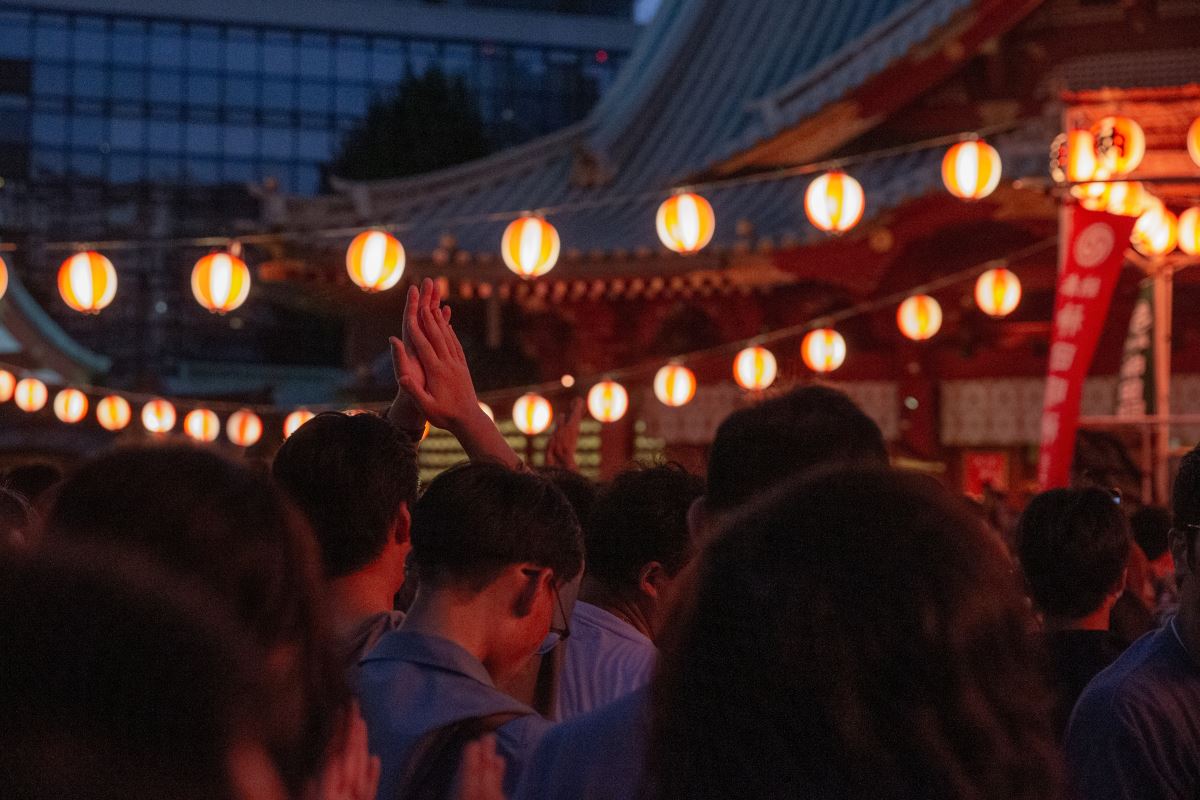 The Kanda Festival
The Kanda Festival is one of Tokyo’s most important and historic celebrations, centred around Kanda Myojin Shrine. Known as one of the city’s “three great festivals”, it features elaborate mikoshi (portable shrines) carried through the streets of central Tokyo, alongside parades, music and traditional costumes that reflect its long association with the Edo period.
What makes it particularly distinctive is how it moves through the city itself, passing modern districts, business streets and historic neighbourhoods all at once. It’s a rare moment where Tokyo’s contemporary identity and its historical roots are brought together in a single celebration.
“The Kanda Festival is recognised as one of Japan’s three greatest festivals, alongside Osaka’s Tenjin Festival and Kyoto’s Gion Festival. It is a lively and highly significant celebration, bringing together large crowds in the heart of Tokyo.”
(Go Tokyo, 2026)
More Festivals to Consider Across Japan
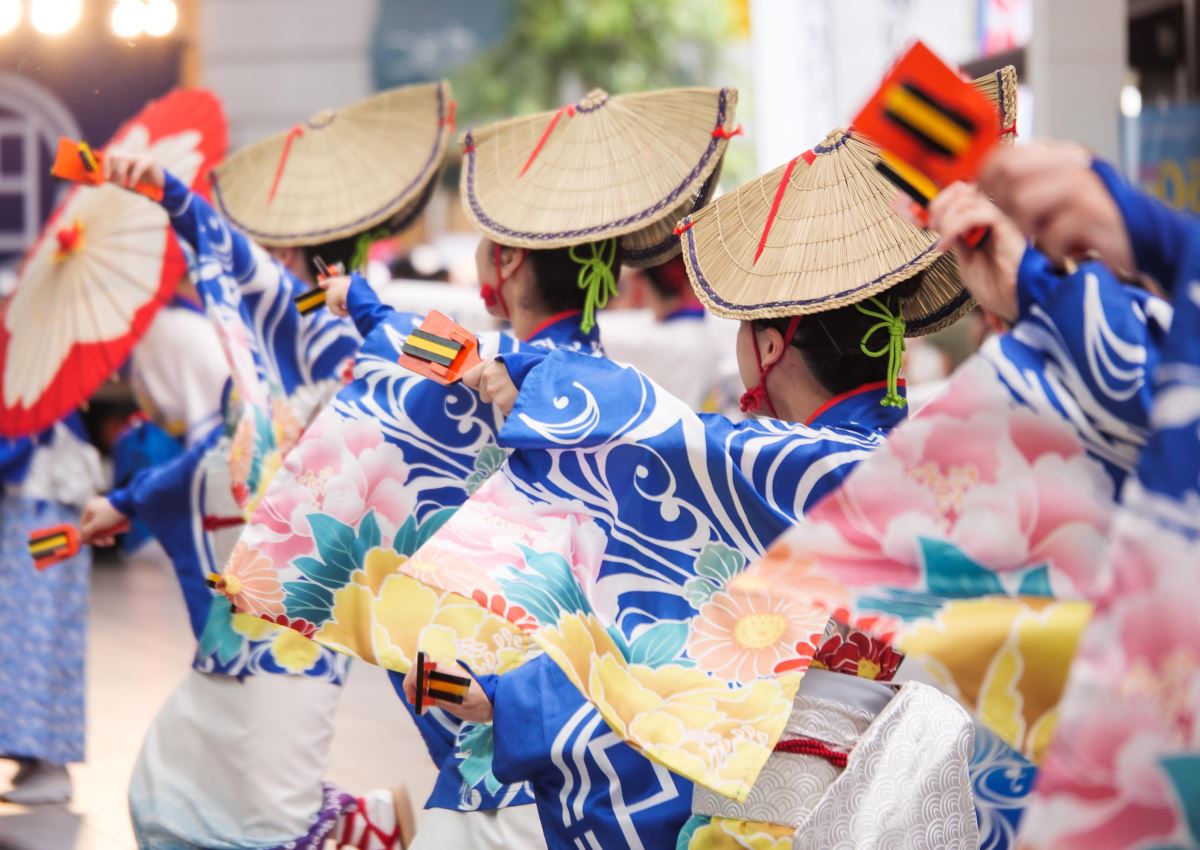 Yosakoi Festival
Japan’s festival calendar stretches far beyond the highlights featured above, with countless regional celebrations that reflect local identity, seasonality and tradition in different ways. While each festival in this guide offers a distinct experience, there are many others worth considering when shaping a journey based on timing and place.
The Dream Yosakoi Festival in Tokyo is a vibrant modern celebration that blends traditional dance with contemporary energy. Held across the city, it brings together teams from all over Japan and abroad, creating a dynamic, fast-paced atmosphere that feels distinctly urban yet remains rooted in traditional movement and music.
In Yamagata, the Hanagasa Festival transforms the city each summer with large-scale parades of dancers wearing distinctive flower hats. Set against the backdrop of northern Japan’s landscapes, it offers a strong sense of regional pride and is especially atmospheric during the evening processions.
Do you want to experience Japan through its festivals?
Japan’s festivals are never the same twice. From snow-covered mountain towns in winter to lantern-lit summer nights and springtime shrine celebrations, each season brings a different expression of tradition, community and place. Travelling through Japan with festivals in mind reveals a country that feels constantly alive with change, where timing and location completely shape your experience.
Talk to our Travel Specialists today to plan your own Japan festival journey.