- Witness sumo as living tradition during a full-day top-division tournament
- Trace sumo’s history and rituals with expert insight at Ryogoku
- Absorb Japan’s contrasts across temples, neon districts and sacred landscapes
- Travel seamlessly by bullet train while luggage moves ahead effortlessly
- Balance guided cultural depth with free time for personal discovery

Japan Sumo Experience
| 2026 |
|---|
| 30 Oct - 12 Nov 01 Nov - 14 Nov 03 Nov - 16 Nov 05 Nov - 18 Nov 07 Nov - 20 Nov 11 Nov - 24 Nov |
Sumo takes centre stage on this journey, built around one of Japan’s most compelling live sporting and cultural events.
Timed around a top-division tournament in Fukuoka, the itinerary offers rare access to the rituals, rhythms and atmosphere of professional sumo, beginning with Tokyo’s Ryogoku Sumo Museum and culminating in a full day at the arena as wrestlers progress through the ranks toward the final bow-twirling ceremony. This is not a fleeting add-on but the spine of the trip, with enough time and context to appreciate sumo as a living tradition rather than a spectacle, supported by expert guiding and carefully planned pacing.
The wider route adds depth without distraction. Tokyo, Kyoto, Hiroshima and Osaka appear as cultural counterpoints, not box-ticking exercises. Expect classic scenes such as Mount Fuji views, Kyoto’s shrines and bamboo groves, Miyajima’s floating torii and reflective time at Hiroshima Peace Park, balanced with hands-on experiences including sake tasting, a Maiko walk, zen meditation and street-food exploration. High-speed rail keeps journeys smooth, luggage moves ahead, and guided sightseeing is interspersed with free time. Every arrangement is handled, with flexibility for bespoke tailoring, leaving space to absorb Japan’s landscapes, flavours and traditions at a comfortable, considered pace.
Tour Itinerary
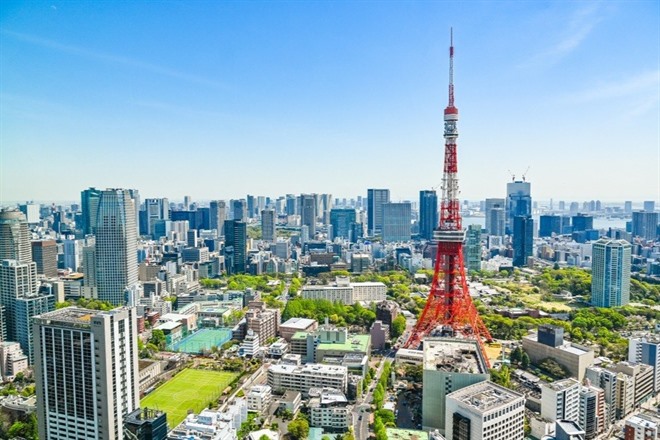
Arrive in Tokyo and meet an English-speaking assistant who will escort you by private transfer to the hotel. The remainder of the day is free to rest or explore locally. Tokyo is a city that reveals itself gradually, with small neighbourhoods, local eateries and quiet shrines sitting alongside its scale and energy. Overnight in Tokyo.
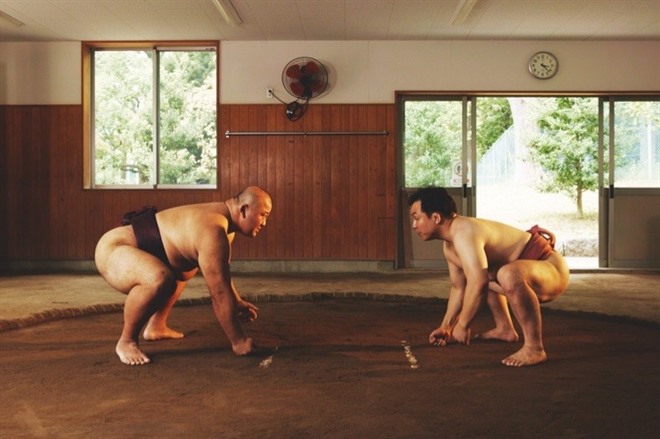
Explore Tokyo with a guide, starting in Asakusa at Sensoji Temple, a long-standing centre of worship and one of the city’s most historic areas. Walk along Nakamise Street, known for traditional snacks and souvenirs. Continue to Tokyo Skytree for views across the capital, then visit Ryogoku, the heart of sumo culture. The Sumo Museum introduces the sport’s ranking system, rituals and history, providing useful context ahead of the live tournament. Finish in Akihabara, a striking contrast of electronics, pop culture and modern city life. (B)
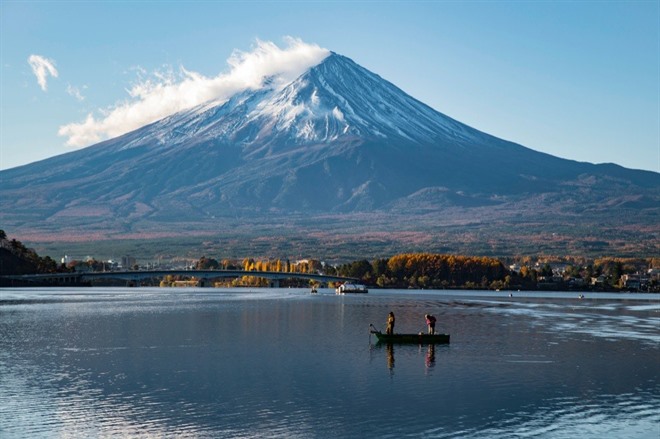
Travel outside Tokyo to the Mount Fuji region, an area long associated with pilgrimage, art and spiritual significance. Visit viewpoints around the Fuji Fifth Station area and continue to the Kawaguchi region, where the landscape opens into lakeside scenery shaped by the seasons. Stop at Oishi Park and pass Lake Kawaguchi, known for its clear views of the mountain. Walk up to Arakurayama Sengen Park for one of the area’s most recognisable viewpoints, combining pagoda, town and mountain in a single scene. Return to Tokyo in the evening. (B,L)
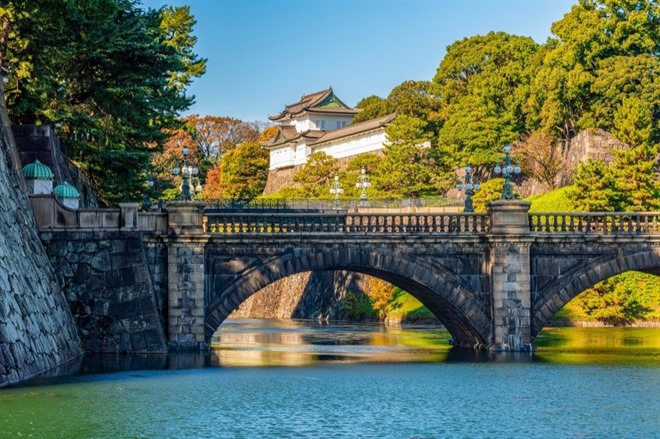
A free day to explore Tokyo at your own pace, with a pre-loaded IC card for local transport. This is a good opportunity to explore neighbourhoods that match your interests, whether food, design, museums or everyday city life. Optional guided visits can be arranged if you would like more structure. (B)
Travel by bullet train to Kyoto, with main luggage forwarded ahead. Kyoto served as Japan’s imperial capital for over a thousand years, and its layout and traditions reflect that history. A guided afternoon visit includes Arashiyama’s bamboo forest, a short walk that offers a quieter, more natural side of the city. Visit Kinkakuji, the Golden Pavilion, originally built as a shogun’s villa, and walk through Gion, where Kyoto’s traditional arts and teahouse culture remain active. (B)
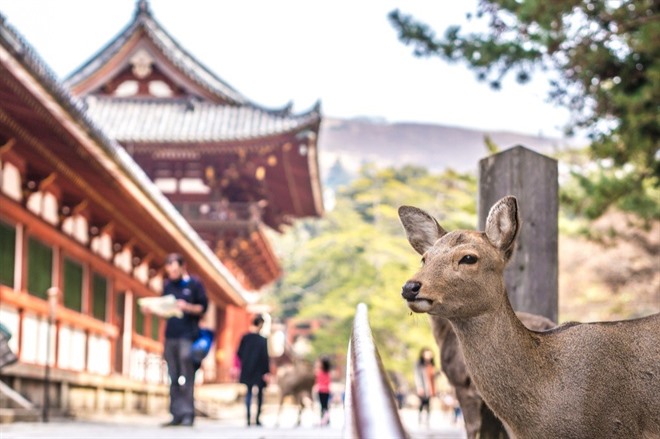
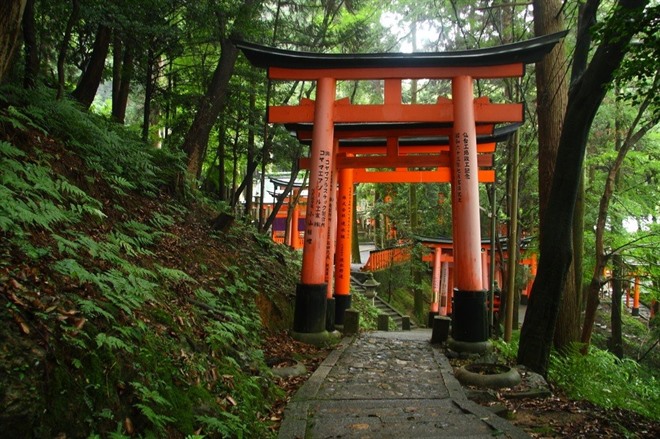
Begin at Fushimi Inari Shrine, known for its thousands of torii gates that mark a historic pilgrimage route through the forested hillside. Visit a local sake brewery to learn about brewing methods and the cultural role of sake. Continue to Nara, Japan’s first permanent capital, where deer roam freely through temple grounds. Visit Todaiji Temple, home to the Great Buddha, reflecting the political and religious influence Nara once held. Return to Kyoto in the evening. (B)
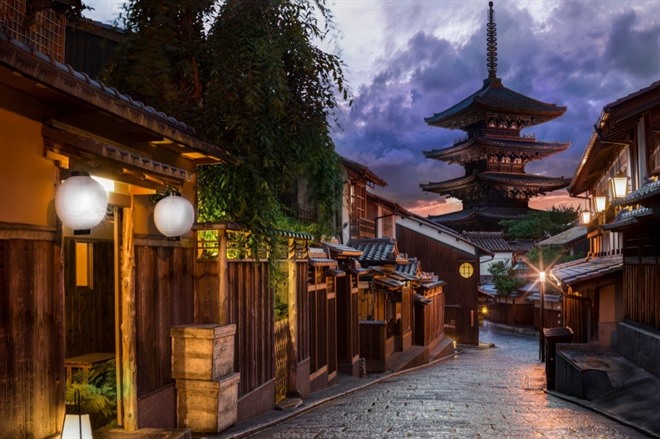
A free day in Kyoto to explore independently. This time allows for slower exploration, whether revisiting areas already seen or discovering smaller temples, gardens or local dining spots. Optional experiences can be arranged on request. (B)
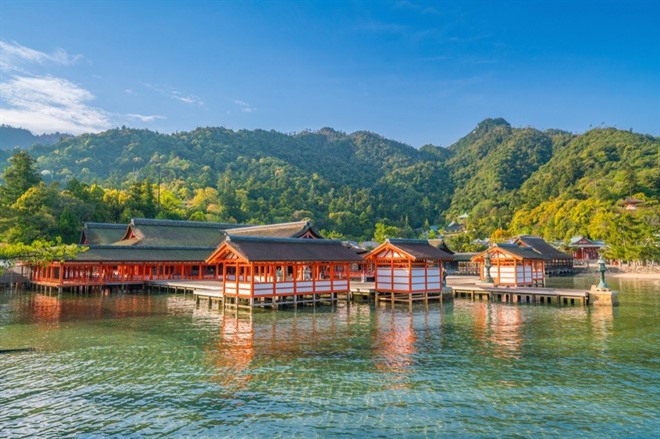
Travel by bullet train to Hiroshima, with luggage forwarded ahead. In the afternoon, visit Miyajima Island by ferry. Itsukushima Shrine is known for its torii gate that appears to float on the sea at high tide, a site associated with Shinto beliefs around purity and nature. Take part in a short zen meditation session at a local temple, offering a quieter perspective on Japanese spirituality. Return to Hiroshima for a traditional kaiseki dinner and time to enjoy the onsen at the hotel. (B,D)
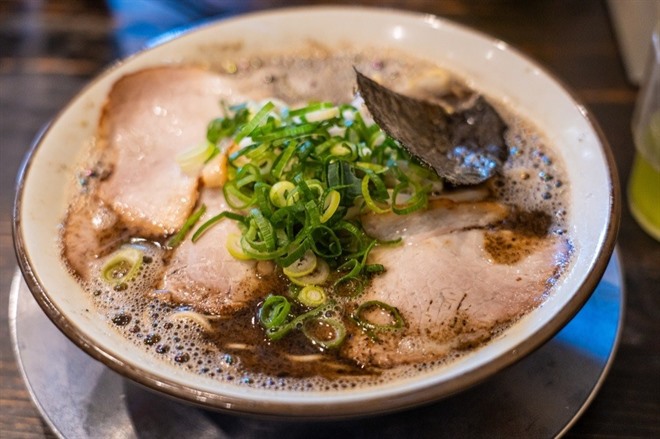
Explore Hiroshima with a guide, visiting the Atomic Bomb Dome, Peace Memorial Park and museum. These sites offer important insight into the city’s past and its role in post-war peace efforts. Continue by bullet train to Fukuoka, a city known for its open food culture and relaxed pace. Visit Dazaifu Tenmangu Shrine, associated with learning and scholarship, and Yusentei Garden, designed around a central pond and hillside views. End the day with a guided walk through Nakasu’s yatai food stalls, with dinner included. (B,D)
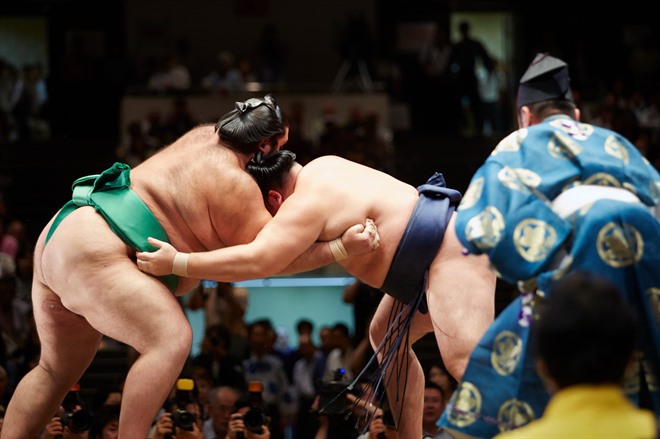
Spend the day at a live professional sumo tournament, watching bouts unfold across the divisions as wrestlers progress toward the top ranks. The day includes ceremonial entrances, formal rituals and the final bow-twirling ceremony, offering a clear view of sumo as both sport and tradition. This experience brings together the historical and cultural context introduced earlier in the trip. Dinner at a local restaurant. (B,D)
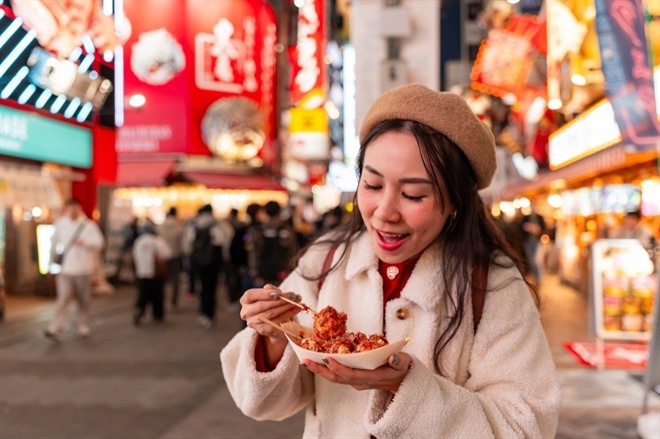
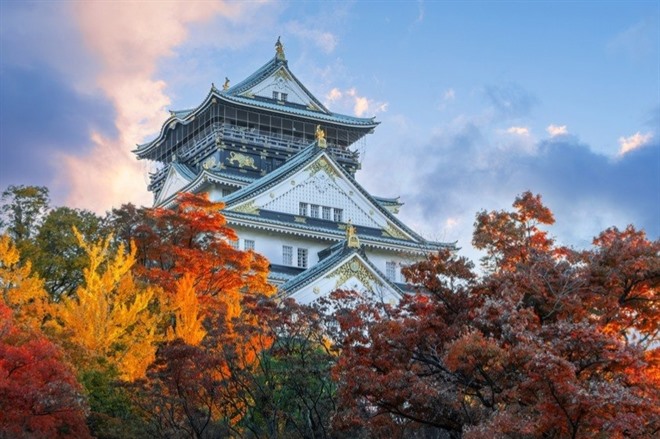
Travel by bullet train to Osaka, with luggage transferred ahead. A guided afternoon introduces the city’s role as a commercial and culinary centre. Visit Osaka Castle, linked to the unification of Japan, then explore Kuromon Market, known for everyday food culture rather than formality. Walk along Doguyasuji, a specialist street for kitchenware, and finish in Dotonbori, where Osaka’s reputation for good food and bright street life is on full display. Overnight in Osaka. (B)
A free day to explore Osaka independently. The city’s straightforward, food-focused culture offers a relaxed contrast to Kyoto and Tokyo. Optional arrangements can be made if you wish to explore further afield or add guided experiences. (B)
Pricing Information
Price Includes
- Return international indirect flights from the UK
- All airport taxes and security charges
- Accommodation and meals as specified
- Transfers as specified
- English-speaking assistant on arrival
- Activities and excursions as specified
- All entrance fees for sightseeing tours as specified
- Bullet train ride - 2nd class reserved
- Luggage handling between cities (1 piece per person)
- IC card and pre-charged with JPY3,000 per person for public transport use
- Sumo match (seat A)
Price Excludes
- Travel insurance
- Any meals not specified in the itinerary
- Tips and gratuities
- Optional excursions
- Drinks
- IC card top up
Price Includes
Price Excludes
Price Notes
- Japan's pricing can vary significantly due to festivals, domestic holidays, and weekends. For precise pricing over specific dates, please consult with one of our Travel Specialists.
- Reservations made during weekends, peak seasons, and Japanese public holidays may be subject to additional charges.
- This is a suggested itinerary that can be customised to suit your preferences. We can remove certain excursions or add other destinations as needed. This provides an overview of what you can experience in the area, but it is by no means exhaustive. Please reach out to one of our travel specialists who can assist you in creating your ideal holiday.
| Itinerary Dates | From Price | Single Room Supp. | |
|---|---|---|---|
|
30 Oct 2026
-
12 Nov 2026
|
£5440 | £1990 | |
|
01 Nov 2026
-
14 Nov 2026
|
£5440 | £1990 | |
|
03 Nov 2026
-
16 Nov 2026
|
£5440 | £1990 | |
|
05 Nov 2026
-
18 Nov 2026
|
£5440 | £1990 | |
|
07 Nov 2026
-
20 Nov 2026
|
£5440 | £1990 | |
|
11 Nov 2026
-
24 Nov 2026
|
£5440 | £1990 |
Tour Route Map
- Japan, Tokyo
- Japan, Kyoto
- Japan, Hiroshima
- Japan, Fukuoka
- Japan, Osaka
Tour Accommodation
Image Gallery