Best Time For Whale Watching in the Azores
Best Time For Whale Watching in the Azores
Set in the middle of the Atlantic, the Azores are one of the world’s most remarkable destinations for whale watching.
These nine volcanic islands sit along major migratory routes, meaning that throughout the year, a wide variety of species, from enormous blue whales to resident sperm whales and playful pods of dolphins, pass through their waters.
What makes whale watching in the Azores particularly special is not just the diversity of marine life, but how closely it is tied to the seasons. Different species arrive at different times of year, and choosing when and where to go can shape an entirely different experience.
From spring encounters with the ocean’s largest animals to the consistent sightings of summer, timing is everything.
Start planning your Azores holiday
(3).jpg)
"In the Azores, you have many ways to see whales and dolphins breaching the surface. From deep-channel trips off Pico and Faial to shorter excursions from São Miguel or Terceira, you can choose depending on the season and sea conditions.
In spring, you’re likely to spot giants like blue, fin, and sei whales, while summer offers reliable encounters with sperm whales and playful dolphins. These experiences can easily be arranged alongside your island itinerary."
Debbie Grainger
Senior Travel Specialist
Spring (March - May)
Best for blue, fin, sei whales
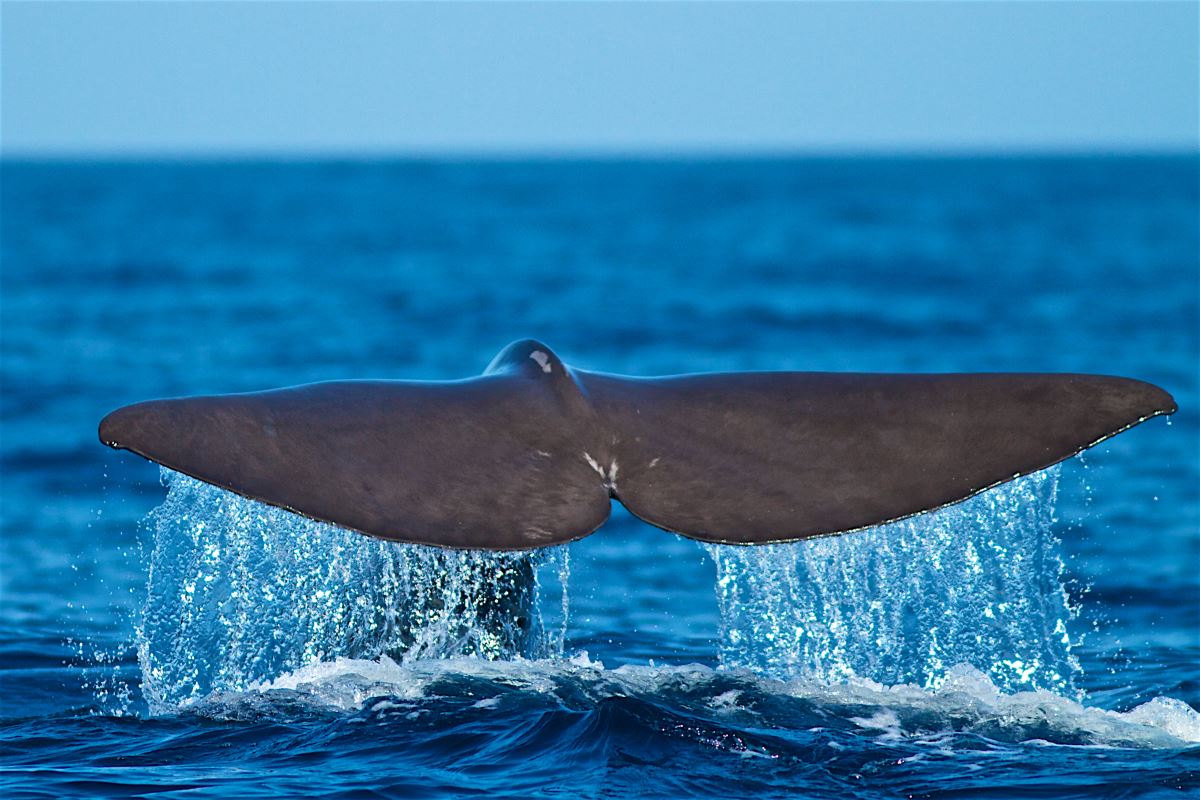 Breaching whale fin in the Azores
Spring is widely considered the most spectacular time for whale watching in the Azores.
As the waters warm, migratory giants such as blue, fin and sei whales pass through the archipelago, creating a relatively short but unmissable window for sightings. Occasional sperm whales and playful dolphins are also present, but this season is all about the sheer scale and drama of the ocean’s largest creatures.
Trips in the morning tend to offer calmer seas and clearer visibility, giving you the best chance to encounter these leviathans as they traverse the deep Atlantic channels.
Pico Island
 Whale spotted near Pico Island
Pico Island is the ultimate base for spring whale watching. Departures from the traditional whaling village of Lajes do Pico provide direct access to deep ocean channels where migratory whales pass through, giving you the strongest chance of spotting blue, fin and sei whales.
Beyond the sightings themselves, Pico has a long history of whale research, most notably at Espaço Talassa, where each trip combines observation with insights into conservation and species behaviour.
Faial Island
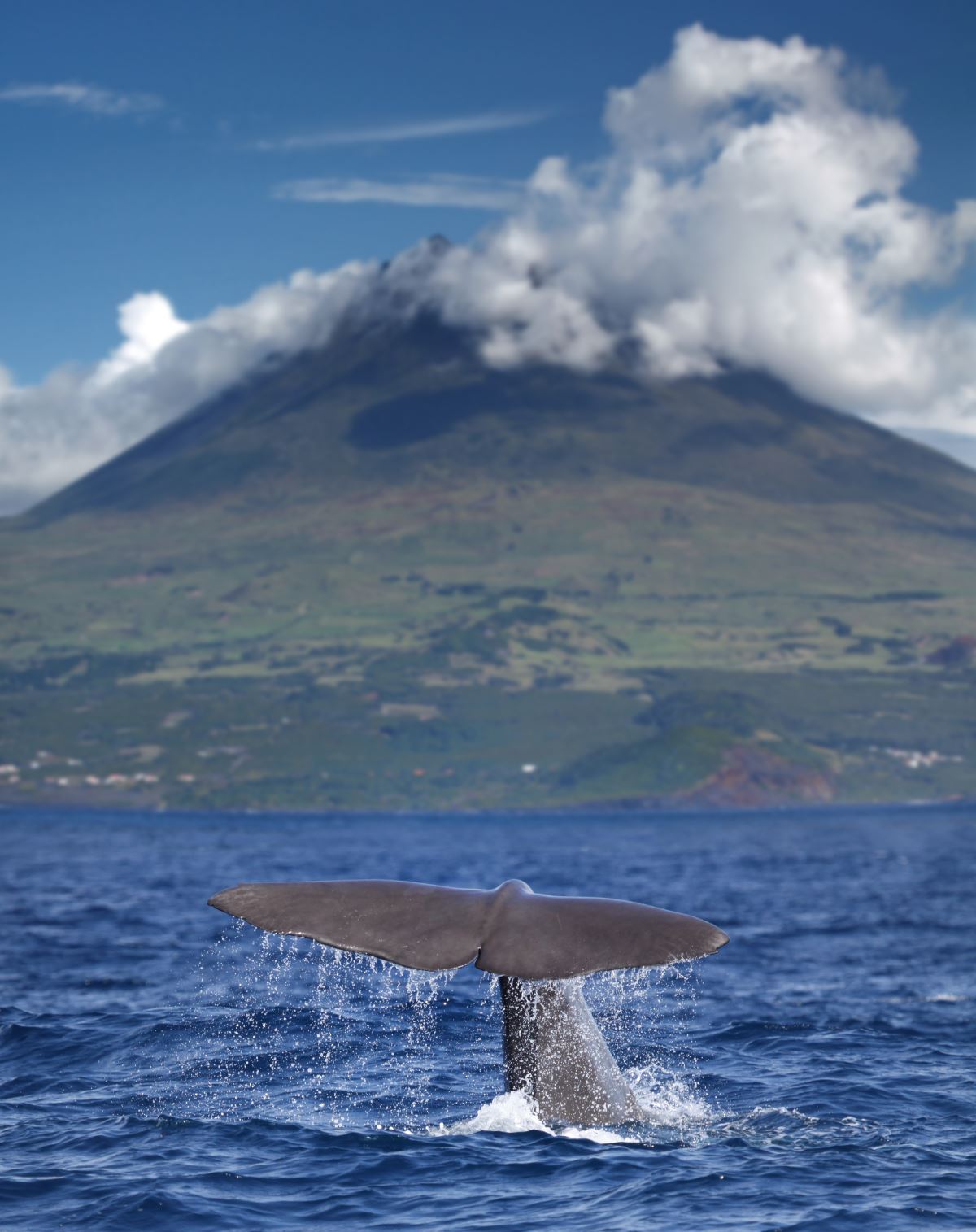 Whale fin near Faial Island
Just across the channel from Pico, Faial provides an excellent secondary base during the spring migration. Often paired with Pico for multi-island itineraries, Faial offers additional flexibility when weather conditions vary, and its position along the migratory route makes it particularly effective for spotting passing whales. Though smaller than Pico, its proximity to deep waters ensures sightings remain highly rewarding.
Summer (June - September)
Best for sperm whales and dolphins - the month with the most consistent sightings
 Sperm whale spotted off the coast of the Azores
Summer in the Azores is the most dependable season for whale watching.
While the migratory giants of spring have largely moved on, the archipelago’s resident species come into focus, particularly sperm whales and several types of dolphins. Seas are generally calmer, visibility is excellent, and trips often allow for longer, more relaxed encounters with these animals.
Morning departures are still preferred, though in summer late-afternoon trips can also be rewarding. Summer is ideal for travellers who want consistent sightings combined with comfortable conditions on the water.
São Miguel
.jpg) Whale spotted near São Miguel
Whale spotted near São Miguel
São Miguel is the most accessible island for whale watching in summer, making it an ideal choice if you're a first-time visitor.
Departures from Ponta Delgada allow for easy half-day or full-day trips, and the island’s central location gives access to a wide range of marine life. In addition to whale watching, some excursions include swimming near a volcanic islet, offering a unique way to experience the Azorean coastline alongside these magnificent animals.
Plan this holiday
Pico Island
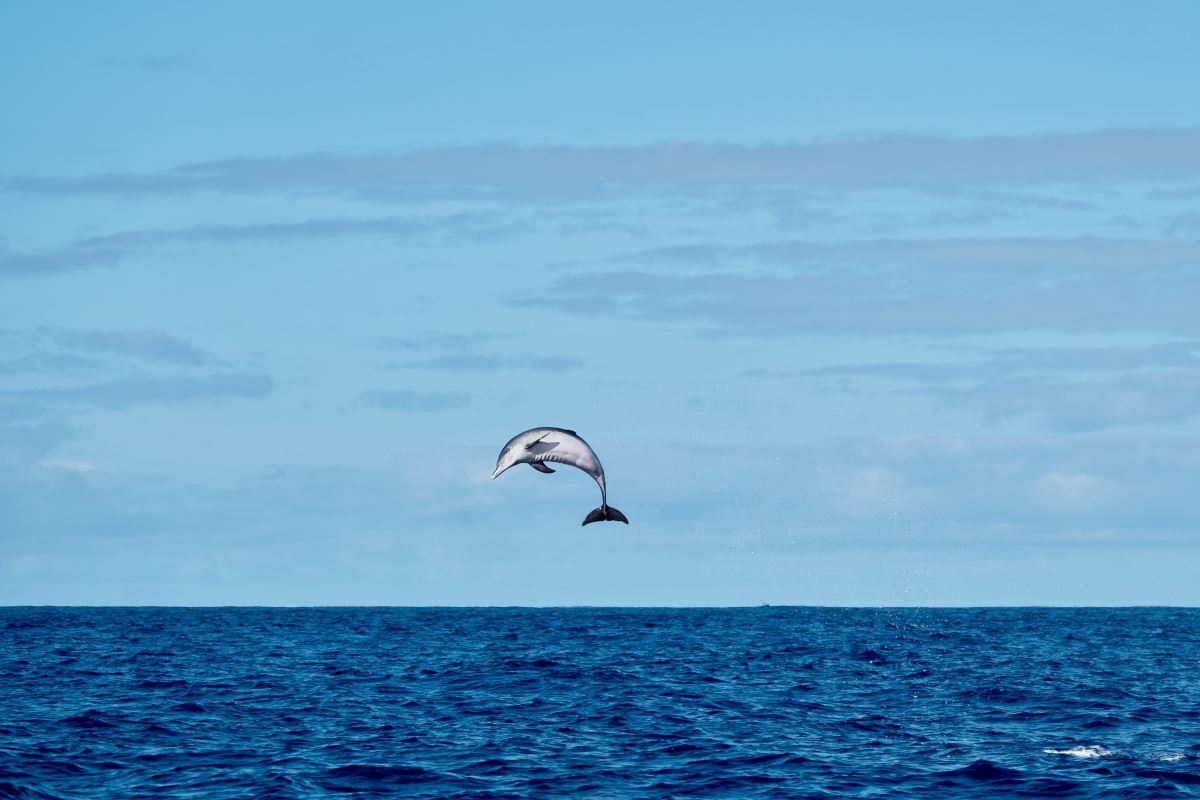 Dolphin breaching the surface
Pico remains a top choice in summer, with its central position and access to deep ocean channels providing some of the richest waters in the archipelago. Sperm whales are seen year-round, and dolphins often accompany the boats, creating lively, memorable encounters. Pico’s long-standing whale watching heritage adds an extra layer of expertise and insight if you're seeking a more in-depth experience.
Terceira
.jpg) Dolphins in Terceira
Dolphins in Terceira
Terceira provides a reliable alternative for summer whale watchers, with consistent sightings of sperm whales and dolphins. It is less crowded than Pico or São Miguel, offering a quieter, more relaxed experience.
The island’s position in the central group allows for easy crossings to productive whale-watching waters while maintaining strong local knowledge of resident populations.
Autumn (October - November)
Best for fewer crowds and reliable sightings of sperm and humpback whales
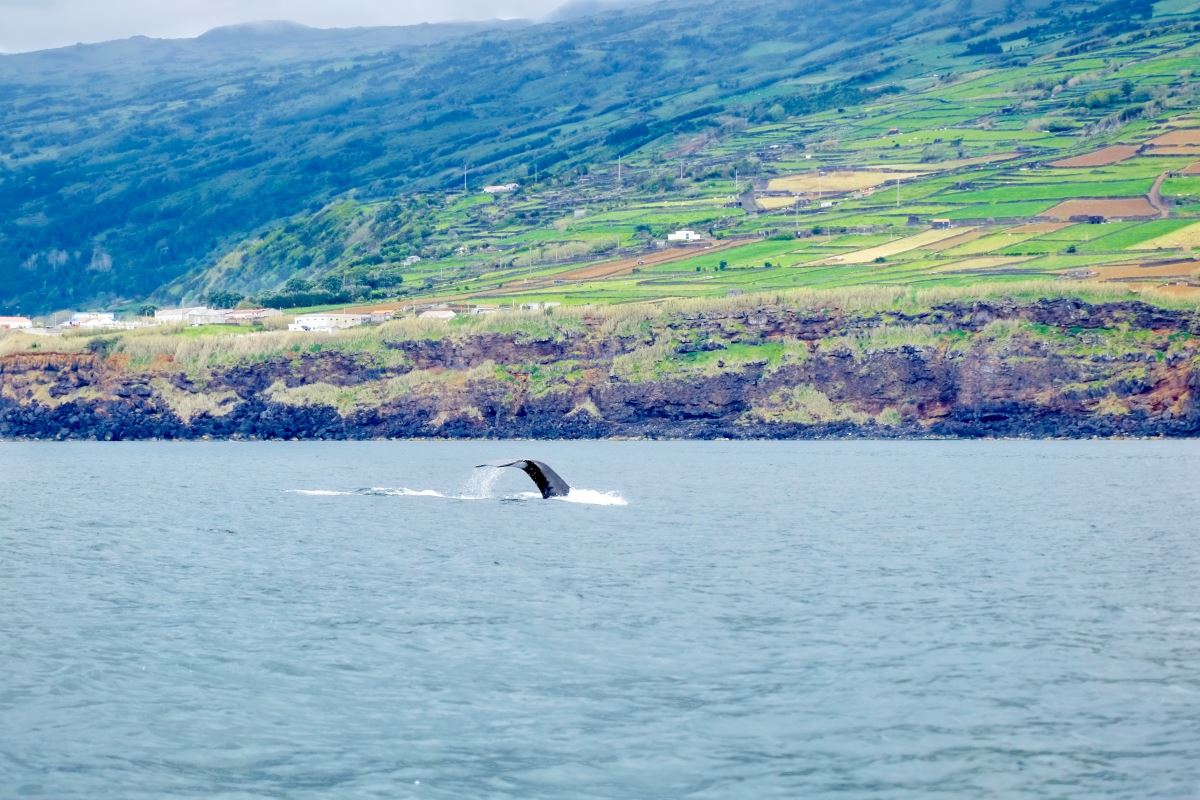 Humpback whale in the Azores
Autumn is a more peaceful season for whale watching in the Azores.
While the big migratory whales have largely moved on, sperm whales, several species of dolphins, and occasional humpback whales can still be seen, offering reliable sightings with fewer crowds.
Sea conditions are generally good, and the quieter atmosphere allows for a more relaxed, immersive experience on the water. Autumn is ideal for travellers looking for consistent encounters without the busier summer crowds.
Pico Island
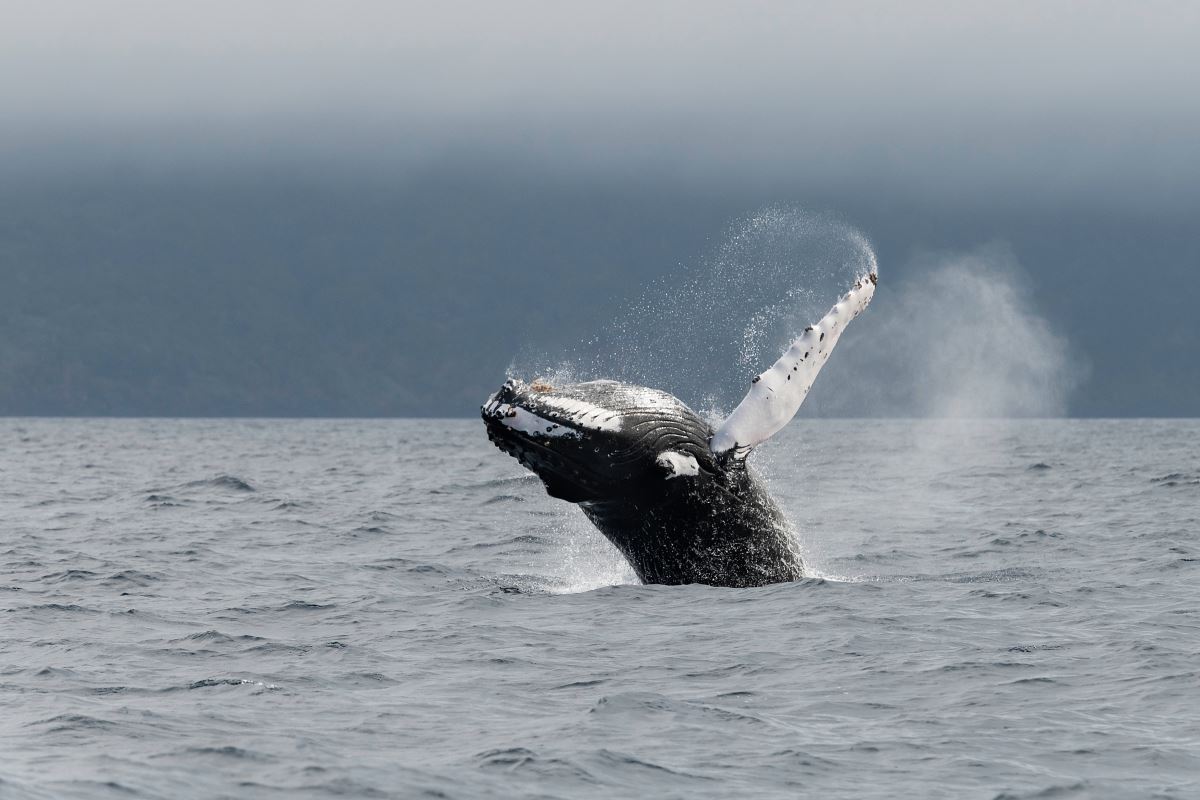 Humpback whale in the Azores
Pico continues to be the standout destination for autumn whale watching. Its position in the central island group provides excellent access to deep channels where sperm whales and dolphins are regularly sighted. Lajes do Pico remains the main departure point, and you can benefit from local guides with decades of experience tracking these resident populations.
Faial Island
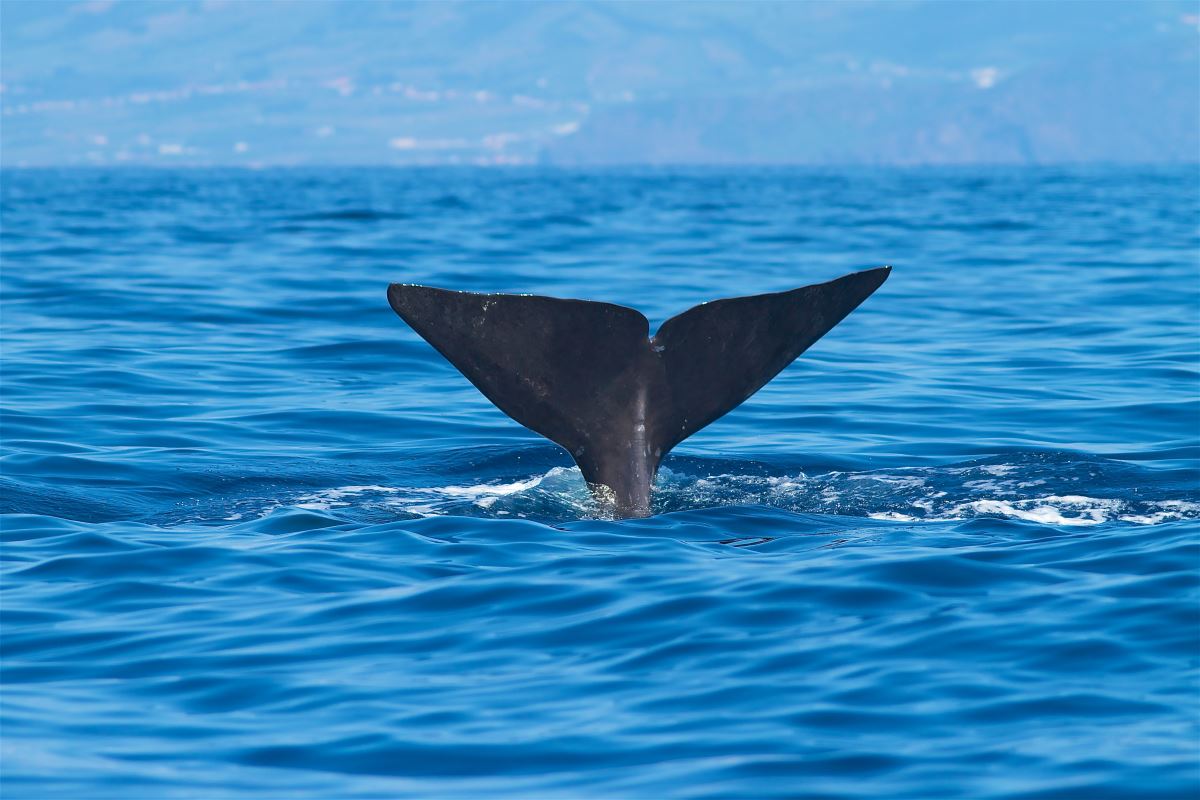 Whale fin spotted in Faial Island
Just across the channel from Pico, Faial remains a strong supporting option in autumn. Its location allows for effective crossings between islands depending on sea conditions, and the waters around Horta continue to provide good opportunities to see both sperm whales and dolphins. Combining a stay on Faial with Pico can give travellers extra flexibility and variety during the season.
Winter (December - February)
Best for sperm whales and dolphins
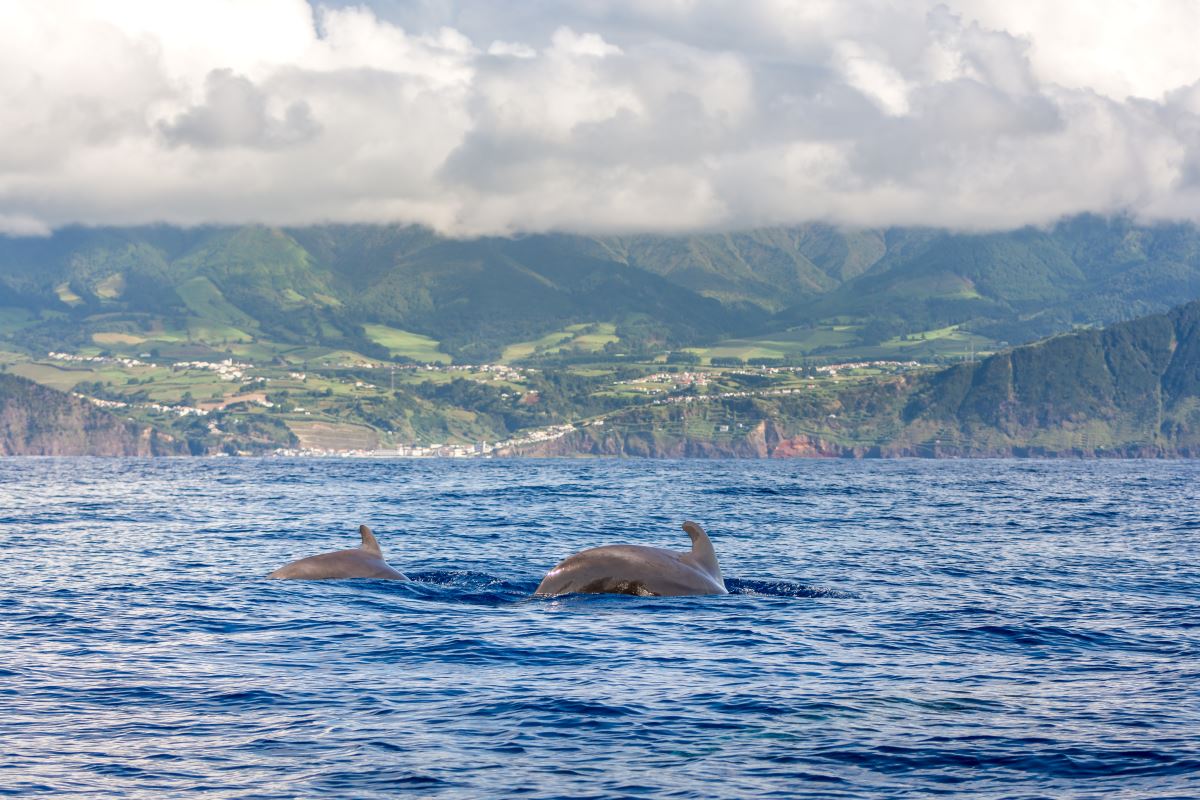 Dolphins spotted in winter months
Winter in the Azores is the quietest season for whale watching. While conditions can be unpredictable and trips may be limited, sperm whales remain in the archipelago’s waters, offering the possibility of sightings for those willing to brave the cooler months. Dolphins are still occasionally present, but overall this is a more weather-dependent season, and not all operators run regular trips.
São Miguel
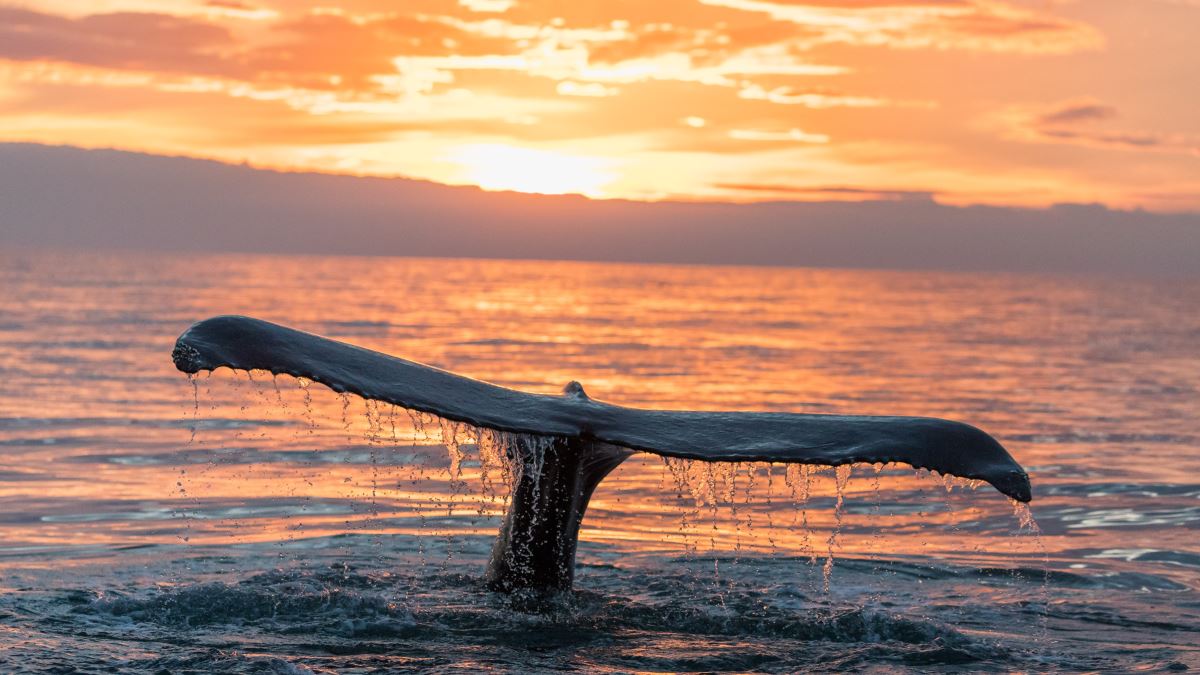 Whale spotted in the Azores
São Miguel is the most reliable island for winter whale watching, as departures from Ponta Delgada are easier to arrange even in less predictable conditions. Trips here are best suited for those who are flexible and prepared for potential cancellations due to rough seas.
Pico Island
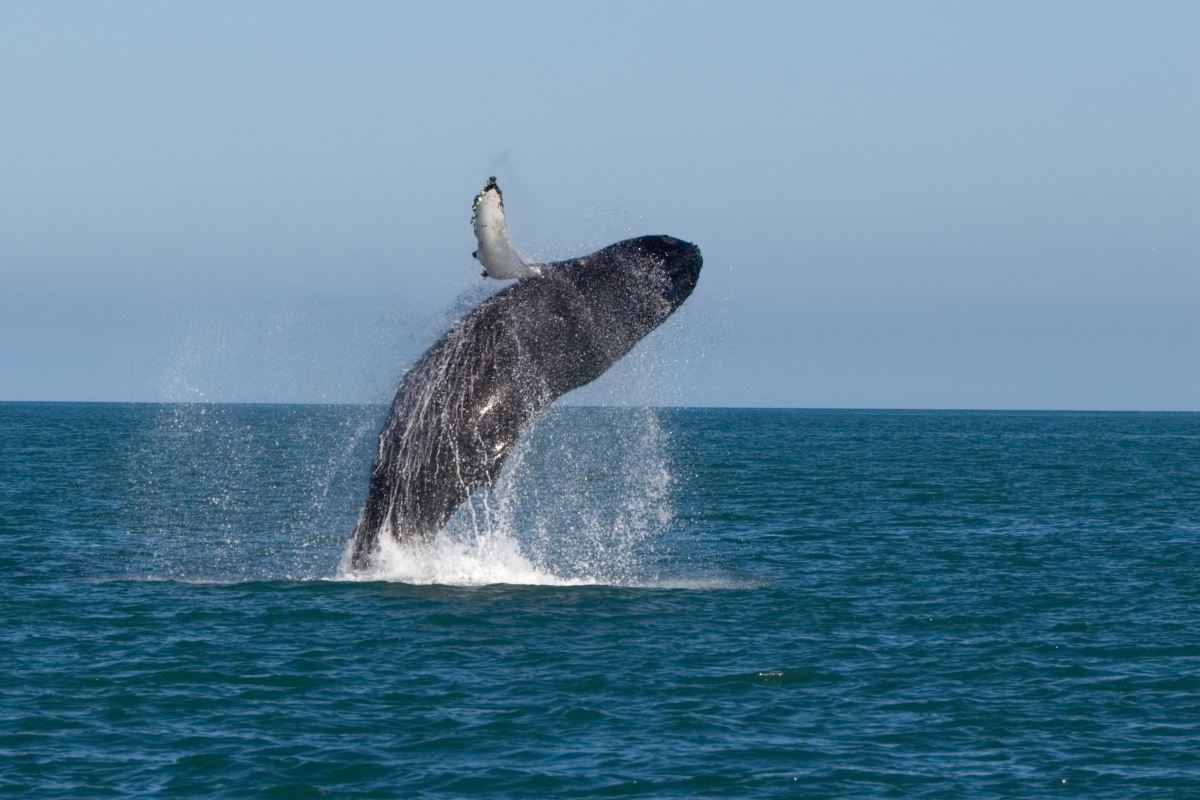 Humpback whale spotted off the coast of Pico Island
Pico remains a possibility, particularly from Lajes do Pico, but winter conditions can limit departures. Experienced operators with local knowledge can still offer sightings, making it a viable option for adventurous travellers seeking a quieter experience.
Inspired to experience whale watching in the Azores for yourself?
Our Travel Specialists can help you plan the perfect trip, from choosing the right island to timing your visit for the best possible sightings. Contact us today to start planning!