Exploring Saudi Arabia: Top 10 Things to Do in Riyadh, AlUla & Jeddah
Exploring Saudi Arabia: Top 10 Things to Do in Riyadh, AlUla & Jeddah
Saudi Arabia is one of the most compelling emerging destinations in the Middle East, where you can experience vast desert landscapes, remarkable heritage sites and a wealth of experiences that many travellers are only just beginning to explore.
Once less considered than its regional neighbours, Saudi Arabia is now steadily rising in profile. From the historic districts of Riyadh to the rock-cut tombs of AlUla and the coastal heritage of Jeddah, the country offers a wealth of experiences that feel authentic, diverse and exciting for international travellers.
Our Product and Travel Specialist, Susanne, has been sending clients on her meticulously crafted Saudi Arabia tours for many years. Through careful curation and trusted local partnerships, she has selected experiences that highlight this transformation, showcasing UNESCO-listed sites, immersive encounters, desert adventures and contemporary cultural highlights.
Now, she's excited to share the most compelling experiences across Riyadh, AlUla and Jeddah, offering an insider’s introduction to this fast-emerging destination.
%20(2).jpg)
"What makes Saudi Arabia so compelling is the sheer variety within each region, from ancient UNESCO sites and atmospheric old towns to dramatic desert landscapes and contemporary cultural spaces. It’s a destination that continues to evolve, and one that rewards travellers who are curious and open to discovery."
Susanne Muskita
Product & Travel Specialist
Riyadh
Now the modern capital of Saudi Arabia, Riyadh has long stood at the crossroads of important trading routes. It was the centre of the First and Second Saudi States, with Diriyah serving as the original capital before Riyadh became the Kingdom’s capital in 1932.
Today, the city fuses this deep historical significance with striking contemporary development, from the restored Masmak Fortress, a key landmark in the country’s unification, to its skyline of architectural icons such as the Kingdom Centre and Al Faisaliah Tower, both offering panoramic views across the city.
1. At-Turaif in Diriyah (UNESCO World Heritage Site)
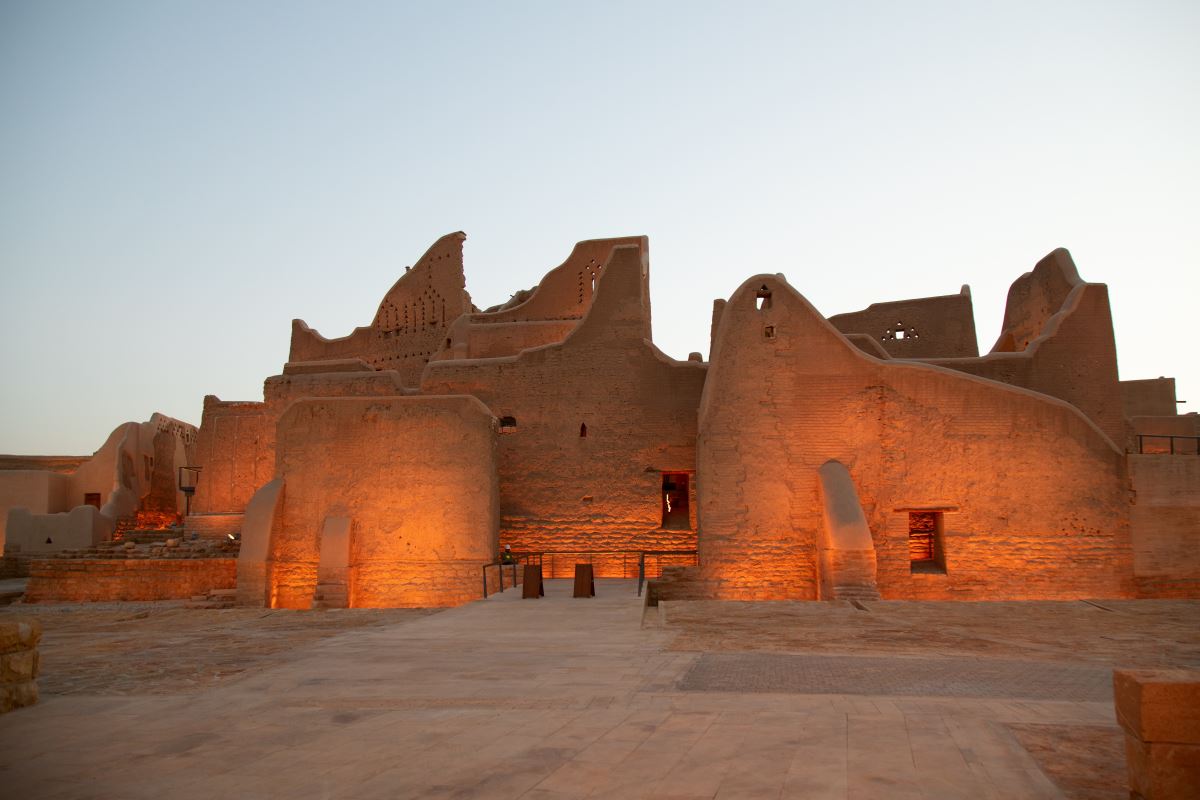 At-Turaif at sunset
"Birthplace of the first Saudi state, At-Turaif in Diriyah, is one of the Kingdom’s most important historical sites and a cornerstone of Riyadh’s heritage. Once the heart of the First Saudi State between 1744 and 1818, this UNESCO World Heritage Site has been meticulously restored, allowing you to explore its mud-brick architecture and understand the origins of modern Saudi Arabia.
As you wander through the site, you’ll discover how these traditional homes were constructed, how their design helped keep interiors cool during the intense summer heat, and how life functioned long before electricity and modern conveniences. The restoration brings the history to life, offering a fascinating insight into the cultural foundations of the country."
2. Masmak Fort and Traditional Souqs
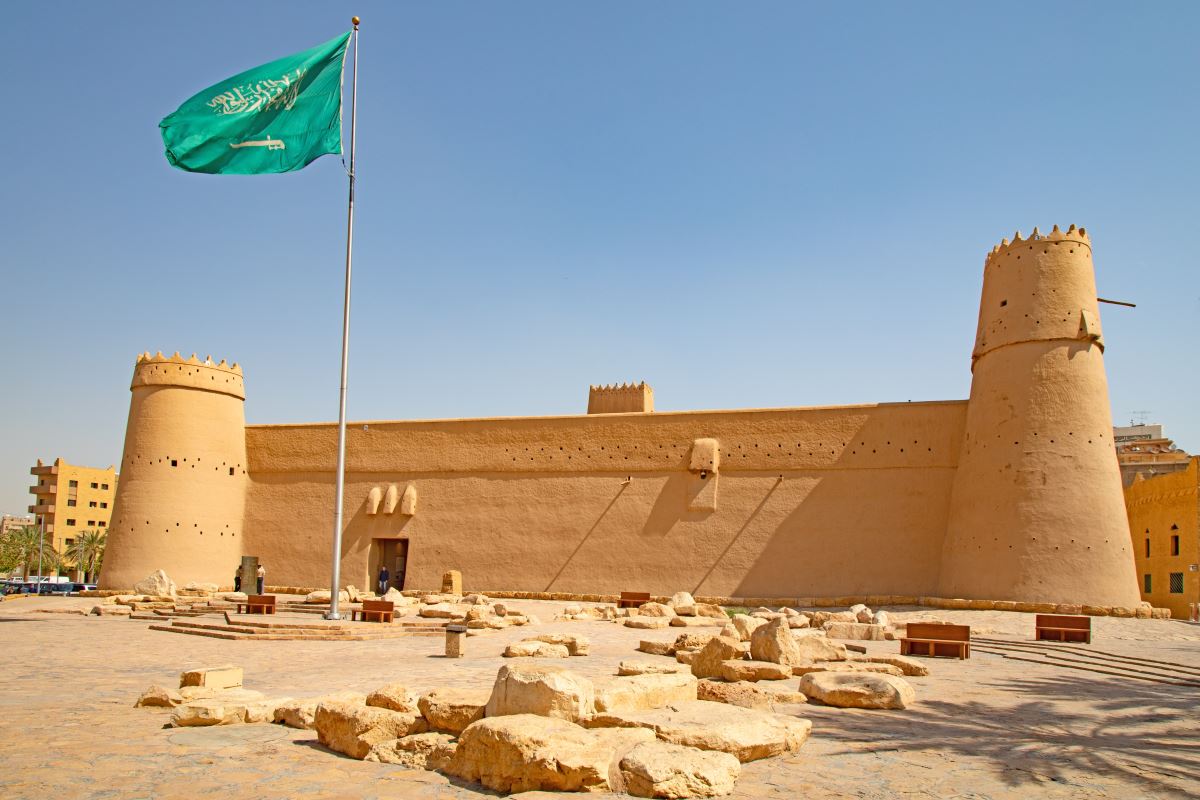 Masmak Fort
"Located in the heart of Riyadh, Masmak Fort is one of the city’s most significant historic landmarks and played an important role in the unification of Saudi Arabia. Now a museum, it offers insight into the country’s history and heritage, helping you better understand the foundations of the modern Kingdom.
From here, continue to the nearby traditional marketplaces, including Souq al-Zel and Souq Bisht. These vibrant souqs are filled with hand-made carpets, antiques, perfumes and locally crafted goods, offering an authentic glimpse into Riyadh’s trading culture. It’s also the ideal place to browse for traditional items such as an abaya, making this a memorable and culturally rich experience."
3. The Kingdom Centre Sky Bridge
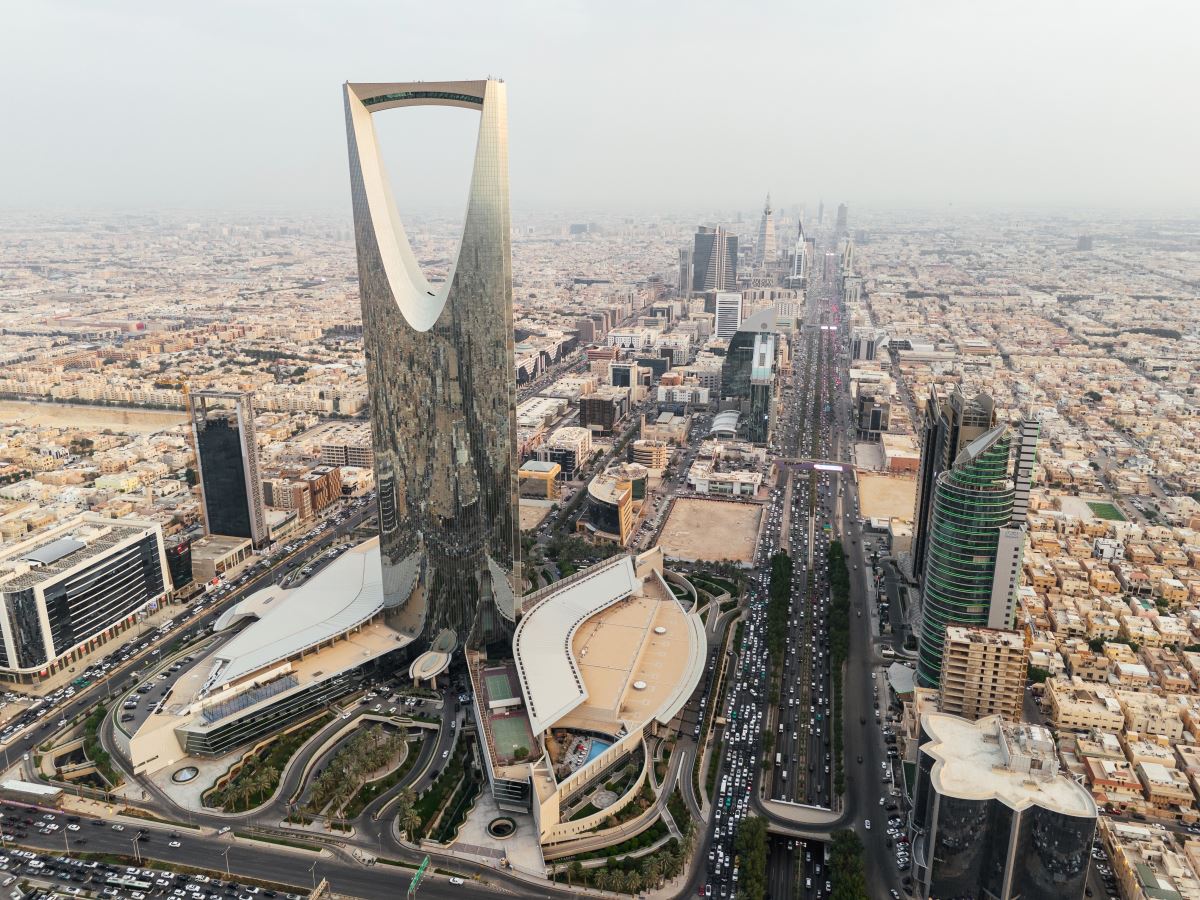 Kingdom Centre from above
"For a striking contrast to Riyadh’s historic districts, the Kingdom Centre offers a perspective firmly rooted in the city’s modern identity. Take the high-speed lift to the 99th floor and step onto the curved Sky Bridge, suspended 300 metres above the ground.
From this vantage point, panoramic views stretch across the capital, revealing Riyadh’s expanding skyline and glittering high-rise buildings. Visiting at sunset offers an especially memorable experience, as the light softens over the city and the vast urban landscape unfolds beneath you, acting as a powerful reminder of how rapidly the Kingdom has evolved."
AlUla
AlUla combines ancient heritage with dramatic desert landscapes. The modern town sits beside its historic mud-brick city, currently undergoing careful restoration, while the wider region is defined by extraordinary archaeological and natural sites.
Its main draw is Hegra, the Nabataean’s second city and a UNESCO World Heritage Site, where rock-cut tombs are scattered across vast desert terrain. Beyond the tombs, 4x4 journeys reveal striking sandstone formations and ancient rock art etched into the landscape.
4. AlUla’s Oasis Heritage Trail
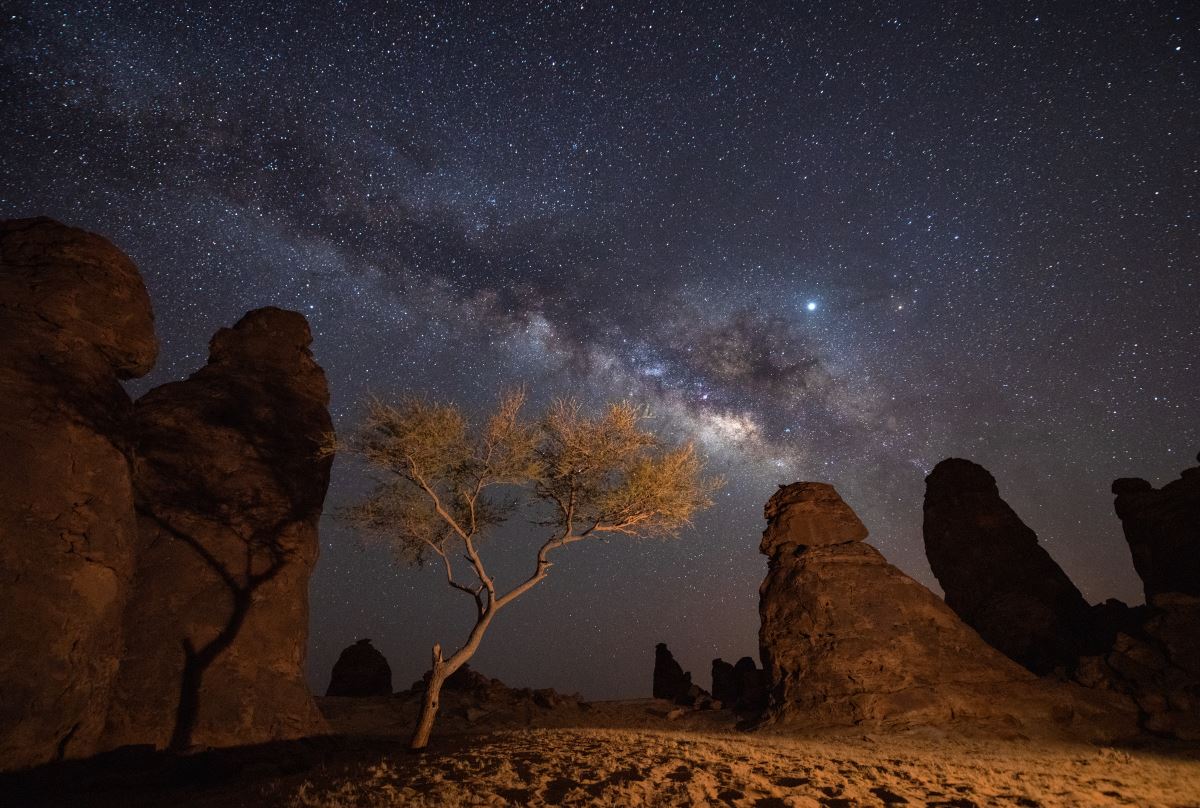 AlUla nature trail at night
"AlUla’s Oasis Heritage Trail offers a slower, immersive way to experience the region’s fertile heart. Walking through the Green Zone, you’ll follow shaded paths lined with palm trees and fragrant orange groves, where the scent of citrus lingers in the air and birds move through the canopy above.
The trail reveals how this desert oasis once sustained communities and travelling nomads, with historic irrigation systems channelling water through the landscape. It’s a scenic and atmospheric route that highlights the contrast between AlUla’s lush agricultural heritage and the surrounding arid terrain."
Plan this holiday
5. Hegra (Madāʾin Ṣāliḥ)
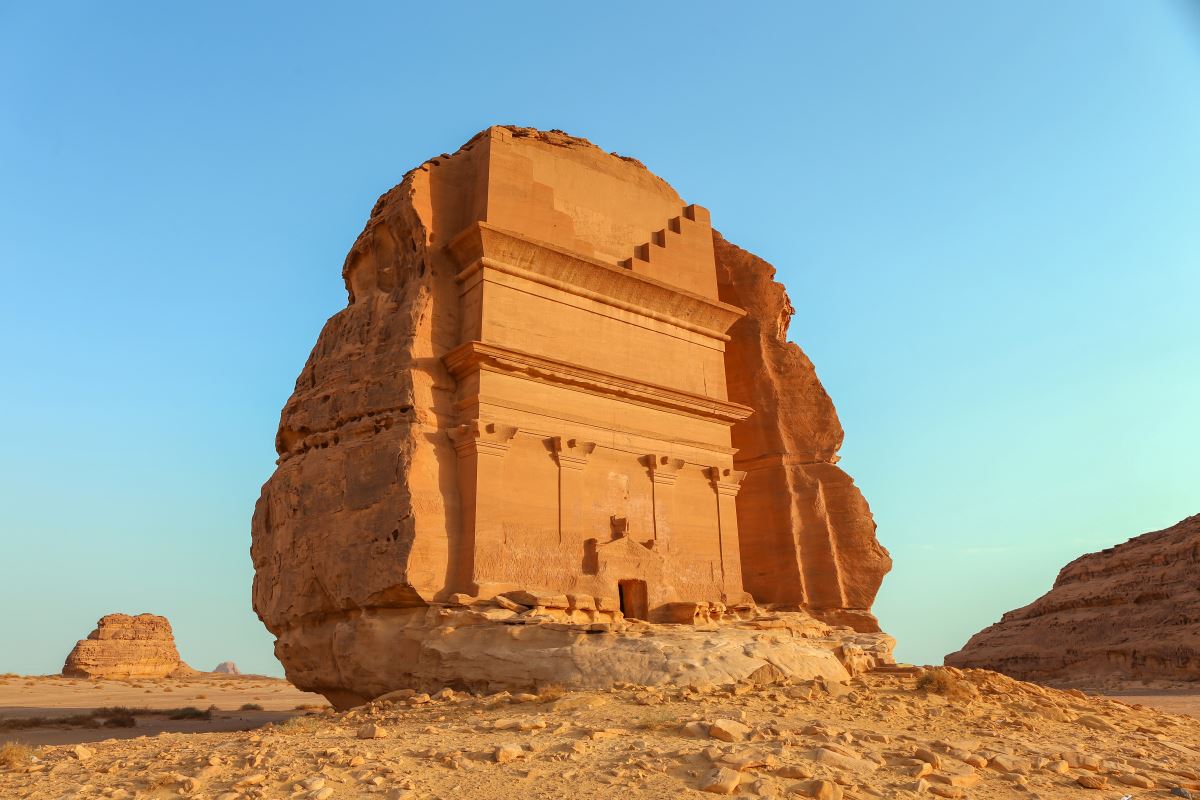 Hegra
Hegra
"Hegra is AlUla’s most significant archaeological site and a designated UNESCO World Heritage Site. Once the Nabataean’s second city after Petra, it stood on the ancient caravan route linking the Arabian Peninsula with the wider region. Today, it remains one of the best-preserved remnants of this once-flourishing civilisation.
Spread across a vast desert landscape, more than 90 monumental rock-cut tombs rise directly from sandstone outcrops, their façades carved with intricate detail and influenced by Mesopotamian, Egyptian and Greco-Roman design. Guided visits provide insight into the history of the Nabataeans, the purpose of the tombs, and the trading networks that once made Hegra a vital crossroads of cultures."
6. Elephant Rock
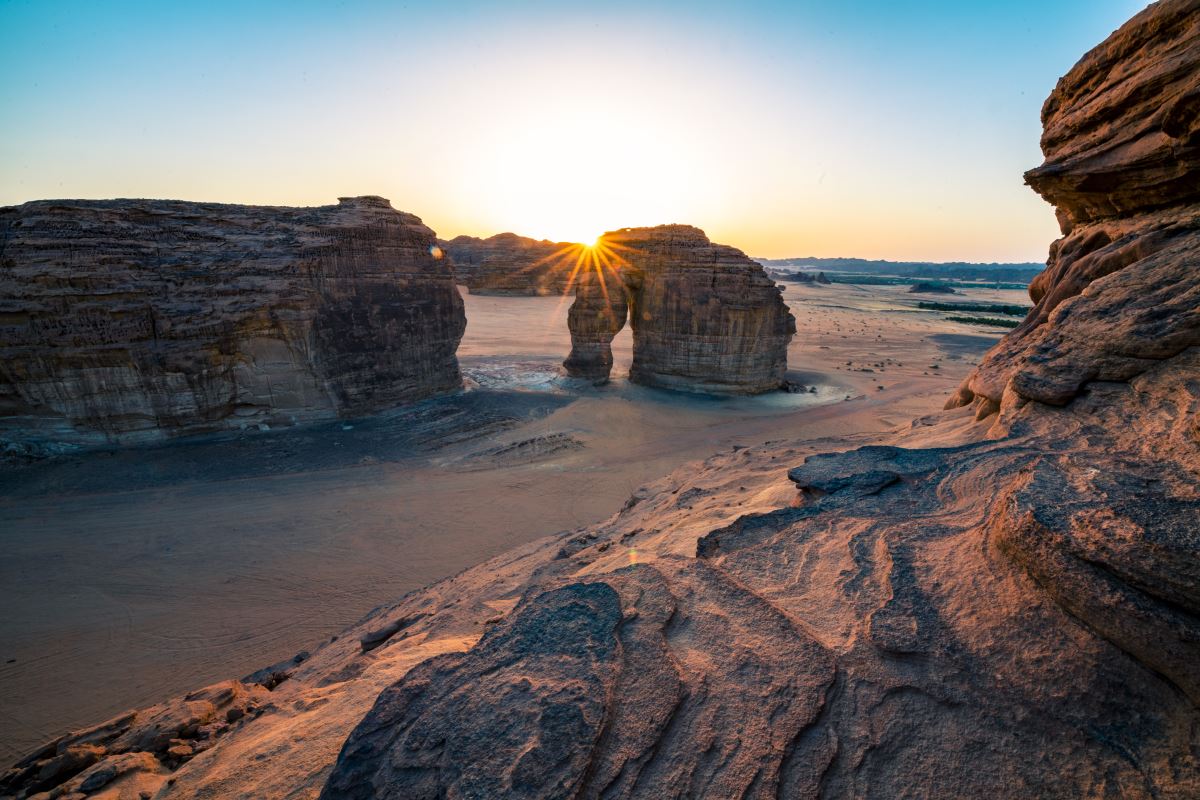 Elephant Rock
"One of AlUla’s most recognisable natural landmarks, Elephant Rock, known locally as Jabal AlFil, is a towering sandstone formation sculpted over millions of years by wind and water erosion. Rising dramatically from the desert floor, its distinctive elephant-like shape has become an icon of the region.
Visiting at sunset offers the most atmospheric perspective, as the fading light casts warm hues across the rock and surrounding sands. The changing colours and vast open landscape make this a memorable natural highlight and an ideal setting for golden hour photography."
7. Maraya
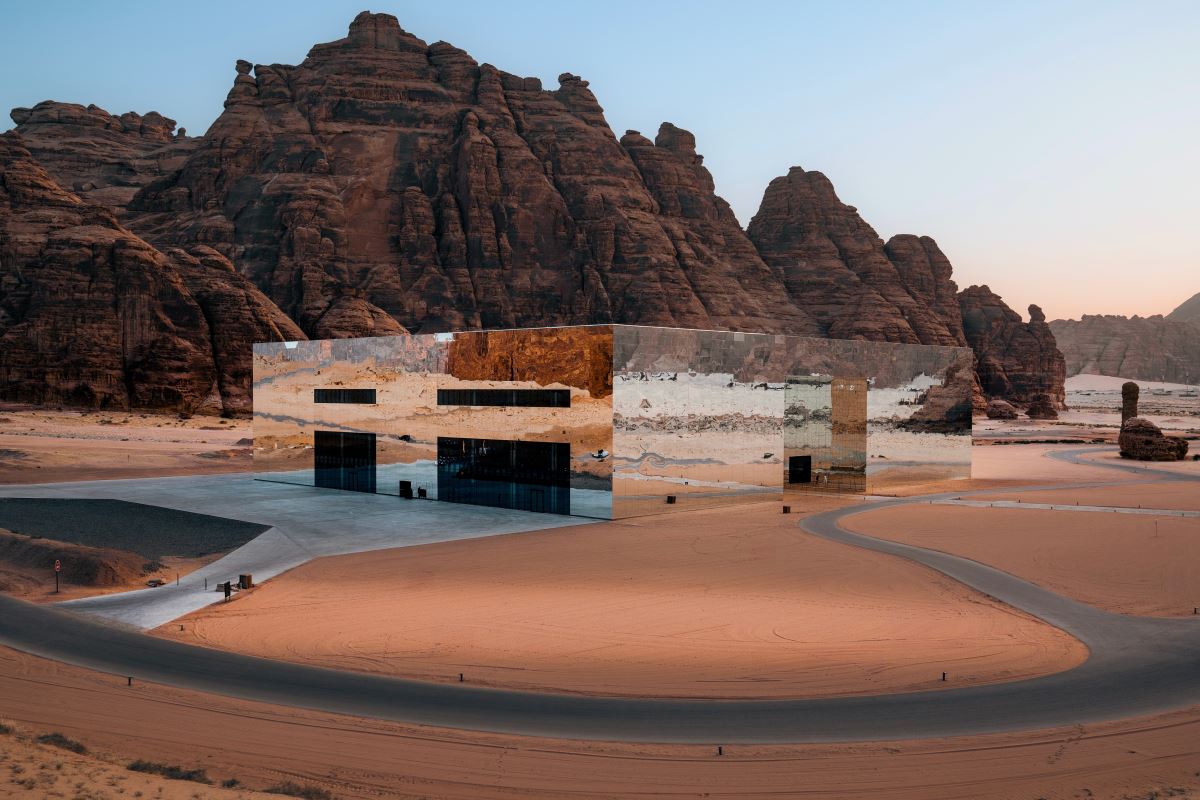 Maraya
"Located in the Ashar Valley, Maraya is one of AlUla’s most striking contemporary landmarks. Often referred to as the “mirror of the desert,” the building’s mirrored exterior reflects the surrounding sandstone cliffs and dramatic landscape, creating a powerful visual connection between modern design and natural environment.
As a multi-purpose arts and cultural venue, Maraya hosts exhibitions, performances and events that contribute to AlUla’s growing cultural scene. Its reflective façade transforms the building into part of the landscape itself, making it both an architectural highlight and a symbol of the region’s evolving identity."
Jeddah
Jeddah is the Kingdom’s historic gateway to Mecca and Medina, with its port established in 646 and still serving as the main entry point for pilgrims travelling for the Hajj. The city’s heritage is centred on Al Balad, where coral stone buildings, traditional souks and winding alleys reflect its long trading history.
Along the Red Sea, the 30-kilometre Corniche offers a modern contrast, lined with public art, the Jeddah Sculpture Museum and the iconic Floating Mosque, making it a vibrant coastal destination.
8. Al Balad (Jeddah Old Town)
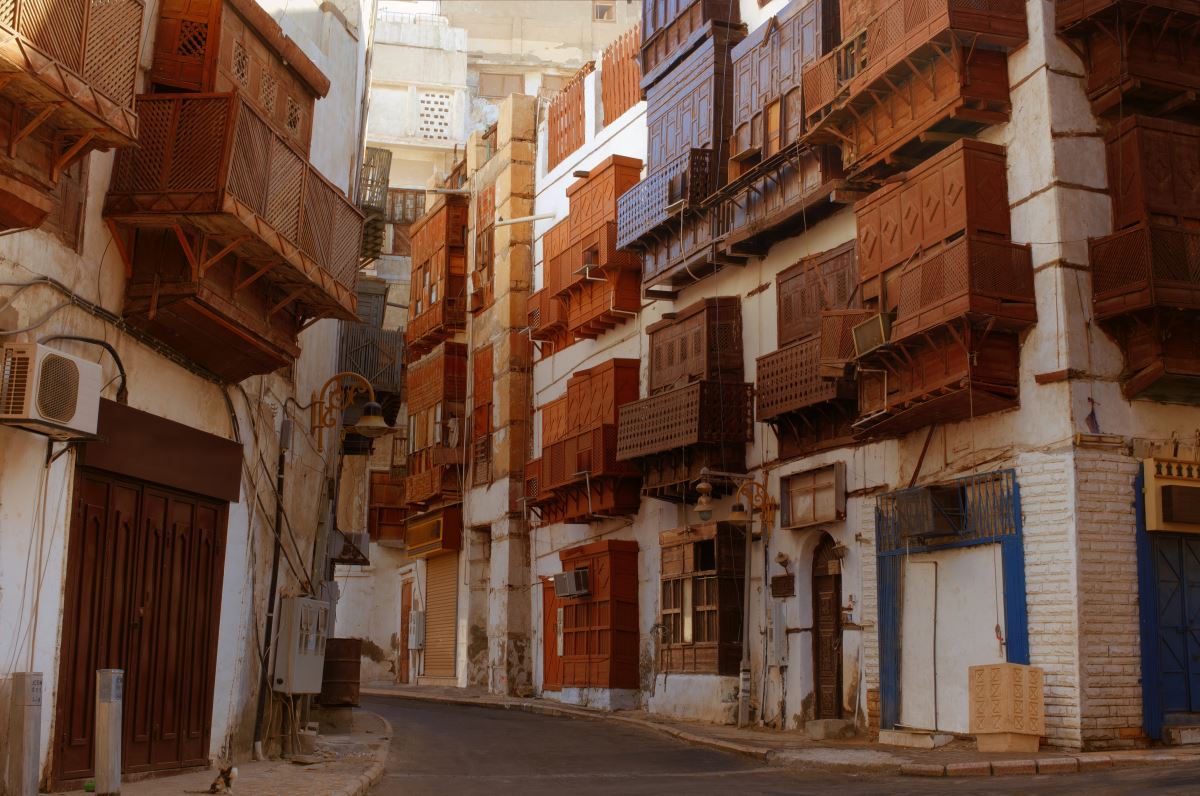 Al Balad
"Al Balad, Jeddah’s historic old town and a UNESCO World Heritage Site, offers a fascinating insight into the city’s trading past. Founded in the seventh century, this atmospheric district is characterised by its narrow alleys and traditional buildings constructed from coral stone, reflecting centuries of coastal craftsmanship.
The area is especially known for its distinctive roshan, intricately designed wooden window screens that provide shade and ventilation in the humid climate. As you wander through the streets, you’ll discover historic merchant houses, traditional souks and places of worship, all set within one of Saudi Arabia’s most important heritage districts."
9. Jeddah's Corniche and Red Sea waterfront
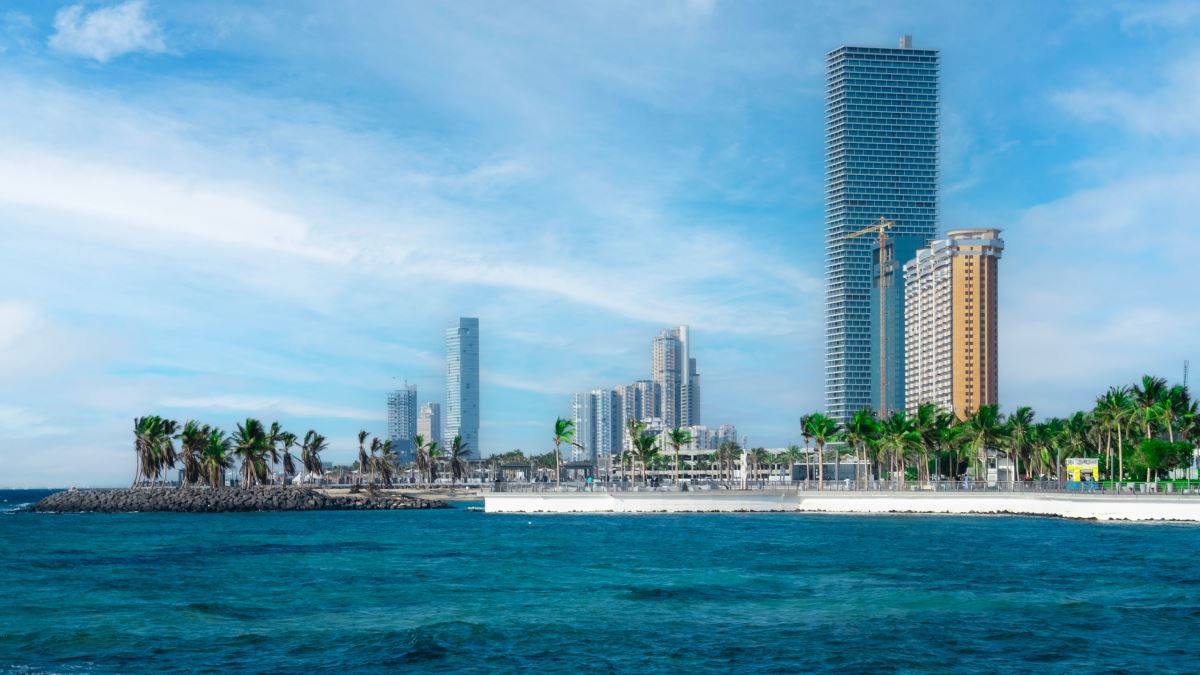 Jeddah’s Corniche
"Stretching for 30 kilometres along the Red Sea, Jeddah’s Corniche is a popular gathering place for locals, particularly in the late afternoon and evening when the temperatures cool and the waterfront comes to life. The promenade offers open sea views, landscaped walkways and a relaxed coastal atmosphere.
Along the route, you’ll find a number of public art installations, including works displayed at the Jeddah Sculpture Museum, reflecting the city’s growing contemporary art scene. It’s a vibrant stretch of coastline that combines leisure, culture and striking sea views in one of Jeddah’s most enjoyable public spaces."
10. Al Rahmah Mosque (The Floating Mosque)
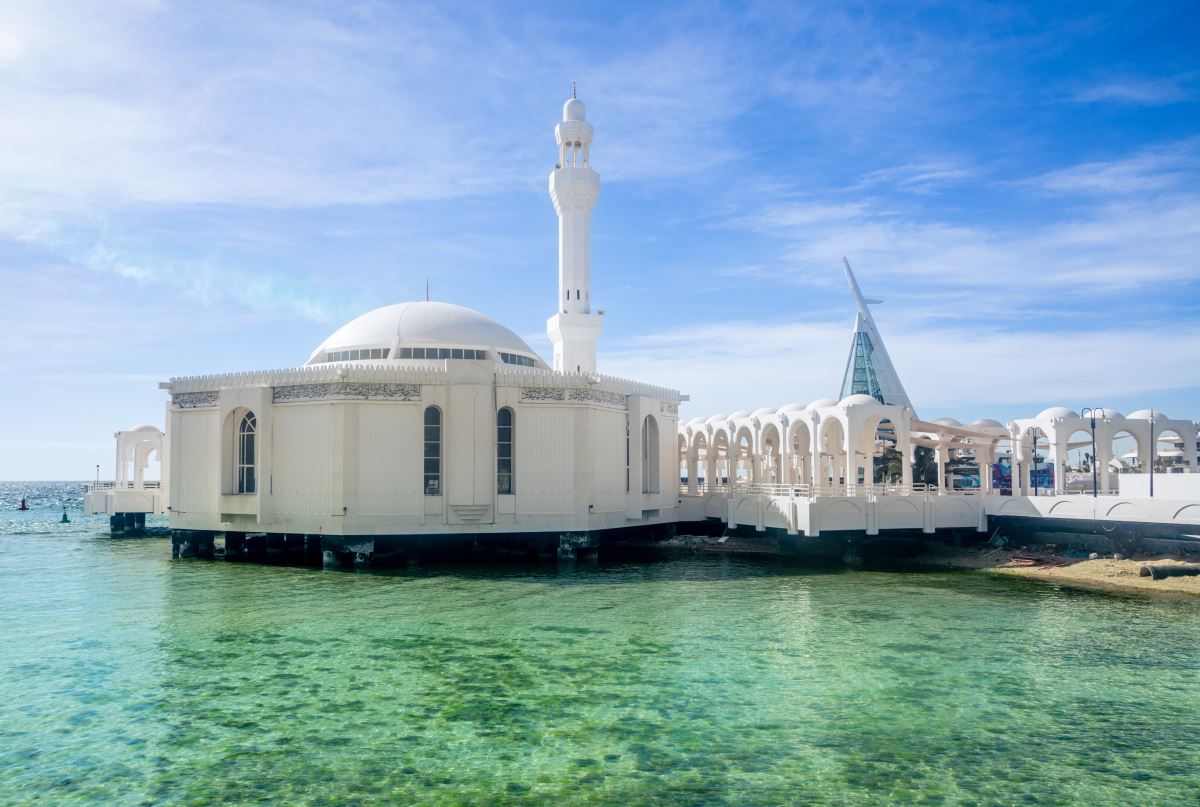 Al Rahmah Mosque
"Located along Jeddah’s Red Sea coastline, Al Rahmah Mosque is one of the city’s most distinctive landmarks. Completed in 1985, it is commonly known as the Floating Mosque due to its unique position over the water, with its foundations anchored beneath the sea. When viewed from the Corniche, the mosque appears to rest directly on the surface, creating a striking visual effect against the backdrop of the Red Sea.
Its coastal setting makes it a memorable stop during a walk along the waterfront, offering both architectural interest and scenic sea views."
Inspired to explore Saudi Arabia’s most compelling highlights?
Whether you’re drawn to UNESCO World Heritage Sites, desert adventures or contemporary cultural spaces, our specialists can help design your perfect itinerary. Begin planning your journey and uncover the Kingdom’s remarkable diversity.