Finland Lakes to Visit Year-Round in Finnish Lakeland
Finland Lakes to Visit Year-Round in Finnish Lakeland
When you think of Europe’s lakes, Italy’s world-famous Lake Garda or the well-trodden banks of Lake Como might come to mind. But did you know that Finland is home to Europe’s largest lake district? Rightly named the “Land of A Thousand Lakes”, Finnish Lakeland is an untouched haven of forests and nearly 200,000 freshwater lakes, far removed from the usual tourist trails.
Here, water and wilderness shape the way of life. Vast pine forests stretch to the shoreline, mirror-like lakes reflect the endless northern sky, and small islands emerge from the water. It's a landscape designed for slowing down, for mornings spent paddling across glassy bays, afternoons wandering forest trails, and evenings unwinding in the gentle warmth of a lakeside sauna.
From tranquil waters and wildlife encounters to cultural traditions that have endured for centuries, Finland's lakes beckon travellers to experience Finland at its most authentic and to uncover the hidden stories each lake has to tell.
Must-visit regions of Finnish Lakeland
.jpg) Road between the forest and blue lake in Finland
Road between the forest and blue lake in Finland
From the calm waters of Saimaa to the rugged hills of North Karelia, Finnish Lakeland is a region of remarkable diversity. Each area offers its own blend of lakes, forests, and cultural treasures, along with seasonal experiences that make every visit unique. Here, we highlight the regions and lakes you won’t want to miss.
.jpg)
Daniele Boni
Travel Specialist & Product Manager
North Karelia
Best time to visit: all year round
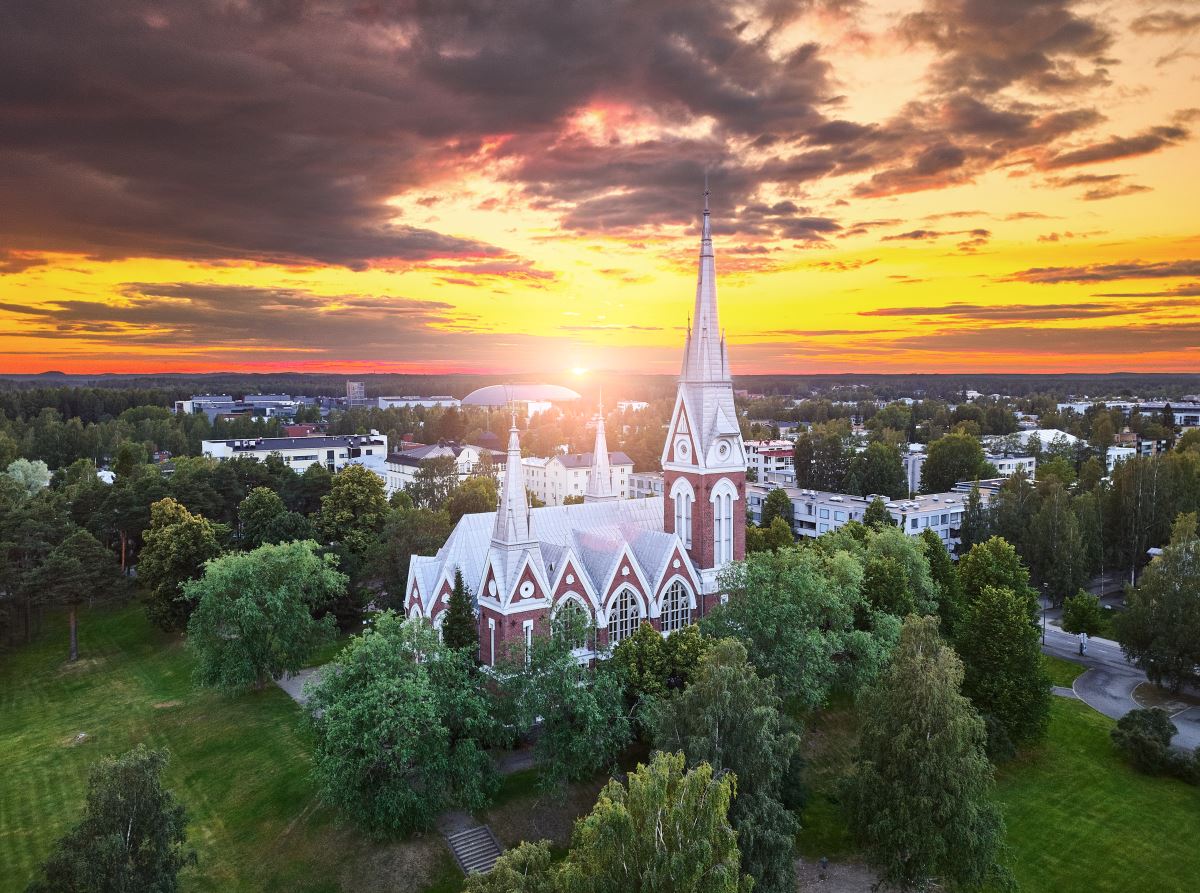 Church in Joensuu, North Karelia
Nestled in Finland’s easternmost reaches, North Karelia offers an authentic escape into nature, where untouched wilderness meets vibrant Karelian culture and deep-rooted traditions. Known for its forests, lakes, and scenic beauty, the region is perfect for outdoor adventure, serenity, and cultural immersion.
Outdoor enthusiasts will find plenty to do: hike the trails of Koli National Park, canoe or kayak on the calm waters of Lake Pielinen, pick summer berries, admire ruska in autumn, or ski along crisp trails in winter. Small villages, Orthodox churches, and local Karelian cuisine provide cultural highlights, while smoke saunas, reindeer encounters, and wildlife watching, including elusive brown bears, create memorable experiences. Cosy lakeside cabins, eco-friendly lodges, and boutique hotels offer tranquil retreats amid this striking landscape.
Lake Pielinen
Age-old traditions, endless activities and unique wildlife encounters
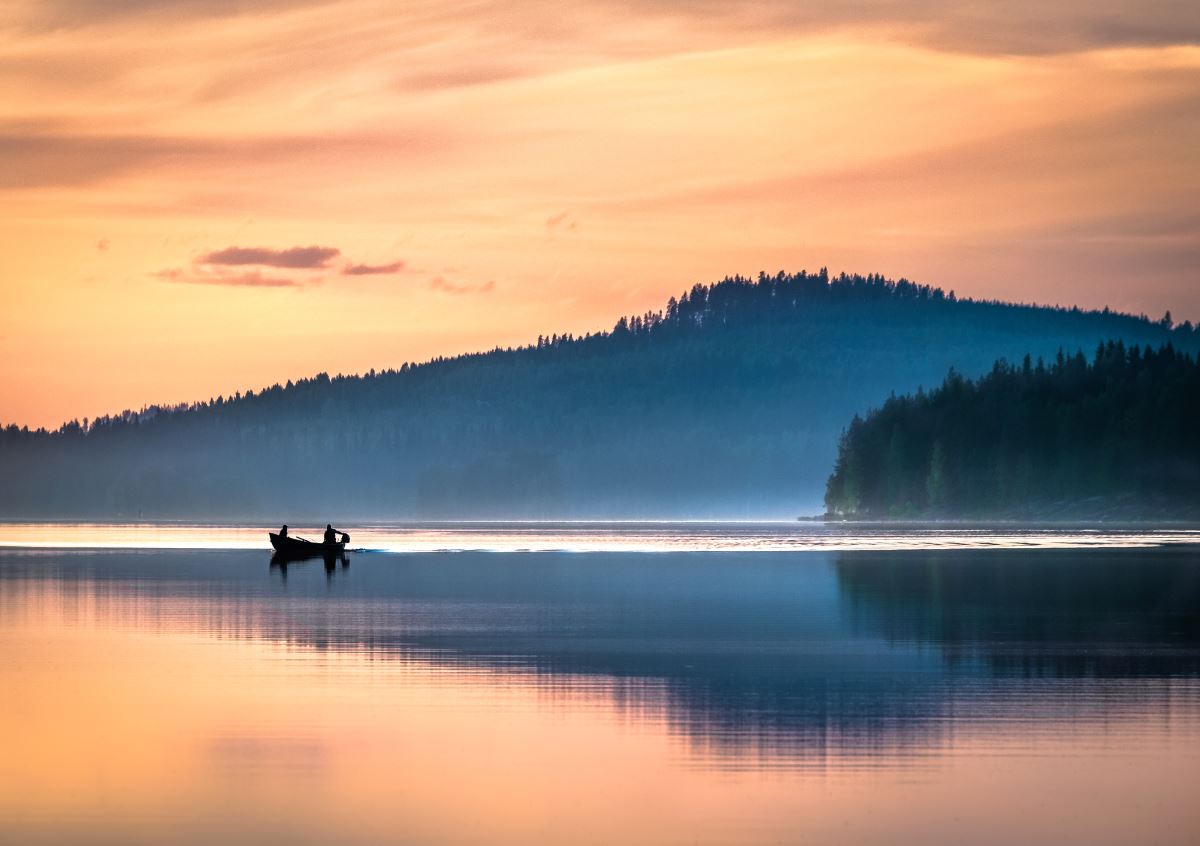 Kayaking over Lake Pielinen, North Karelia
Lake Pielinen lies at the heart of North Karelia, where eastern and western traditions intertwine. Its calm waters are perfect for kayaking, canoeing, or simply soaking in views from a lakeside sauna. The surrounding landscape comes alive in summer with wild swimming and forest walks, while autumn paints the shores with the fiery reds and golds of ruska. Winter brings frozen vistas, cross-country skiing, and peaceful strolls to nearby ski slopes. Villages such as Bomba offer an authentic glimpse of local life, complete with Orthodox churches and traditional Karelian cuisine.
- Discover more reasons why we think you should experience Finland in autumn.
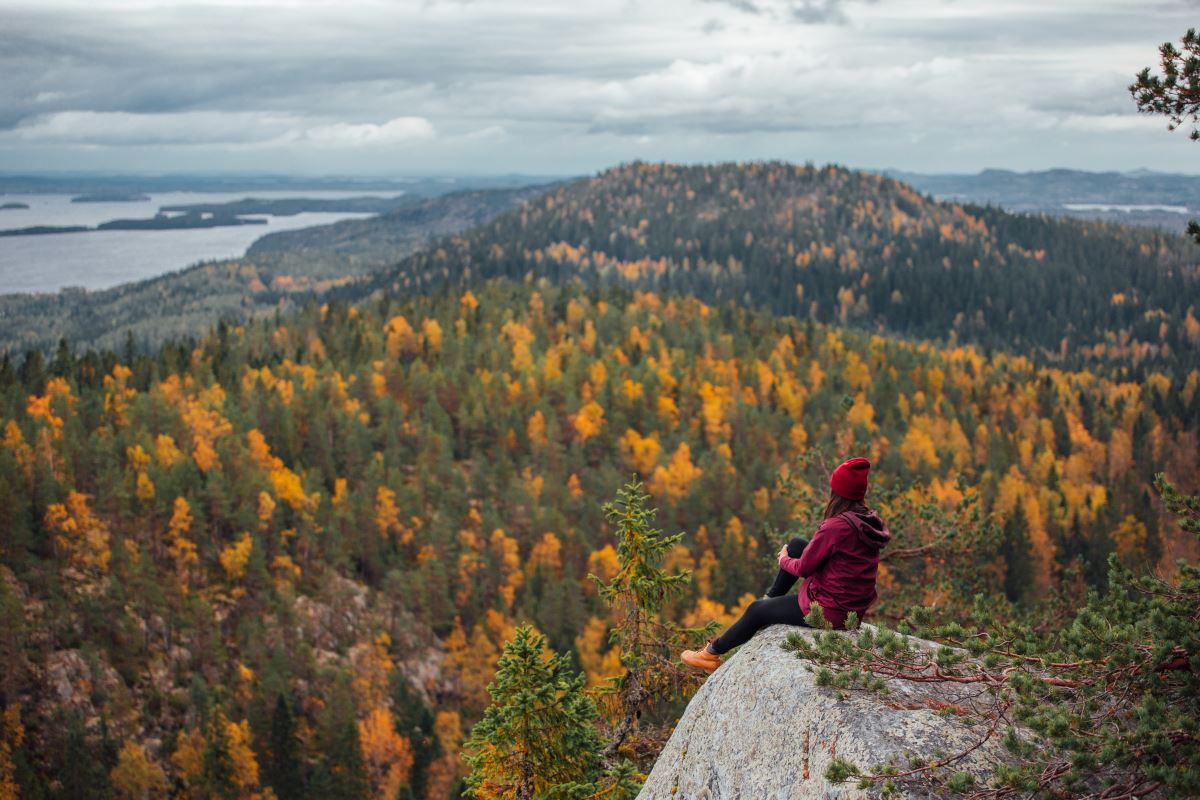 Koli National Park in autumn
- You can also see this region during winter on our 'Mythical Finland Winter Break'.
Savonlinna
Best time to visit: summer
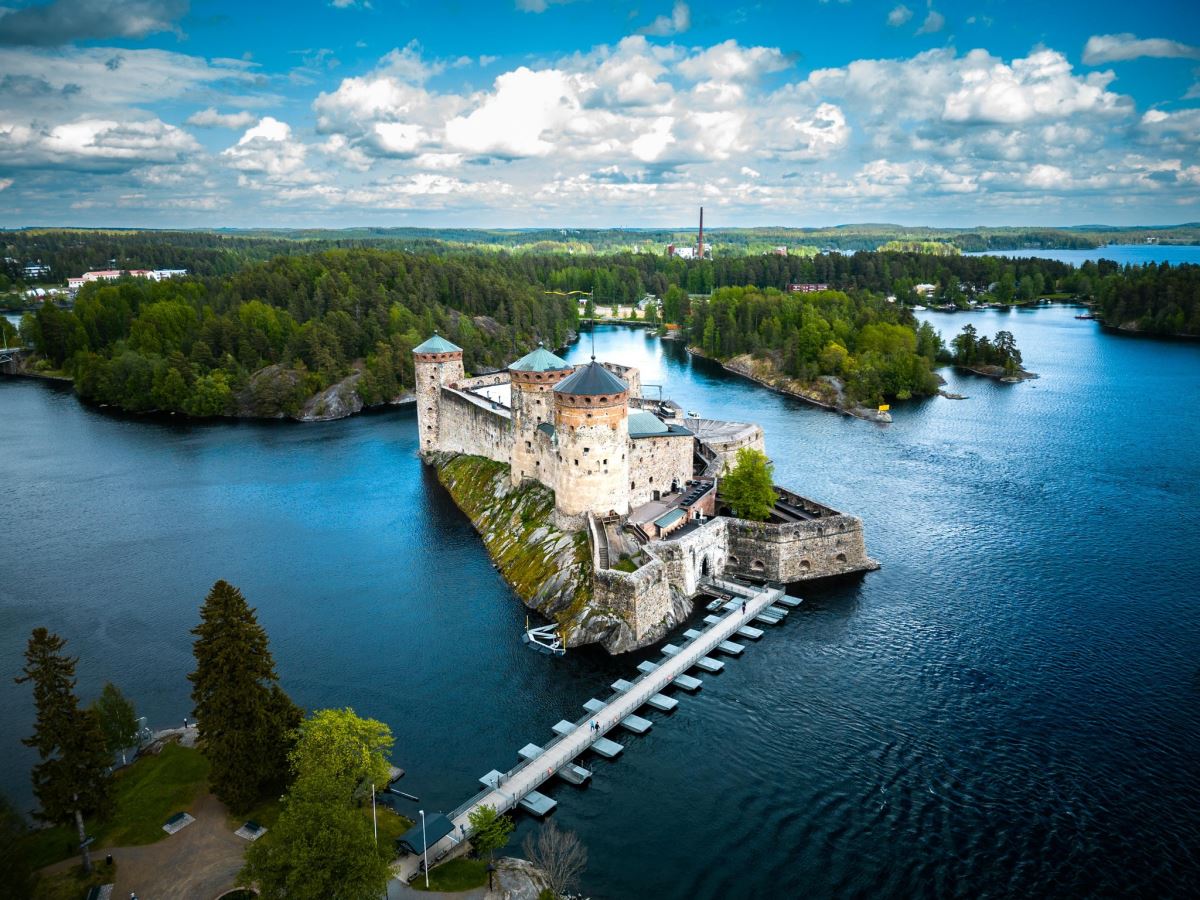 Olavinlinna Castle, Savonlinna
Perched on the sparkling shores of Lake Saimaa, Savonlinna is a town where history rises from the water and culture thrives year-round. Dominating the skyline, Olavinlinna Castle offers a dramatic medieval backdrop and hosts the world-famous Savonlinna Opera Festival each summer. Meandering streets reveal wooden buildings, boutique cafés, and artisan shops serving Karelian specialities and freshly caught lake fish.
The surrounding waters and islands invite exploration, from steamboat cruises and kayaking to tranquil lakeside walks. Forested trails and hidden coves provide perfect spots for wildlife spotting and reconnecting with nature. In winter, the frozen lakes become playgrounds for skating and cross-country skiing, transforming the town into a serene snowy retreat.
- We have some more practical tips and ideas for a summer holiday in Finland. Read our guide for things to do on a summer getaway.
Lake Saimaa
Finland’s largest lake, Puumala archipelago route, steamboat trips from Savonlinna, Saimaa ringed seal
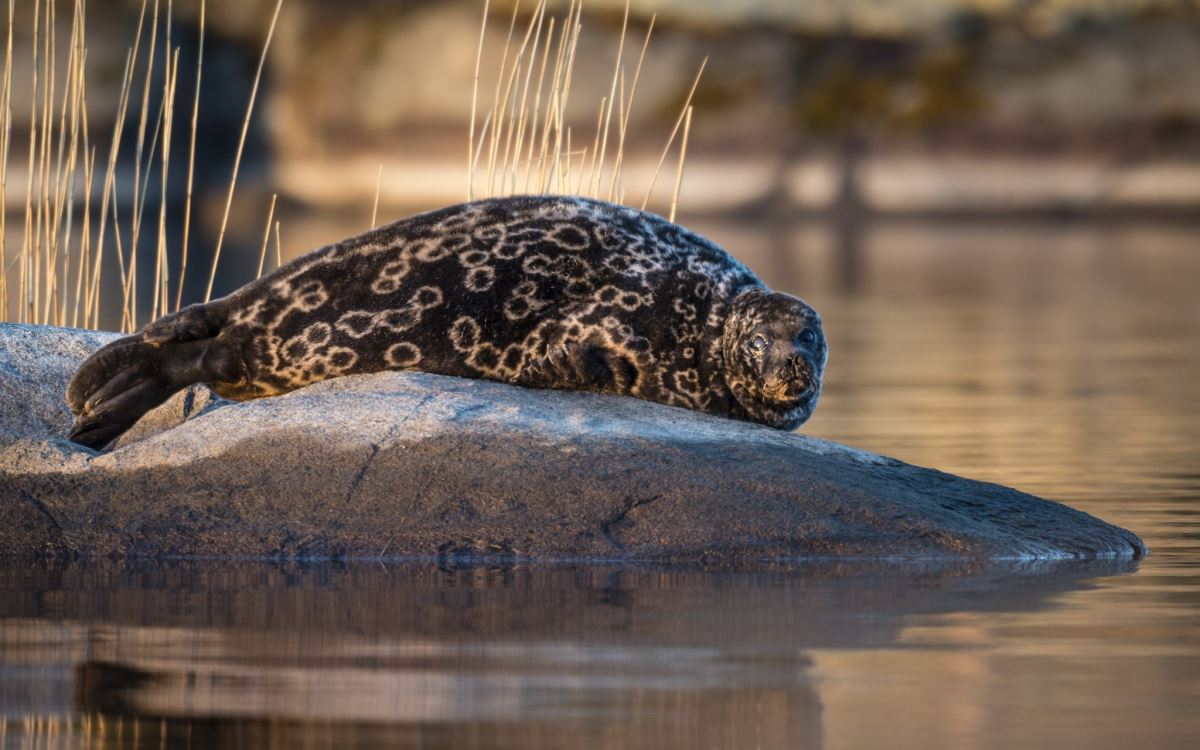 Ringed seal, Lake Saimaa
Lake Saimaa boasts pristine nature, world-class culture and historic character. Cyclists and drivers alike can explore the 60 km Puumala archipelago route along its sparkling shores, while a steamboat from Savonlinna offers a waterborne journey to Olavinlinna Castle, home to the celebrated annual opera festival. Nature enthusiasts can discover the protected landscapes of Linnansaari National Park, Kolovesi National Park, or explore the Saimaa UNESCO Global Geopark, where ancient rock paintings at Astuvansalmi tell stories of a bygone era.
The lake is also home to the rare Saimaa ringed seal, a unique wildlife encounter found nowhere else in the world. For a tranquil evening, unwind in a lakeside sauna and stay at the romantic Kuru Resort, where forest and water views stretch as far as the eye can see.
- See why this lake made it onto our list of best spots for wild swimming.
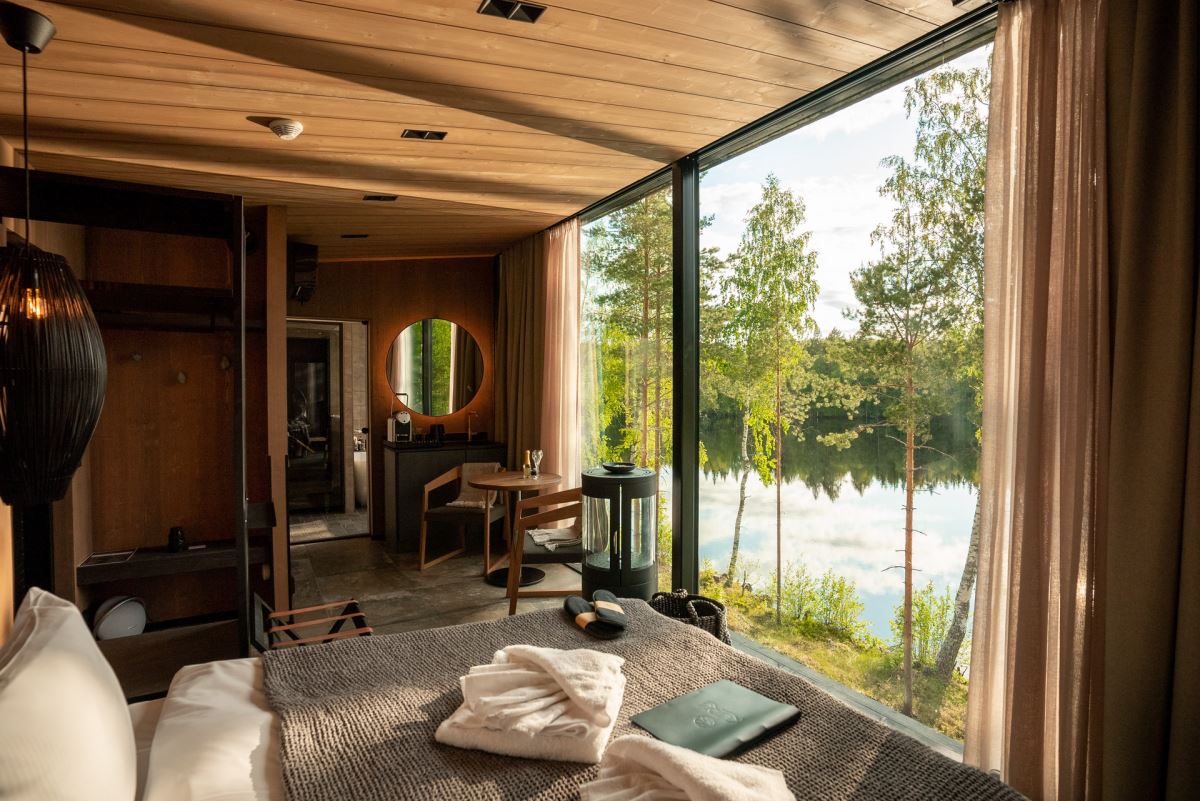 Lakeside suite at Kuru Resort
- Our 'Lake Saimaa Break at Sahanlahti Resort' tour is another tour that boasts a stay in another exceptional lakeside villa - Sahanlahti Resort.
Kajaani & the Kainuu Region
Best time to visit: all year round
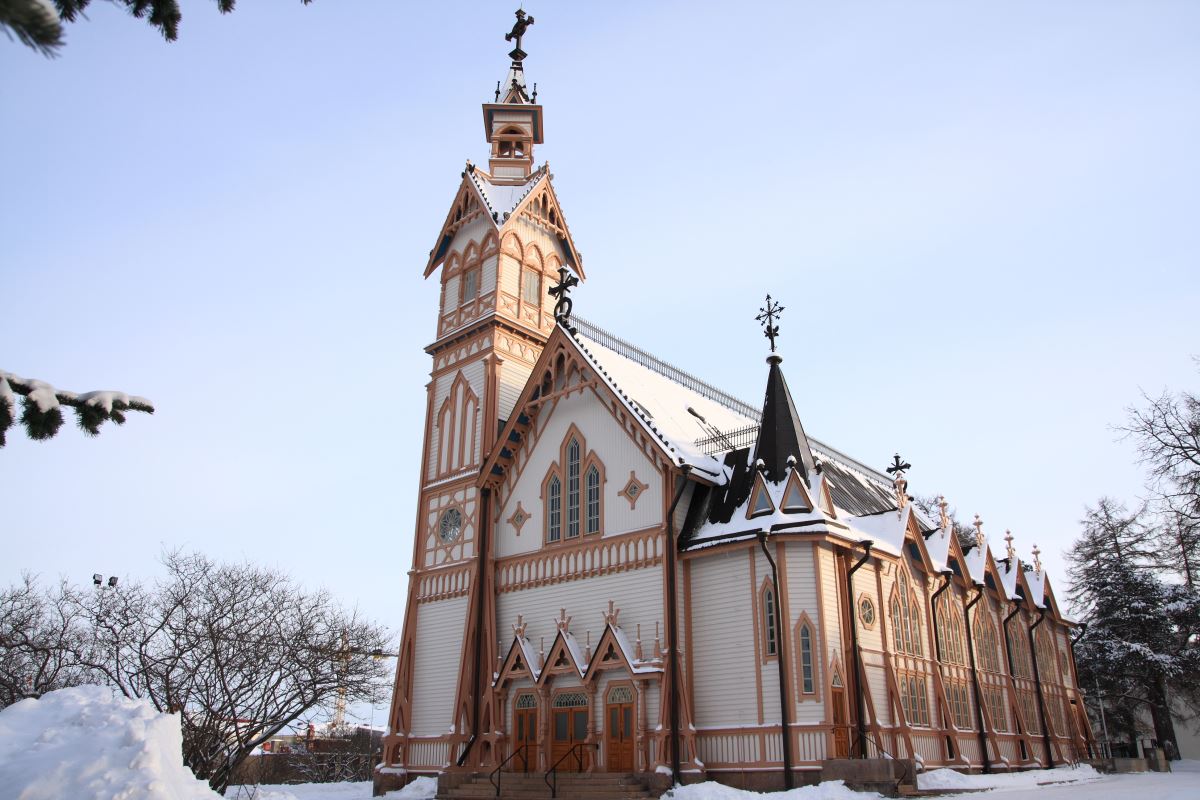 Traditional church in Kajaani
Kajaani is a destination that offers something special in every season. Set along the Kajaani River and surrounded by vast forests and lakes, the town combines peaceful Nordic scenery with easy access to Finland’s wild landscapes. Historic landmarks such as the ruins of Kajaani Castle overlook the river year-round, offering a glimpse into Finland’s past and a scenic walk through the town’s centre in both summer sunshine and winter snow.
Kajaani is also the gateway to outdoor adventures year-round. In winter, nearby Vuokatti is known for its excellent downhill and cross-country skiing, while snow-covered forests create ideal conditions for snowshoeing and northern lights watching. Beyond winter, the region transforms into a haven for nature lovers, with opportunities for hiking, cycling, canoeing and wildlife watching. Just east of Kajaani in Kuhmo, you can even experience brown bear watching during the summer and autumn months in the heart of the wild taiga.
Lake Oulujärvi
Kainuu Sea, vast frozen lake landscapes, winter fishing, cross-country skiing
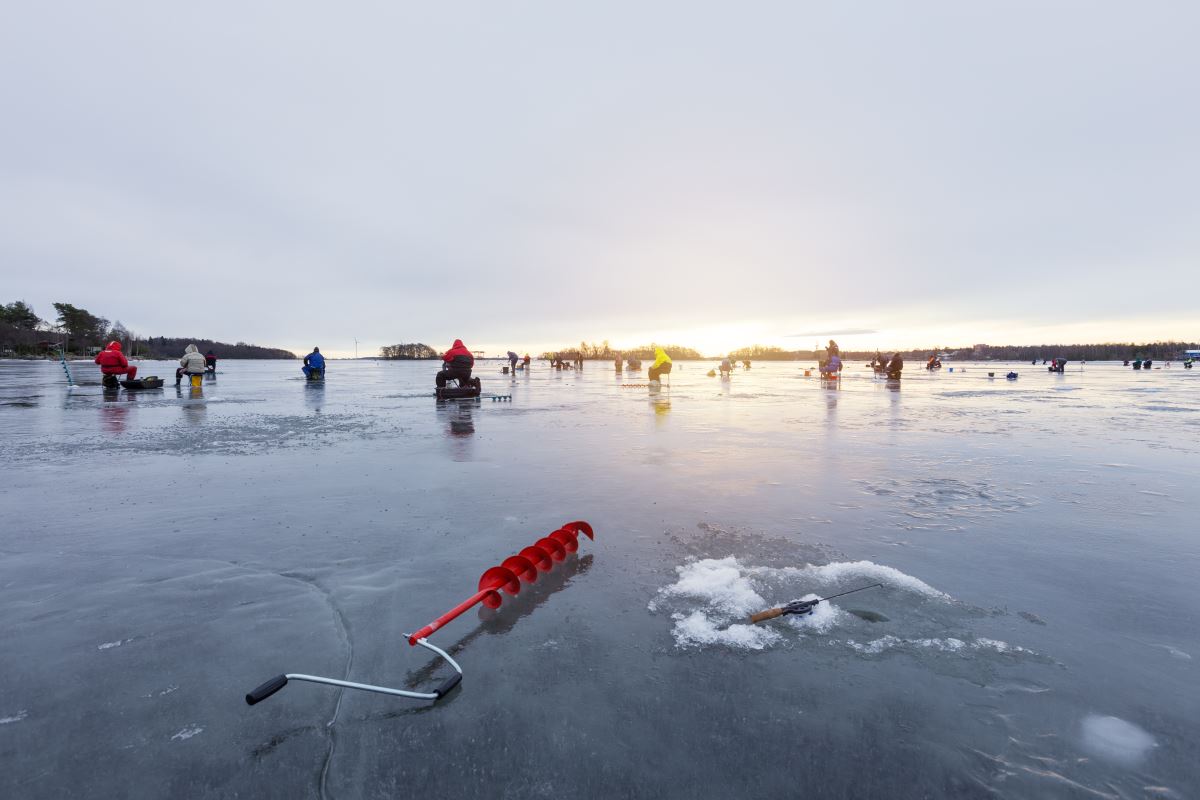 Ice fishing on Lake Oulujärvi in winter
In winter, Lake Oulujärvi becomes a vast frozen expanse stretching across the Kainuu region. Known as the “Kainuu Sea” for its sheer size, the lake transforms into a striking white landscape where snow-covered islands rise from the ice, and the horizon seems to stretch endlessly. The frozen lake opens up a world of winter activities. Ice fishing huts dot the surface, cross-country ski trails weave across the snow, and adventurous travellers can explore the wide-open landscape by snowmobile or on foot.
When the ice melts, Lake Oulujärvi reveals a completely different character. In spring and summer, its sandy shores and forested islands make it a peaceful setting for boating, canoeing, and lakeside walks, while long daylight hours beckon to swimming, fishing, and relaxing by the water. As autumn arrives, the surrounding forests turn shades of gold and amber, creating a beautiful backdrop for hiking along the shoreline.
.jpg) Husky sledding
Husky sledding
Central Finland & Päijät-Häme
Best time to visit: summer & autumn
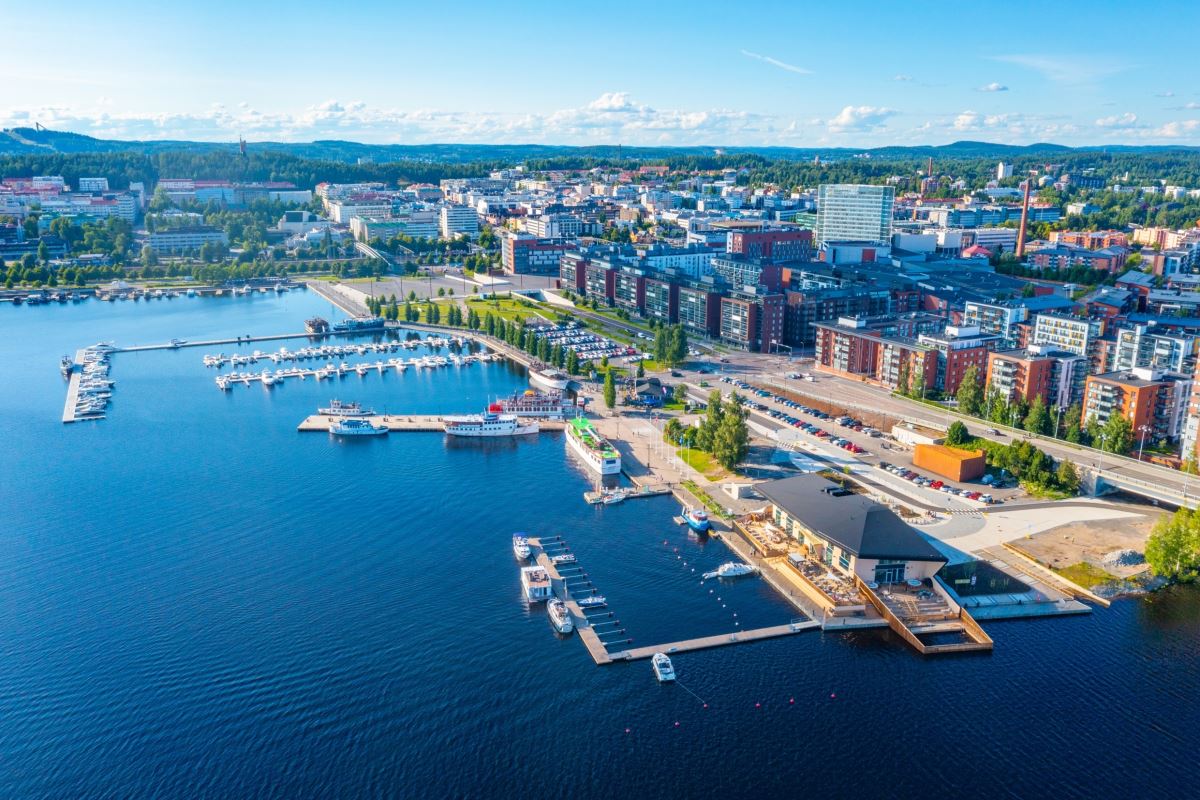 Jyväskylä city
Stretching between the vibrant university city of Jyväskylä and the lakeside hub of Lahti, this corner of Finnish Lakeland captures the region at its most scenic and accessible. Forests, waterways, and small villages shape the landscape, while quiet roads weave between lakes, ridges, and islands, inviting exploration at an unhurried pace.
The area offers a rewarding mix of nature and culture. In Jyväskylä, travellers can follow the legacy of renowned architect Alvar Aalto, whose modernist designs helped shape the city’s character. Further south, Lahti’s harbourside cafés, design boutiques, and museums provide a lively gateway to Lakeland adventures.
For travellers, the real appeal lies in the balance: mornings spent paddling or hiking through pristine landscapes, afternoons discovering Finnish art, architecture, and lakeside towns. Whether explored by car, kayak, or boat, this region reveals why Lakeland is often considered the heart of Finland’s outdoor lifestyle.
Lake Päijänne
Finland’s second-largest lake, deepest lake in Finland, scenic Pulkkilanharju ridge route
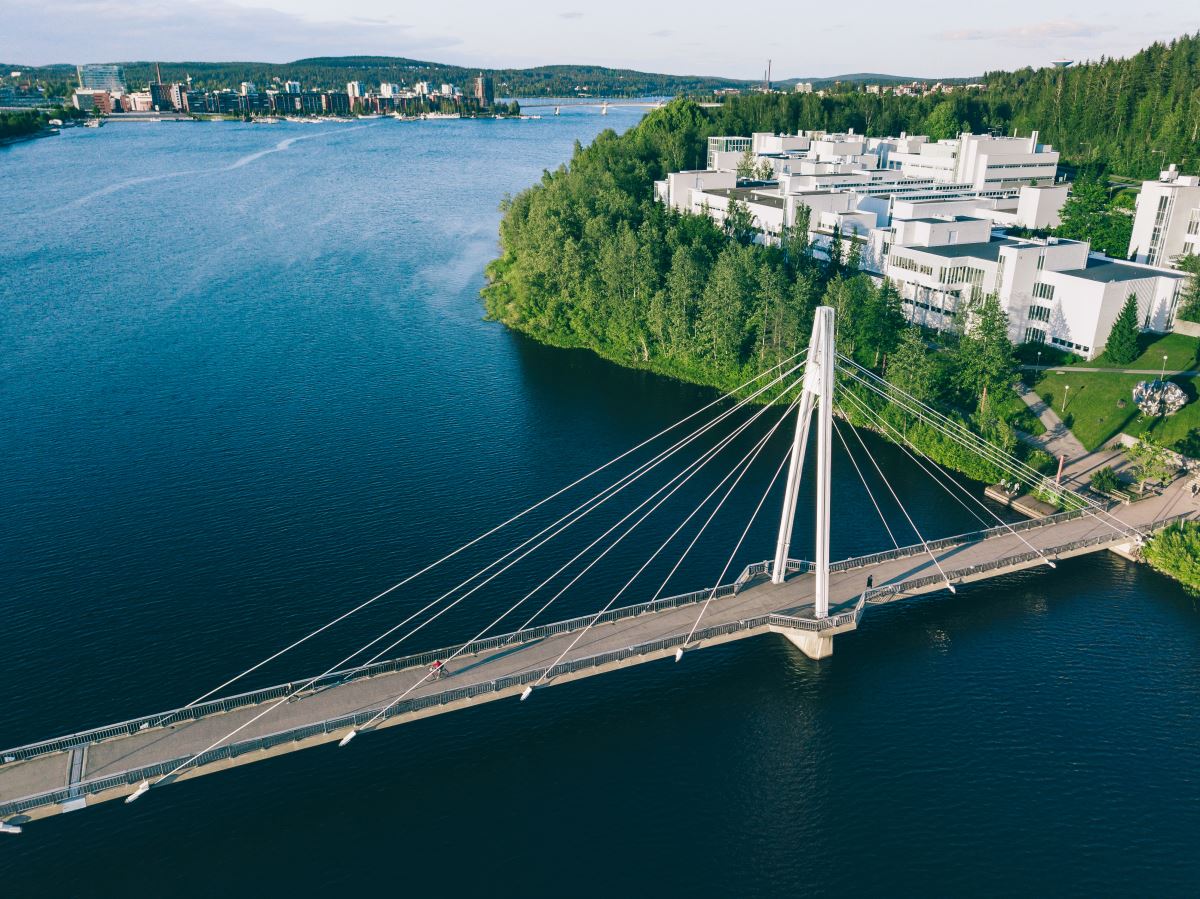 Jyväskylä city
Lake Päijänne is Finland’s second-largest lake and one of its most striking natural landscapes. Reaching depths of 95 metres, its exceptionally clear waters supply drinking water to much of southern Finland - a testament to the purity of this region’s environment.
The lake opens up a wealth of ways to explore Lakeland’s island-studded wilderness. From Päijänne National Park, you can paddle between forested islands by kayak or take a boat trip across the vast open water. One of the most scenic viewpoints lies along the Pulkkilanharju Ridge, where a narrow road winds across a chain of islands connected by bridges, offering panoramic lake views at every turn. Nearby, the picturesque Vääksy Canal provides a peaceful place to watch boats pass through the historic lock.
Summer and early autumn are the best times to visit, when calm waters, long daylight hours, and warm evenings make it easy to spend entire days on or beside the lake.
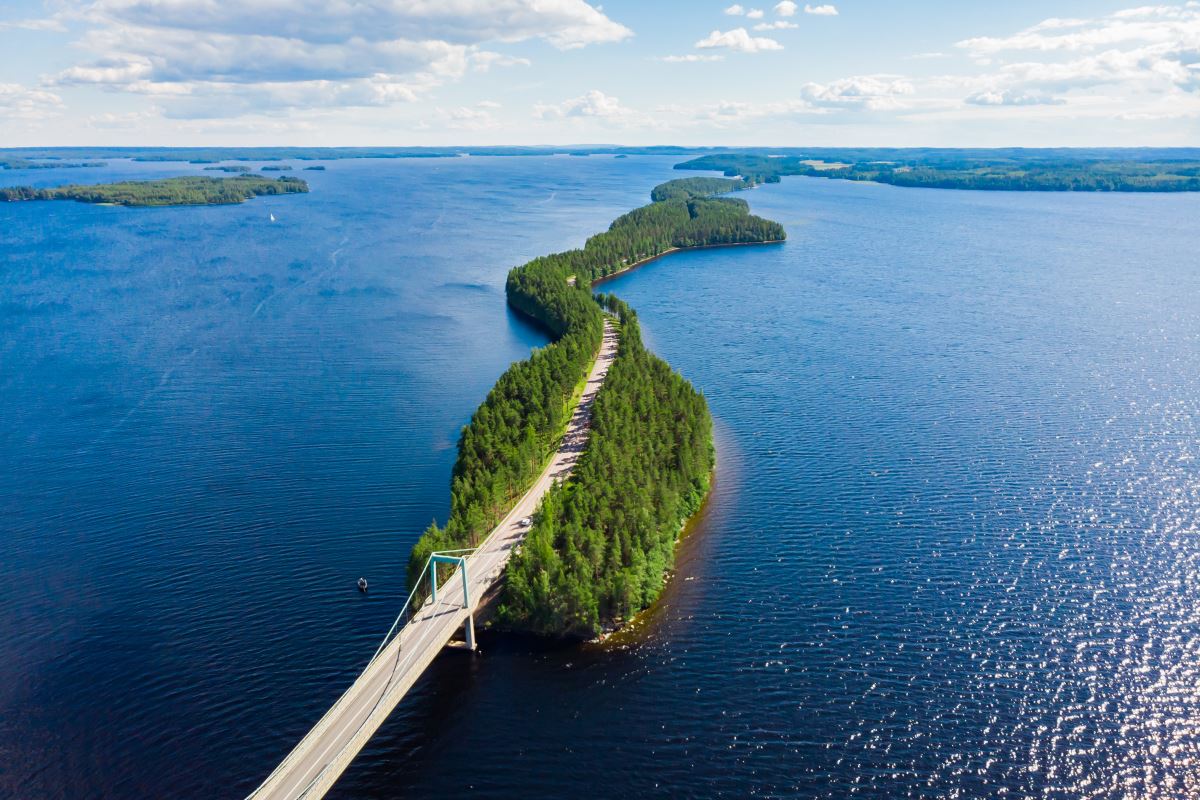 Pulkkilanharju Ridge
Inspired to discover Finland’s Lakeland for yourself?
From bright summer days on the water to peaceful winter landscapes, this beautiful region offers something special in every season. Contact our Travel Specialists today to start planning your Finnish adventure.