Best Norwegian Fjord Cruises Year-Round
Best Norwegian Fjord Cruises Year-Round
As you travel Norway’s fjords by cruise, you benefit from a unique vantage point, one where the landscape seemingly shapes itself around you.
While a few spots are accessible by road, only from the deck of a ship can you truly appreciate the vast scale of the fjords. The best cruises to Norway reveal the many narrow inlets opening unexpectedly into steep valleys, waterfalls plunging straight down bare rock, and small fishing communities thriving in places otherwise unreachable by land.
Each season in the Norwegian fjords reveals a different side of the landscape and sets the tone for the cruise you choose to take - this guide will help you choose which is the best fjord cruise for you.
Who are Norwegian fjord cruises best for?
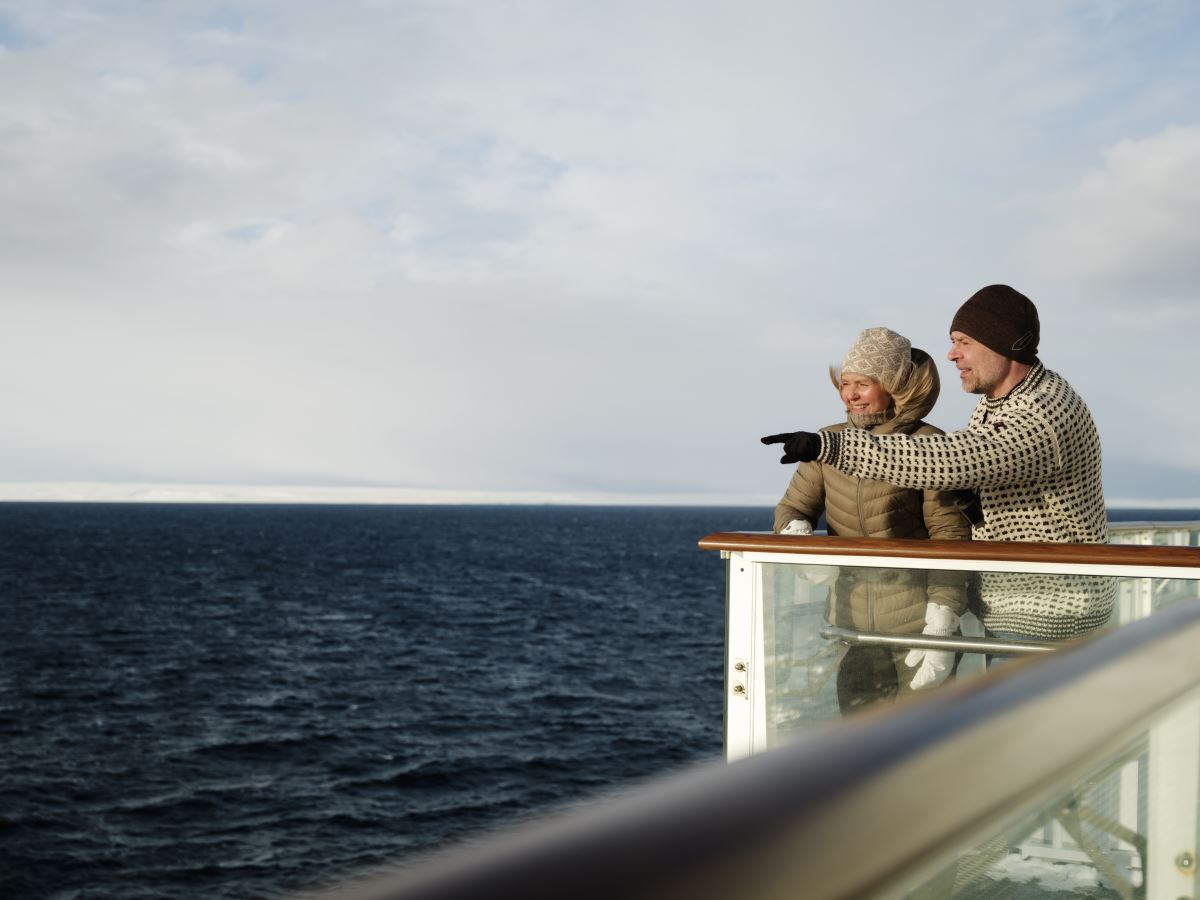 A couple enjoying a cruise with Havila Voyages
If you’re drawn to dramatic landscapes and adventure-packed itineraries, a Norwegian fjord cruise will suit you. You’ll travel by water, taking in remote valleys, coastal towns, and wide horizons at a slower pace. For curious travellers, nature lovers, or photographers, it’s an especially rewarding way to explore.
For the ultimate fjord sightseeing experience, a cruise with Havila Voyages offers distinct advantages. Modern ships are designed for comfort and provide ample viewing opportunities, ensuring you see Norway at its most authentic, whether under the midnight sun or the northern lights.
Cruising offers relaxed travel for solo explorers, couples, or families and gives you the freedom to explore the fjords year-round without sacrificing ease, comfort or striking views.
Why discover Norway's coast with Havila Voyages?
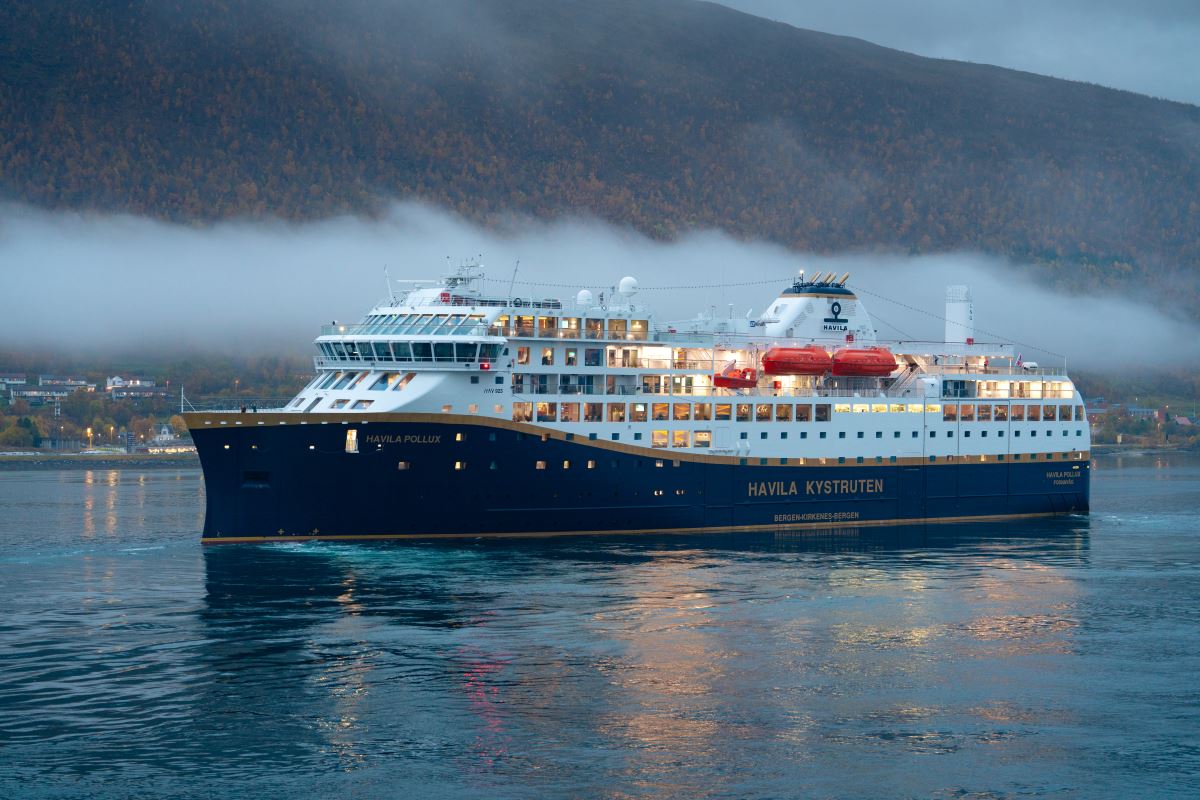 Havila Voyages ship
Havila Voyages offers a range of ways to explore Norway’s coast, from shorter sailings and one-way journeys to a 12-day round voyage from Bergen to Kirkenes and back. The complete route visits 34 ports, while shorter voyages let you focus on particular stretches of the coastline.
The experience combines comfortable, modern ships with a quieter style of coastal travel. Havila’s ships use battery power to sail silently for periods of time, including into the UNESCO-listed Geirangerfjord, while panoramic viewing areas keep Norway’s landscapes firmly in view.
There is also plenty to discover ashore, with excursions ranging from visits to the North Cape and sea-eagle experiences to Arctic king crab and husky adventures. On board, locally sourced ingredients feature in à la carte dining at Havrand, with menus reflecting the regions along the Norwegian coast.
For winter journeys, Havila’s 'Northern Lights Promise' adds another reason to travel, with eligible 12-day round voyages between 1 October and 31 March covered by a complimentary 6- or 7-day voyage if the aurora doesn’t appear.
Plan your Havila Voyages holiday
The best Norwegian fjord cruises by season
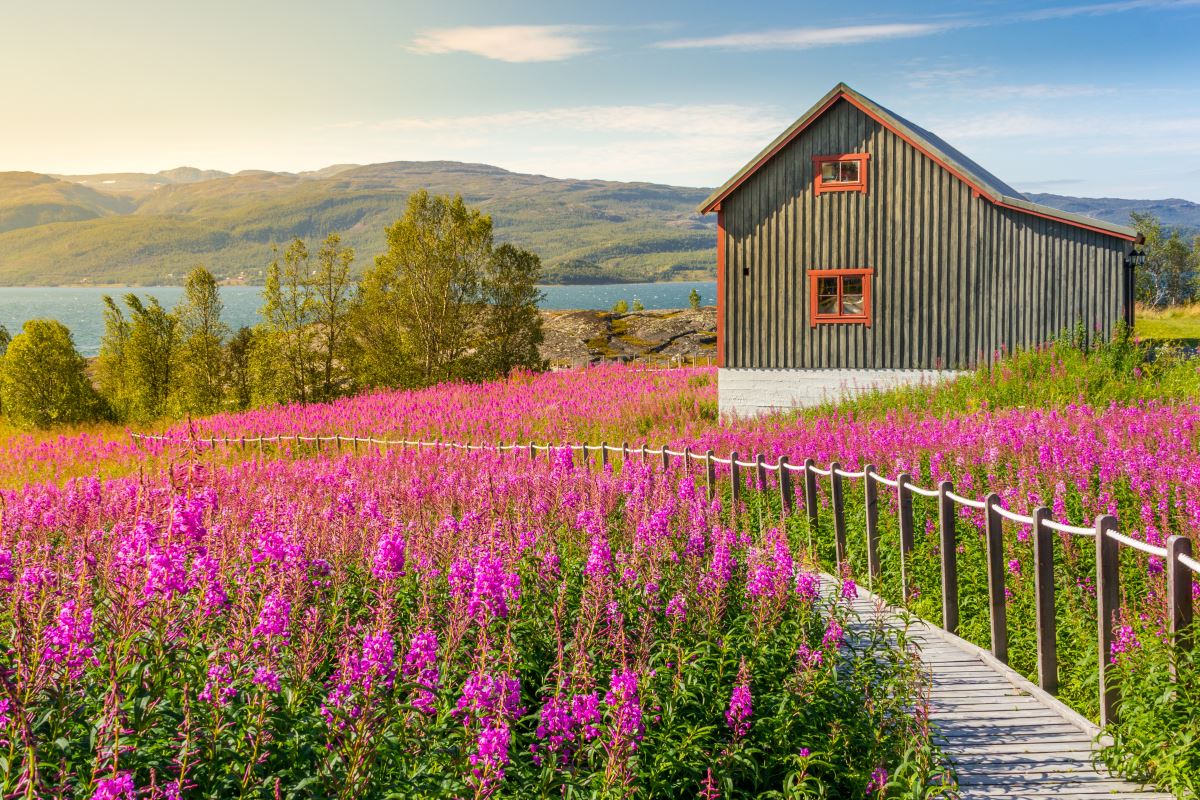 Norway in springtime
Each season in the fjords brings a different perspective.
In summer, you’ll see the midnight sun casting long light over waterfalls and harbour towns.
Spring arrives with fast-running meltwater and orchards in bloom.
Autumn turns the hillsides copper and gold, while winter lays snow across the peaks and, if you’re lucky, northern lights ripple above, changing the landscape entirely.
"What better way to follow Norway’s coastline than by moving through its fjords, where cliffs rise straight from dark water, and snowmelt traces thin white lines down rock faces?
From long summer days beneath the midnight sun to winter, when the fjords sit beneath low, blue light and snow gathers on every ledge, the landscape never holds still for long. Everything changes with the season; what you see from the water is shaped entirely by when you arrive."
(1).jpg)
Elin Fry
Senior Travel Specialist
Summer fjord cruises
Midnight sun, rare marine life and plunging waterfalls
Summer season: June - September
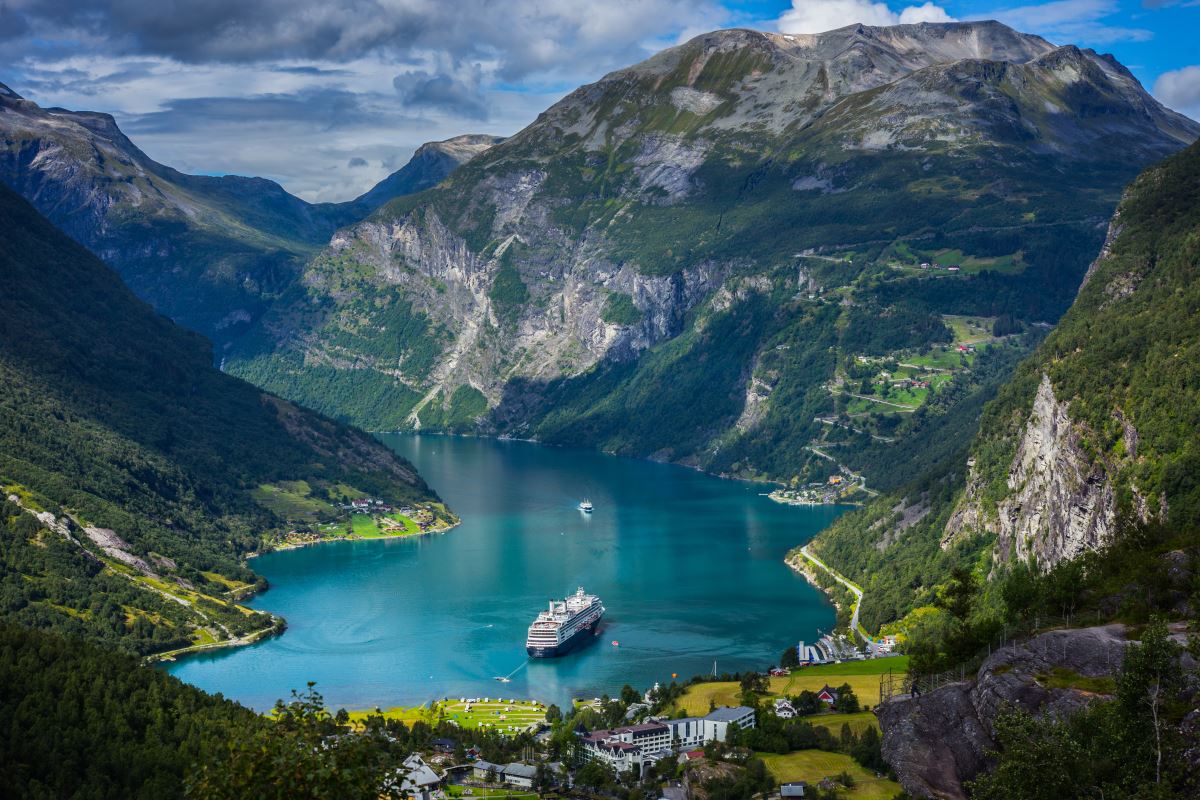 Geirangerfjord in summer, Norway
Sail north through Norway’s fjords in summer, and you’ll notice how the coastline never quite settles.
Daylight stretches on and on, painting the cliffs in pale gold and keeping the valleys bright long after you’d expect night to fall. Waterfalls, such as Seven Sisters in Geirangerfjord, are at their most powerful, fed by snowmelt from the high mountains crashing into deep channels. Fishing villages and harbour towns, including Reine in Lofoten, stay lively late into the evening, with ferries shuttling between islands and daily life carrying on beneath the midnight sun.
Summer gives you the best chance to spot rare marine wildlife. Seabirds wheel close to the ship, catching the updrafts along the cliffs and dipping low over the fjords where fish gather. In quieter stretches, you might see minke whales or porpoises breaking the surface, a brief ripple before the fjord settles and the light returns across the water.
Top summer land activity from a fjord cruise - Flåm Railway
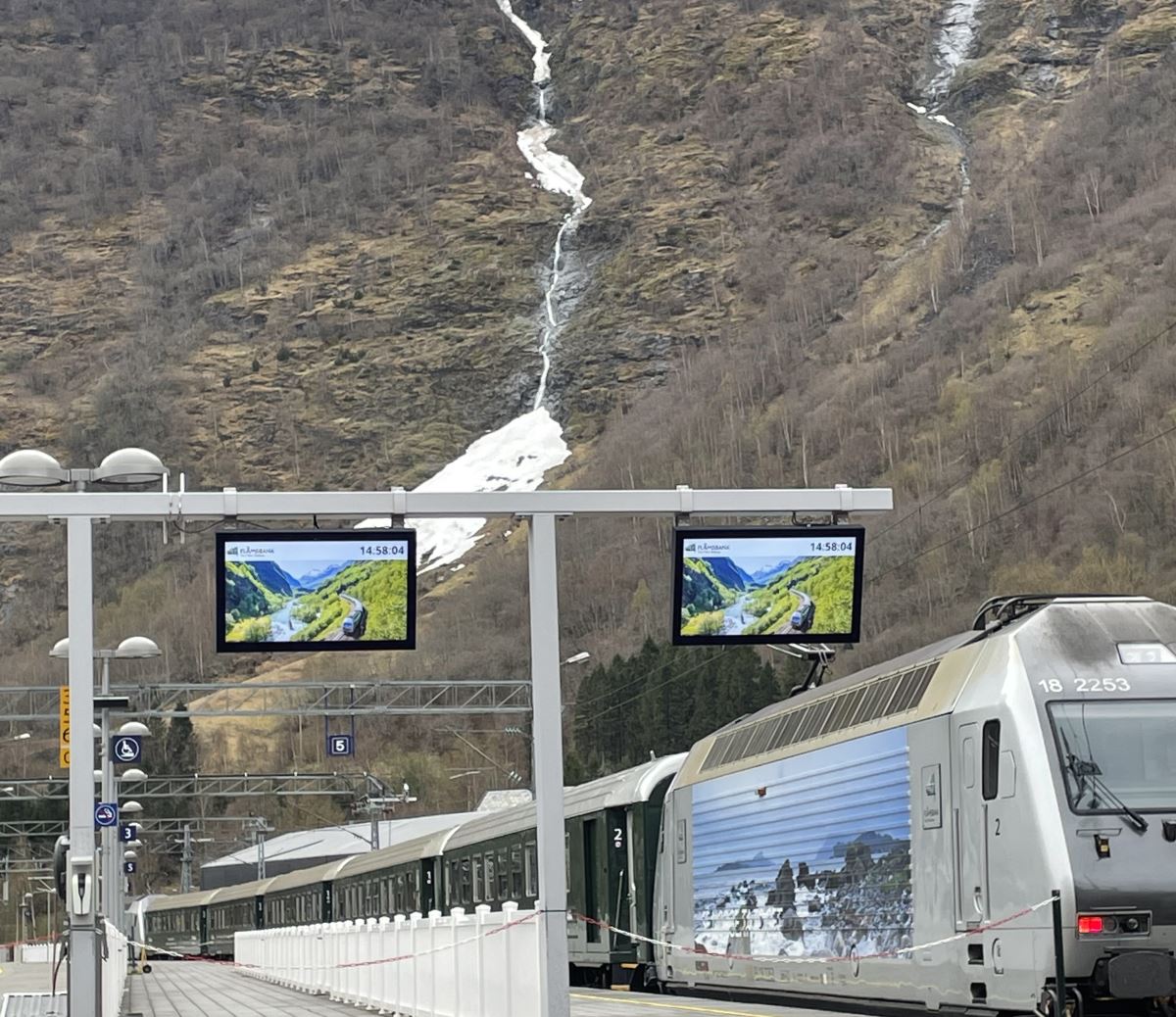 Flåm Railway
“After my summer Norwegian cruise, one thing I’ll always remember is experiencing Flåm from the harbour before taking the Flåm Railway up into the mountains. The fjord narrows as you arrive, steep valley walls rising on either side, and from the water’s edge, the railway climbs past waterfalls, cutting straight across the tracks and farms clinging to the slopes. In summer, every turn brings rushing water, green valley floors, and light that stretches deep into the evening as you move between fjord and highland.”
(1).jpg)
Jane Slade
Senior Product Executive
See why Norway's iconic Flåm Railway made it to our list of the best train journeys in Europe and beyond.
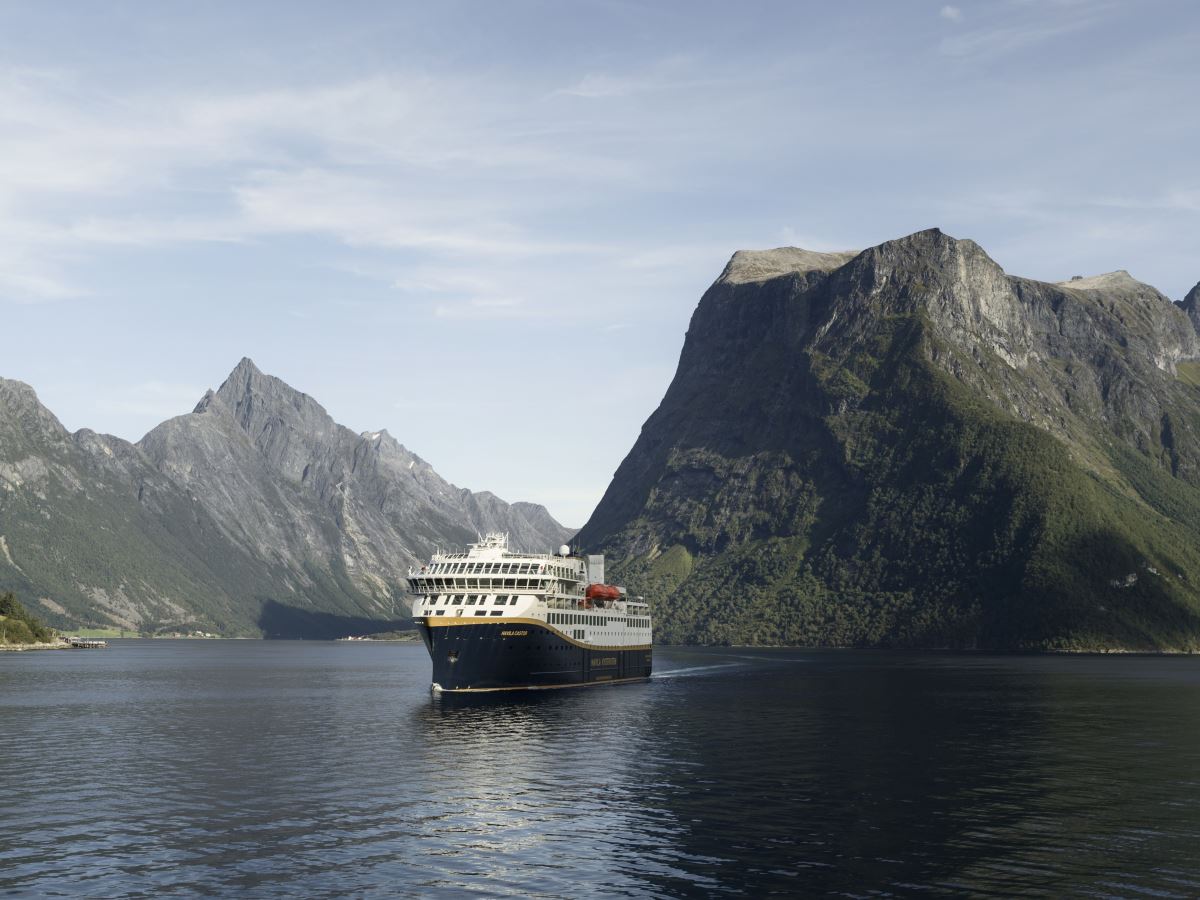 Havila Voyage ship cruising between fjords in summer
Autumn fjord cruises
Blazing autumnal scenery, quieter season, and clear skies
Autumn season: October - November
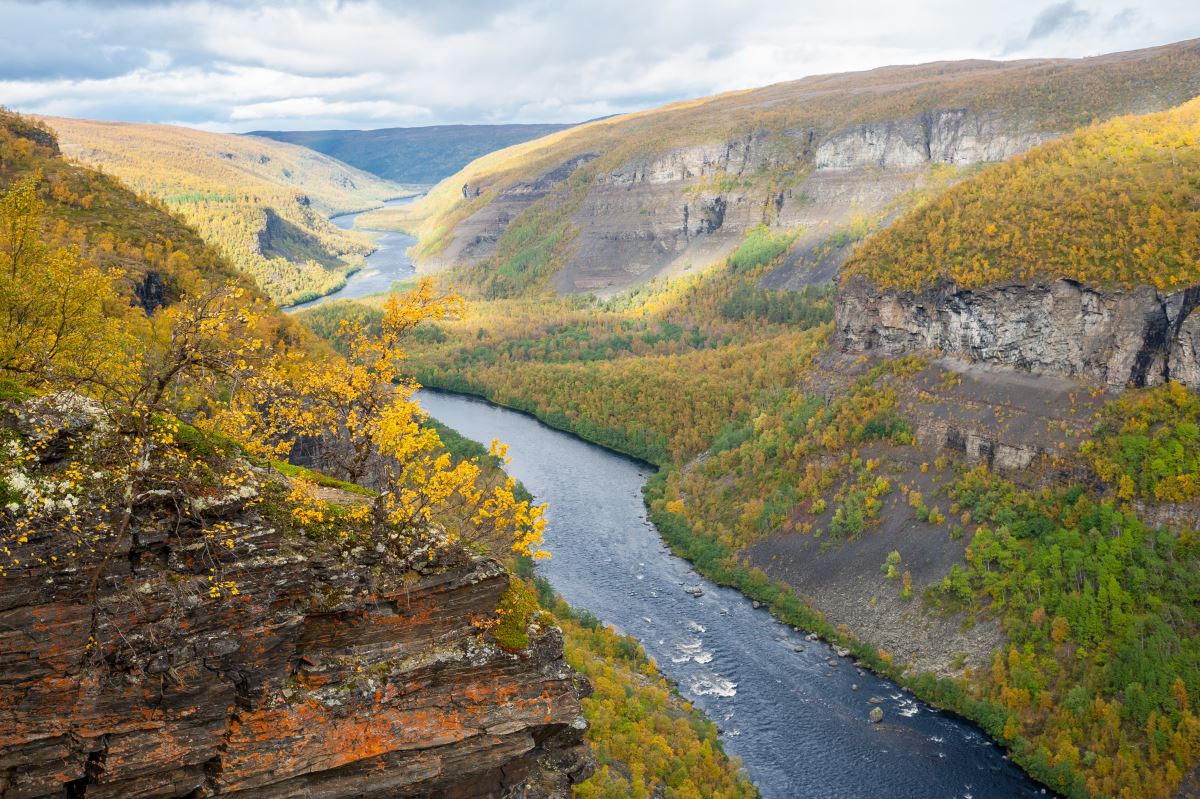 Norwegian fjords in autumn
In autumn, you’ll watch the fjord shores transform. Forested slopes turn copper and gold, running down to dark, still water. The air sharpens, making every ridge and inlet stand out. With fewer travellers, harbour towns and villages feel more open, giving you space to experience daily life without the summer crowds.
Step out on deck, and you're likely to find some of the year’s clearest views; long sightlines across the fjords, with crisp light picking out every contour. As nights grow longer, the first northern lights return above the northern fjords, giving you another reason to travel at this time of year.
In places like the Lofoten Islands, autumn brings a striking coastal contrast; fishing villages set beneath dramatic peaks, where galleries, harbours and small cafés sit within a landscape shifting steadily towards winter.
Best autumn land activity from a fjord cruise - Lofoten Islands
.jpg) Lofoten Islands
Lofoten Islands
“I love how autumn in the Lofoten Islands brings a change in light and atmosphere, where fishing villages sit beneath steep peaks, and harbours hold still water edged by red cabins. As the nights draw in, the first northern lights return above the islands, while cafés, galleries and small coastal communities feel more lived-in, as daily life returns to the villages."
(1).jpg)
Peter Wybrow
Senior Travel Specialist
Discover more reasons why Norway is one of the top alternative adventures for autumn.
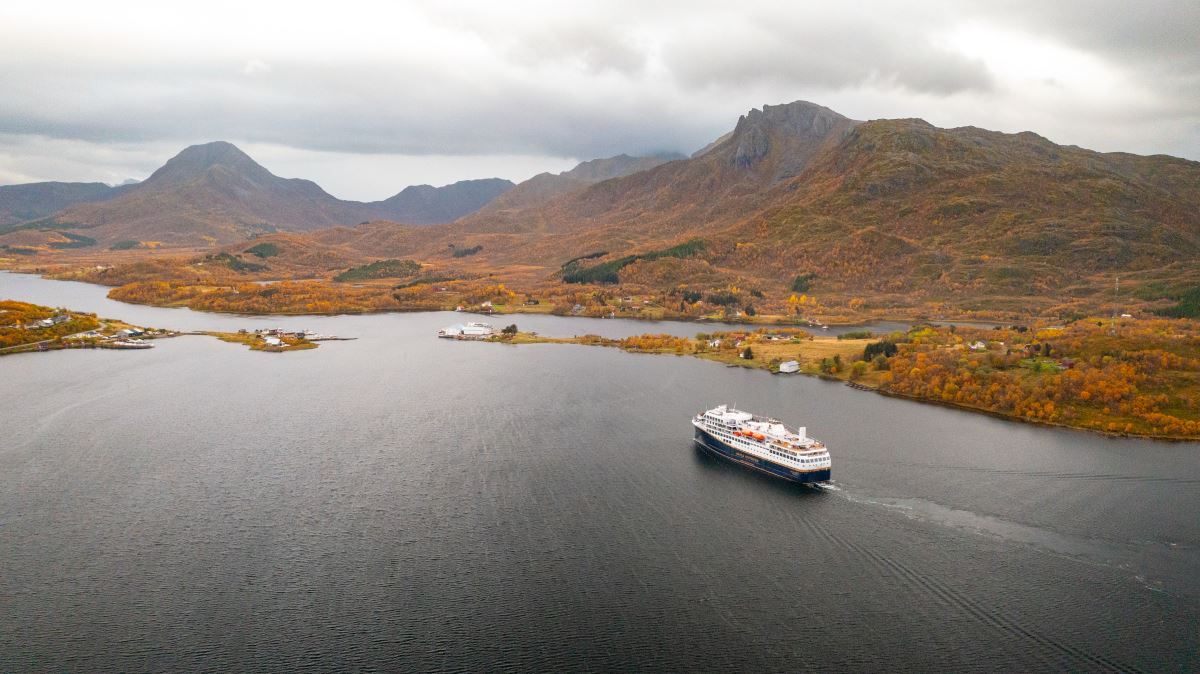 Havila Voyages ship cruising in autumn
Winter fjord cruises
Fjords coated in snow, northern lights, festive delights
Winter season: December - February
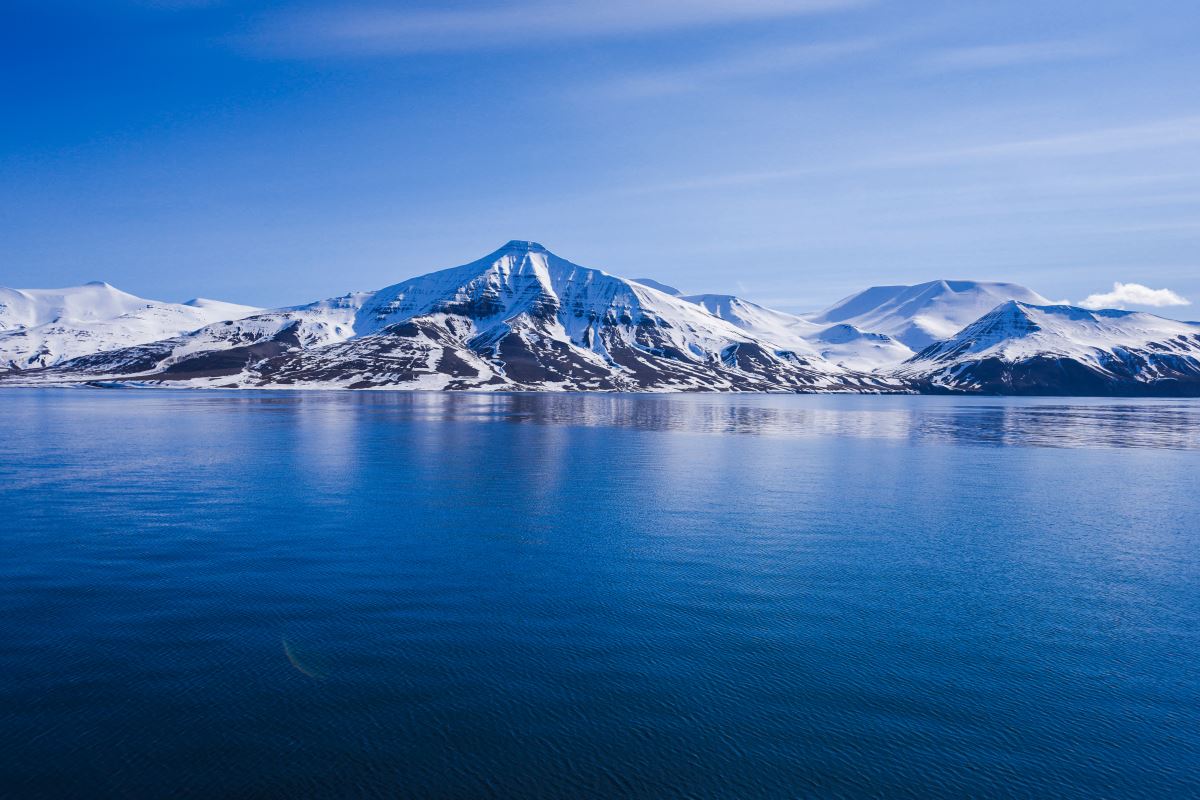 Norway in winter
In winter, snow gathers along the fjord edges, settling on ledges, rooftops, and tree lines while the water stays dark and open beneath steep mountain walls. Snow-capped peaks frame your passage, and in the far north, Arctic skies offer some of the clearest conditions for seeing the northern lights from deck, especially on long, dark nights at sea.
Along the coast, towns and small cities settle into winter life. Harbours glow with winter lights, Christmas markets, and local celebrations that bring warmth to the shoreline. In places like Bergen and Trondheim, historic streets and waterfronts are illuminated against early nightfall, adding another layer to your journey beyond the landscape itself.
Wildlife becomes more visible in colder waters. Orcas and humpback whales follow herring migrations along the northern coast, while seabirds cluster around fishing grounds and rugged cliffs. Further north, Arctic conditions create a more exposed landscape, with ice along the shoreline, longer nights, and vast distances between settlements.
Best winter land activity from a fjord cruise - Bergen
.jpg) Bergen in winter
Bergen in winter
"There's nothing like wandering through Bergen’s Bryggen quarter, where timber buildings lean along narrow wooden walkways, and the harbour sits just beyond the edge of the streets. In winter light, the old trading houses feel closely packed together, with small cafés, craft workshops and side alleys opening between the structures, offering a direct connection to Norway’s Hanseatic trading past."
.jpg)
Robert Longstaff
Senior Travel Specialist
Uncover more of the best northern lights cruises to experience the magic of the aurora.
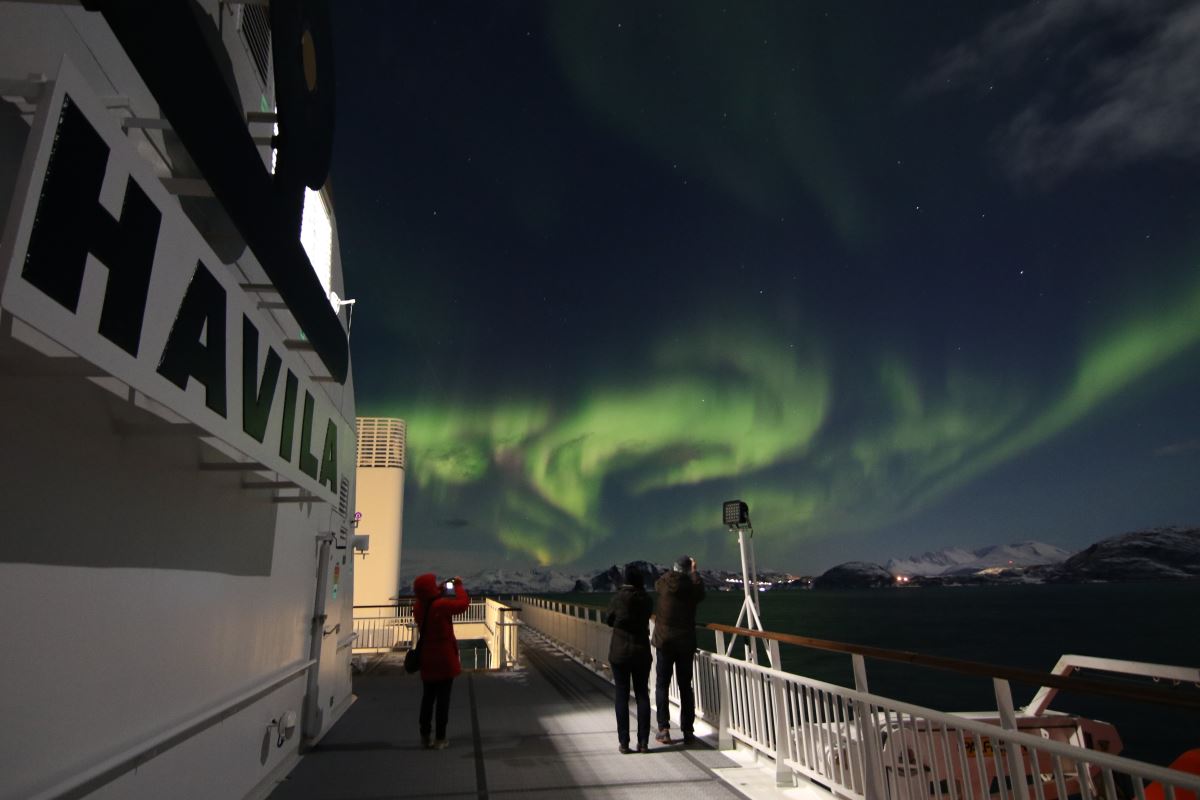 Havila Voyage ship under the northern lights
Spring fjord cruises
Blossoming landscapes, alpine scenery and the return of seabirds
Spring season: March - May
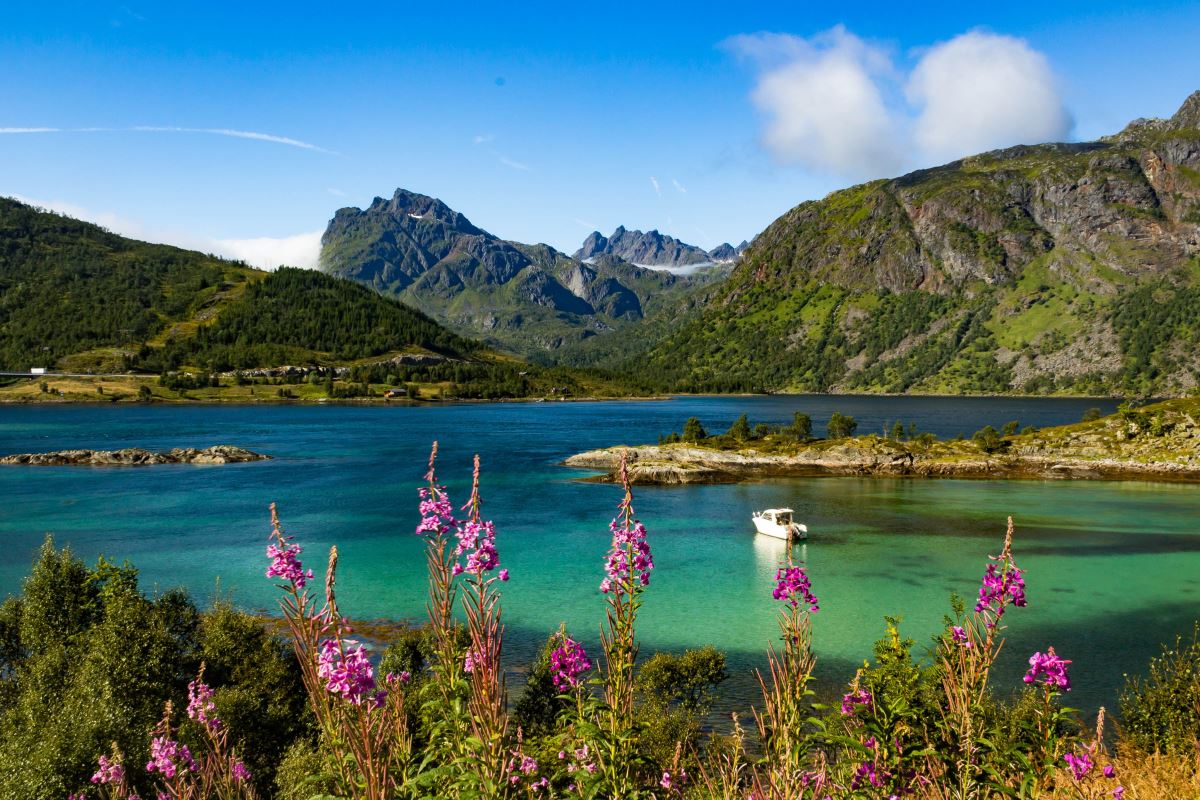 Spring in Norway
After months of winter, spring arrives first in the fjord villages. Orchards begin to flower and green returns to the valley floor while snow still lingers high above. It’s a short, anticipated window when the landscape transforms quickly: waterfalls run stronger, hillsides thaw and colour returns along the water’s edge.
Wildlife follows closely behind. Watch as seabirds return to the cliffs in large numbers, and look out for eagles overhead. You might spot seals too, as they move more frequently through the fjords as the coastline becomes more active again.
With longer daylight hours, time ashore stretches further, and coastal towns begin to reopen. Cafés, gardens and harbours also come back into use as the season changes.
Best spring land activity from a fjord cruise - Snowhotel Kirkenes
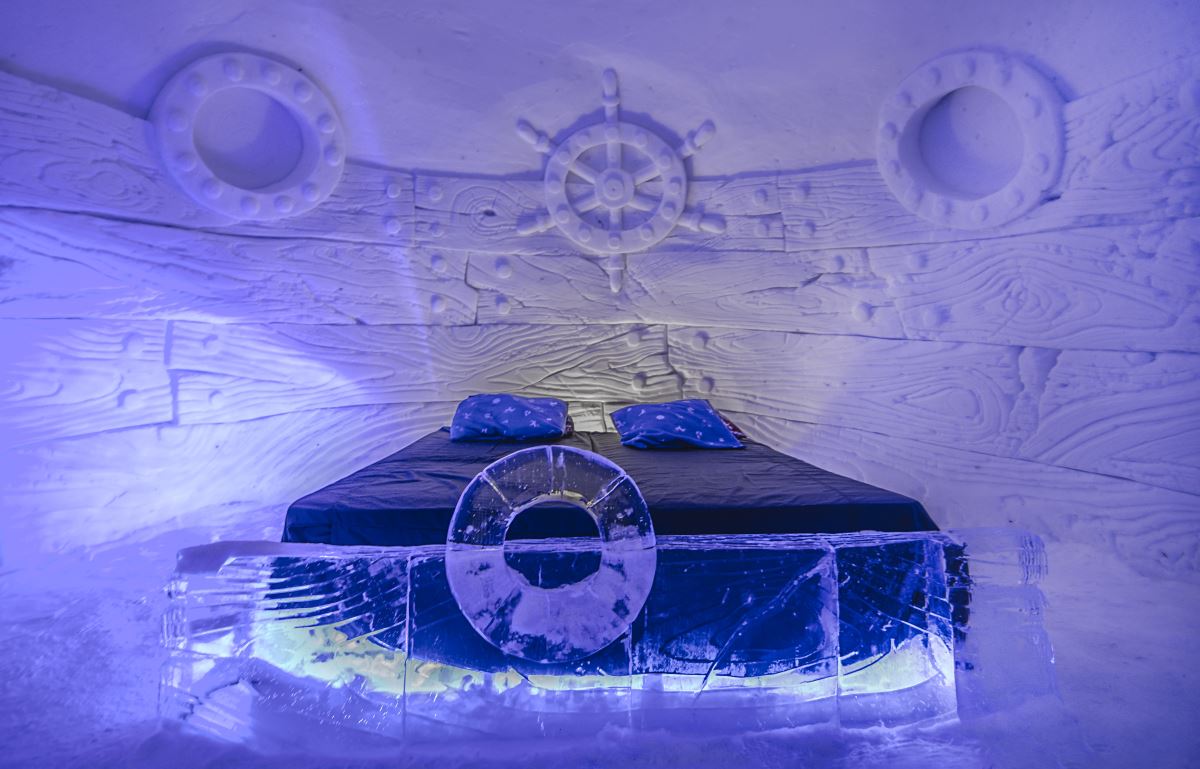 Snow Resort Kirkenes
“Staying at the Snow Resort Kirkenes in spring felt like standing between two seasons. Inside, everything is carved from ice, still, silent, untouched, but step outside, and the landscape begins to shift, with light returning and the first signs of thaw setting in. It’s that contrast I remember most, where winter hasn’t quite left, but you can see change happening all around you.”
(1).jpg)
Joanne Wheeler
Senior Travel Specialist
See more about why we think Norway is one of the best destinations to visit in spring.
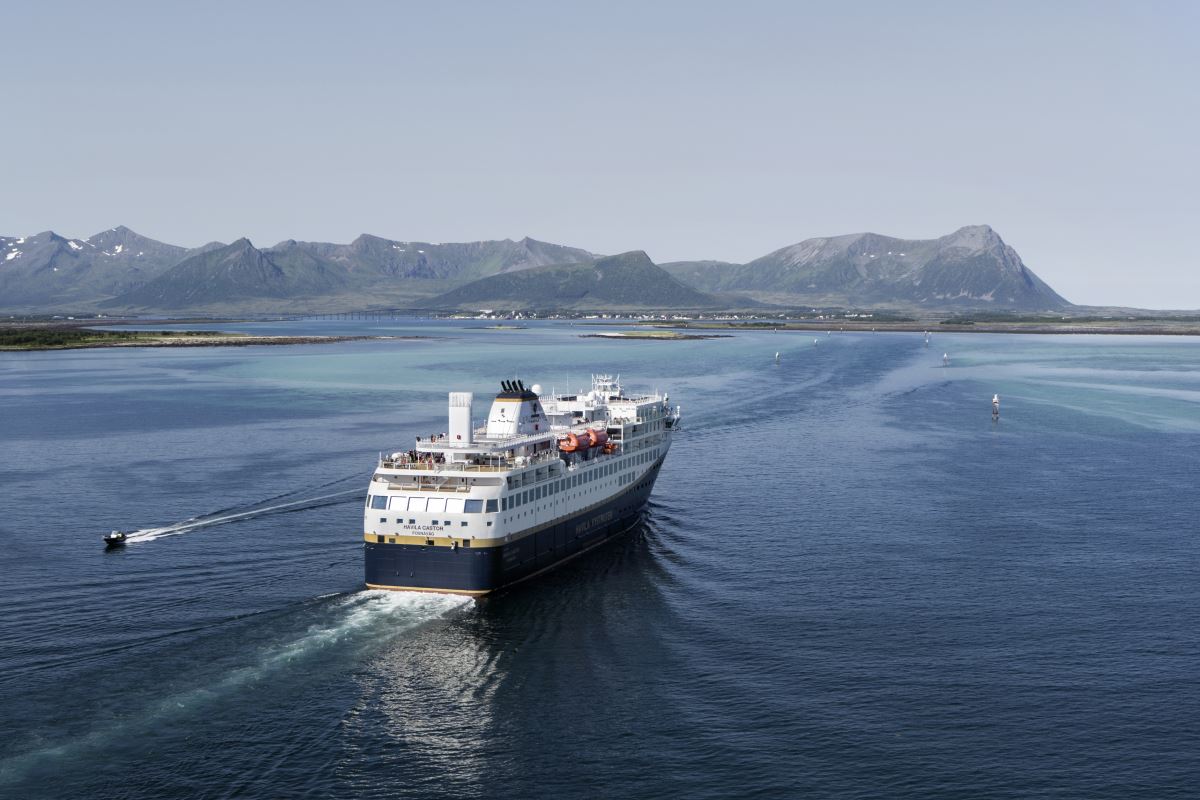 Havila Voyage ship in the spring
If you want to see Norway as it wakes up for spring, Havila Voyages' spring in the fjords takes you from Bergen to Kirkenes, crossing the Arctic Circle and stopping at 34 ports as snow recedes and daylight grows. You’ll travel through UNESCO-listed landscapes, visit coastal cities, and stay at the Snowhotel Kirkenes, where winter and spring combine.
Havila Voyages
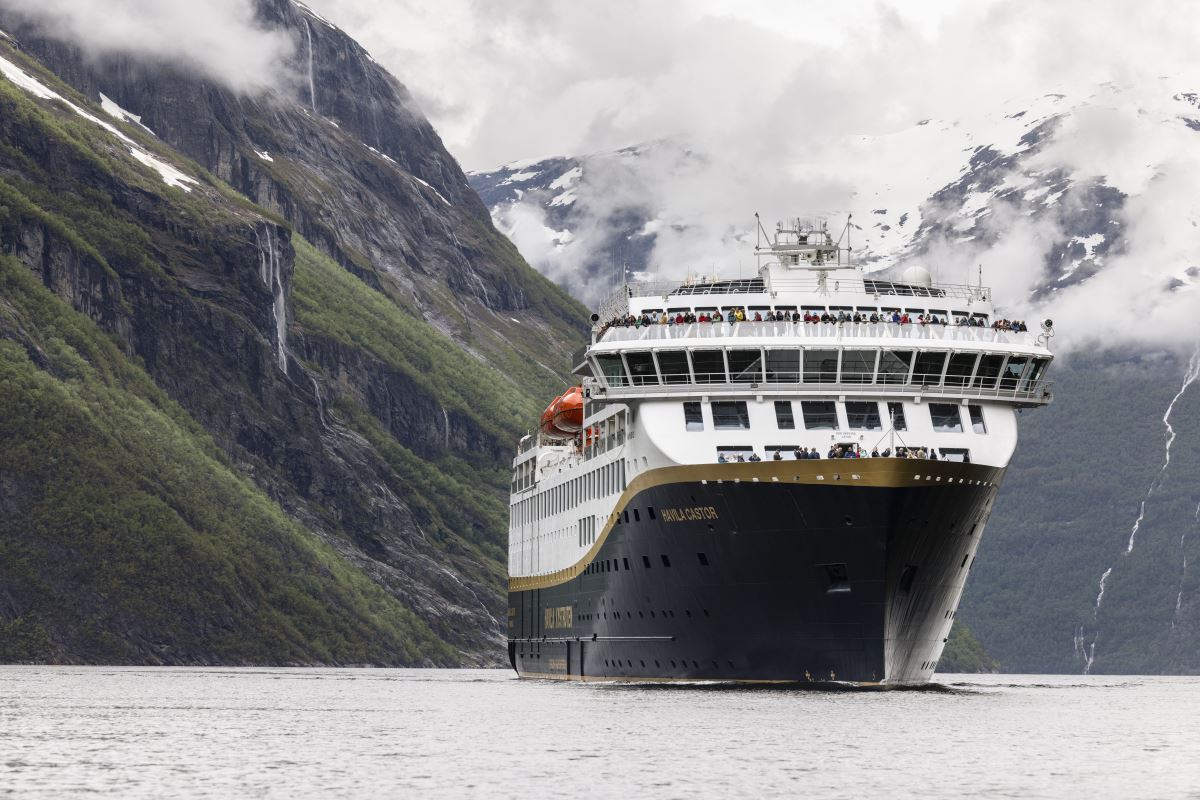 Havila Voyages sailing between the scenic Norwegian fjords
Havila Voyages is the coastal cruise line reshaping how you experience Norway’s fjords. Sailing four modern vessels along the historic 34-port Bergen–Kirkenes route, they combine contemporary design with quieter, more sustainable travel, including battery-powered sailing with zero emissions for up to four hours at a time.
On board, you’ll find spacious Nordic-style cabins, relaxed dining inspired by local ingredients, cafés, a gym, sauna, and panoramic lounges designed for uninterrupted views. Each voyage is shaped by the coast itself, with time ashore for curated excursions, such as snowmobiling in the Arctic winter or summer hikes through national parks and along coastal trails.
From short coastal journeys to full north–south crossings, Havila lets you experience Norway as it shifts with the seasons, with ease, comfort, and a lighter footprint.
Top Norwegian fjord itinerary stops
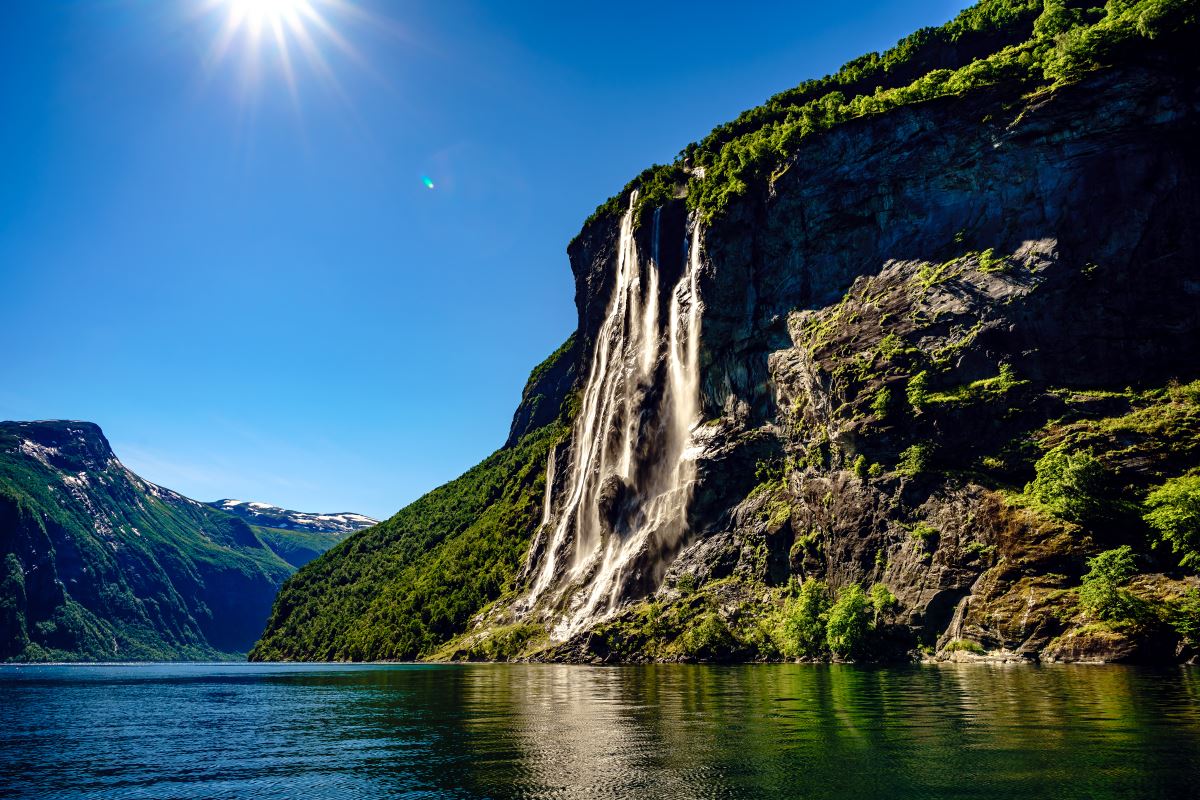 Geirangerfjord and the Seven Sisters waterfall
Most cruises to Norway follow a similar route along the west coast, especially those sailing from Bergen. Along the way, you’ll encounter some of the country’s most remarkable fjord landscapes and cultural highlights.
You’ll find these ports of call on most cruise itineraries, including rail-and-sail combinations and seasonal voyages, each designed to show you Norway’s fjords at their most dramatic:
Ålesund
Approaching Ålesund by sea is part of the experience. Pastel-coloured Art Nouveau buildings rise from the waterfront, and from here, you can continue into lesser-visited fjords like Hjørundfjord, a remote contrast to the headline destinations.
Bergen
Bergen is more than just a starting point. Departing from its historic harbour, you move quickly from city to wilderness, passing islands and sheltered waterways that give you a first glimpse of Norway’s coastal life.
Flåm & Nærøyfjord
One of the most immersive moments comes as your ship glides into the narrow UNESCO-listed Nærøyfjord, where cliffs rise almost vertically from the water. In Flåm, you can connect with the famous railway, climbing from sea level into the mountains for views you won’t get from the coast alone.
Geirangerfjord
Geirangerfjord is often the highlight of a Norwegian fjord journey, especially in the early morning when ships pass beneath the Seven Sisters waterfall. The scale is different from the water, with small farms clinging to cliffs high above.
Sognefjord
Sognefjord, Norway’s longest and deepest fjord, stretches more than 200km inland, cutting through some of the country’s most dramatic mountain scenery. On a cruise, the scale is immediate - wide, glassy water framed by near-vertical cliffs, with small settlements and fruit farms high up the slopes.
Do you want to see Norway's dramatic fjords?
Norway’s fjords are never the same twice. From summer’s long light to winter’s snow-framed silence, spring’s first thaw and autumn’s colour, each season reshapes the valleys, water, and wildlife. Travelling by ship reveals a coastline that is always changing, giving you a new perspective every time.
Talk to our Travel Specialists today to plan your own Norwegian fjord experience.